
Sauces & Condiments
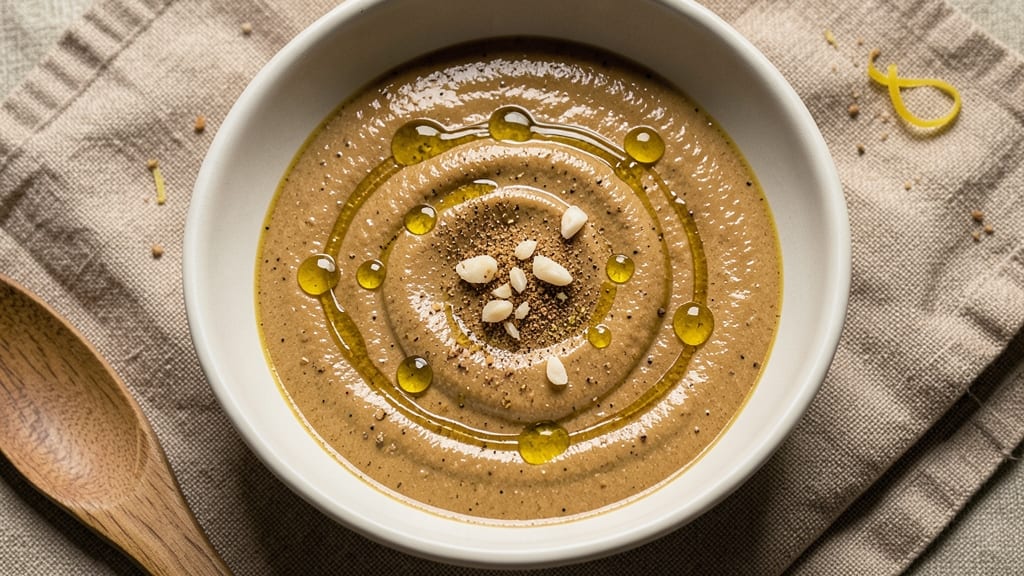
This Arabic tahini sauce recipe transforms simple pantry staples into a velvety, nutty condiment that elevates everything from hummus to grilled vegetables. The secret lies in balancing tahini’s richness with bright lemon and aromatic garlic, creating a sauce that’s both restaurant-worthy and effortlessly homemade.
I’ve perfected this version to stay smooth without separating—no blender required—and it’s ready in just 10 minutes, with ingredients you likely already have.
The magic happens when you whisk tahini with lemon juice until emulsified, then gradually stream in olive oil while keeping the mixture moving. This creates a silky texture that clings beautifully to crispy falafel, warm pita bread, or roasted carrots.
For extra depth, a pinch of cumin or smoked paprika adds warmth without overpowering the tahini’s natural nuttiness. The result? A sauce that’s tangy, creamy, and impossibly versatile—drizzle it, dip it, or stir it into soups for instant flavor.
What makes this sauce stand out is its crunch factor: a celery crown garnish adds a refreshing contrast that cuts through the richness. Store it in an airtight jar in the fridge for up to 5 days, or freeze for longer shelf life.
The best part? It’s naturally vegan, gluten-free, and packed with plant-based protein, making it a pantry essential for any meal. Whether you’re prepping for a mezze spread or just craving a quick flavor boost, this tahini sauce delivers every time.
The possibilities don’t end at dipping—use it as a marinade for tofu or chicken, a dressing for grain bowls, or even a glaze for roasted vegetables. The key is adjusting the lemon to taste: more for brightness, less for richness.
For a restaurant-style touch, finish with a sprinkle of za’atar or flaky sea salt. This isn’t just a sauce; it’s a flavor multiplier that turns simple dishes into something extraordinary.
Ingredients for arabic tahini sauce
Pantry staples meet Middle Eastern magic for this velvety, crunch-topped tahini sauce.
| Ingredient | Amount | Notes |
|---|---|---|
| Tahini 🥜 | ½ cup | Sesame paste, unsweetened |
| Extra-Virgin Olive Oil 🫒 | ½ cup | High-quality, fruity |
| Fresh Lemon Juice 🍋 | 3 tbsp | From 1 medium lemon |
| Garlic Cloves 🧄 | 2 cloves | Freshly minced |
| Water 💧 | ¼ cup | For thinning if needed |
| Ground Cumin 🌿 | ½ tsp | Toasted for depth |
| Smoked Paprika 🌶️ | ¼ tsp | For subtle smokiness |
| Sea Salt 🧂 | ½ tsp | Fine grain preferred |
| Celery Stalks 🥬 | 2 whole | For garnish, thinly sliced |
| Za'atar Seasoning 🌿 | ½ tsp | Optional for garnish |
The tahini is the heart of this sauce, so pick the smoothest, most flavorful jar you can find. Whole Foods or Middle Eastern markets usually carry the best—look for brands like Al Wadi or Bint al Shams, which have rich, nutty depth. Fresh garlic and lemon are non-negotiable: garlic should smell pungent when minced, and lemons should be juicy, not dry. The olive oil should be extra-virgin with a peppery finish—California or Italian brands work best. If your tahini is too thick, add water a teaspoon at a time while whisking until you reach that silky consistency.
No tahini? Substitute with equal parts peanut butter (unsweetened) plus 1 tbsp sesame oil, though the flavor will differ. Out of smoked paprika? Regular paprika plus a pinch of cayenne mimics the warmth. The celery garnish is essential for crunch—if you can't find fresh, dried celery flakes work in a pinch (use half the amount). For extra richness, stir in 1 tbsp of cashew cream at the end. The sauce thickens as it chills, so add a splash of water if it becomes too stiff after refrigeration.
Store in an airtight jar in the fridge for up to 5 days, with a thin layer of olive oil on top to preserve freshness. For longer storage, freeze in ice cube trays—perfect for single servings. The celery garnish keeps for 3 days if stored separately in a sealed container. This sauce tastes even better the next day as flavors meld, so make a double batch if you're prepping for a mezze spread. Always whisk before using to re-emulsify any separated oil.
Why You'll Love This Recipe
- Five-Ingredient Magic: I swear, that’s it—just tahini, olive oil, lemon, garlic, and water. No standing over a stove, no fancy gadgets. The trick is blending until it’s just thick enough, then letting the lemon brighten everything. Honestly, I’ve made this sauce while scrolling through my phone.
- Garlic-Lemon Zing: Between us, the garlic cloves (lightly toasted first, don’t skip that) and fresh lemon juice turn this into something ridiculously good. It’s creamy but sharp, rich but bright—like a hug in sauce form. The olive oil ties it all together without overpowering.
- Dip, Drizzle, Repeat: This stuff works everywhere. Slather it on grilled chicken, toss it with roasted veggies, or just scoop it up with pita. I’ve even used it as a marinade for shrimp—once, in a panic, and it became a favorite. Meal prep? Yes. Last-minute dinner? Absolutely.
- Budget-Friendly Staple: Tahini lasts for weeks in the fridge, and I buy it in bulk. A little goes a long way, so I’m not wasting money on single-use sauces. Plus, olive oil and lemons are pantry basics. Between us, this is one of those recipes that makes grocery shopping feel smarter.
Step-by-step instructions for Arabic tahini sauce
Here's how to create a velvety tahini sauce with perfect balance and that signature celery crunch.
Whisk Tahini and Olive Oil Until Smooth
In a medium bowl, combine the 0.5 cup tahini and 0.5 cup extra-virgin olive oil. Using a whisk or electric mixer, blend vigorously for 2-3 minutes until completely smooth and free of any graininess. This step is crucial—tahini can be thick and stubborn, so don't rush it. You'll know it's ready when the mixture looks like liquid silk and leaves a clean streak when you draw your finger through it.
If you notice any lumps, strain the mixture through a fine-mesh sieve to ensure absolute smoothness. The goal is a silky texture that will coat your spoon perfectly. I like to work in a warm kitchen for this step—cold tahini can be even more resistant to blending.
Add Aromatics and Thin Gradually
To the tahini mixture, add the 3 tbsp fresh lemon juice, 2 minced garlic cloves, 0.5 tsp ground cumin, 0.25 tsp smoked paprika, and 0.5 tsp sea salt. Whisk continuously for 1 minute to combine all ingredients thoroughly. The lemon juice will brighten the flavor, while the cumin and smoked paprika add depth that makes this sauce truly special.
Now for the thinning—this is where most people go wrong. Start by adding 1 tablespoon of water at a time, whisking vigorously after each addition. You want the sauce to reach a consistency that coats the back of a spoon but still holds its shape. The sauce should be thick enough to cling to vegetables or meats but thin enough to drizzle elegantly. I usually need about 2-3 tablespoons total—don't add all the water at once or you'll dilute the flavor.
Taste and Adjust the Balance
Taste the sauce immediately—this is your quality control moment. The tahini should dominate with its nutty richness, but the lemon should cut through and brighten the flavor. If it tastes too thick or heavy, add another ½ teaspoon of water at a time until you achieve that perfect balance between creaminess and flow. If it needs more brightness, add a tiny splash more lemon juice.
Here's the thing about tahini sauce—it's all about the ratios. Too much water makes it watery; too little makes it cloying. I aim for a sauce that's rich enough to stand alone as a dip but still light enough to drizzle over salads or grilled meats. The cumin and smoked paprika should be noticeable but not overpowering—just enough to hint at that authentic Middle Eastern flavor profile.
Prepare the Celery Garnish
While the sauce rests, prepare the celery garnish that gives this dish its signature crunch. Using a sharp knife, thinly slice the 2 whole celery stalks on the bias (diagonally) into ¼-inch thick pieces. The bias cut creates more surface area, which means more crunch and better flavor release when you garnish.
Spread the sliced celery on a paper towel and sprinkle lightly with 0.5 tsp za'atar seasoning if using. Let it sit for 2-3 minutes before using—this allows the za'atar to lightly adhere to the celery, adding another layer of flavor when you serve. The celery should be fresh and crisp, not wilted, so work with it just before serving.
Serve Immediately with Fresh Celery
Transfer the finished tahini sauce to a serving bowl or small pitcher. Spoon the celery slices over the top, arranging them in a circular pattern around the edges for that classic "celery crown" presentation. The contrast between the smooth, nutty sauce and the crisp, fresh celery is what makes this dish so satisfying.
Serve immediately while everything is at its peak—cold tahini sauce tastes best when fresh. The celery will maintain its crunch for about 15 minutes after slicing, so don't make this too far in advance. This sauce pairs beautifully with warm pita bread, grilled vegetables, or as a dip for fresh vegetables. The balance of flavors and textures makes it irresistible.
Pro Tips For Making Arabic Tahini Sauce
- Whisk in stages: Tahini’s thick and stubborn—don’t dump all the water at once or you’ll end up with a gloopy mess. Start with ¼ cup, whisk like you’re mad, then add more gradually until it’s smooth but still thick enough to coat the back of a spoon.
- Toast the garlic: Raw garlic in tahini sauce can taste bitter or sharp. Sauté 2–3 minuted in olive oil until golden and fragrant, then mash it into the sauce. The extra oil from toasting also helps emulsify everything better.
- Strain the lemon juice: Bottled lemon juice has pulp that clumps and makes the sauce grainy. Fresh-squeezed juice? Strain it through a fine-mesh sieve to keep the sauce silky. (Yes, even if you’re in a hurry—your future self will notice.)
- Finish with cold oil: The sauce will split if you heat it after adding lemon. Instead, let it cool slightly, then drizzle in 1–2 tablespoons of cold olive oil at the end. It’ll look weird, but the sauce will stay stable and glossy.
Pro cooking tips for this dish
Emulsification Secrets
Tahini's natural thickness makes emulsification the most critical step—never skip the whisking. Start by combining 0.5 cup tahini with 0.5 cup olive oil and whisk vigorously for 2-3 minutes until completely smooth.
The key is patience: tahini resists blending when cold, so work in a warm kitchen if possible. If lumps persist, strain through a fine-mesh sieve for restaurant-quality smoothness. 🌡️
Lemon-to-Tahini Ratio
Balance is everything—3 tbsp lemon juice per 0.5 cup tahini creates the perfect tang-to-nutty harmony. Too little lemon makes the sauce heavy; too much overpowers the tahini's richness. I test by adding lemon gradually, tasting after each ½ tbsp addition.
For extra brightness, zest 1 tsp lemon peel and mix it in during the final whisking. The zest adds aromatic depth without altering texture.
Thinning Like a Pro
Water is your friend, but use it judiciously—add it 1 tbsp at a time while whisking continuously. The goal is a sauce that clings to a spoon but drizzles smoothly. I typically need 2-3 tbsp total, but this varies based on your tahini's thickness.
For a thicker sauce (ideal for dipping), use 1 tbsp less water. For a thinner version (perfect for dressings), add 1 extra tbsp. Always whisk vigorously after each addition to prevent separation.
Spice Layering
The cumin and smoked paprika aren't just flavorings—they're texture enhancers. Toast the cumin in a dry pan for 30 seconds before adding to deepen its earthiness. For smoked paprika, use Spanish pimentón if available—its subtle sweetness complements the tahini better than regular paprika.
Start with ½ tsp each, then adjust to taste. Pro tip: Mix the spices with a pinch of salt first to distribute them evenly in the sauce.
Celery Crunch Hack
Thinly sliced celery on the bias creates maximum surface area for crunch and flavor. Use a sharp chef's knife and cut at a 45-degree angle for even slices. For extra staying power, toss the celery with ½ tsp za'atar and let it sit for 2-3 minutes before serving.
This trick prevents sogginess and adds an herbal note that pairs perfectly with the tahini's nuttiness. 🥬
Storage Without Separation
To prevent oil separation, store the sauce in an airtight glass jar with a thin layer of olive oil on top. This creates a protective barrier that keeps the tahini emulsified.
For fridge storage (5 days max), let the sauce come to room temperature before opening to avoid condensation. When reheating, whisk vigorously and add ½ tsp water** if it thickens.
For freezing, portion into ice cube trays—thawed cubes can be whisked back to perfection with a splash of water.
Nutrition facts
Frequently asked questions
Why does my tahini sauce separate after making it?
Separation happens when oil and tahini aren't properly emulsified. Always whisk vigorously for 2-3 minutes when combining tahini and oil, and add water gradually while whisking continuously. For extra stability, store with a thin layer of olive oil on top—this creates a protective barrier. If separation occurs, simply whisk again to re-emulsify before using.
Can I make this sauce without tahini?
Yes! For a similar texture, substitute with ½ cup unsweetened peanut butter plus 1 tbsp sesame oil. The flavor will differ slightly but still deliver that nutty base. Another option is ½ cup cashew cream (blend soaked cashews with water), though it lacks tahini's distinctive sesame flavor. The key is maintaining the same ratio of nut base to liquid.
How can I make this sauce spicier?
Add heat with ¼ tsp cayenne pepper or ½ tsp harissa paste when whisking the spices. For smoky heat, increase smoked paprika to 1 tsp. Pro tip: Toast whole spices like cumin seeds first, then grind them fresh for deeper flavor. Always start with small amounts—you can add more but can't remove excess spice!
What's the best way to use up leftover tahini sauce?
This versatile sauce works as a marinade (great for tofu or chicken), salad dressing, or even a glaze for roasted vegetables. Thin with water for dressings, or keep it thick for dipping. Freeze extras in ice cube trays—thawed cubes can be whisked back to perfection. The sauce actually improves after 24 hours as flavors meld, so don't hesitate to make a double batch!
Can I use this sauce in hot dishes?
While tahini sauce is best served cold or at room temperature, you can gently warm it for 1-2 minutes in a saucepan over low heat (never boil). Add 1 tbsp water to prevent thickening. It works beautifully as a sauce for hot grilled meats or as a topping for warm soups. Just remember—heat can cause separation, so whisk constantly and return to room temperature before serving.