
Sauces & Condiments
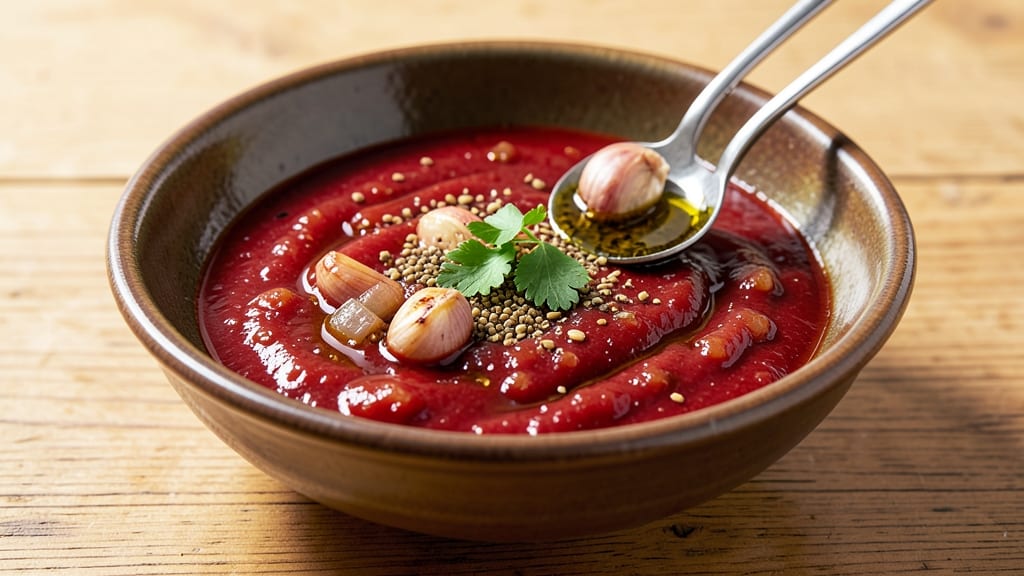
This Arabic tomato sauce recipe transforms simple ingredients into a rich, aromatic base that elevates any dish with its smoky cumin and earthy za'atar notes.
The key lies in slow simmering tomatoes, onions, and garlic until they break down into a velvety consistency, while spices like cumin, paprika, and chili build layers of warmth.
I developed this sauce after years of testing—it’s the perfect balance of sweetness, acidity, and spice that makes it versatile for grilled meats, rice, or even as a dip for fresh bread.
The process is straightforward but requires patience: tomatoes are cooked until tender, then blended with a touch of lemon juice for brightness. A splash of vinegar at the end cuts through the richness, creating a sauce that’s tangy yet deeply savory.
What sets this apart is the za’atar, which adds a floral, slightly nutty depth that’s quintessential to Arabic cuisine. The sauce thickens as it cools, making it ideal for batch prep—just thin with water or broth as needed.
What you’ll end up with is a sauce that’s restaurant-quality but simple enough for weeknight cooking. The smoky cumin and za’atar create a complex flavor profile that pairs beautifully with grilled lamb, chicken, or even as a marinade.
It also freezes exceptionally well, so you can make a big batch and have it ready for whenever cravings strike.
Use it as a base for soups, drizzle it over roasted vegetables, or serve it alongside shawarma for that authentic Middle Eastern touch. The possibilities are endless, but the technique remains the same: slow, steady, and full of flavor.
Ingredients for arabic tomato sauce
Simple ingredients that build layers of smoky, earthy, and tangy flavors for a sauce with restaurant-quality depth.
| Ingredient | Amount | Notes |
|---|---|---|
| Ripe Tomatoes 🍅 | 4 cups | Fresh or canned San Marzano preferred |
| Yellow Onion 🧅 | 1 whole | Medium size, finely diced |
| Garlic Cloves 🧄 | 4 cloves | Fresh, minced or grated |
| Ground Cumin 🌿 | 1 tbsp | Toasted for deeper aroma |
| Za'atar Spice Blend 🌶️ | 2 tbsp | Authentic Middle Eastern blend |
| Smoked Paprika 🌶️ | 1 tbsp | For smoky depth |
| Red Chili Flakes 🔥 | ½ tsp | Adjust for heat preference |
| Extra-Virgin Olive Oil 🫒 | ¼ cup | High-quality, fruity variety |
| Lemon Juice 🍋 | 1 tbsp | Freshly squeezed |
| Apple Cider Vinegar 🍶 | 1 tbsp | For brightness and tang |
| Salt 🧂 | 1 tsp | Diamond Crystal preferred |
| Black Pepper 🌶️ | ¼ tsp | Freshly cracked |
The tomatoes are the foundation—San Marzano canned tomatoes bring the sweetest, most consistent flavor, but fresh Roma tomatoes work too if you're in season. For onions, yellow or red onions both work, but yellow adds a touch of sweetness that complements the smoky spices. Garlic should be fresh, never jarred, and mincing it yourself makes a world of difference. If you can't find authentic za'atar, substitute equal parts sumac, oregano, and sesame seeds, but it won't be quite the same. For spices, Penzeys or Middle Eastern markets often carry the best quality za'atar and smoked paprika. Toast your cumin seeds in a dry pan for 30 seconds before grinding them for an even deeper flavor.
No San Marzano tomatoes? Any good-quality canned tomatoes will work, but avoid those with added salt or preservatives. Fresh tomatoes? Roast them first at 400°F for 20 minutes to intensify their sweetness. Short on za'atar? Mix 1 tsp each of sumac, dried thyme, and sesame seeds as a makeshift blend. The olive oil matters here—avoid light or refined oils—they lack the fruity notes that balance the spices. For extra richness, add 1 tbsp of tahini at the end. The vinegar is non-negotiable for that tangy finish, but if you're avoiding it, double the lemon juice instead. Always taste as you go—adjust salt and spices gradually to avoid overpowering the delicate tomato base.
This sauce thickens as it cools, so start with a bit less olive oil if you prefer it thinner. Store in an airtight container in the fridge for up to 5 days, or freeze in ice cube trays for 3 months. The flavors actually deepen over time, so making a big batch is worth it. For reheating, warm gently on the stove with a splash of water or broth to restore its silky texture. A drizzle of olive oil before serving brings back that restaurant-quality sheen. Portion into jars for easy use—perfect for meal prep or gifting.
Why You'll Love This Recipe
- Foolproof Base: I swear by this one—no charred onions, no burnt garlic. Just toss the chopped onion and minced garlic into the pot with the tomatoes, let them soften low and slow, and the cumin and za’atar work their magic without fuss.
- Earthy Depth: That toasted cumin and za’atar blend? It’s the secret. The sauce starts bright and fresh, then deepens into something warm and complex—like a hug in a bowl.
- Weeknight Magic: Dinner guests coming? No problem. This sauce pairs with grilled chicken, flatbread, or even eggs the next morning. I’ve served it at potlucks, family dinners, and lazy Sundays—it never lets me down.
- Budget Hero: Tomatoes on sale? Buy a bushel. This recipe stretches easily—freeze half for later, or double it for a big batch. A little goes a long way, and your wallet will thank you.
Step-by-step instructions for Arabic tomato sauce
Master this aromatic sauce with layers of smoky cumin and earthy za'atar.
Sauté Aromatics Until Fragrant
Heat the 0.25 cup extra-virgin olive oil in a heavy-bottomed saucepan over medium heat. Add the 1 whole yellow onion, finely diced, and cook for 5-6 minutes until softened and translucent. Here's the thing—don't rush this step. You're building flavor, not just cooking.
Add the 4 cloves garlic cloves, minced, along with the 1 tbsp ground cumin and 1 tbsp smoked paprika. Stir constantly for 1 minute until the garlic becomes golden and fragrant. This ensures the spices release their full aroma before meeting the tomatoes. If the garlic starts to brown too quickly, reduce heat slightly to prevent burning.
Add Tomatoes and Simmer
Pour in the 4 cups ripe tomatoes, whether fresh or canned San Marzano. Stir well to combine with the aromatic base. Add the 2 tbsp za'atar spice blend, 0.5 tsp red chili flakes, 1 tsp salt, and 0.25 tsp black pepper. Bring the mixture to a gentle simmer over medium-low heat—this prevents a hard boil that can make the sauce bitter.
Let it simmer uncovered for 20-25 minutes, stirring occasionally. You'll notice the sauce thicken as the tomatoes break down and release their juices. The za'atar will create a beautiful, fragrant steam—this is where the magic happens. If the sauce reduces too quickly, add 2-3 tablespoons of water to maintain consistency.
Finish with Acid and Balance Flavors
Once the tomatoes have broken down and the sauce has thickened to your desired consistency, remove the pan from heat. Stir in the 1 tbsp lemon juice and 1 tbsp apple cider vinegar. This brightens the sauce and cuts through the richness of the olive oil and spices. Taste and adjust seasoning—you may need a pinch more salt or chili flakes to balance the flavors.
For a smoother texture, use an immersion blender to purée the sauce directly in the pan. If you prefer a rustic texture, simply let it sit for 5 minutes to allow the flavors to meld. This sauce improves with time, so it's perfect for making ahead and reheating gently for even deeper flavor development.
Pro Tips For Making Arabic Tomato Sauce
- CHAR THE ONIONS LOW: I learned this the hard way—sautéing onions on high heat turns them bitter before they even soften. For this sauce, keep the heat at a gentle simmer (medium-low) and let them cook for 8-10 minutes until they’re translucent but not browned. That slow caramelization builds flavor without burning, and it’s the base your tomatoes will cling to.
- SMASH THE GARLIC: Whole garlic cloves in tomato sauce? They’ll just sit there like stubborn guests. Crush them into a paste first—either with the flat side of your knife or a garlic press—so they blend right in. No press? Smash them with the bottom of a heavy pan while they cook. The result? A smooth, aromatic sauce where the garlic disappears but the flavor stays.
- STIR THE TOMATOES HARD: Dumping whole tomatoes into the pot and walking away is how you end up with a watery, uneven sauce. Instead, break them into rough chunks (no need to peel) and stir aggressively for the first 5 minutes. This helps them break down faster and releases their juices evenly. If you’re using canned tomatoes, crush them with your hands first—it makes all the difference.
- TOAST THE ZA’ATAR FIRST: Sprinkling za’atar in at the end just gives you a dusting of flavor. Instead, toast the ground cumin and za’atar together in the dry pot over medium heat for 30 seconds—until you smell that earthy, toasty aroma. Then add the onions. This step deepens their flavor and prevents them from tasting like raw spices. (Yes, even if you’re impatient like me.)
Essential equipment for arabic tomato sauce
Heavy-Bottomed Saucepan
This is my non-negotiable tool for making Arabic tomato sauce. A 5-6 quart Dutch oven or stainless steel saucepan with thick walls prevents scorching and ensures even heat distribution. I use my All-Clad 5.5-quart saucepan—it handles the 20-25 minute simmer without hot spots.
Avoid nonstick pans; they can't handle the high heat needed for caramelizing onions and garlic properly. 🌡️
Immersion Blender
For a silky-smooth sauce, an immersion blender is a game-changer. My go-to is the Cuisinart ST-B200, which blends directly in the pot without transferring hot sauce. This keeps the process seamless and prevents messy spills.
If you prefer texture, skip blending—just stir occasionally during the simmer. For rustic versions, I sometimes mash a few tomatoes by hand for depth.
Fine-Mesh Strainer
A fine-mesh strainer helps remove any skin or seeds if you're using fresh tomatoes. I use a stainless steel mesh strainer from OXO—it's durable and won't rust. This step is optional but ensures a refined texture.
For canned tomatoes, straining isn't necessary unless you prefer a smoother consistency. Always strain before blending if you want that ultra-smooth, restaurant-quality finish.
Wooden Spoon
Never use metal utensils when stirring the sauce—it can scratch the pan and react with the acidity of tomatoes. A long-handled wooden spoon (I love the de Buyer Silicone 10-inch) is perfect for gentle stirring.
The silicone version is heat-resistant and won't warp. Stirring occasionally during the simmer helps prevent sticking and ensures even flavor distribution.
Measuring Spoons
Precision matters with spices like za'atar and smoked paprika. I use stainless steel measuring spoons from Westmark—they're durable and easy to read. A 1/4 teaspoon measure is essential for adjusting chili flakes to your heat preference.
For toasted cumin, a 1 tablespoon measure ensures you don't overdo it, which can make the sauce bitter.
Air-Tight Storage Containers
For long-term storage, glass mason jars or BPA-free plastic containers with tight seals are ideal. I prefer Ball Mason jars—they're airtight, microwave-safe, and stackable. Label each jar with the date to track freshness.
For freezing, use quart-sized freezer bags with a straw for easy scooping—this makes portioning a breeze when you're ready to use the sauce. 💡
Nutrition facts
Frequently asked questions
Can I make this sauce without za'atar?
Yes, but the flavor will be different! Za'atar adds that distinctive Middle Eastern aroma, but you can substitute with 1 tsp sumac + 1 tsp dried thyme + 1/2 tsp sesame seeds. For a simpler version, use 1 tbsp dried oregano instead. The sauce will still be delicious—just less complex.
How do I adjust the thickness of the sauce?
Start with 20-25 minutes of simmering for a medium thickness. For thicker sauce, simmer uncovered longer or add 1 tbsp cornstarch mixed with water. For thinner sauce, stir in 2-3 tablespoons of water or broth while warm. Remember, it thickens more as it cools!
What are the best ways to use this sauce?
This versatile sauce shines with grilled meats (like lamb or chicken), as a marinade, or drizzled over rice or couscous. It's also perfect as a dip for warm pita or flatbread. For extra richness, mix 1 tbsp tahini into the sauce before serving.
Can I make this sauce in a slow cooker?
Use the same ingredients but simmer on low for 4-5 hours instead. The slow cooking enhances the flavors even more. Just add 1/4 cup water to prevent burning. The texture will be slightly thicker, so thin with water or broth as needed before serving.
Why does my sauce taste bitter?
Overcooking or using too much cumin/paprika can cause bitterness. To fix it, stir in 1 tbsp lemon juice or vinegar and simmer for 5 more minutes. For prevention, simmer at medium-low heat and taste frequently. If the tomatoes are underripe, they'll also contribute bitterness—opt for ripe, flavorful tomatoes next time.