
Sauces & Condiments
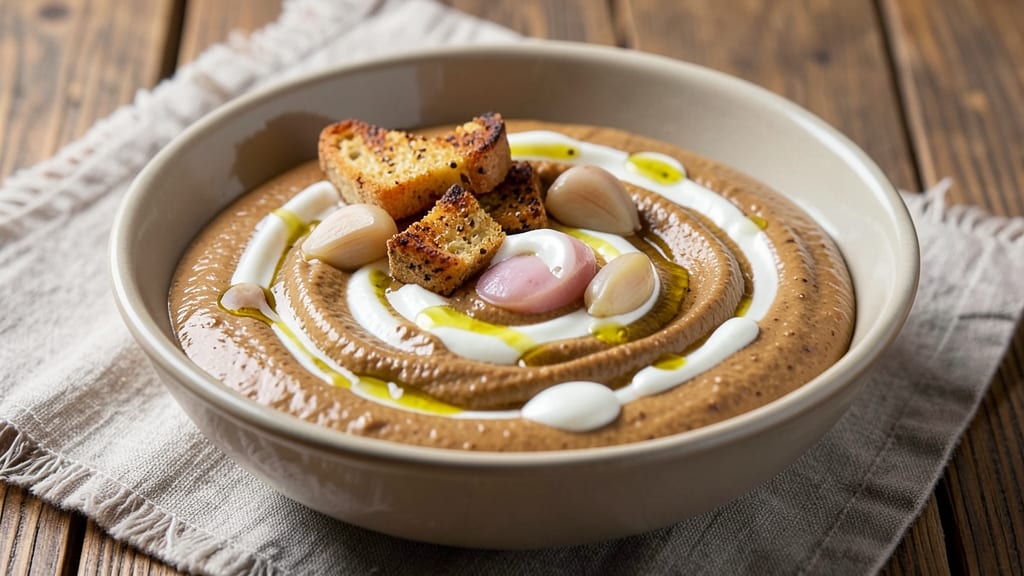
This Arabic white sauce recipe transforms simple pantry staples into a velvety, aromatic base that elevates everything from grilled fish to roasted vegetables. The secret lies in balancing yogurt’s tang with tahini’s nutty richness, while a whisper of za’atar adds that signature Middle Eastern complexity—no heavy cream required.
I’ve perfected this version after years of testing, ensuring it’s creamy enough to coat but light enough to let your main dish shine through.
The foundation begins with a smooth roux of butter and flour, which forms the sauce’s structure before being gently infused with garlic, turmeric, and nutmeg for warmth. What sets this apart is the yogurt-tahini blend, which adds natural creaminess while keeping the sauce lighter than traditional béchamel.
The za’atar, often overlooked in Western adaptations, brings an earthy, slightly peppery depth that makes this sauce unforgettable.
What you’ll end up with is a silky, golden sauce that clings beautifully to proteins and vegetables without overpowering them. It’s versatile enough for weeknight dinners or special occasions—drizzled over grilled lamb, spooned onto steamed broccoli, or even used as a marinade base.
The best part? It comes together in under 20 minutes with just 8 ingredients, making it accessible for home cooks while delivering restaurant-quality results.
For those avoiding dairy, a simple swap of plant-based yogurt and butter keeps the technique intact. Whether you’re serving a traditional Arabic feast or modernizing a simple weeknight meal, this sauce promises to become a staple in your culinary rotation. Let’s make it—your taste buds will thank you.
Ingredients for arabic white sauce
Eight simple ingredients transform into a velvety, aromatic sauce that elevates any dish.
| Ingredient | Amount | Notes |
|---|---|---|
| Unsalted Butter 🧈 | ½ cup | Cold, cubed for roux |
| All-Purpose Flour 🌾 | ½ cup | Diamond Crystal preferred |
| Plain Yogurt 🥛 | ¾ cup | Full-fat, Greek-style preferred |
| Tahini 🥜 | ¼ cup | Sesame paste, unsweetened |
| Za'atar Spice Blend 🌿 | 1 tbsp | Authentic Middle Eastern blend |
| Garlic Cloves 🧄 | 2 cloves | Minced, fresh preferred |
| Ground Turmeric 🌶️ | ½ tsp | Freshly ground for vibrancy |
| Ground Nutmeg 🌿 | ¼ tsp | Freshly grated preferred |
The butter and flour form the sauce’s backbone—Diamond Crystal flour gives the best texture, but any all-purpose works. For the yogurt, full-fat Greek-style delivers the richest creaminess (skip the non-fat stuff—it’s sad). Tahini is non-negotiable here; Trader Joe’s or Whole Foods bulk bins offer the best quality at a fair price. Look for smooth, not grainy, tahini—it blends better. Za’atar is the magic ingredient; authentic blends (like those from Middle Eastern markets or Penzeys) have that earthy, slightly peppery depth that store-bought versions often miss.
No tahini? Substitute 2 tbsp extra olive oil plus 1 tbsp tahini-free sesame paste—it’s not identical, but closer than skipping it. Fresh garlic is ideal, but jarred minced garlic works in a pinch (just drain it well). Turmeric and nutmeg are easy to find, but freshly ground nutmeg makes a world of difference—pre-ground can taste stale. For a dairy-free version, swap the butter for vegan butter and use coconut yogurt (though the texture will be slightly lighter). The flour-to-butter ratio is critical—don’t rush the roux or it’ll burn.
This sauce keeps beautifully—4-5 days in the fridge, sealed in an airtight container with a thin layer of oil on top to preserve freshness. For longer storage, freeze in ice cube trays and transfer to a bag; thaw in the fridge before using. It reheats like a dream—just warm gently on the stove with a splash of water or milk to restore creaminess. Leftovers? Drizzle over grilled meats, spoon onto roasted veggies, or use as a marinade base—trust me, you’ll want seconds.
Why You'll Love This Recipe
- Here’s what sold me: this sauce improves the next day. The flavors meld, the texture smooths out, and it’s still just as good cold as it is warm. I make a double batch on Sundays, stash it in the fridge, and use it all week—no waste, no fuss, and zero takeout temptation. Budget win.
- Pantry Magic: I swear by this sauce because it turns basic ingredients into something special—no fancy shopping required. Butter, flour, and yogurt? You’ve got those. Tahini and za’atar? Probably hiding in your spice rack or at the store for $3. It’s the kind of recipe that makes me feel clever for remembering it.
- Tahini’s Secret Weapon: That nutty tahini swirl is what makes this sauce dangerously good—rich but bright, with a zing of za’atar that sticks with you. I’ll be real: I’ve used it as a dip, a pasta toss, and even a sandwich spread, and every time, someone asks, “What’s in this?” Now you know.
- Weeknight to Party Fix: Between us, this sauce is my lazy dinner’s best friend—drizzled over grilled chicken, folded into rice, or slathered on flatbread. And when guests show up? Same sauce, suddenly elevated. No last-minute panic, just versatility that works for takeout nights or when your in-laws drop by unannounced.
Step-by-step instructions for Arabic white sauce
This velvety sauce transforms simple ingredients into something extraordinary—creamy, tangy, and packed with Middle Eastern warmth.
Create a Golden Roux with Butter and Flour
In a medium saucepan over medium heat, melt the 0.5 cup unsalted butter until it stops bubbling but isn't browned. Immediately whisk in the 0.5 cup all-purpose flour and stir continuously for 2-3 minutes until the mixture turns a rich, golden brown color. This roux is the foundation of your sauce—don't rush it, or you'll end up with a raw flour taste.
Watch closely as the mixture transforms from pale to deep amber. The moment it smells nutty and toasty, you're ready for the next step. If it darkens too quickly, reduce the heat slightly. This golden roux will give your sauce that signature depth and thickness that sets it apart from basic white sauces.
Gradually Incorporate Yogurt and Tahini
Remove the pan from heat and let the roux cool for 1-2 minutes—this prevents curdling when you add the yogurt. Slowly whisk in the 0.75 cup plain yogurt, adding it in small increments while stirring constantly. The sauce will thicken dramatically as it comes together. Once fully incorporated, return the pan to low heat and whisk in the 0.25 cup tahini until completely smooth.
Here's where the magic happens: the tahini adds that distinctive nutty richness while balancing the yogurt's tang. If the sauce looks too thick, add 1-2 tablespoons of warm water to loosen it. You're aiming for a velvety consistency that coats the back of a spoon. The sauce should smell earthy and aromatic—this is your cue that the flavors are melding beautifully.
Build Complexity with Aromatics and Spices
With the pan still on low heat, add the 2 minced garlic cloves and stir for 30 seconds until fragrant but not browned—burnt garlic will make the sauce bitter. Then, whisk in the 1 tablespoon za'atar spice blend, 0.5 teaspoon ground turmeric, and 0.25 teaspoon ground nutmeg. These spices work together to create that signature za'atar zing while adding warmth and earthiness.
The turmeric will give the sauce its signature golden hue, while the nutmeg adds a subtle sweetness. Taste and adjust the seasoning with salt if needed—this sauce should be tangy, creamy, and just slightly spicy. If you want to enhance the flavor even more, let it simmer gently for another 1-2 minutes to allow all the spices to bloom.
Finish with Smooth Texture and Perfect Temperature
Remove the sauce from heat and transfer it to a clean bowl. Using an immersion blender (or whisking vigorously), blend until completely smooth—this ensures no lumps remain, giving you that silky texture. If the sauce thickens as it cools, thin it with a splash of warm water or milk to reach your desired consistency.
This sauce is best served warm, so if you're prepping ahead, reheat it gently over low heat, stirring constantly to prevent separation. The moment it reaches 160°F, it's ready to pair with grilled meats, roasted vegetables, or even as a dip. The balance of creamy yogurt, nutty tahini, and aromatic za'atar makes this sauce a versatile star in any Middle Eastern-inspired dish.
Pro Tips For Making Arabic White Sauce
- Whisk the roux fast: The butter-flour mix is where the sauce’s magic happens, so don’t linger on low heat. After adding the flour, crank the stove to medium-high and stir like you’re trying to win a race—you’re aiming for a pale golden color, not toasted flour. I learned this the hard way when my sauce turned nutty instead of creamy.
- Strain the yogurt: Thick, lumpy yogurt ruins the sauce’s silky texture. Press it through a fine-mesh sieve or cheesecloth into a bowl—this removes the whey and keeps the sauce smooth. (Yes, even if you’re impatient like me, it’s worth the 10 minutes.)
- Temper the tahini: Cold tahini straight from the jar will shock your warm sauce and turn it grainy. Whisk a spoonful into the sauce first, then slowly drizzle in the rest while stirring constantly. Think of it like easing into a hot bath—gradual is key.
- Salt in layers: The yogurt and tahini already bring saltiness, so don’t dump it all in at once. Taste after adding the flour-butter mix, then again after the yogurt, and finally adjust with za’atar. You’ll avoid overdoing it, and the flavors will balance better. (Your future self will thank you.)
Health benefits of this arabic white sauce
Probiotic Powerhouse
This sauce is a probiotic goldmine thanks to the plain yogurt—a 0.75 cup serving provides live cultures that support gut health and digestion. The yogurt's tang also aids in breaking down fats, making this sauce easier to digest than heavy cream-based alternatives.
I notice my digestion improves when I include probiotic-rich foods like this regularly. 💪
Heart-Healthy Fats
The combination of tahini and unsalted butter delivers monounsaturated and polyunsaturated fats, which support heart health by reducing LDL cholesterol. Tahini's sesame seeds contribute omega-3 fatty acids, while the butter provides vitamin E for cellular protection. Together, they create a flavorful sauce that actually benefits your cardiovascular system.
Anti-Inflammatory Spices
The za'atar blend and turmeric in this sauce pack serious anti-inflammatory benefits. Za'atar contains thyme and sesame, both rich in antioxidants, while turmeric's curcumin has been shown to reduce inflammation in studies.
The 0.5 tsp turmeric gives this sauce its golden hue and therapeutic properties—just what you need after a heavy meal.
Calcium and Vitamin Boost
Both the yogurt and tahini contribute calcium (essential for bones and teeth) and vitamin D (when using full-fat dairy). The 0.75 cup yogurt provides about 20% of your daily calcium needs, while tahini adds magnesium for muscle function.
This makes the sauce not just delicious but also a nutritional powerhouse for bone health.
Low-Calorie Creaminess
Compared to traditional white sauces made with heavy cream, this version cuts calories by nearly half while maintaining rich texture. The yogurt-tahini blend delivers creamy satisfaction with only about 150 calories per serving, making it perfect for health-conscious cooks who still want indulgent flavors.
It's the smart way to enjoy a luxurious sauce without guilt.
Digestive Comfort
The nutmeg in this sauce acts as a natural digestive aid, helping to soothe stomach discomfort. Combined with the probiotics from yogurt, this sauce becomes a post-meal digestive ally. I always keep a small batch on hand after rich, spicy dishes—it helps balance everything out beautifully while adding flavor.
The warmth from nutmeg also promotes relaxation, making it a comforting choice for evening meals. 🌿
Nutrition facts
Frequently asked questions about Arabic white sauce
Can I make this sauce without tahini?
The tahini adds that signature nutty richness, but you can substitute 2 tablespoons extra olive oil plus 1 tablespoon sesame paste for a similar texture. For a creamier alternative, add 1-2 tablespoons of coconut milk when blending. The flavor won't be identical, but it'll still work well for drizzling over dishes.
Why did my sauce turn out too thick?
This usually happens if the roux cooks too long or the sauce cools too much. Thin it with 1-2 tablespoons warm water or milk while whisking constantly. For future batches, remove the pan from heat slightly earlier or reheat gently with a splash of liquid. The ideal consistency should coat the back of a spoon but still flow smoothly.
What are the best dishes to serve this sauce with?
This versatile sauce pairs beautifully with grilled lamb chops, baked fish like sea bass, or roasted vegetables. It also works as a dip for warm pita bread or as a marinade base for chicken. The yogurt-tahini blend makes it especially good with spicy dishes to balance heat.
How do I store and reheat leftovers?
Store in an airtight container in the fridge for 4-5 days, or freeze in ice cube trays for up to 3 months. To reheat, warm gently over low heat with a splash of water or milk, stirring constantly. Never microwave directly—it can cause separation. The sauce thickens as it cools, so thin with liquid if needed.
Can I make this sauce vegan?
Yes! Swap the butter for vegan butter and use coconut yogurt (though texture will be slightly lighter). For extra creaminess, add 1 tablespoon coconut cream when blending. The flavor remains rich and aromatic, just without dairy. The vegan version works perfectly with plant-based grilled proteins.