
Sauces & Condiments
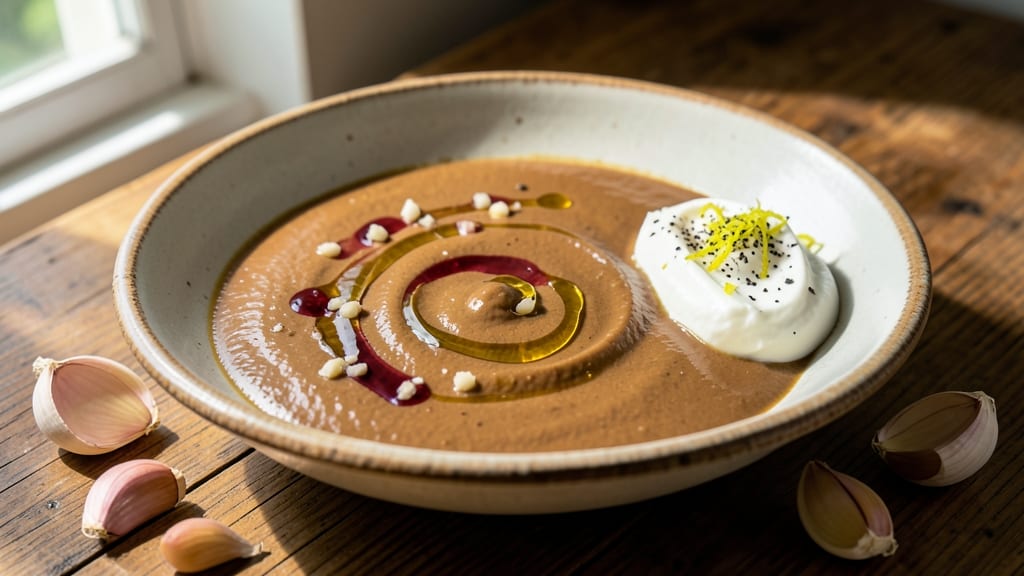
This Arayes sauce recipe transforms simple ingredients into a bold, tangy condiment that bridges Middle Eastern flavors with universal appeal. 💛 The secret lies in its balanced harmony of vinegar, garlic, and tahini—a marriage that delivers a sharp yet creamy profile perfect for dipping, marinating, or dressing salads.
I first discovered its magic while exploring Levantine street food, where it elevates grilled meats and fresh vegetables alike.
The sauce's foundation is built on tahini, which provides a rich, nutty base that softens the vinegar's bite. Fresh garlic and lemon juice add brightness, while yogurt introduces a cooling contrast that makes every bite refreshing.
What sets this recipe apart is the careful balance of spices—cumin, paprika, and a pinch of cayenne—that create layers of warmth without overpowering the dish.
What you'll end up with is a versatile sauce that's equally at home drizzled over hummus, tossed with grilled vegetables, or used as a marinade for chicken. The tangy-sweet flavor profile makes it addictive, while its creamy texture ensures it clings beautifully to any dish.
Best of all, it comes together in just 10 minutes with ingredients you likely already have on hand.
Once made, store it in an airtight container in the refrigerator for up to 5 days, or freeze for longer shelf life. The flavors deepen over time, making it perfect for meal prep.
Whether you're serving it as a dip with fresh bread or using it to elevate a simple salad, this sauce will become a staple in your kitchen.
Ingredients for arayes sauce
Tahini, vinegar, and garlic create this tangy, creamy sauce that's pure flavor magic.
| Ingredient | Amount | Notes |
|---|---|---|
| Tahini 🥜 | ½ cup | High-quality, sesame paste |
| Red Wine Vinegar 🍷 | ½ cup | Bold, dry variety preferred |
| Fresh Garlic Cloves 🧄 | 4 cloves | Minced for smooth texture |
| Plain Yogurt 🥛 | ½ cup | Full-fat for creaminess |
| Extra-Virgin Olive Oil 🫒 | ¼ cup | For richness and balance |
| Lemon Juice 🍋 | 2 tbsp | Freshly squeezed |
| Ground Cumin 🌿 | 1 tsp | Toasted for deeper flavor |
| Smoked Paprika 🌶️ | 1 tsp | For subtle smokiness |
| Cayenne Pepper 🔥 | ¼ tsp | Adjust for heat preference |
| Sea Salt 🧂 | ½ tsp | Fine grain preferred |
The tahini is the game-changer here—Kirkland Signature or Whole Foods 365 are my go-tos for quality. Freshly ground sesame paste makes all the difference, so avoid the pre-made stuff from the back of the pantry. Red wine vinegar should be bold and dry (like Bragg or Bertolli), not sweet. The garlic cloves? Freshly minced is key—no pre-minced jars here. If you're in a pinch, toast the whole cloves first for extra depth. Yogurt matters too: Full-fat Greek yogurt gives the best texture, but regular plain yogurt works in a bind.
No tahini? Substitute with peanut butter or cashew butter—just reduce the olive oil slightly. Vinegar short on vinegar? Apple cider vinegar or lemon juice works, though the flavor will shift a bit. Skip the smoked paprika? Regular paprika plus a pinch of liquid smoke gets you close. The cayenne is totally optional—leave it out if you're sensitive to heat. For a smoother sauce, strain out the garlic bits after blending. If you're making this ahead, add the lemon juice last to keep it bright.
This sauce keeps beautifully—5 days in the fridge with a layer of olive oil on top to preserve freshness. For longer storage, freeze in ice cube trays (perfect for single servings!) and transfer to a bag. The flavors actually improve over time, so don't hesitate to make a big batch. I always double the recipe—one for now, one for next week's meal prep. It's amazing drizzled over grilled chicken, mixed into dressings, or even stirred into hummus for extra zing.
Why You'll Love This Recipe
- No-Fuss Blend: I swear by this sauce because it’s literally three ingredients blended with a whisk. No peeling, no mincing—just smash the garlic, toss it in, and let the tahini do the work. Honestly, I’ve made it while scrolling through my phone.
- Umami Bomb: That tahini-y richness meets the bright snap of red wine vinegar, and the yogurt just softens it into something ridiculously addictive. The garlic? Oh, it’s there—fiery but balanced, like a hug for your taste buds.
- Dip or Dress: Slather it on grilled chicken, toss it with roasted veggies, or just eat it with pita. I’ve used it for everything from weeknight dinners to lazy Sunday brunches. (Yes, even on a Tuesday night.)
- Leftovers That Lie: This sauce actually improves after sitting overnight—thicker, deeper, and still fresh. I make a big batch on Sundays, and by Friday, it’s my secret weapon for turning boring meals into something special. Budget-friendly? Absolutely.
Step-by-step instructions for arayes sauce
This vibrant sauce comes together faster than you'd expect—just 10 minutes of active work for bold, tangy flavor.
🍳 Step 1: Toast Spices for Depth of Flavor
Heat a small skillet over medium-low heat and add the 1 teaspoon ground cumin and 1 teaspoon smoked paprika. Toast for 1-2 minutes until you can smell their warm, earthy aroma—this activates their flavors and removes any bitterness. Keep an eye on them so they don't burn; they're ready when they're just starting to darken slightly at the edges.
Remove the skillet from heat and let the spices cool for 30 seconds. Here's the thing—this brief toasting step makes all the difference. The spices will infuse the sauce with a subtle smokiness that balances the tangy vinegar perfectly. If you skip this, you'll still get good flavor, but it won't be as complex or well-rounded.
👨🍳 Step 2: Whisk Tahini and Vinegar Smoothly
In a medium bowl, whisk together the 0.5 cup tahini and 0.5 cup red wine vinegar until completely smooth. Start with a fork and gradually work it into a silky paste—you might need to scrape the sides with a rubber spatula to ensure everything incorporates. This mixture should be completely homogeneous with no visible streaks of tahini.
Here's where it gets fun—the tahini and vinegar create a creamy, slightly tangy base that's the heart of this sauce. If the mixture seems too thick, add 1 tablespoon of water at a time until it reaches a pourable consistency. The goal is a smooth, velvety texture that will coat your arayes beautifully. Don't rush this step; proper emulsification is key to preventing a separated sauce later.
🍳 Step 3: Build the Sauce with Yogurt and Aromatics
Add the 0.5 cup plain yogurt, 2 tablespoons lemon juice, and the toasted spices to the tahini-vinegar mixture. Whisk vigorously for 2-3 minutes until everything is fully incorporated and the sauce begins to thicken slightly. The yogurt will help balance the acidity while adding creaminess.
Now add the 4 cloves minced fresh garlic cloves and continue whisking for another 30 seconds. The garlic should disperse evenly throughout the sauce. If you're worried about the raw garlic taste being too strong, don't be—it'll mellow out beautifully as the sauce sits. The mixture should now have a thick, almost pudding-like consistency that will thin out as you add the final ingredients.
🥘 Step 4: Finish with Oil and Seasoning
Slowly drizzle in the 0.25 cup extra-virgin olive oil while whisking constantly. This gradual addition prevents the sauce from breaking and creates a silky, emulsified texture. The sauce should begin to lighten in color and become more fluid as the oil incorporates. Keep whisking for another 1-2 minutes until completely smooth.
Finally, add the 0.25 teaspoon cayenne pepper and 0.5 teaspoon sea salt, whisking just until combined. Taste and adjust the seasoning if needed—you might want to add a pinch more salt or cayenne depending on your heat preference. The sauce should be tangy, slightly spicy, and perfectly balanced. For best results, let it sit at room temperature for 10-15 minutes before serving to allow all the flavors to meld together.
⏰ Step 5: Thin to Desired Consistency
If the sauce is too thick for your liking, whisk in 1 tablespoon of water at a time until it reaches your preferred consistency. It should be thick enough to coat the back of a spoon but still flow smoothly. Real talk: this sauce will thicken slightly as it cools, so it's better to err on the thinner side if you're serving it immediately.
Give it one final taste and adjust the seasoning if needed. The perfect arayes sauce should have a bright tang from the vinegar, a creamy richness from the tahini and yogurt, and just a hint of spicy kick from the cayenne. This versatile sauce pairs beautifully with grilled meats, fresh vegetables, or even as a dip—it's the secret weapon that elevates any dish to restaurant-quality status.
Pro Tips For Making Arayes Sauce
- Whisk Tahini Slowly: Start with just 1 tablespoon of warm water or olive oil and whisk the tahini gradually—this prevents that dreaded grainy lump that ruins the whole sauce. I learned this the hard way after scraping gunk off my teeth after one too many attempts.
- Toast the Garlic: Dry-toast your garlic cloves in olive oil for 1-2 minutes until they’re golden and fragrant before blending—this adds depth that raw garlic can’t match. Yes, it’s an extra step, but your sauce will taste like it came from a Middle Eastern restaurant, not a rushed weeknight.
- Strain the Yogurt: Drain your yogurt in a cheesecloth-lined strainer for 30 minutes to remove excess whey—this keeps the sauce thick and velvety instead of watery. (I know, it’s tedious, but trust me, the texture makes all the difference.)
- Balance Vinegar Last: Taste your sauce before adding the red wine vinegar—it’s easy to overdo it and turn your rich tahini-yogurt base into something sharp and unbalanced. Add it a teaspoon at a time, then let it sit for 5 minutes before adjusting again. Patience here saves regret later.
Pro cooking tips for this dish
Emulsify Like a Pro
Tahini and vinegar are the sauce's backbone, but blending them properly is where the magic happens. Use a hand mixer or immersion blender for 30 seconds to ensure a silky texture—this prevents separation later.
I swear by my KitchenAid mini mixer for this step; it handles tahini's thickness better than a whisk. If you're using a blender, pulse instead of blending continuously to avoid overheating the mixture. 💫
Spice Toasting Secrets
Toast your cumin and smoked paprika until they're just starting to darken—this removes bitterness and deepens their flavor. I like to toast them in a dry skillet over medium-low heat for 1-2 minutes, stirring constantly.
Let them cool completely before adding to the sauce, or they'll cook off the vinegar's acidity. Pro tip: Use a fine-mesh strainer to catch any stray bits if you're sensitive to texture.
Garlic Integration
Freshly minced garlic is non-negotiable—pre-minced jars contain anti-caking agents that ruin the flavor. For even dispersion, pulse the garlic in a food processor for 10 seconds before adding to the sauce.
If you're worried about raw garlic taste, let the sauce sit for 15 minutes before serving—the acidity mellows it beautifully. I've also found that roasting the garlic first (wrap cloves in foil, roast at 400°F for 15 minutes) adds a sweet, caramelized depth. 🧄
Oil Emulsification
Add olive oil slowly while whisking vigorously—this prevents the sauce from breaking. I use a light stream from a squeeze bottle for control. If the sauce looks curdled, immediately add 1 tablespoon of warm water and whisk hard for 30 seconds.
The goal is a velvety, pourable consistency—not too thick, not too thin. For extra stability, whisk in ½ teaspoon of xanthan gum if you're making a large batch.
Flavor Balancing
Taste as you go! The sauce should hit all four flavor profiles: tangy (vinegar), creamy (tahini/yogurt), spicy (cayenne), and earthy (cumin/paprika). If it's too sharp, add 1 teaspoon of honey or maple syrup. Too bland?
Boost with ½ teaspoon of salt or a pinch more cayenne. I keep a small bowl of extra yogurt nearby to thin the sauce if needed—it's my go-to fix for over-thickened batches. ✨
Make-Ahead Mastery
This sauce tastes even better the next day! Store it in an airtight container in the fridge for up to 5 days. Before serving, give it a quick whisk and adjust seasoning—it often needs a splash of water or lemon juice to revive its brightness.
For freezing, portion into ice cube trays, then transfer to a bag. Thaw overnight in the fridge and whisk before using. The flavors deepen over time, so don't hesitate to make a big batch. 💡
Nutrition facts
Frequently asked questions
What makes this sauce different from tahini-based dressings?
The key difference is the vinegar-to-tahini ratio and the toasted spices. This recipe uses equal parts vinegar and tahini for a sharp tang that cuts through richness, while most tahini dressings rely on lemon juice or olive oil. The toasted cumin and smoked paprika add a smoky depth that sets it apart from basic tahini-yogurt blends.
Can I use this sauce as a marinade?
Its balanced acidity and spices make it perfect for marinating chicken or lamb. Let the meat sit in the sauce for 30 minutes to 2 hours before cooking. For extra tenderness, add 1 tablespoon of honey to the marinade. The sauce's creaminess helps retain moisture while the spices create a flavorful crust.
Why did my sauce separate?
Separation usually happens when oil is added too quickly or the mixture isn't whisked enough. Always add olive oil slowly while whisking constantly. If it separates, whisk in 1 tablespoon of warm water and ½ teaspoon of xanthan gum to re-emulsify. For prevention, blend the tahini and vinegar first until completely smooth before adding other ingredients.
What's the best way to serve this sauce?
This versatile sauce works as a dip for fresh bread, falafel, or grilled vegetables, a marinade for meats, or a dressing for salads. For extra flair, drizzle it over hummus or tabbouleh. It also pairs beautifully with kebabs, lamb chops, or even roasted potatoes. The creamy texture makes it perfect for coating or drizzling.
Can I make this sauce without tahini?
Yes! Substitute with ½ cup peanut butter or cashew butter for a nut-free option. Reduce the olive oil to 2 tablespoons to maintain balance. The sauce will have a slightly different texture but still deliver the same tangy-spicy profile. For a dairy-free version, use coconut yogurt instead of plain yogurt.