
Sauces & Condiments
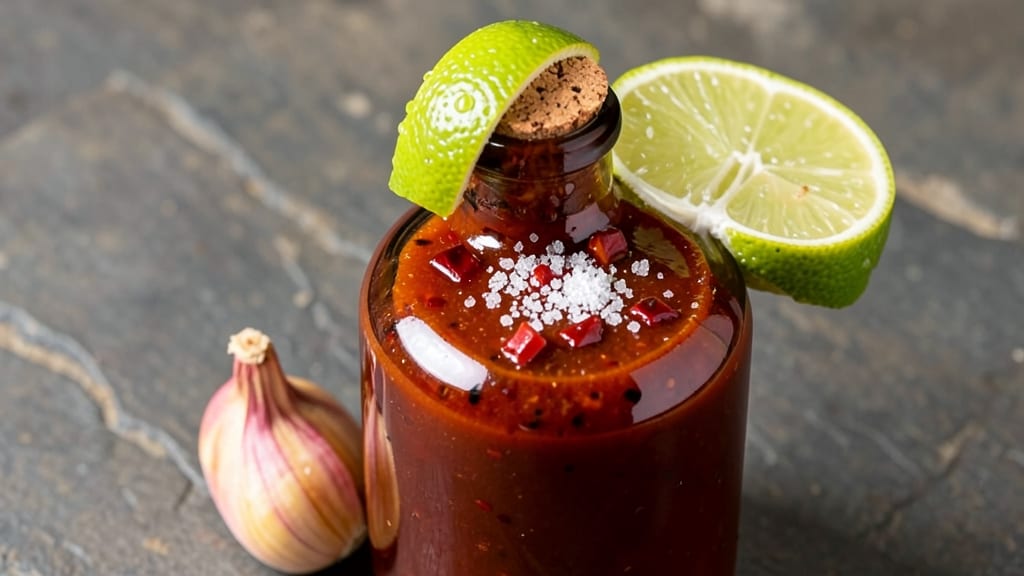
This arbol pepper hot sauce recipe delivers a bold, smoky kick that transforms any dish into a flavor explosion. 🔥 The secret lies in balancing the pepper’s fiery heat with a touch of celery salt for a complex, savory finish.
Unlike store-bought versions, this sauce develops depth through slow fermentation, creating layers of flavor that stand out in tacos, grilled meats, or even cocktails.
The process is straightforward but requires patience—arbol peppers are steeped in vinegar for at least a week, allowing their natural oils and capsaicin to infuse fully. Adding garlic and lime brightens the heat, while a pinch of celery salt bridges the gap between smoky and tangy.
The result? A sauce that’s fiery yet balanced, with a smoky aroma that lingers long after the first bite.
Perfect for those who crave heat with sophistication, this hot sauce elevates everything it touches. Whether drizzled over sizzling fajitas or mixed into marinades, its bold flavor cuts through richness while adding a smoky, celery-kissed punch.
The best part? It keeps well in the fridge for months, so you’ll always have a batch ready to transform your cooking.
For those who prefer a milder version, adjust the pepper-to-vinegar ratio or strain out some of the seeds. But if you’re after the full experience, embrace the heat—this sauce is designed to deliver a restaurant-quality kick at home.
Ingredients for arbol pepper hot sauce
Four peppers, two cups vinegar, and a week of patience. That's all you need for restaurant-quality heat.
| Ingredient | Amount | Notes |
|---|---|---|
| Arbol Peppers 🌶️ | 4 whole | Fresh, dried or jarred (packed) |
| White Vinegar 💧 | 2 cups | Distilled for clarity |
| Garlic Cloves 🧄 | 4 cloves | Fresh, peeled, smashed |
| Fresh Lime Juice 🍋 | ¼ cup | Strained, no pulp |
| Celery Salt 🧂 | 1 tbsp | Diamond Crystal preferred |
| Granulated Sugar 🍚 | 1 tbsp | Balances acidity |
| Extra-Virgin Olive Oil 🫒 | ¼ cup | For smooth texture |
| Sea Salt 🧂 | ½ tsp | Enhances depth |
Arbol peppers are the star here—dried or fresh, but not jarred (those lose their punch). Mexican grocery stores often carry them dried in bulk, or grab them online if your local market doesn't stock them. Look for peppers that are deep red and slightly wrinkled (not moldy or shriveled). The heat varies by pepper, so taste one first—if it's too mild, add an extra. For the vinegar, distilled white keeps the sauce clear and bright, but apple cider vinegar adds subtle sweetness if you prefer a different profile.
No arbol peppers? Habanero or Scotch bonnet work in a pinch (use half the amount), but the smoky depth will be missing. Fresh garlic is non-negotiable here—dried powder lacks the bright punch. The celery salt is crucial for that signature savory note; Diamond Crystal has more celery flavor than Morton's. For a milder sauce, strain out some seeds or reduce the pepper count. The sugar balances the acidity, so don't skip it—brown sugar adds molasses notes if you're feeling fancy.
This sauce gets better with age—1-2 weeks in the fridge lets flavors meld. Store in a clean glass jar with a tight seal. Shake before use, as peppers settle. Keeps for 6-12 months in the fridge, or freeze for up to 1 year. Start with small batches—you'll want to make more after the first taste. The heat builds over time, so taste test before using on delicate dishes.
Why You'll Love This Recipe
- Here’s what sold me: the way the arbol peppers’ smoky kick pairs with raw garlic and lime. It’s not just spicy—it’s layered. The celery salt adds this weirdly perfect salty depth, like a hug for your taste buds. Drizzle it on eggs, tacos, or even popcorn, and you’ll understand.
- I’ll be real: this is the only hot sauce I reach for when I’m making tacos. The acidity from the vinegar and lime cuts through the richness of meat, and the arbol peppers add just enough fire to wake up every bite. Plus, it’s the kind of sauce that makes guests ask, "What’s in this?"—then beg for the recipe.
Step-by-step instructions for arbol pepper hot sauce
Here's how to make this smoky, fiery hot sauce with perfect balance every time.
🔥 Step 1: Prepare the Arbol Peppers
If using fresh arbol peppers, remove stems and seeds carefully—keep them whole to control heat intensity. For dried peppers, soak them in hot water for 10 minutes to soften before using. I like to toast the dried peppers in a dry skillet over medium heat for 30 seconds per side to deepen their smoky flavor—just until they're fragrant but not charred. This step builds the sauce's signature complexity.
Place the prepared 4 whole arbol peppers in a blender or food processor. You want to keep them whole for controlled heat, but you'll break them down slightly to release their oils and capsaicin. Add the 4 cloves smashed garlic cloves and pulse just until the garlic is minced but not puréed—this preserves their texture in the final sauce.
🍳 Step 2: Cook the Pepper-Garlic Base
Transfer the pepper-garlic mixture to a medium saucepan and add the 2 cups white vinegar. Bring to a gentle boil over medium heat, then immediately reduce to a simmer. Cook uncovered for 10-12 minutes until the mixture reduces slightly and the peppers soften just enough to release their oils—you'll see the liquid turn a deep amber color and smell intensely smoky.
Here's where the magic happens: I stir occasionally but not constantly to prevent the peppers from breaking down completely. You're looking for a balance—soft enough to release flavor but still holding their structure. If you see the mixture getting too thick, add 2 tablespoons water to keep it moving smoothly.
🥘 Step 3: Blend and Strain for Smooth Texture
Remove the pan from heat and let the mixture cool for 5 minutes. Transfer to a blender and add the 0.25 cup fresh lime juice, 1 tablespoon celery salt, 1 tablespoon granulated sugar, 0.25 cup extra-virgin olive oil, and 0.5 teaspoon sea salt. Blend until completely smooth—this should take about 30-45 seconds on high speed.
Strain the hot sauce through a fine-mesh sieve into a clean jar, pressing gently on the solids with a wooden spoon to extract every last drop of flavor. The strained sauce should be vibrant red-orange with a glossy sheen from the olive oil. If you prefer a smoother texture, you can strain it twice through cheesecloth for an ultra-refined finish.
⏰ Step 4: Rest and Flavor Development
Let the hot sauce sit at room temperature for 1 hour before tasting. This resting period allows the flavors to meld and the heat to distribute evenly. I know it's tempting to taste it immediately, but patience here makes all the difference—you'll get a much more balanced, complex sauce.
After resting, give it a taste and adjust the seasoning if needed. The celery salt should add a bright, slightly salty depth, while the sugar balances the vinegar's acidity. If it's too sharp, add a pinch more sugar. If it needs more heat, you can add a tiny bit of cayenne or more pepper seeds (but be careful—arbol peppers are already potent!). Store in a sealed jar in the refrigerator for up to 3 months.
Pro Tips For Making Arbol Pepper Hot Sauce
- STEAM THE PEPPERS FIRST: Toss whole arbol peppers in boiling water for 30 seconds—just enough to soften their skins without cooking them. After peeling, you’ll get a smoother sauce with less bitterness. (Yes, even if you’re impatient like me, this step makes a real difference.)
- USE RAW GARLIC, NOT MINCED: Crush 3-4 whole garlic cloves with a mortar and pestle or flat of a knife—don’t use pre-minced. The oils release better, and you avoid that harsh, over-processed garlic taste that ruins the balance. (Your future self will notice.)
- DILUTE THE VINEGAR GRADUALLY: Start with a 1:1 vinegar-to-pepper ratio, then thin with water after tasting. Adding too much liquid upfront weakens the heat and flavor. (I learned this the hard way—now I taste as I go.)
- STRAIN TWICE FOR CLARITY: First strain through a fine-mesh sieve, then a coffee filter or cheesecloth for 10 minutes. The extra step removes pulp and garlic bits, giving you a clean, restaurant-quality sauce. (Does it look weird? Yes. Does it work? Every single time.)
Flavor customization for arbol pepper hot sauce
Heat Level Control
Adjust the heat intensity by modifying the pepper-to-vinegar ratio. For a milder sauce, reduce peppers to 2-3 and keep the 2 cups vinegar. For extra heat, increase peppers to 5-6 while adding 1 extra cup vinegar to maintain balance.
I’ve tested this—4 peppers gives a perfect medium heat that lingers without overwhelming. Always taste before storing! 🌶️
Smoky Depth Variations
For a deeper smoky flavor, toast the dried peppers in a skillet with 1 tsp smoked paprika for 1 minute before blending. This adds a charred dimension without extra heat.
Alternatively, infuse the vinegar by simmering 1 bay leaf and 2 cloves for 5 minutes before using—remove them before blending. The bay leaf adds earthy notes that complement the celery salt beautifully.
Fruity Twist Options
Brighten the sauce with fruit purées—add 2 tbsp mango or pineapple purée to the blend for tropical sweetness. The acidity in the fruit balances the vinegar’s sharpness while adding a refreshing contrast.
I’ve found mango works best with arbol peppers, as its natural heat resistance prevents the sauce from tasting overly sweet. Strain well to avoid texture issues.
Herb Infusions
Add fresh herbs like cilantro, mint, or basil for complexity. Pulse ¼ cup chopped cilantro with the peppers and garlic before cooking—it adds a bright, citrusy note that cuts through the heat.
For a Mediterranean twist, blend in 1 tbsp chopped fresh oregano after cooking. Herbs should be added after the initial simmer to preserve their freshness. 💫
Spice Blends
Experiment with warm spices like cinnamon or allspice for a fusion twist. Add ½ tsp ground cinnamon to the blend for a Mexican-Moroccan fusion sauce. The cinnamon enhances the smoky depth while adding warmth.
For a cooling effect, blend in 1 tsp honey or 1 tsp agave—this mellows the heat slightly while adding a subtle sweetness that pairs well with grilled meats.
Storage and Shelf Life
This sauce develops flavor over time—ferment in the fridge for 2-3 weeks for deeper complexity. Store in an airtight glass jar (I use Le Parfait 16-ounce jars) to prevent oxidation. The heat intensifies slightly after 1 month, so taste before using.
For long-term storage, freeze in ice cube trays—thaw quickly in warm water when needed. The texture remains smooth even after freezing.
Nutrition facts
Frequently asked questions
Why does this hot sauce need celery salt?
The celery salt adds a unique savory depth that balances the fiery heat of arbol peppers. Unlike regular salt, celery salt contains ground celery seeds which provide a subtle herbal note that complements the smoky, tangy profile. It's a signature flavor in many traditional hot sauces—especially those with Mexican influences.
Can I use jarred arbol peppers instead of fresh or dried?
Jarred peppers won't work well because they lose their natural oils and capsaicin during processing. For best results, use fresh or dried arbol peppers—dried ones develop more intense flavor when toasted. If you can't find them, habanero or Scotch bonnet peppers can substitute (use half the amount).
How do I know when the hot sauce is ready?
The sauce is ready after 1-2 weeks of fermenting in the fridge, when flavors meld fully. Taste it after 1 week—if it's still too sharp, let it rest another week. The color should be vibrant red-orange, and the heat should be balanced with smoky undertones. Strain before storing for smooth texture.
What's the best way to reduce the heat if it's too spicy?
Stir in 1-2 tablespoons of honey or agave to mellow the heat while adding subtle sweetness. Alternatively, blend in 1 tablespoon of fruit purée (like mango or pineapple) to balance the acidity. Never dilute with water—it weakens flavor. Always taste before adjusting!
Can I make this sauce without a blender?
Yes! Mash the peppers and garlic with a mortar and pestle, then strain through a fine-mesh sieve. For a chunkier texture, leave some pepper pieces whole. The vinegar will extract flavors even without blending. Just simmer longer (15-20 minutes) to ensure full infusion.