
Sauces & Condiments
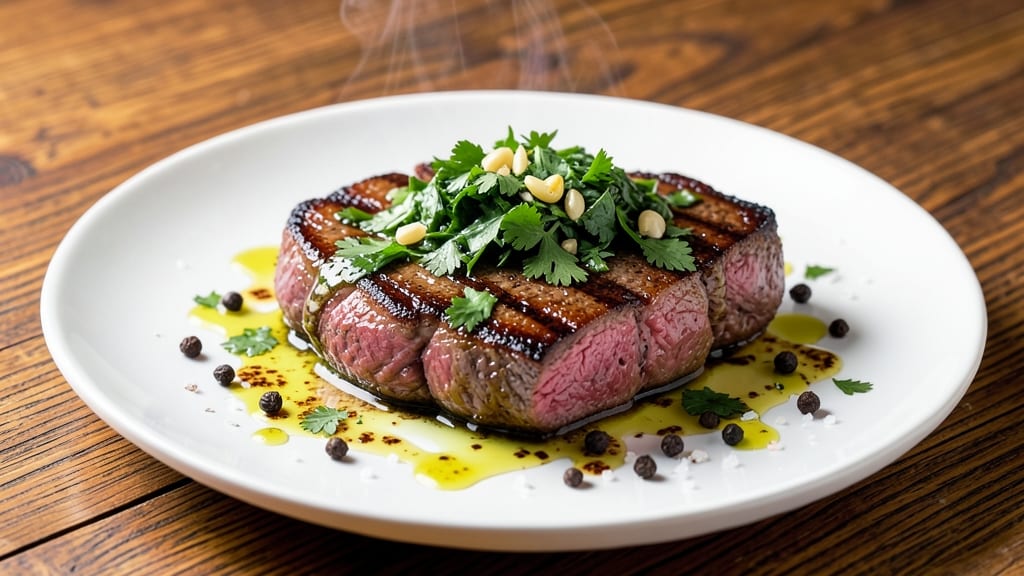
This Argentinian steak sauce recipe transforms every grilled cut into a restaurant-worthy masterpiece with just 10 minutes of prep. The secret lies in balancing vibrant parsley, sharp garlic, and tangy vinegar to create a sauce that clings perfectly to meat while adding layers of freshness.
I've refined this chimichurri-inspired version over countless backyard barbecues—it's the one sauce that turns simple steak into an unforgettable experience.
The beauty of this sauce is its simplicity: no cooking required, just chopping and blending. Fresh parsley forms the aromatic base, while red wine vinegar and garlic create that signature tangy brightness.
A touch of olive oil binds everything together, ensuring the sauce stays vibrant and clings beautifully to charred meat. What makes it special is the balance—bright enough to cut through rich steak, but rich enough to enhance every bite.
What you'll end up with is a bold, herbaceous sauce that's perfect for grilled steaks, chicken, or even vegetables. The colors are striking—emerald green with flecks of garlic—while the flavors are complex: fresh, tangy, and just slightly spicy.
This isn't just a sauce; it's the finishing touch that elevates any grilled dish to professional quality.
Best of all, it keeps well in the fridge for up to 5 days, making it ideal for meal prep or entertaining. Whether you're grilling for a crowd or treating yourself to a solo steak dinner, this sauce delivers restaurant-quality results with minimal effort. Let's get started!
Ingredients for argentinian steak sauce
Nine vibrant ingredients transform grilled meat into a restaurant masterpiece.
| Ingredient | Amount | Notes |
|---|---|---|
| Fresh Flat-Leaf Parsley 🌿 | 1 ½ cups | Stems removed, tightly packed |
| Red Wine Vinegar 🍷 | ½ cup | Bottled or homemade preferred |
| Extra-Virgin Olive Oil 🫒 | ½ cup | Light, fruity variety preferred |
| Garlic Cloves 🧄 | 6 cloves | Fresh, unpeeled for crushing |
| Kosher Salt 🧂 | 1 ½ tsp | Diamond Crystal preferred |
| Ground Black Pepper 🌶️ | ½ tsp | Freshly cracked preferred |
| Red Chili Flakes 🔥 | ½ tsp | Adjust for heat preference |
| Lemon Juice 🍋 | 1 tbsp | Freshly squeezed |
| Fresh Oregano 🍃 | 1 tbsp | Or 1 tsp dried oregano |
Fresh parsley is non-negotiable here—Italian flat-leaf has the best flavor, and you'll want the stems removed for a cleaner texture. Whole Foods or local markets usually carry the freshest bunches, but any grocery store's parsley works if it's bright green. The garlic should be firm and unpeeled—crush the cloves with the flat side of your knife for maximum flavor. Red wine vinegar adds that signature tang, so grab a bottle with some age—young vinegar tastes harsh. For the olive oil, California extra-virgin brands like Corto or Lucini elevate the sauce's richness.
No fresh parsley? Cilantro or basil in a pinch, but the flavor will differ slightly. Short on red wine vinegar? Apple cider vinegar or lemon juice work, though the color won't be as vibrant. The chili flakes can be swapped for cayenne powder at half the amount, but taste first—some brands are hotter than others. Fresh oregano is ideal, but dried works at one-third the quantity. If your olive oil tastes peppery, it's too strong—opt for a milder variety. The lemon juice should be freshly squeezed; bottled juice lacks brightness.
This sauce keeps beautifully—5 days in the fridge sealed in a jar with a thin layer of olive oil on top to preserve freshness. For longer storage, freeze in ice cube trays and transfer to a bag—3 months frozen without losing flavor. I always make extra; it's perfect for drizzling over grilled chicken, roasted veggies, or even as a pasta sauce. The colors stay vibrant, and the flavors deepen over time.
Why You'll Love This Recipe
- Five-Ingredient Magic: I swear by this—just parsley, vinegar, oil, garlic, and salt. No fancy gadgets, no stress, and honestly? It’s the kind of recipe where you can taste the difference in minutes, not hours.
- Garlic-Parsley Bomb: That fresh parsley and raw garlic combo? It’s bright, punchy, and cuts through even the richest steak like a knife. Between us, it’s the secret behind my husband’s “I’ll have seconds” reaction every time.
- Weeknight or Dinner Party: Slap this on grilled steak for a casual Tuesday or drizzle it over sliced flank for a showstopper. Same sauce, two vibes—no extra work, just different results. (Yes, even on a Tuesday night.)
- Lasts All Week: Make a big batch—it keeps in the fridge for days. Use it on steak, roasted veggies, or even scrambled eggs. My go-to when I’m too tired to cook but still want flavor. (Not the prettiest, but the taste makes up for it.)
Step-by-step instructions for Argentinian steak sauce
This bold chimichurri-inspired sauce delivers vibrant flavor that clings perfectly to grilled meat.
Prepare the Fresh Herb Base
In a food processor, combine the 1.5 cups of fresh flat-leaf parsley (stems removed) with the 6 unpeeled garlic cloves. Pulse until the parsley is finely chopped but not completely puréed—you want visible herb texture for that authentic chimichurri appearance. This texture is crucial for the sauce's signature bite and visual appeal.
I like to crush the garlic cloves with the flat side of my knife first before adding them to the processor. This releases more flavor without turning the mixture into a paste. Leave the garlic skins on during processing—they add subtle color and prevent the garlic from turning bitter.
Add Acid and Oil for Balance
With the food processor running, slowly drizzle in the 0.5 cup of extra-virgin olive oil while scraping down the sides as needed. This gradual addition prevents the mixture from becoming too oily. Next, add the 0.5 cup of red wine vinegar and the 1 tablespoon of lemon juice—these acids brighten the flavors and cut through the richness of the oil.
The sauce should begin to emulsify slightly as you add the liquids, but don't worry if it looks separated at this stage. The final texture will come together as you incorporate the remaining ingredients. I always use a light, fruity olive oil here—its delicate peppery notes complement the herbs beautifully.
Season and Finish with Herbs
Transfer the herb mixture to a mixing bowl and stir in the 1 tablespoon of fresh oregano, 1.5 teaspoons of kosher salt, 0.5 teaspoon of ground black pepper, and 0.5 teaspoon of red chili flakes. Taste the mixture now—this is your quality control moment. You should detect bright herbaceousness with a tangy kick from the vinegar and lemon.
If the sauce tastes too mild, add a pinch more salt or chili flakes. If it's too sharp, stir in another tablespoon of olive oil. The chili flakes should add just a hint of heat without overpowering the fresh herb flavors. This is where the sauce transforms from good to extraordinary—proper seasoning makes all the difference.
Rest and Adjust for Perfect Texture
Let the sauce sit at room temperature for 10-15 minutes before serving. This resting period allows the flavors to meld and the texture to stabilize. During this time, give it one final taste and adjust the seasoning if needed—perhaps a squeeze of extra lemon juice or a sprinkle of salt.
For the best results, serve this sauce immediately over grilled steak, where it will cling beautifully to every bite. The vibrant green color and fresh herb notes make it as visually stunning as it is flavorful. If you have leftovers, store them in an airtight container in the refrigerator for up to 3 days, though I find it's always best fresh.
Pro Tips For Making Argentinian Steak Sauce
- Pulse the Garlic: The second I started mincing garlic by hand for this sauce, I realized how much better pulsed garlic tastes—it releases oils without burning. Use 3-4 cloves, pulse until fine but not paste-like, then immediately add to the olive oil on low heat. No waiting, no bitterness.
- Chill the Vinegar First: I learned this the hard way—adding cold red wine vinegar straight to hot oil makes the sauce split like a bad salad dressing. Pop the vinegar in the fridge for 10 minutes before mixing, then whisk it into the warm (not scorching) oil. The sauce will emulsify smoother and taste brighter.
- Salt the Parsley: Fresh flat-leaf parsley needs a pinch of kosher salt before chopping—it softens the stems so they blend into the sauce instead of turning to mush. Toss the whole bunch with ¼ teaspoon salt, let sit 5 minutes, then shake off excess. Your sauce will have texture, not a watery parsley sludge.
- Use Aged Olive Oil: That cheap "extra virgin" might be labeled fancy, but if it’s young and peppery, it’ll overpower the delicate acidity of the vinegar. Splurge on a mild, aged EVOO (like a Spanish or Italian variety) for a sauce that’s rich but lets the parsley and garlic shine. Yes, even if you’re pinching pennies elsewhere.
Perfect pairings for this recipe
Grilled Meat Pairings
This vibrant sauce is a game-changer for grilled steaks, especially ribeye or skirt steak, where its bright acidity cuts through the richness. I love using it on Argentinian-style grilled meats like bife de chorizo or vacuum-sealed cuts cooked over hardwood charcoal.
For chicken, try it on grilled breasts or thighs—the herbs complement the smoky flavors beautifully. 🔥
For an unexpected twist, drizzle it over grilled vegetables like zucchini or eggplant. The sauce's acidity enhances their natural sweetness while adding a fresh herbal note. I've even used it as a marinade for shrimp skewers before grilling, creating a perfect balance of flavors.
Bread and Cheese
Warm crusty baguettes or fresh naan are perfect for scooping up any leftover sauce. I like to spread it on garlic bread with a sprinkle of Parmesan cheese and a drizzle of extra-virgin olive oil.
The combination of the sauce's tangy brightness and the bread's crunch creates a simple yet satisfying bite.
For a more indulgent pairing, serve it with melted mozzarella or provolone on grilled sandwiches. The sauce's freshness balances the richness of the cheese, making every bite feel like a restaurant-quality meal. I often make a quick grilled cheese sandwich with this sauce as a side—it's a crowd-pleaser!
Drink Pairings
A crisp Argentinian Malbec is the classic pairing for this sauce, especially when served with grilled steak. The wine's rich, fruity notes complement the sauce's herbaceous brightness. I recommend a 2018 Bodega Catena Zapata—its balance of dark fruit and smooth tannins enhances the dish perfectly. 🍷
For a non-alcoholic option, try a sparkling water with lemon or a ginger beer. The effervescence cleanses the palate between bites, allowing the sauce's flavors to shine. If you prefer beer, a light lager or Pilsner works well, as its crispness contrasts nicely with the sauce's richness.
Nutrition facts
Frequently asked questions
Can I make this sauce without a food processor?
Use a sharp chef's knife to finely chop the parsley and garlic by hand. Place them in a mortar and pestle, then crush with the vinegar and a pinch of salt. Gradually add olive oil while mixing until smooth. The texture will be slightly coarser but still delicious—just expect a little more effort!
How spicy should the chili flakes be?
Start with the 0.5 teaspoon called for, but taste before adding more. If you prefer mild heat, reduce to ¼ teaspoon or skip them entirely. For extra kick, add up to 1 teaspoon, but remember this sauce should complement—not overpower—the meat. Adjust to your spice tolerance!
Can I use dried herbs instead of fresh?
Yes, but reduce quantities by ⅓—use 1 teaspoon dried oregano instead of 1 tablespoon fresh. Dried herbs lose moisture, so add 1 extra tablespoon of olive oil to maintain the sauce's consistency. The flavor will be less vibrant but still delicious. Fresh herbs are ideal for that authentic chimichurri taste!
Why does my sauce look too thin or oily?
If it's too thin, stir in 1 tablespoon of olive oil to bind the ingredients. If it's too oily, add 1 teaspoon of red wine vinegar or lemon juice to balance the texture. Let it rest for 10 minutes—sometimes the flavors need time to meld. The perfect consistency should be thick enough to cling to meat but still drizzle easily.
What’s the best way to store leftovers?
Transfer to an airtight container and press a thin layer of olive oil on top to preserve freshness. It keeps in the fridge for 5 days or frozen for 3 months. Thaw frozen portions in the fridge overnight—never at room temperature. The flavors deepen over time, making it perfect for quick meals!