
Sauces & Condiments
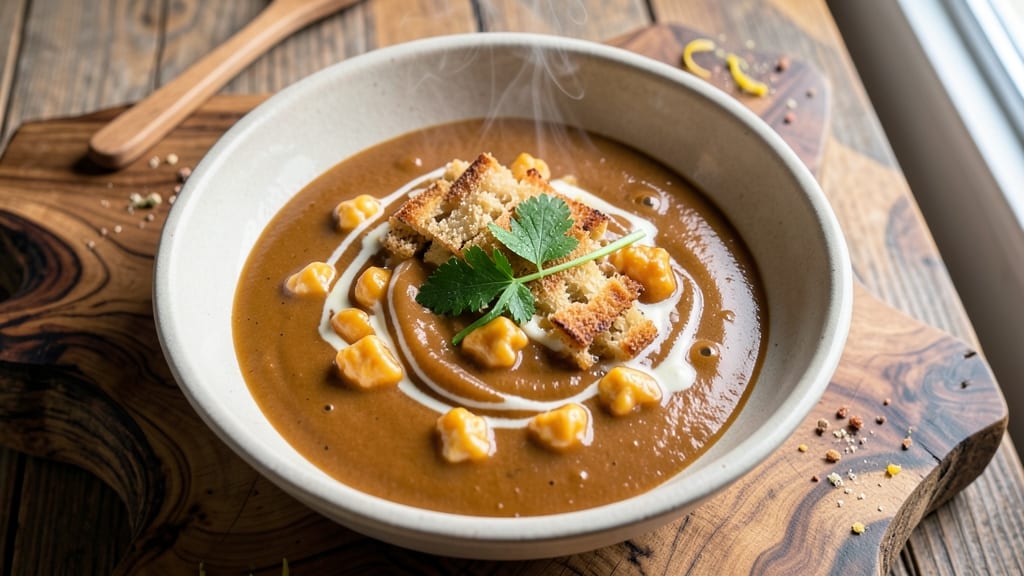
This Argo cornstarch cheese sauce recipe transforms basic ingredients into a velvety, clump-free sauce that elevates everything from mac and cheese to dipping sauces. The secret lies in using Argo cornstarch as a thickening agent—it dissolves smoothly, creating a luscious texture without lumps or graininess.
I developed this recipe after struggling with store-bought sauces that always seemed too thin or clumpy, and this method delivers consistent, professional results every time.
The process is straightforward but precise: melt butter, whisk in flour and cornstarch to form a roux, then gradually add milk and shredded cheese while stirring constantly. The key is low and slow heat, which ensures the sauce thickens evenly without breaking.
This sauce works with any cheese—sharp cheddar, creamy gouda, or even a blend—so you can customize it to your taste.
What you’ll end up with is a silky, velvety sauce that coats pasta perfectly, drizzles over baked potatoes, or serves as a rich dip for veggies. The cornstarch method guarantees a smooth finish, unlike flour-based roux that can sometimes develop a slight flour taste.
Best of all, it reheats beautifully, making it ideal for meal prep.
Use this sauce as a topping for casseroles, a creamy pasta sauce, or even a decadent dip for appetizers. The possibilities are endless, and the technique is foolproof—once you try it, you’ll never go back to clumpy, uneven sauces again.
Ingredients for argo cornstarch cheese sauce
Nine essential ingredients create a restaurant-quality cheese sauce with Argo cornstarch's velvety magic.
| Ingredient | Amount | Notes |
|---|---|---|
| Argo Cornstarch 🌾 | 2 tbsp | Fine texture for smooth sauce |
| All-Purpose Flour 🌾 | 2 tbsp | White flour preferred |
| Unsalted Butter 🧈 | ½ cup | Cold, cubed for even melting |
| Whole Milk 🥛 | 2 cups | Room temperature preferred |
| Shredded Sharp Cheddar Cheese 🧀 | 2 cups | Freshly shredded preferred |
| Salt 🧂 | ½ tsp | Diamond Crystal preferred |
| Ground Black Pepper 🌶️ | ¼ tsp | Freshly ground preferred |
| Garlic Powder 🧄 | ¼ tsp | For subtle depth of flavor |
| Extra-Virgin Olive Oil 🫒 | 1 tbsp | For finishing drizzle |
The Argo cornstarch is non-negotiable here—its fine texture dissolves completely, unlike regular cornstarch which can create lumps. I always buy the Argo brand from the baking aisle at Whole Foods or Williams Sonoma, as it's specifically designed for smooth thickening. For the cheese, sharp cheddar gives the best balance of tang and creaminess, but gouda or Monterey Jack work beautifully too. Just make sure to shred it yourself—pre-shredded cheese contains anti-caking agents that prevent smooth melting. The unsalted butter should be cold when you start, as this helps create a proper roux without burning.
No cornstarch? Arrowroot powder at the same amount works as a substitute, though the flavor profile differs slightly. Running out of milk? Heavy cream or half-and-half will make the sauce richer, but it may thicken faster. For a dairy-free version, unsweetened almond milk works, though the texture will be lighter. The garlic powder adds depth without overpowering—if you prefer real garlic, mince 1 clove fresh and sauté it with the butter. For extra richness, add 1 tbsp cream cheese to the finished sauce. And if you're worried about the sauce being too thin, remember the cornstarch will activate fully when reheated, so don't over-thicken initially.
This sauce reheats perfectly—simply add a splash of milk and stir over low heat until smooth. For meal prep, portion into glass containers with tight lids and store in the fridge for up to 5 days. Freeze portions in ice cube trays for easy single-serving use—just thaw in the microwave for 30 seconds. The sauce thickens as it cools, so if it seems too stiff after refrigeration, whisk in 1 tsp milk to restore its velvety consistency. And if you're using it for dipping, let it sit at room temperature for 10 minutes before serving—it becomes even more luxurious that way.
Why You'll Love This Recipe
- No-Fuss Magic Sauce: I swear by this—just melt butter, whisk in cornstarch and flour, then stir in milk until it’s silky. No blender, no stress, just a velvety base that’s ready in 10 minutes flat.
- Sharp Cheddar Bliss: That first bite of cheddar melting into the sauce? It’s like a hug for your taste buds. The Argo cornstarch keeps it thick and creamy without turning gluey, while the sharp cheddar adds that perfect tangy kick.
- Pantry Staple Power: Honestly, this sauce is my secret weapon for lazy nights—drizzle it over roasted veggies, toss with pasta, or slather on burgers. The ingredients? Things you already own. The results? Always a win.
- Leftovers That Don’t Suck: Between us, most cheese sauces go bad or get watery after reheating. Not this one. The cornstarch-flour combo locks in the creaminess, so I can make a big batch and reheat it for days without it separating. Budget-friendly and foolproof.
Step-by-step instructions for Argo cornstarch cheese sauce
Master this foolproof technique for a velvety cheese sauce with no lumps or graininess.
Create the Slurry for Perfect Thickening
In a small bowl, whisk together the 2 tbsp Argo Cornstarch and 2 tbsp All-Purpose Flour until completely combined. This creates a smooth slurry that will eliminate lumps when added to the hot liquid. The fine texture of Argo Cornstarch is particularly effective here—it dissolves completely without leaving any gritty aftertaste.
Set this mixture aside while you prepare the butter and milk. The key to a perfect sauce is adding the slurry to hot liquid gradually, which prevents clumping. If you add it all at once to cold milk, you'll end up with a thick paste instead of a smooth sauce.
Melt Butter and Warm Milk Gradually
In a medium saucepan over medium heat, melt the 0.5 cup Unsalted Butter until it's completely liquid but not browned. Add the 2 cups Whole Milk and bring to a gentle simmer, stirring occasionally. You want the mixture to heat through without boiling vigorously—this helps prevent the sauce from breaking or developing a skin.
Let the milk heat for 3-4 minutes until it's hot but not boiling. The milk should reach about 180°F—hot enough to cook the cornstarch properly but not so hot that it scalds. If you see any skin forming on the surface, simply stir it back into the milk before proceeding.
Incorporate the Slurry for Smooth Thickening
Slowly pour the cornstarch-flour slurry into the simmering milk while stirring constantly with a whisk. Maintain medium heat throughout this process—you're looking for a steady, gentle thickening rather than rapid boiling. The sauce should begin to thicken within 1-2 minutes of adding the slurry.
Continue stirring for an additional 2-3 minutes until the sauce reaches your desired consistency. It should coat the back of a spoon smoothly without being gluey. If it thickens too quickly, add 1-2 tablespoons of milk to adjust. The goal is a sauce that's thick enough to coat but still flows easily—this ensures it clings perfectly to pasta or vegetables.
Add Cheese and Seasonings
Reduce the heat to low and gradually stir in the 2 cups Shredded Sharp Cheddar Cheese until completely melted and smooth. The cheese should incorporate evenly, creating a rich, golden sauce. If you notice any lumps of unmelted cheese, strain the sauce through a fine-mesh sieve for a completely silky texture.
Season immediately with the 0.5 tsp Salt, 0.25 tsp Ground Black Pepper, and 0.25 tsp Garlic Powder. Taste and adjust the seasoning if needed—sharp cheddar can vary in intensity. The sauce should be well-seasoned but not overly salty, as the cheese itself contributes significant flavor.
Finish and Serve Immediately
Remove the sauce from heat and stir in the 1 tbsp Extra-Virgin Olive Oil. This final step adds a subtle richness and helps prevent the sauce from separating as it cools. The olive oil also creates a beautiful sheen on the surface, indicating a well-emulsified sauce.
Serve the cheese sauce immediately over pasta, broccoli, or mashed potatoes. The sauce will thicken slightly more as it sits, so it's best used right away. If you need to reheat leftovers, do so over low heat while stirring constantly to prevent scorching or developing a skin.
Pro Tips For Making Argo Cornstarch Cheese Sauce
- Whisk Like You Mean It: The cornstarch and flour need to dissolve completely—no lumps allowed. Use a fork first to break up clumps, then switch to a whisk and stir vigorously for 30 seconds. I learned this the hard way when my sauce turned into a grainy disaster mid-stir.
- Prep Cheese Like a Pro: Grate your own cheddar (or buy pre-shredded without anti-caking agents) and pat it dry with a paper towel. Wet shreds add moisture and thin the sauce faster than you’d expect. Save yourself from a watery mess by skipping the pre-shredded stuff from the green bag.
- Low and Slow Wins: Start the sauce on medium heat, but once it thickens, drop it to the lowest setting you can tolerate. Rushing it burns the butter flavor and can turn your smooth sauce into a gluey nightmare. Trust me, the extra 5 minutes keeps it creamy.
- Reserve That Milk: Strain the milk through a fine-mesh sieve before adding it to the pot—this catches any stray fat or sediment that’ll make your sauce look cloudy. If you’re short on time, just skim the top layer of cream with a spoon; it makes a real difference.
Common mistakes when making your argo cornstarch cheese sauce
Overheating the Milk
One of the most common mistakes is letting the milk boil vigorously before adding the cornstarch slurry. When milk boils, it creates a skin and can cause the cornstarch to cook unevenly, leading to a grainy texture. Always keep the heat at medium-low and maintain a gentle simmer—around 180°F.
I've ruined more sauces than I'd like to admit by letting the milk boil, so trust me when I say patience here pays off with a silky finish. 🌡️
Adding Cheese Too Quickly
Dumping all the shredded cheese at once can create lumps that don't melt completely, no matter how much you stir. Instead, add the cheese gradually while keeping the heat on low, stirring constantly until each addition is fully incorporated.
For extra-smooth results, strain the finished sauce through a fine-mesh sieve to catch any remaining cheese bits. I learned this the hard way when my first batch had visible cheese chunks—always better to be safe than sorry!
Skipping the Slurry Step
Mixing the Argo cornstarch and flour together first creates a smooth paste that dissolves evenly in the hot liquid. If you try to add them separately, you risk creating lumps that never fully disappear.
The slurry method guarantees a lump-free sauce every time. I recommend whisking the slurry thoroughly before adding it to the milk—this is the secret to that velvety texture we all crave. 💫
Using Cold Ingredients
Cold butter, milk, or cheese can cause the sauce to thicken unevenly or develop a clumpy texture. Always use room-temperature milk and let your butter come to temperature before starting.
I keep my milk in the fridge until just before use, then let it sit out for 10-15 minutes to warm up naturally. Cold ingredients slow down the thickening process and can lead to inconsistent results.
Over-Stirring After Adding Cheese
While stirring is essential when adding the slurry, once the cheese is fully melted, excessive stirring can incorporate air and create a frothy texture. Once the cheese is completely smooth, give the sauce a final gentle stir and remove it from heat.
Over-stirring can also cause the sauce to break or separate. I find the perfect balance is a few final stirs just to blend everything—no need to go overboard!
Ignoring the Resting Time
Cheese sauce continues to thicken as it sits, so serving it immediately might leave it too thin. Let it rest for 5-10 minutes before using—this allows the cornstarch to fully activate and the flavors to meld.
I often make my sauce ahead of time and let it sit while I cook the pasta, which gives it that perfect consistency when it's finally time to serve. Patience here makes all the difference! ⏰
Nutrition facts
Frequently asked questions
Can I substitute regular cornstarch for Argo?
While regular cornstarch works, Argo's finer texture dissolves more smoothly, reducing the risk of graininess. For best results, use Argo brand cornstarch—it's specifically designed for silky sauces. If you must substitute, try arrowroot powder at the same measurement, though the flavor may differ slightly. The key is whisking the slurry thoroughly before adding to hot liquid.
What's the best cheese for this sauce?
Sharp cheddar delivers the most balanced flavor, but you can customize! For creaminess, try gouda or Monterey Jack. Want extra richness? Add 1 tbsp cream cheese at the end. Always shred cheese yourself—pre-shredded contains anti-caking agents that prevent smooth melting. Pro tip: Mix cheeses for complex flavors, like cheddar + a little parmesan.
Why did my sauce get lumpy?
Lumps usually happen from either adding the slurry too quickly or not whisking enough. Always pour the cornstarch-flour mixture slowly into hot liquid while stirring constantly. For stubborn lumps, strain the sauce through a fine-mesh sieve or blend briefly with an immersion blender. Remember: patience with the slurry step prevents 90% of lumps!
Can I make this sauce ahead of time?
Yes! Store in an airtight container in the fridge for up to 5 days. The sauce thickens as it cools, so thin with 1 tsp milk before reheating. For freezing, portion into ice cube trays—thaw and reheat gently. The cornstarch maintains its thickening power even after refrigeration, making this perfect for meal prep.
How can I make this sauce dairy-free?
Replace milk with unsweetened almond milk or cashew cream, and use dairy-free butter. For cheese, try nutritional yeast (1 tbsp) or vegan cheese shreds. The texture will be lighter, but the technique remains the same. Always add dairy-free alternatives gradually to avoid over-thickening.