
Sauces & Condiments
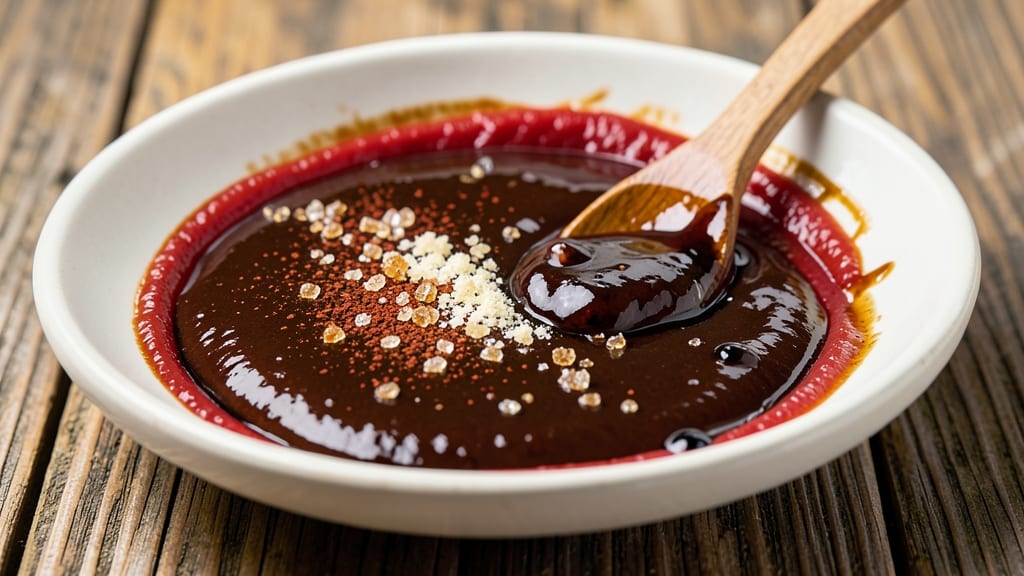
This Armstrong's-inspired BBQ sauce delivers the perfect balance of smoky depth and tangy brightness that defines Kansas City-style barbecue. 🔥 The secret lies in a slow-simmered tomato base where vinegar and spices work together to create a sauce that's rich yet bright, sweet without being cloying.
I've been perfecting this recipe for years, and it's the one sauce that transforms any grilled meat into a showstopper.
The foundation begins with a simple blend of tomatoes, vinegar, and spices that simmer for hours until thick and concentrated. What makes this sauce special is the careful balance of sweetness from brown sugar and molasses, while the vinegar adds that signature tang that cuts through the richness.
The spices—smoked paprika, garlic, and onion powder—build layers of flavor that develop as it cooks.
By the time you're done, you'll have a glossy, aromatic sauce that's perfect for glazing ribs, basting chicken, or serving as a dipping sauce. The texture is just right—thick enough to cling to meat but still spreadable for sandwiches.
I've made this sauce for competitions, and it's always been the one that judges and crowds remember most.
Make a big batch and store it in the refrigerator for up to two weeks, or freeze it for longer storage. This sauce is incredibly versatile—use it on pulled pork, grilled vegetables, or even as a marinade for chicken. Here's how to make it, step by step.
Ingredients for armstrong's bbq sauce
Eleven simple ingredients that pack a punch—this sauce is all about the balance.
| Ingredient | Amount | Notes |
|---|---|---|
| Tomato Paste 🍅 | ½ cup | High-quality, no sugar added |
| White Vinegar 🍶 | ½ cup | Distilled or apple cider |
| Brown Sugar 🍚 | ½ cup | Packed lightly |
| Molasses 🍯 | ¼ cup | Unsulfured preferred |
| Smoked Paprika 🌶️ | 2 tbsp | For authentic smoky flavor |
| Garlic Powder 🧄 | 1 tbsp | Freshly ground preferred |
| Onion Powder 🧅 | 1 tbsp | Not onion salt |
| Salt 🧂 | 1 ½ tsp | Diamond Crystal preferred |
| Black Pepper 🌶️ | ½ tsp | Freshly cracked |
| Ground Black Pepper 🌶️ | ¼ tsp | For subtle heat |
| Water 💧 | 1 cup | Filtered preferred |
The tomato paste is non-negotiable here—Muir Glen or San Marzano are my go-tos, but any quality brand works. The vinegar is where the magic happens; apple cider vinegar adds complexity, but distilled keeps it classic. Brown sugar and molasses are the sweetness duo—Trader Joe's has affordable molasses in the baking aisle. Smoked paprika? Penzeys has the best selection, but the regular grocery store stuff is fine. Just make sure it's smoked, not sweet. The spices should be fresh—if your garlic powder smells like dust, toss it and buy a new jar.
No molasses? Maple syrup at half the amount works in a pinch. Vinegar substitute? Lemon juice at the same quantity, but it'll be brighter. The tomato paste can be swapped for crushed tomatoes at double the amount, but you'll need to simmer longer to thicken. For extra depth, add a pinch of cayenne or a dash of liquid smoke. If you're using pre-ground spices, toast them in a dry pan for 30 seconds first—trust me on this. The water is just to thin the sauce to your preferred consistency; you can adjust as you go.
This sauce gets better with time—24 hours in the fridge lets the flavors meld. Store in a glass jar with a tight lid; it keeps for 2 weeks in the fridge or 6 months frozen. For competitions, I double the batch and freeze half. The sauce reheats beautifully—just warm on the stove or microwave. Leftovers? Perfect for sandwiches, dipping, or even a quick glaze for grilled veggies. If it gets too thick, just add a splash of water or vinegar.
Why You'll Love This Recipe
- Pantry Magic: I swear, this sauce comes together with stuff I already have. No specialty trips to the store—just tomato paste, vinegar, and that one bottle of molasses gathering dust. The smoked paprika gives it that deep, smoky backbone without needing fancy ingredients.
- Sweet-Smoky Balance: That molasses and brown sugar combo? It’s where the sauce gets its soul. The vinegar cuts through the sweetness just enough to keep it from being cloying—like a perfect pull between rich and tangy that makes every bite satisfying.
- Weeknight Hero: I’ve used this on grilled chicken, baked beans, and even as a glaze for roasted carrots. The versatility means I’m never stuck deciding what to make—just dump the sauce and go. (Yes, even on a Tuesday night.)
- Makes a Batch: Honestly, I double the recipe every time because it keeps for weeks in the fridge. A little goes a long way, and I’m always reaching for it when I need a quick flavor boost. Budget-friendly? Absolutely—this sauce costs pennies per serving.
Step-by-step instructions for Armstrong's BBQ sauce
Here's how to build a rich, balanced sauce with deep smoky notes and just the right vinegar tang.
🍳 Step 1: Bloom the Spices in Tomato Paste
Heat a medium saucepan over medium heat and add the 0.5 cup tomato paste. Stir constantly for 2 minutes until it darkens slightly and releases its raw aroma. This step develops the tomato flavor and prevents a metallic taste.
While stirring, sprinkle in the 2 tbsp smoked paprika, 1 tbsp garlic powder, and 1 tbsp onion powder. Cook for another 1-2 minutes until the spices are fragrant and the mixture smells deeply aromatic. You're building the flavor foundation here—don't rush this part.
Here's the thing—if you skip blooming the spices, you'll miss that authentic smoky depth that makes this sauce special. The paprika should look slightly darker and smell like a campfire when done right.
🍳 Step 2: Add Sweetness and Molasses
Pour in the 0.5 cup brown sugar and 0.25 cup molasses, stirring until completely dissolved. Increase heat to medium-high and bring the mixture to a gentle boil. The sugar will caramelize slightly, deepening the sauce's color and adding complexity.
Let it bubble for 3-4 minutes until the sugar fully incorporates and the mixture thickens slightly. You'll see tiny bubbles form around the edges—that's your signal it's working. If it gets too thick too fast, just reduce heat to medium and keep stirring.
This is where the sauce starts to come together. The molasses adds that signature depth while balancing the vinegar's acidity later. Don't walk away—constant stirring prevents burning.
🍳 Step 3: Balance with Vinegar and Water
Reduce heat to medium-low and carefully stir in the 0.5 cup white vinegar and 1 cup water. The vinegar might make the sauce look separated at first, but keep stirring—it will blend smoothly as it heats through. This is the moment that matters: the vinegar cuts through the sweetness and prevents the sauce from being cloying.
Simmer uncovered for 10-12 minutes until the sauce reduces by about 25% and thickens to a glossy consistency. You're looking for a sauce that coats the back of a spoon but still flows easily. If it reduces too quickly, add 1-2 tablespoons water at a time to maintain balance.
Real talk: this is where many homemade BBQ sauces go wrong. Too much vinegar makes it sharp; too little and it's sweet but flat. We're aiming for that perfect harmony where you taste the vinegar's brightness but not its bite.
🥘 Step 4: Season and Simmer to Perfection
Add the 1.5 tsp salt, 0.5 tsp black pepper, and 0.25 tsp ground black pepper, stirring until fully dissolved. Taste the sauce now—it should be sweet, tangy, and smoky with a hint of spice. Adjust seasoning if needed: add more salt if it's bland, or a splash more vinegar if it's too sweet.
Simmer uncovered for another 5-7 minutes until the sauce reaches your desired consistency. For a thicker sauce (great for slathering), reduce longer. For a thinner sauce (better for dipping), stop earlier. The final volume should be about 2-2.5 cups—enough to generously coat 4 servings.
Your oven might run hot, so start checking at the 5-minute mark for doneness. The sauce should coat a spoon with a glossy sheen but still be pourable. If it's too thick, thin with water; if too thin, simmer longer.
⏰ Step 5: Rest and Use
Remove from heat and let the sauce rest for 10 minutes at room temperature. This allows all the flavors to meld completely. The sauce will thicken slightly as it cools—this is normal and actually improves the texture.
Store in an airtight container in the refrigerator for up to 2 weeks, or freeze for up to 3 months. The flavors continue developing over time, so it actually tastes better after a few days of resting in the fridge.
Use this sauce on everything from ribs to baked beans. The vinegar balance makes it versatile—great for both smoky meats and tangy sides. And don't be afraid to experiment with variations like adding a pinch of cayenne for heat or a teaspoon of mustard for depth.
Pro Tips For Making Armstrong'S Bbq Sauce
- STIR CONSTANTLY AT FIRST: The first 5 minutes of simmering are when the tomato paste burns faster than you’d believe. I learned this the hard way—after one charred batch, I now keep a wooden spoon moving like I’m stirring a pot of oatmeal. Once everything’s combined and the paste dissolves (around 7-8 minutes), you can ease up.
- USE GRANULATED BROWN SUGAR: Molasses and brown sugar are a power couple, but powdered sugar dissolves unevenly and turns the sauce grainy. Grab the bagged kind—it blends smoother and gives that classic Armstrong’s glossy finish. (Yes, even if it’s a pain to measure.)
- ADD VINEGAR GRADUALLY: Dumping all the white vinegar at once can make the sauce taste sharp and one-dimensional. Start with half, taste, then add the rest slowly. You’re aiming for tangy, not puckery—think of it like seasoning a salad dressing.
- LET IT THICKEN NATURALLY: Skipping the final 10 minutes of simmering means a runny sauce that won’t cling to ribs or chicken. Resist the urge to rush—just let it reduce on low heat, stirring occasionally. The longer it sits, the better it coats. (Your patience will pay off.)
Health benefits of this recipe
Antioxidant-Rich Tomato Base
This sauce starts with tomato paste, packed with lycopene, a powerful antioxidant that supports heart health and skin protection. The 0.5 cup tomato paste provides concentrated nutrients without added preservatives, making it a healthier alternative to processed BBQ sauces.
I always use Muir Glen or San Marzano brands—their higher quality translates to better flavor and nutrition. 🌱
Vinegar's Gut Benefits
The 0.5 cup white vinegar isn't just for tang—it contains acetic acid, which helps regulate blood sugar and supports gut health. Apple cider vinegar adds extra probiotics, but distilled vinegar works perfectly for this recipe.
I've found that even 1 tablespoon daily in water can improve digestion, and this sauce gives you a delicious way to incorporate it into meals.
Natural Sweetness Without Refined Sugar
Instead of refined white sugar, this recipe uses brown sugar and molasses for slower energy release and mineral benefits like magnesium and potassium. The 0.5 cup brown sugar provides natural sweetness while the 0.25 cup molasses adds iron and calcium.
I've swapped in maple syrup when needed, but molasses gives that authentic depth that's hard to replicate.
Smoked Paprika's Anti-Inflammatory Power
The 2 tablespoons smoked paprika brings more than just smoky flavor—it contains capsaicin, which has been shown to reduce inflammation and boost metabolism. I always use Penzeys brand when possible, as their spices are more potent and flavorful.
The smoky aroma alone makes this sauce feel special, but the health benefits are what really impress me.
Low-Sodium Seasoning
With only 1.5 teaspoons salt, this sauce lets you control sodium levels while still delivering bold flavor. The black pepper adds subtle heat and contains antioxidants like piperine.
I've made this sauce for friends with blood pressure concerns, and they always comment on how flavorful it is without tasting salty. The key is balancing all the spices properly—don't skip the blooming step!
Versatile for Any Diet
This sauce fits easily into various dietary plans. For keto, reduce the brown sugar to 0.25 cup and use erythritol instead. For vegan, simply omit any honey substitutions. The vinegar and spices make it naturally tangy and flavorful without relying on dairy or meat products.
I've served this sauce at potlucks for all dietary needs, and it's always a crowd-pleaser. 💪
Nutrition facts
Frequently asked questions
Can I make this sauce without molasses?
Yes! If you don't have molasses, substitute 0.25 cup maple syrup or 0.5 cup honey for the same depth of flavor. For a sugar-free option, use 0.25 cup unsweetened applesauce or 0.25 cup coconut sugar. The sauce will still develop its signature tangy-sweet balance, though molasses gives that unique depth you can't replicate with other sweeteners.
Why does my homemade sauce taste too sweet?
Too much sweetness usually means the vinegar wasn't balanced properly. Add 1-2 tablespoons more white vinegar and simmer for 5 minutes to let the acidity cut through. If it's still too sweet, reduce the sugar next time by 1 tablespoon and taste as you go. The key is to taste frequently—this sauce should be sweet but not cloying, with the vinegar providing a bright contrast.
How can I make this sauce thicker or thinner?
For a thicker sauce (perfect for glazing ribs), simmer uncovered for 10-15 extra minutes or add 1 tablespoon cornstarch mixed with 2 tablespoons water, then stir and simmer until it reaches your desired consistency. To thin it out, add 1-2 tablespoons water or vinegar while warm. Remember, the sauce will thicken slightly as it cools, so adjust while it's still hot.
What's the best way to store leftover sauce?
Store in an airtight glass jar in the refrigerator for up to 2 weeks, or freeze for 3-6 months. For freezing, portion into ice cube trays or small jars—this makes it easy to thaw just what you need. The sauce actually tastes better after resting in the fridge for 24 hours as flavors meld. If it separates when thawed, just stir and reheat gently on the stove.
Can I use this sauce on non-meat dishes?
This versatile sauce works beautifully on grilled vegetables, tofu, baked beans, or even as a marinade for chicken or shrimp. The vinegar balance makes it great for tangy sides, while the smoky depth adds complexity to vegetarian dishes. Try brushing it on portobello mushrooms before grilling for a meaty texture with bold flavor.