
Sauces & Condiments
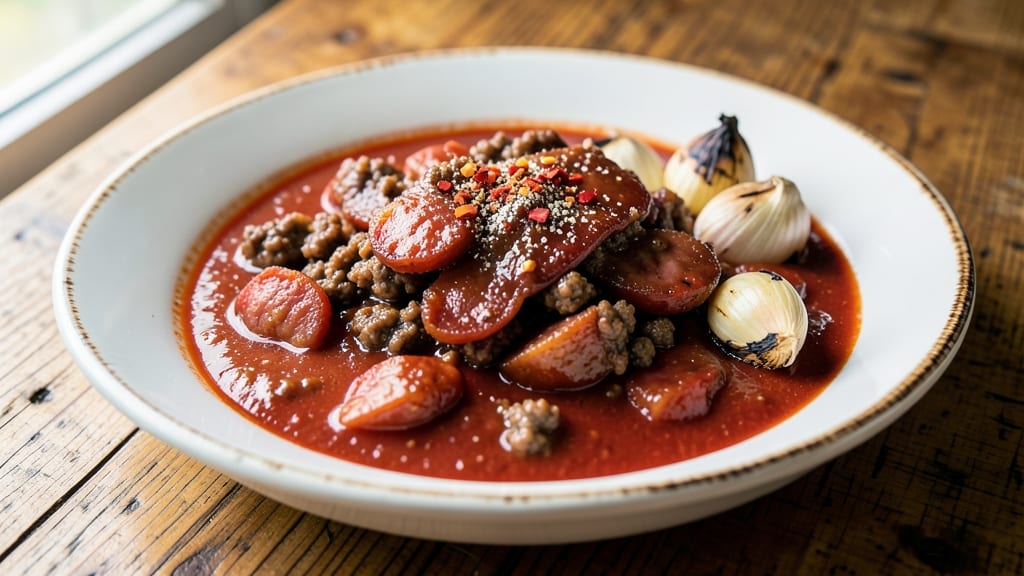
This arrabbiata meat sauce recipe delivers bold, spicy tomato heat with perfectly tender meat bites that cling to every strand of pasta. 🔥 The secret lies in slow-cooked ground beef or Italian sausage simmered in a rich tomato base, where red pepper flakes infuse just enough heat to wake up your taste buds without overwhelming.
I've perfected this version over years of Italian cooking, balancing acidity and richness for a sauce that's restaurant-quality at home.
The process starts with browning the meat until deeply caramelized—this develops the deep, savory foundation that makes all the difference. Then comes the garlic, toasted just until fragrant but never bitter, followed by canned tomatoes and a touch of sugar to balance the acidity.
Red pepper flakes add the signature kick, but you can adjust to taste. The sauce simmers low and slow, allowing all the flavors to meld into something complex and irresistible.
What you'll end up with is a vibrant, slightly chunky sauce with tender meat pieces suspended in a perfect balance of spicy, tangy, and rich tomato flavors. The aroma alone will have everyone gathering at the table, and each bite delivers that satisfying combination of textures and heat.
This isn't just a sauce—it's a complete meal experience that transforms simple pasta into something extraordinary.
Serve over al dente spaghetti or penne, topped with fresh basil and grated Parmesan for that final touch of brightness. The sauce tastes even better the next day, making it perfect for meal prep or feeding a crowd. Let's get cooking—your taste buds will thank you.
Ingredients for arrabbiata meat sauce
The perfect arrabbiata sauce needs just these ingredients for bold, spicy tomato heat with tender meat bites.
| Ingredient | Amount | Notes |
|---|---|---|
| Ground Beef 🥩 | 1 ½ lb | 80% lean, finely ground |
| Italian Sweet Sausage 🌭 | 1 lb | Casings removed, crumbled |
| Garlic Cloves 🧄 | 6 cloves | Fresh, peeled, minced |
| Canned Crushed Tomatoes 🍅 | 2 cups | San Marzano preferred |
| Red Pepper Flakes 🌶️ | 1 tbsp | Adjust for heat preference |
| Granulated Sugar 🍚 | 1 tbsp | Balances acidity |
| Extra-Virgin Olive Oil 🫒 | 2 tbsp | For browning meat |
| Dried Oregano 🌿 | 1 tsp | Italian preferred |
| Salt 🧂 | 1 ½ tsp | Kosher or sea salt |
| Black Pepper 🌶️ | ½ tsp | Freshly ground |
| Fresh Basil Leaves 🌿 | ¼ cup | Chopped, for garnish |
| Parmesan Cheese 🧀 | ½ cup | Freshly grated |
| Spaghetti 🍝 | 1 lb | For serving |
| Dried Bay Leaves 🌿 | 2 whole | Optional, for depth |
The meat is where it all starts. Ground beef gives you that classic arrabbiata texture, but Italian sausage adds depth and a little extra richness. I always grab the 80% lean beef from the store's butcher section—it browns better than pre-packaged. For the sausage, Trader Joe's has the best casings-removed variety, but any good Italian sweet sausage works. Look for good marbling in the beef—it's what gives that deep, caramelized flavor when you brown it. If you can't find San Marzano tomatoes, Muir Glen is a solid backup, but nothing beats the sweetness and acid balance of the real thing.
No red pepper flakes? Crushed dried chili or cayenne works in a pinch, but you'll need about half the amount. The garlic should be fresh—roasted garlic adds a different depth, but minced raw is classic. If you're short on basil, dried oregano at half the amount gets you close, but fresh basil is worth the extra minute to chop. The sugar might seem odd, but it's essential—it cuts through the acidity of the tomatoes and balances the heat. Brown sugar works too, but white granulated is more neutral. For the olive oil, Californian extra-virgin has a nice fruity note that pairs well with the tomatoes.
This sauce tastes even better the next day—make extra for lunches. Store it in the fridge for up to 5 days or freeze for 3 months. I always portion mine into glass jars so I can grab it straight from the fridge. The Parmesan and basil are best added fresh when serving, but you can toss a little in while cooking if you're really eager. If you're prepping ahead, just skip the garlic until the last 10 minutes of cooking—it burns fast.
Why You'll Love This Recipe
- One-Pan Magic: I swear by this recipe when I’m too tired to scrub pots—just brown the meat, toss in the tomatoes and spices, and let it simmer. The crushed tomatoes handle all the heavy lifting while I sip wine and pretend I’m not cooking.
- Spicy-Sweet Balance: That first bite? The sausage’s smoky depth meets the tomatoes’ tang, and the red pepper flakes add just enough heat to wake up your taste buds without scorching them. Honestly, the flavor builds in layers—simple, but ridiculously satisfying.
- Leftovers That Beg for More: This sauce freezes like a dream, so I make a double batch and stash it for lazy nights. Reheat it with a splash of water, and it tastes like you just cooked it—no sad, rubbery texture here.
- Budget-Friendly Powerhouse: Ground beef and canned tomatoes stretch into a meal that feeds four for under $10. Between us, this is my go-to when grocery money’s tight but I still want something that feels special. (Yes, even on a Tuesday night.)
Step-by-step instructions for arrabbiata meat sauce
Here's how to build a rich, spicy tomato sauce with perfectly tender meat bites.
🔥 Step 1: Brown the Meat for Maximum Flavor
Heat a large Dutch oven over medium-high heat and add 2 tablespoons extra-virgin olive oil. Working in batches to avoid crowding, add the 1.5 pounds ground beef and 1 pound Italian sweet sausage, breaking them apart with a wooden spoon.
Cook undisturbed for 3-4 minutes until the meat loses its raw color and begins to brown. This initial sear develops deep, meaty flavors that form the sauce's foundation. Use a slotted spoon to transfer the browned meat to a plate and set aside, leaving all the rendered fat in the pot.
Real talk: Don't rush this step. You'll know it's ready when the meat releases easily from the pan and the bottom has a good layer of browned bits (fond). These bits pack serious flavor—don't wipe them out!
🍳 Step 2: Sauté Aromatics Until Fragrant
In the same pot with the rendered fat, add the 6 minced garlic cloves and cook over medium heat for 30-45 seconds until fragrant but not browned. Garlic burns quickly, so keep an eye on it—you want that sweet, pungent aroma, not bitter smoke.
Add the 2 whole dried bay leaves (if using), 1 teaspoon dried oregano, 1 tablespoon red pepper flakes, 1.5 teaspoons salt, and 0.5 teaspoon black pepper. Stir for 30 seconds to toast the spices and let their aromas develop. This is where the sauce starts building its signature spicy, herby character.
Here's the thing—if you're sensitive to heat, reduce the red pepper flakes to ½ tablespoon first. You can always add more later, but you can't take it out!
🥘 Step 3: Simmer the Sauce Until Thick and Flavorful
Return the browned meat to the pot and stir to combine. Add the 2 cups canned crushed tomatoes and 1 tablespoon granulated sugar. The sugar helps balance the acidity of the tomatoes while complementing the spicy notes. Bring everything to a gentle simmer over medium-low heat.
Partially cover the pot and let the sauce simmer for 25-30 minutes, stirring occasionally. You're looking for a sauce that coats the back of a spoon and has reduced slightly in volume. The meat should be tender but still holding its shape—this ensures those perfect bite-sized pieces in every spoonful.
If the sauce looks too thick after 20 minutes, add 2-3 tablespoons water to loosen it. The consistency should be rich but still saucy enough to cling beautifully to spaghetti.
🍽️ Step 4: Finish with Fresh Herbs and Serve
Remove the 2 dried bay leaves if you used them. Stir in the 0.25 cup chopped fresh basil leaves and cook for just 1 minute—this preserves their bright, fresh flavor. The basil should wilt slightly but still be vibrant, not mushy.
Taste and adjust seasoning if needed. I usually add a pinch more salt or a tiny bit more red pepper flakes to intensify the flavors. The sauce should be spicy, tangy, and rich with meaty depth—each bite should deliver all those complex flavors together.
To serve, toss the sauce with 1 pound cooked spaghetti and top with 0.5 cup freshly grated Parmesan cheese. The cheese adds a salty, umami finish that ties everything together. Serve immediately while the pasta is hot and the sauce is at its peak flavor!
Pro Tips For Making Arrabbiata Meat Sauce
- CRANK THE HEAT FIRST: Brown the meat and sausage in a screaming-hot pan—no lazy medium heat. I learned this the hard way after my first batch came out greasy instead of caramelized. Once the meat releases its fat, lower the flame so it cooks through without burning the garlic later.
- SMASH THAT GARLIC: Don’t just mince it—crush those cloves with the flat side of your knife first. That releases more flavor, and it won’t burn as fast when you toss it in. (Yes, even if you’re impatient like me.)
- SWEAT THE PEPPER FLAKES: Toast the red pepper flakes in the empty pan for 30 seconds before adding garlic. It deepens the heat and cuts through the richness of the sausage. Skip this, and you’ll just taste a mild afterthought.
- STIR THE TOMATOES GENTLY: Once the tomatoes hit the pan, give them a light stir—just enough to break them up. Aggressive stirring turns them into mush and makes the sauce watery. Let them simmer undisturbed for the first 10 minutes. (Your future self will thank you.)
Troubleshooting this dish
Sauce Too Thin?
If your arrabbiata sauce is too watery after simmering, don't panic. The key is to reduce it properly—simmer uncovered over medium-low heat for an additional 10-15 minutes, stirring occasionally.
For faster results, mash 1-2 unpeeled garlic cloves directly into the sauce (peels first) and let it steep for 5 minutes—the natural pectin helps thicken. Alternatively, mix 1 tablespoon cornstarch with 2 tablespoons water, stir into the sauce, and simmer for 2 minutes until thickened. 🍲
Meat Overcooked?
If your meat turns out rubbery, you likely simmered too long. The ideal texture is tender but still holding its shape—this takes about 25-30 minutes total cooking time after browning. For next time, remove the meat after 20 minutes of simmering, then return it just before serving.
If you're short on time, use ground turkey instead—it cooks faster and stays juicier. 🥩
Heat Too Overwhelming?
Too much spice? The red pepper flakes are the culprit, but you can fix it. Stir in 1 tablespoon heavy cream or 1 teaspoon honey to mellow the heat while adding richness.
For a more traditional approach, add ½ cup tomato paste and simmer for 5 minutes—the extra acidity and body help balance the spice. If you prefer milder heat, reduce the flakes to ½ teaspoon next time. 🌶️
Sauce Too Acidic?
Canned tomatoes can sometimes make the sauce taste sharp. Balance the acidity by adding 1 teaspoon sugar or ½ teaspoon baking soda (just a pinch!) to neutralize the tang.
For a deeper flavor, stir in 1 tablespoon tomato paste and simmer for 3 minutes. If you're prepping ahead, let the sauce sit overnight—the flavors mellow naturally. 🍅
Garlic Burning?
Garlic burns faster than you think! To prevent bitterness, cook it over medium-low heat for no more than 30 seconds after adding. For extra flavor without the burn risk, use roasted garlic (peeled and minced) instead.
If your garlic does burn, remove the pot from heat immediately and stir in 1 teaspoon lemon juice to cut the bitterness. 🧄
Pasta Too Dry?
If your spaghetti absorbs too much sauce, toss it with 1 tablespoon olive oil before adding the sauce—this creates a protective layer. For extra moisture, stir 2 tablespoons pasta water into the sauce before tossing.
If the sauce is too thick, thin it with 1-2 tablespoons water or broth before serving. Serve with a side of garlic bread to soak up any extra sauce. 🍝
Nutrition facts
Frequently asked questions
Can I use chicken instead of beef or sausage?
For a lighter version, try ground chicken thighs or even diced chicken breast cut into small pieces. The key is to brown the chicken thoroughly first—it releases less fat than beef, so you may need to add 1 tablespoon olive oil to help it brown. Cook it for 5-6 minutes until fully done before adding other ingredients.
How do I make this sauce less spicy?
Start by reducing the red pepper flakes to ½ teaspoon instead of 1 tablespoon. If it's already made, stir in 1 tablespoon heavy cream or ½ cup tomato paste to mellow the heat. For a milder version, you can also add 1 extra garlic clove—its natural sweetness helps balance spice.
Can I make this sauce in a slow cooker?
Yes! Brown the meat in a skillet first, then transfer everything to a 4-6 quart slow cooker. Cook on low for 4-5 hours or high for 2-3 hours, stirring occasionally. The slow cooking enhances the meat's tenderness and deepens the flavors. Just add fresh basil at the end before serving.
What's the best pasta to serve with this sauce?
Spaghetti is classic, but penne or rigatoni work beautifully too—their ridges help hold onto the meaty sauce. For extra texture, try bucatini or fettuccine. Avoid delicate pastas like angel hair, as they can get overwhelmed by the chunky meat pieces.
Can I freeze this arrabbiata sauce?
Yes! Let the sauce cool completely, then portion it into airtight containers or freezer bags. It keeps for up to 3 months. Thaw overnight in the fridge and reheat gently on the stove. For best results, add fresh basil and Parmesan just before serving.