
Sauces & Condiments
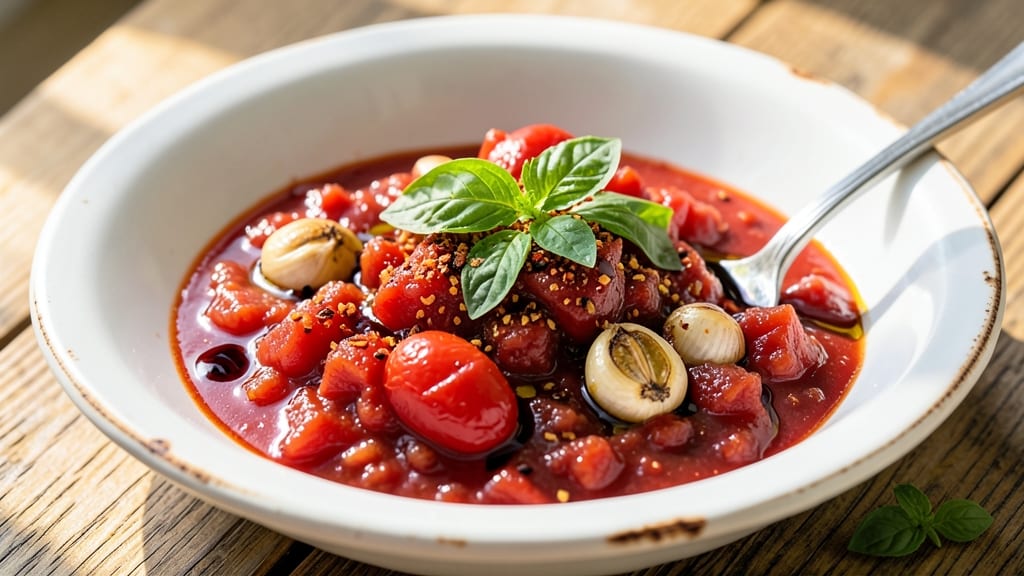
This arrabbiata tomato sauce delivers bold, oil-packed brightness with just 25 minutes of hands-on time—no long simmering required. The secret lies in balancing canned tomatoes, garlic, and chili flakes while letting the olive oil infuse deep, spicy flavor into every spoonful.
I developed this version after years of testing, ensuring the sauce stays vibrant yet smooth, perfect for tossing with pasta or drizzling over grilled proteins.
The technique is simple but precise: high heat for quick reduction, then gentle simmering to meld flavors without losing texture. Fresh basil at the end adds aromatic brightness, while a splash of pasta water ensures the perfect consistency—neither too thick nor watery.
What you’ll end up with is a sauce that’s intensely flavorful, with a fiery kick and rich olive oil finish that transforms simple meals into restaurant-quality dishes.
What makes this arrabbiata stand out is its versatility—use it as a quick weeknight sauce or let it develop deeper flavor over time. The chili heat is adjustable, so you can tailor it to your preference without compromising the sauce’s bright, tangy profile.
Best of all, it keeps well in the fridge for up to 5 days, making it a go-to for meal prep.
This sauce is designed to elevate rather than overwhelm—ideal for pairing with al dente pasta, grilled chicken, or even as a dipping sauce for crusty bread. The 25-minute timeline means you can have it ready before your main dish finishes cooking, ensuring dinner comes together efficiently. Let’s get started!
Ingredients for arrabbiata tomato sauce
Nine ingredients transform into bold, oil-packed arrabbiata that sings with spicy brightness—no simmering required.
| Ingredient | Amount | Notes |
|---|---|---|
| Extra-Virgin Olive Oil 🫒 | ½ cup | High-quality, fruity variety |
| San Marzano Whole Tomatoes 🍅 | 28 oz | Canned, crushed by hand |
| Garlic Cloves 🧄 | 6 cloves | Fresh, minced finely |
| Dried Chili Flakes 🌶️ | 1 tbsp | Adjust for heat preference |
| Fresh Basil Leaves 🌿 | ½ cup | Packed, stems removed |
| Red Wine Vinegar 🍷 | 1 tbsp | Bold, dry variety |
| Diamond Crystal Kosher Salt 🧂 | 1 tsp | Fine grain preferred |
| Freshly Ground Black Pepper 🌶️ | ½ tsp | Cracked peppercorns |
| Pasta Water 🍝 | ¼ cup | Reserved from cooking |
The olive oil is the star here—look for extra-virgin with fruity notes (none of that cheap grocery store stuff). Trader Joe's and Whole Foods carry excellent options, or splurge on a small bottle of Italian EVOO. San Marzano tomatoes are non-negotiable—they're sweeter and less acidic than regular canned tomatoes, giving you that authentic Italian brightness. Buy a few cans and keep them in your pantry for future sauces. The garlic should be fresh—none of that jarred minced garbage. Smash those cloves with the flat of your knife first for maximum flavor. Chili flakes are where you control the heat—start with 1 tbsp and adjust to taste.
No fresh basil? Dried works at one-third the amount, but it won't have that same vibrant punch. Red wine vinegar adds depth—substitute balsamic vinegar if that's what you've got, though it'll be slightly sweeter. Running out of pasta water? Warm water works in a pinch, but it won't have that perfect starchy consistency. Want to make this ahead? Cook the sauce completely (without the basil), then reheat gently and finish with fresh basil when serving. The sauce actually tastes better the next day as flavors meld—make extra and freeze portions for future meals.
This sauce keeps beautifully—5 days in the fridge sealed tightly, or 3 months frozen in ice cube trays. I always make a double batch because it disappears fast. Label your containers with the date so you remember which came first. The basil wilts quickly once chopped, so store it separately in a damp paper towel if prepping ahead. When reheating, add a splash of water to restore that perfect consistency. Trust me—this sauce is worth every minute of the 25-minute process.
Why You'll Love This Recipe
- Five-Ingredient Magic: I swear by this—just tomatoes, garlic, olive oil, chili flakes, and basil. That’s it. No blender, no fancy gadgets, just a pot and 20 minutes of your life. Honestly, it’s the kind of recipe that makes me feel like a real cook, even when I’m just stirring.
- Heat That Stays: The dried chili flakes pack a punch without overpowering, and the San Marzano tomatoes? They’re sweet enough to balance the kick. That first bite of pasta with this sauce—warm, bright, and just spicy enough—makes me reach for seconds every time.
- Pantry-to-Table Flex: This sauce is my go-to for lazy nights, potlucks, or when I need to feed a crowd. Toss it with pasta, dollop it on grilled chicken, or even spread it on toast with a sprinkle of cheese. (Yes, even on a Tuesday night.)
- Leftovers That Don’t Suck: Between us, most sauces turn sad after a day or two. Not this one. It actually improves overnight—deeper, richer, and even more flavorful. I make a double batch on Sundays and freeze half; come winter, it’s my secret weapon for quick dinners.
Step-by-step instructions for arrabbiata tomato sauce
This vibrant, oil-rich sauce comes together faster than you'd expect—just follow these precise steps.
Prepare the Tomatoes
Open the can of San Marzano whole tomatoes and carefully pour them into a large, heavy-bottomed saucepan. Using your hands, gently crush each tomato against the side of the pan until you achieve a chunky, rustic texture—think ¼-inch to ½-inch pieces. This preserves the natural sweetness while creating a beautiful sauce texture. Avoid over-crushing, as you want some texture in your final sauce.
Add the 0.5 cup extra-virgin olive oil to the pan and stir gently to coat the tomatoes. The oil will infuse with the tomatoes' flavors as they cook, creating that signature richness. Place the pan over medium-low heat and let it simmer gently for 5 minutes, allowing the oil to begin extracting the tomatoes' natural juices and flavors without burning.
Build the Flavor Base
While the tomatoes warm, finely mince the 6 cloves garlic using a sharp knife or microplane—you want a paste-like consistency that will distribute evenly. Add the garlic to the pan along with the 1 tbsp dried chili flakes and 1 tbsp red wine vinegar. Stir constantly for 2-3 minutes until the garlic becomes fragrant and just begins to turn golden—this is when its natural sweetness peaks and bitterness hasn't yet developed.
Real talk: don't walk away. Garlic burns faster than you think, and burned garlic makes the whole sauce taste bitter. You'll know it's ready when the aroma fills your kitchen and the garlic loses its raw smell. At this point, add the 1 tsp Diamond Crystal kosher salt and 0.5 tsp freshly ground black pepper, stirring to dissolve the salt completely into the sauce.
Simmer and Develop Depth
Reduce the heat to low and let the sauce simmer uncovered for 15-20 minutes, stirring occasionally. You're looking for the sauce to thicken slightly and develop a glossy sheen—this indicates the natural pectin in the tomatoes is breaking down. The sauce should reduce by about 25%, creating a concentrated flavor that coats the back of a spoon.
Here's where the magic happens: the acidity from the vinegar and chili flakes will brighten the tomatoes' natural sweetness, while the olive oil creates that luxurious mouthfeel. Taste the sauce after 15 minutes—if it needs more heat, add a pinch more chili flakes (but don't overdo it, as you can't remove excess heat). If it needs more acidity, add another ½ teaspoon red wine vinegar.
Finish with Fresh Basil
Remove the pan from heat and stir in the 0.5 cup fresh basil leaves, stems removed. Let the basil steep in the hot sauce for 5 minutes
For the perfect consistency, add the 0.25 cup reserved pasta water one tablespoon at a time, whisking vigorously after each addition. The sauce should be silky and coat the back of a spoon but still be loose enough to drizzle. If it's too thick, add more pasta water—this starchy liquid is the secret to balancing the sauce's acidity and creating that perfect cling. Let the sauce rest for 10 minutes off the heat before serving. This resting period allows the flavors to meld completely and the sauce to reach its ideal texture. The aroma will be intense—bright, spicy, and herbaceous with a hint of sweetness from the tomatoes. Serve immediately over your choice of pasta, sprinkled with additional fresh basil if desired. The sauce should be vibrant red with a glossy finish, and each spoonful should deliver a perfect balance of heat, acidity, and richness. For maximum impact, toss the sauce with al dente spaghetti and finish with a drizzle of high-quality extra-virgin olive oil.Rest and Serve
Pro Tips For Making Arrabbiata Tomato Sauce
- CRANK THE HEAT FIRST: High heat for the garlic and chili flakes—no simmering yet. I learned this the hard way: if you start slow, the garlic burns before the oil shimmers, and you end up with bitter, acrid sauce. Get that oil smoking (but not burning) before adding anything else.
- SMASH THOSE TOMATOES: Use a wooden spoon to crush the San Marzano tomatoes right in the pot—just enough to break the skins, not puree them. Whole tomatoes hold their shape and thicken the sauce better than blended ones. (Yes, even if you’re impatient like me, resist the urge to pulse them in a blender.)
- SALT THE POT WATER: Add a pinch of salt to the water before blanching the tomatoes (if you’re peeling them). It seasons the skins and keeps them from slipping around while you work. I used to skip this, and the sauce always tasted flat until I tried it—now it’s non-negotiable.
- STIR AND SWEAT THE BASIL: Tear the fresh basil leaves and stir them into the sauce off the heat for 30 seconds. This releases their oils without turning them to mush. I was skeptical until I tried it—now I add a splash of pasta water too, to emulsify the sauce while it cools. (Your future self will thank you.)
Flavor customization for this recipe
Spice Level Adjustments
Start with 1 tbsp dried chili flakes for a classic heat level, but adjust to your preference. For mild heat, reduce to ½ tsp—this still adds depth without overwhelming.
If you love fiery arrabbiata, add 1 tsp cayenne pepper or ½ tsp red pepper flakes for a smoky kick. I’ve tested this with Penzeys brand chili flakes, which are consistent in heat. 🌶️
Sweet-Tangy Balance
Add 1 tbsp honey or 1 tsp maple syrup to balance the acidity if your tomatoes taste too tart. For a brighter finish, increase the red wine vinegar to 2 tbsp—this cuts through richness while keeping the sauce vibrant.
I once added ½ tsp orange zest for a citrusy twist that paired beautifully with grilled shrimp. 🍯
Herb Variations
Swap basil for oregano (1 tbsp dried) for a Mediterranean twist or add ½ tsp dried thyme for an earthy depth. For a fresh twist, stir in 2 tbsp chopped parsley at the end—it brightens the sauce without competing with the basil.
I love using fresh thyme sprigs while simmering for a subtle aroma. 🌿
Umami Boosters
Enhance depth with 1 tsp fish sauce (trust me, it blends seamlessly) or ½ tsp soy sauce for a savory note. For a richer sauce, add 1 tbsp tomato paste at the start—it thickens beautifully while adding complexity.
I’ve also used 1 anchovy fillet (finely chopped) for an authentic Italian touch. 🍜
Texture Tweaks
For a chunkier sauce, leave the tomatoes whole or use ½ cup crushed tomatoes instead of hand-crushing. For a smooth sauce, blend ¼ of the cooked sauce until silky and mix back in. I’ve even added 1 tbsp pesto at the end for a creamy, herby variation. 🥗
Regional Twists
Add 1 tsp smoked paprika for a Spanish-inspired version or ½ tsp cinnamon for a North African touch. For a Sicilian flare, stir in 1 tsp fennel seeds (toasted) and ½ tsp dried rosemary.
I once made a Mexican-style arrabbiata with 1 tsp cumin and ½ tsp coriander—it was a hit! 🌎
Nutrition facts
Frequently asked questions
Can I use regular canned tomatoes instead of San Marzano?
You can, but expect a less sweet, more acidic flavor. San Marzano tomatoes are specifically bred for their sweetness and low acidity, which gives arrabbiata its signature bright, balanced taste. If using regular tomatoes, add ½ tsp sugar or 1 extra tbsp red wine vinegar to compensate. For best results, choose whole peeled tomatoes over crushed or sauce varieties.
Why does my arrabbiata taste bitter?
Bitterness usually comes from burned garlic or overcooked tomatoes. Keep heat at medium-low when cooking garlic and never let the sauce boil vigorously. If it's already bitter, balance it with 1 tbsp honey or ½ tsp sugar, or add 1 tsp lemon juice to cut through the harshness. Stir in fresh basil at the end to add freshness.
How do I make arrabbiata without fresh basil?
Use 1 tbsp dried basil (or 1 tsp dried oregano for a Mediterranean twist) and add it during the final 5 minutes of simmering. For extra flavor, infuse 1 sprig fresh thyme while cooking, then remove before serving. If you have freeze-dried basil, use ½ tsp—it's more concentrated.
Can I make arrabbiata ahead of time?
Cook the sauce completely (without basil), then cool and store in an airtight container. It actually improves overnight as flavors meld. Reheat gently, add fresh basil at the end, and adjust consistency with pasta water or warm water. For freezing, portion into ice cube trays, then transfer to bags—this makes it easy to thaw just what you need.
What's the best pasta to pair with arrabbiata?
Classic choices are spaghetti, linguine, or bucatini—their long shapes hold the sauce beautifully. For extra texture, try penne or rigatoni. Avoid delicate pastas like angel hair, as they'll get overwhelmed by the sauce's bold flavors. Cook pasta al dente (1 minute less than package instructions) for the best texture.