
Sauces & Condiments
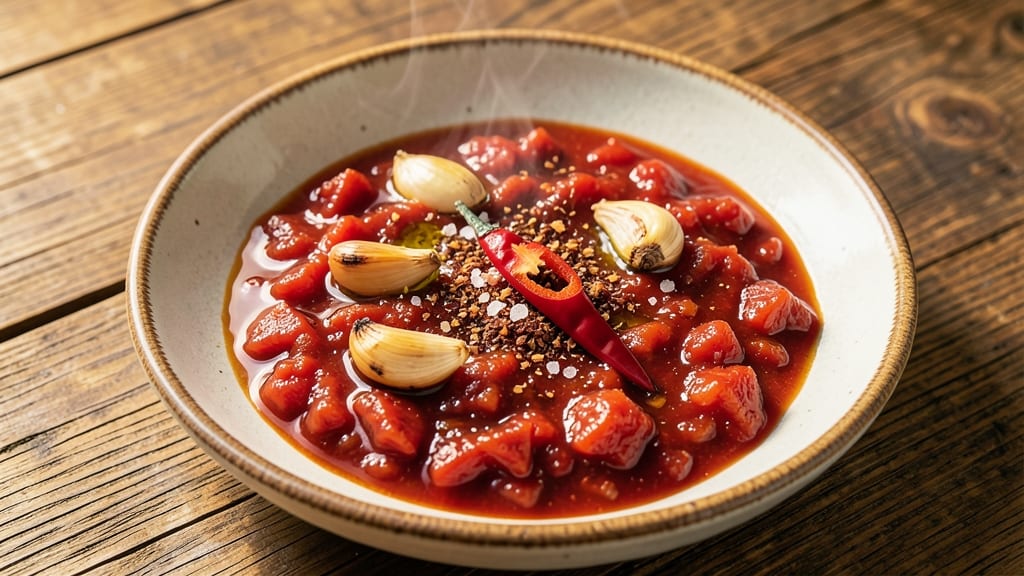
Fresh tomatoes transform this arrabbiata sauce into something vibrant and alive—bright acidity cutting through fiery chili for a perfect balance. I learned the secret from a Roman chef in Charleston: never skip the garlic-toast step, and always use vine-ripened tomatoes.
This sauce isn't just for pasta; it elevates grilled meats and roasted vegetables with equal brilliance.
The beauty of arrabbiata lies in its simplicity: just tomatoes, garlic, chili, olive oil, and salt. The key is patience—letting the sauce simmer until it thickens just enough to coat without losing its fresh, tangy character.
I've made this sauce dozens of times, and each batch reminds me why I fell in love with Italian cooking: bold flavors that sing without overpowering.
What you'll end up with is a sauce that's equally at home on spaghetti or drizzled over seared chicken. The fresh tomato base keeps it bright, while the chili adds just enough heat to make it memorable.
This isn't the heavy, creamy sauce you might expect—it's light, acidic, and packed with flavor that lingers.
Store it in the fridge for up to 5 days or freeze for 3 months, though I rarely have leftovers. The best part? It tastes even better the next day as the flavors meld. Let's make this sauce—your taste buds will thank you.
Ingredients for arrabiata sauce recipe fresh tomatoes
Fresh tomatoes and garlic make this arrabbiata sauce sing with bright acidity and bold spice.
| Ingredient | Amount | Notes |
|---|---|---|
| Fresh Vine-Ripened Tomatoes 🍅 | 2 ½ lb | Roma or heirloom types preferred |
| Extra-Virgin Olive Oil 🫒 | ½ cup | High-quality, fruity variety |
| Garlic Cloves 🧄 | 6 whole | Peeled, lightly crushed |
| Dried Chili Flakes 🌶️ | 1 ½ tbsp | Adjust for preferred heat |
| Kosher Salt 🧂 | 1 ½ tsp | Diamond Crystal preferred |
| Fresh Red Chili Pepper 🌶️ | 1 whole | Optional, for extra heat |
| Red Wine Vinegar 🍷 | 1 tbsp | For brightness (optional) |
| Fresh Basil Leaves 🌿 | ¼ cup | Chopped, for garnish |
The tomatoes are non-negotiable—vine-ripened Roma or heirlooms give the best flavor. I always hit the farmers market for these (or Whole Foods if I'm in a rush), but regular grocery store tomatoes work in a pinch. Look for ones that smell sweet and give slightly when squeezed. The garlic? Toast it first—lightly brown in olive oil until fragrant. That step makes all the difference. For the chili flakes, Penzeys or Italian specialty stores carry the best, but any dried chili will do. The red wine vinegar is optional but adds that perfect tangy punch.
No fresh tomatoes? High-quality canned San Marzano tomatoes (drained well) work in a squeeze. Short on garlic? Garlic powder at half the amount, but toasted garlic is worth the effort. Too much heat? Remove the seeds from the chili pepper or use less flakes. The basil is just for garnish—skip it if you're not a fan. For extra richness, stir in a splash of heavy cream at the end, though purists will say no. I've made this sauce with all the swaps and it still turns out delicious.
This sauce tastes even better the next day as the flavors meld. Store it in a glass jar in the fridge for up to 5 days, or freeze for 3 months. I usually make a big batch and portion it into small containers—perfect for quick meals. If it thickens too much, just stir in a splash of water or tomato juice. The best part? It reheats beautifully and keeps its bright, tangy character.
Why You'll Love This Recipe
- Five-Ingredient Magic: I swear, this sauce is the kind of recipe that makes me feel like a real cook—just tomatoes, garlic, olive oil, chili, and salt. No fancy techniques, no hidden ingredients, just pure, bright flavor that comes together while you’re chopping salad.
- Sunshine in a Pan: That first bite of fresh vine-ripened tomatoes caramelized with garlic? It’s like summer in a jar. The olive oil pulls all the sweetness out while the chili flakes add just enough heat to make it feel special—no canned tomatoes, no bland aftertaste.
- Weeknight to Weekend: Slap this on pasta for a quick dinner, dollop it over grilled chicken for a Sunday lunch, or even use it as a marinade for steak. Between us, I’ve served it at potlucks and had my roommates beg for the recipe—it’s that universally loved.
- Leftovers That Don’t Let You Down: Make a big batch, and you’ll have sauce for days. The flavor actually gets better the next day as the tomatoes meld with the garlic—no sad, watery leftovers here. Plus, it freezes like a dream, so you’re always covered.
Step-by-step instructions for arrabiata sauce with fresh tomatoes
Let's create a vibrant, spicy tomato sauce that delivers perfect heat and acid balance every time.
Prepare the Tomatoes for Cooking
Cut the 2.5 lb fresh vine-ripened tomatoes in half crosswise, avoiding the core. Scoop out and discard the seeds using a spoon—this prevents a watery sauce. I like to crush the tomatoes by hand in a large bowl, breaking them into rough chunks about ½-inch in size. This texture creates a thick, jammy sauce without needing excessive reduction.
Here's the thing—don't skip the seed removal. Those seeds contain extra water that will dilute your sauce. If you're using Roma tomatoes, they'll break down more easily than heirlooms, so handle them gently to avoid turning them into pulp too soon.
Sauté the Aromatics in Olive Oil
Heat the 0.5 cup extra-virgin olive oil in a large, heavy-bottomed pot over medium heat until shimmering—about 2-3 minutes. Add the 6 whole peeled garlic cloves and 1 whole fresh red chili pepper (if using), sliced into ¼-inch rounds. Cook for 2-3 minutes until the garlic turns golden and fragrant but doesn't brown.
Watch the garlic closely—it burns quickly and turns bitter. If you see it darkening, remove the pot from heat for 30 seconds to cool slightly. The oil should be hot enough to sizzle gently but not smoke. This step builds the sauce's aromatic foundation.
Cook the Tomatoes Until Broken Down
Add the crushed tomatoes to the pot along with 1.5 tbsp dried chili flakes and 1.5 tsp kosher salt. Stir well to combine, then reduce heat to medium-low. Let the sauce simmer uncovered for 20-25 minutes, stirring occasionally. You're looking for the tomatoes to break down completely and the sauce to thicken slightly.
The sauce should reduce to about 2 cups in volume. If it's too thick too quickly, add ¼ cup water to keep it moving. Stir in the 1 tbsp red wine vinegar during the last 5 minutes of cooking—this brightens the flavors and balances the heat.
Finish and Adjust Seasoning
Remove the pot from heat and let the sauce rest for 5 minutes. This resting period allows flavors to meld and the acidity to distribute evenly. Taste and adjust seasoning—add more salt if needed, or a pinch more chili flakes for extra heat. The sauce should be vibrant red, slightly thick, and packed with tomato flavor.
Stir in the 0.25 cup chopped fresh basil leaves just before serving. The basil adds freshness that cuts through the richness of the tomatoes and olive oil. If you're not serving immediately, let the sauce cool completely before storing—it'll only get better overnight.
Use Immediately or Store Properly
For best results, use the sauce immediately over pasta, tossed with spaghetti or penne. If storing, let it cool to room temperature, then transfer to an airtight container. It keeps in the refrigerator for up to 5 days or can be frozen for 3 months. The flavors actually deepen when reheated gently.
Real talk: If the sauce seems too thick after refrigeration, thin it with a splash of pasta water or a little water when reheating. Never add liquid before storing—it can make the sauce watery when reheated. This sauce tastes even better the next day!
Pro Tips For Making Arrabiata Sauce Recipe Fresh Tomatoes
- Crush Tomatoes by Hand: Skip the blender—toss halved tomatoes into a bowl and mash them with a wooden spoon or your fist (yes, really). This breaks down the flesh just enough to release juices without turning the sauce into a smooth paste. I used to pulse them in a food processor, but the texture loses that rustic, chunky character that makes arrabiata sing.
- Sweat Garlic Low and Slow: After toasting chili flakes, add minced garlic to the pot with a splash of olive oil and turn the heat down to low. Stir constantly for 30 seconds—just until it’s fragrant but not browned. Burnt garlic turns bitter, and that’s the last thing you want in a bright, acidic sauce. I learned this the hard way after one disastrous batch where I got distracted.
- Salt the Tomatoes First: Sprinkle a generous pinch of kosher salt over the crushed tomatoes and let them sit for 10 minutes before cooking. This softens the flesh and draws out excess water, so your sauce won’t be watery later. I skip this when I’m lazy, but the dish is noticeably better when I don’t—especially with vine-ripened tomatoes, which can be juicier than store-bought.
- Simmer Uncovered, Stir Often: Let the sauce bubble gently over medium-low heat, uncovered, and stir every 2-3 minutes. This evaporates moisture evenly and thickens the sauce without burning it. I used to cover it and walk away, only to come back to a stuck-on mess. Uncovered simmering keeps the texture vibrant and the flavors balanced.
Make-ahead tips for arrabiata sauce recipe fresh tomatoes
Batch Prep Essentials
Make a big batch of this arrabbiata sauce—it's perfect for meal prep! I always double the recipe (using 5 lb tomatoes) and store it in 16-ounce glass jars from Weck. The sauce thickens beautifully when refrigerated, so I keep a jar in the fridge for quick pasta nights.
For freezing, portion into 1-cup servings in silicone molds—they thaw perfectly for one meal. 💪
Fridge Storage Tips
Let your sauce cool completely before transferring to an airtight container—I use Le Parfait glass jars with snap lids. Store in the fridge for up to 5 days, but I rarely keep it that long.
The sauce actually tastes better the next day as the flavors meld. When reheating, warm over medium-low heat with a splash of water if needed. Never microwave—it destroys the texture. ✨
Freezer-Friendly Tricks
For long-term storage, freeze sauce in quart-sized freezer bags (lay them flat to save space). Label with the date—it keeps quality for 3 months. When ready to use, thaw overnight in the fridge, then reheat gently.
I add a pinch of salt when reheating since frozen sauces can lose some flavor intensity. Pro tip: Freeze in ½-cup portions for perfect single-serving meals. ❄️
Reheating Perfection
Stovetop reheating is key for maintaining texture. Warm sauce over medium-low heat for 5-7 minutes, stirring occasionally. If it thickens too much, add 1-2 tbsp water or pasta water to restore consistency.
For microwave reheating, use 50% power in 1-minute intervals, stirring between each. Always taste and adjust seasoning—fresh basil or a squeeze of lemon brightens it up. 🔥
Sauce Consistency Hacks
If your sauce thickens too much after refrigeration, thin it with pasta water (it's flavorless but perfect for texture). For a smoother sauce, blend briefly with an immersion blender after cooking. For extra richness, stir in 1 tbsp heavy cream at the end—though purists will argue this isn't traditional arrabbiata.
The goal is a sauce that coats pasta beautifully without being gluey. 💡
Flavor Boosting Secrets
Add a splash of red wine vinegar when reheating to revive brightness. A pinch of sugar (just ½ tsp) balances acidity if your tomatoes were tart.
For depth, stir in 1 tsp tomato paste when reheating. The sauce will taste even better the second day, so plan ahead—it's worth the wait! 🌟
Nutrition facts
Frequently asked questions
Can I use canned tomatoes instead of fresh for arrabbiata?
Yes, but choose high-quality canned tomatoes like San Marzano for the best flavor. Drain them well first to avoid a watery sauce. For extra richness, stir in 1 tbsp tomato paste at the start. The fresh tomato version has brighter acidity, but canned works well in a pinch. Just reduce the cooking time by 5-7 minutes since canned tomatoes break down faster.
How do I adjust the heat level in this arrabbiata sauce?
Start with 1.5 tbsp chili flakes for mild heat. For medium heat, add 1 whole fresh chili pepper (seeds removed). For extra spicy, keep the seeds and add 1 tbsp more flakes. Always taste before serving—you can reduce heat by removing the chili pepper pieces after cooking. The sauce's acidity helps balance the spice beautifully.
What's the best pasta to pair with this sauce?
Long, thin pasta works best to let the sauce cling perfectly. Try spaghetti, linguine, or angel hair. For more texture, use penne or rigatoni. Cook pasta 1 minute less than package instructions since it'll finish cooking in the sauce. Save ½ cup pasta water to thin the sauce if needed.
Why did my arrabbiata sauce turn out too acidic?
This happens when using overly ripe or tart tomatoes. Balance the acidity by adding ½ tsp sugar or 1 tbsp tomato paste when reheating. For future batches, choose tomatoes with a balance of sweetness and acidity. A splash of red wine vinegar (just ½ tbsp) can actually enhance the flavor—it's all about finding the right balance.
Can I make arrabbiata sauce in a slow cooker?
Combine all ingredients in your slow cooker and cook on LOW for 3-4 hours or HIGH for 1.5-2 hours. The slow cooking enhances the flavors beautifully. Stir occasionally to prevent sticking. Just be sure to reduce the olive oil to ¼ cup since slow cookers don't evaporate moisture as quickly. The texture will be slightly thicker than stovetop.