
Sauces & Condiments
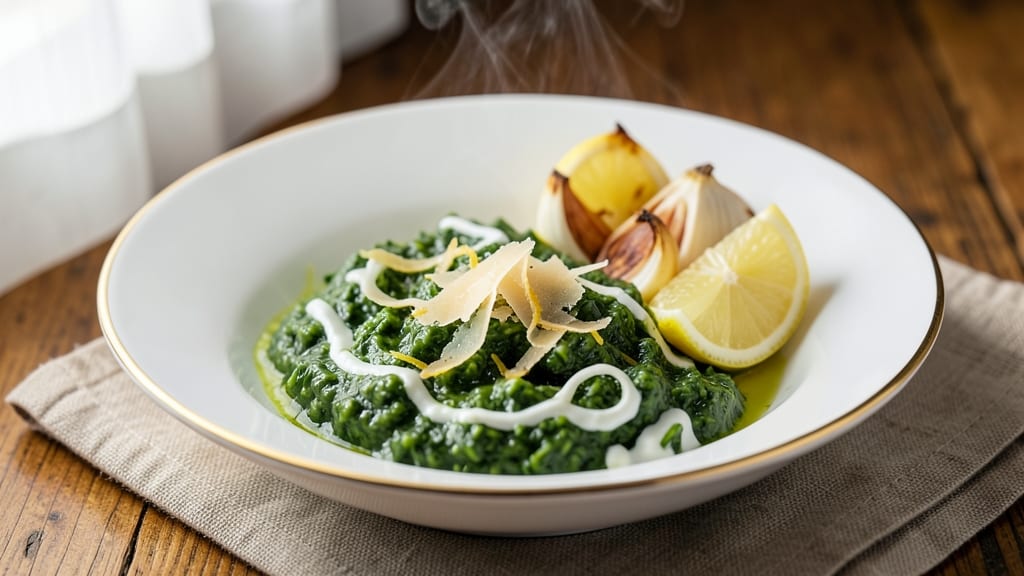
This arugula sauce recipe transforms bold, peppery greens into a silky, creamy dressing that elevates everything from salads to grilled meats. The secret lies in blending fresh arugula with garlic, lemon, and olive oil until it reaches that perfect creamy consistency—no heavy cream needed.
I developed this sauce after realizing how often I reached for store-bought versions that fell flat, and now it’s my go-to for adding fresh, vibrant flavor to any dish.
The beauty of this recipe is its versatility—it works as a zesty dressing for grain bowls, a tangy drizzle over roasted vegetables, or even a finishing sauce for pasta.
The key is balancing the arugula’s sharp bite with a touch of richness, whether from a dollop of yogurt or a sprinkle of Parmesan. It’s also incredibly quick to make, with just a handful of ingredients and minimal prep time.
What makes this sauce stand out is its creamy texture without being overly thick or heavy. The lemon brightens the peppery arugula, while the garlic adds depth, creating a flavor profile that’s both sophisticated and approachable.
It’s the kind of sauce that turns simple meals into something special—just a few minutes of blending can make all the difference.
Store any leftovers in an airtight container in the fridge for up to 3 days, though it’s best enjoyed fresh. The possibilities are endless: drizzle it over grilled chicken, toss it with farro, or use it as a dip for crusty bread. Let’s get blending!
Ingredients for arugula sauce
Eight simple ingredients create this silky, peppery sauce that transforms any dish.
| Ingredient | Amount | Notes |
|---|---|---|
| Fresh Arugula 🌿 | 3 cups | Packed, stems removed |
| Plain Greek Yogurt 🥛 | ½ cup | Full-fat for creaminess |
| Extra-Virgin Olive Oil 🫒 | ¼ cup | High-quality, fruity |
| Garlic Cloves 🧄 | 2 cloves | Peeled, roughly chopped |
| Fresh Lemon Juice 🍋 | 2 tbsp | From 1 small lemon |
| Grated Parmesan Cheese 🧀 | ¼ cup | Freshly grated preferred |
| Salt 🧂 | ½ tsp | Diamond Crystal kosher |
| Black Pepper 🌶️ | ¼ tsp | Freshly ground preferred |
Fresh arugula is non-negotiable here—wilted or yellowing leaves will make your sauce bitter. Local farmers markets or the produce section at Whole Foods usually have the freshest batches. The Greek yogurt should be full-fat for that perfect creamy texture; Fage or Siggi's are my go-tos, but any plain Greek yogurt works. If you're using Parmesan, grate it yourself—pre-grated often contains anti-caking agents that ruin the sauce's texture. For the olive oil, look for a fruity, peppery variety—something like California Early Harvest or a good Tuscan blend.
No Greek yogurt? Substitute with vegan yogurt or sour cream for a similar tang. Short on arugula? Baby spinach works in a pinch, but you'll lose some of that signature peppery kick. The sauce can be made dairy-free by swapping the yogurt for silken tofu blended with lemon juice. Fresh garlic is ideal, but garlic powder at half the amount will work if you're in a bind. For extra richness, add a dash of Dijon mustard—it balances the arugula's sharpness beautifully. If you prefer a thinner sauce, add 1-2 tbsp of water or more olive oil after blending.
This sauce is best made fresh, but it keeps well in the fridge for 3-4 days when stored in an airtight container. The texture thickens when chilled, so give it a quick stir and thin with a splash of water or olive oil before using. For longer storage, freeze in ice cube trays—thaw and blend with a splash of water to restore consistency. The sauce pairs perfectly with grilled meats, roasted vegetables, or as a vibrant dip for crusty bread. Double the recipe if you're feeding a crowd—it disappears fast!
Why You'll Love This Recipe
- No-Chop Necessary: I swear by this—just tear the arugula by hand (no knife skills required), toss it with yogurt, and pulse the garlic in a food processor. Five minutes, tops. Honestly, the mess is half the fun.
- Tangy-Creamy Magic: That lemon juice cuts through the richness of the yogurt like a breath of fresh air, while the garlic adds a punch that lingers. It’s bright, it’s bold, and it’s the kind of flavor that makes you reach for seconds without thinking.
- Dresses Everything: Drizzle it over grilled chicken, toss it with pasta, or slather it on a sandwich—this sauce is my secret weapon for turning simple meals into something special. (Yes, even on a Tuesday night.)
- Pantry-Friendly Leftovers: The yogurt thickens beautifully when stored, and the lemon keeps it fresh for days. I make a big batch on Sundays and use it all week—no waste, no fuss. Budget win.
Step-by-step instructions for arugula sauce
Here's the method for balancing peppery arugula with rich creaminess—every step ensures perfect texture and flavor.
Prepare the Arugula Base
Place the 3 cups fresh arugula (packed, stems removed) in a food processor fitted with the metal blade. Pulse in 5-second bursts until the leaves are finely chopped but not turned into a paste. You want a texture that's finely minced but still retains some visible leaf structure—this prevents the sauce from becoming too thick and pasty.
Wipe out any excess greens from the sides of the food processor with a damp paper towel. This ensures your sauce stays vibrant, not dull, from accumulated chlorophyll. The arugula should look like confetti at this stage—bright green with no large chunks remaining.
Add Garlic and Olive Oil
Add the 2 peeled garlic cloves (roughly chopped) and 0.25 cup extra-virgin olive oil to the food processor. Pulse again in 3-second bursts until the garlic is finely minced but still visible. Over-processing releases bitter compounds from the garlic, so stop before it becomes a smooth paste.
Taste the mixture at this point—you should notice the peppery kick of the arugula and the subtle sweetness of the garlic. This is your flavor foundation. The olive oil should coat the arugula evenly, creating a smooth base without separating. If it looks too dry, add 1 teaspoon more olive oil and pulse briefly to combine.
Incorporate Creamy Elements
Transfer the arugula mixture to a medium bowl. Add the 0.5 cup plain Greek yogurt, 2 tablespoons fresh lemon juice, 0.25 cup grated Parmesan cheese, 0.5 teaspoon salt, and 0.25 teaspoon black pepper. Using a silicone spatula, gently fold everything together until fully combined and smooth.
This is where the magic happens—the yogurt provides creaminess while the lemon juice brightens the flavors. The Parmesan adds depth, and the salt and pepper balance the peppery arugula. Fold just until no streaks remain, being careful not to overmix, which can make the sauce grainy. The texture should be thick but still pourable, like a luxurious dressing.
Adjust Consistency and Flavor
Taste the sauce and adjust seasoning if needed. If it's too thick, thin it with 1-2 tablespoons water or lemon juice until it reaches a creamy, spoonable consistency. If it's too thin, let it sit at room temperature for 5 minutes—the yogurt will naturally thicken slightly. You want a sauce that clings to pasta or coats proteins beautifully without being gluey.
For extra richness, add 1 more tablespoon olive oil and mix well. The sauce should have a vibrant green color with a smooth, velvety texture. If you're using it immediately, it's ready to go. For best flavor, let it rest at room temperature for 10 minutes before serving—this allows the ingredients to meld completely.
Serve Immediately or Store Properly
Serve the arugula sauce immediately over hot pasta, drizzled over grilled chicken, or spooned alongside seared fish. The contrast of warm protein with cool, peppery sauce creates an unforgettable dining experience. If storing, transfer to an airtight container and refrigerate for up to 3 days. Before serving, give it a quick whisk or stir to restore its creamy texture.
This sauce works equally well as a dip for crusty bread or a vibrant topping for avocado toast. The key to its success lies in the balance—peppery arugula meets creamy yogurt, bright lemon cuts through the richness, and the Parmesan adds that final umami touch. Every bite should deliver a harmonious blend of textures and flavors.
Pro Tips For Making Arugula Sauce
- Pulse the Garlic: Use a mortar and pestle or small food processor instead of mincing raw garlic—it releases more flavor without turning bitter. I learned this the hard way after a batch tasted harsh and overpowering.
- Dry the Arugula: Pat the leaves thoroughly with paper towels before blending—wet arugula makes the sauce watery and dull. Sounds fussy, but it’s the thing that matters most for a thick, vibrant texture.
- Skip the Blender: Chop the arugula by hand with a sharp knife and fold it into the yogurt mixture—it keeps the sauce brighter and avoids the slimy texture a blender can create. (Yes, even if you’re impatient like me.)
- Add Oil Last: Drizzle the olive oil in at the end and whisk it in gently—adding it early can break the yogurt’s emulsion and make the sauce split. This isn’t the prettiest method, but it works every time.
Dietary considerations for this arugula sauce
Gluten-Free Friendly
The original recipe is naturally gluten-free since it relies on fresh arugula, olive oil, lemon, and dairy-based ingredients. However, always double-check your Greek yogurt and Parmesan cheese labels to ensure they're certified gluten-free.
Brands like Fage Plain Greek Yogurt and Kraft Grated Parmesan are typically safe, but cross-contamination can occur in shared facilities. For extra caution, opt for certified gluten-free dairy products from stores like Whole Foods or Trader Joe's. 🌱
Dairy-Free Adaptation
To make this sauce dairy-free, replace the ½ cup Greek yogurt with ½ cup silken tofu blended with 1 tablespoon lemon juice. The tofu mimics the creamy texture while keeping the sauce cohesive.
For the ¼ cup Parmesan, use nutritional yeast (¼ cup) for a cheesy flavor, or omit it entirely if you prefer. The sauce will still deliver that peppery punch but with a lighter, plant-based profile.
Store the dairy-free version in an airtight container for up to 3 days—it holds up well in the fridge. 🥛
Vegan Options
For a fully vegan version, skip the yogurt and Parmesan entirely. Instead, blend ½ cup raw cashews (soaked for 2 hours) with 2 tablespoons water until smooth, then mix with the arugula, olive oil, lemon juice, salt, and pepper.
The cashews add creaminess without dairy. Alternatively, use ½ cup coconut yogurt (unsweetened) for a tangy twist. The sauce will have a slightly nuttier flavor but still retain its vibrant green color and peppery kick. 🌿
Low-Fat Modifications
If you're watching fat intake, reduce the olive oil to just 2 tablespoons and use nonfat Greek yogurt instead of full-fat. The sauce will still taste rich due to the arugula's natural oils, but the overall fat content drops significantly.
For extra flavor without extra calories, add 1 teaspoon capers or a pinch of smoked paprika—both enhance depth without adding fat. The texture will be lighter but still creamy, perfect for drizzling over grilled vegetables or salads. ⚡
Nut-Free Considerations
While the original recipe is nut-free, if you're serving it to someone with nut allergies, avoid any substitutions involving cashews or almonds. Stick to the original ingredients or use the dairy-free tofu blend instead.
Always label your sauce clearly if sharing with others, as cross-contamination can occur during preparation. For added safety, prepare the sauce in a nut-free kitchen or use dedicated utensils and surfaces. 💡
Nutrition facts
Frequently asked questions
Can I make this sauce without a food processor?
For a handheld approach, finely chop 3 cups arugula with kitchen shears or a sharp knife until it resembles confetti. Then, use a mortar and pestle to crush 2 garlic cloves into a paste. Mix everything in a bowl with the remaining ingredients, using a whisk or fork to blend thoroughly. The texture will be slightly chunkier but still delicious—just give it an extra 10-second blend with an immersion blender if you prefer smoothness.
How do I prevent the sauce from turning bitter?
Bitter flavors come from over-processing the arugula or using wilted greens. Always start with fresh, crisp arugula (no yellowing leaves) and pulse in 5-second bursts—never blend continuously. The moment the arugula turns dark green and pasty, stop! For extra insurance, add ½ teaspoon sugar or 1 tablespoon honey to balance bitterness. The yogurt and lemon juice also help neutralize any harsh notes.
Can I use this sauce on hot dishes like pizza?
Yes, but add it after baking to preserve its vibrant color and creamy texture. The heat will cause the yogurt to separate slightly, so mix it with 1 tablespoon olive oil before drizzling. For pizza, spread a thin layer on cooled slices—it pairs perfectly with grilled chicken or roasted vegetables. Avoid adding it directly to the oven, as the high heat will break down the sauce's delicate structure.
What's the best way to store leftovers?
Transfer the sauce to an airtight container and refrigerate for up to 3 days. The texture thickens when chilled, so stir in 1-2 teaspoons water or lemon juice before using. For longer storage, freeze in 1-tablespoon portions in ice cube trays—thaw and whisk with a splash of water to restore consistency. Never refreeze thawed sauce, as it loses its creamy quality.
Can I make this sauce spicier?
Add ½ teaspoon red pepper flakes or 1 chopped jalapeño (seeds removed) while blending the arugula. For smoky heat, stir in ½ teaspoon smoked paprika after mixing. Start with small amounts—arugula's natural pepperiness amplifies spice. Taste as you go and adjust to your preferred heat level.