
Sauces & Condiments
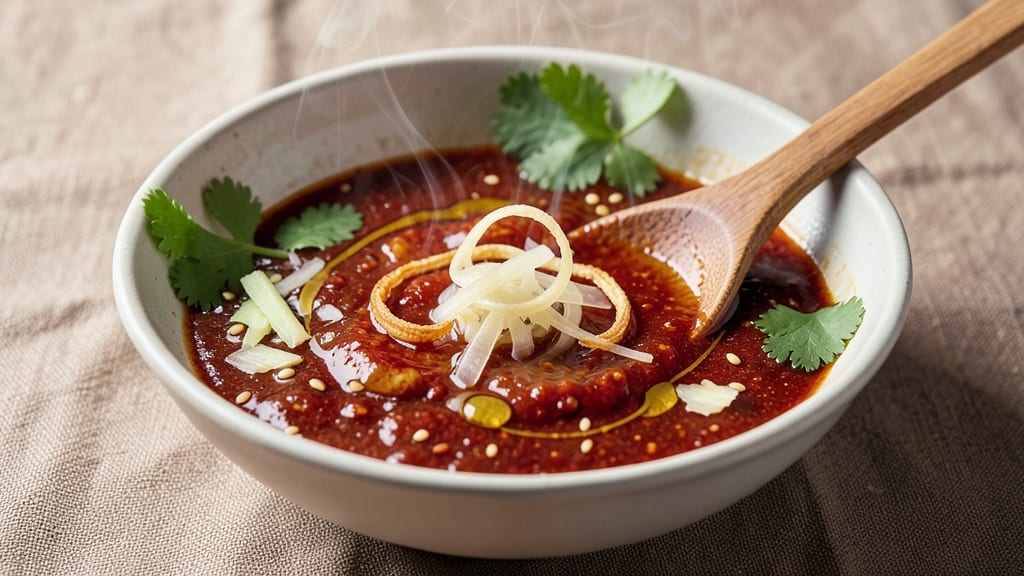
This Asian BBQ wing sauce recipe delivers the perfect balance of sweet, spicy, and umami that transforms ordinary wings into restaurant-quality masterpieces. 🔥 After years of perfecting my own versions, I've developed a sauce that's sticky, aromatic, and packed with layers of flavor—no artificial ingredients required. The secret lies in the vinegar kick that cuts through the richness while enhancing the caramelized depth.
The foundation is a simple blend of soy sauce, hoisin, and chili paste, which creates that signature Asian BBQ profile. I add honey for natural sweetness and fresh ginger for brightness, then let the sauce simmer until it thickens into a glossy, velvety consistency.
This isn't just another sweet glaze—it's a complex sauce where each ingredient plays a crucial role in building flavor.
What you'll end up with is a sauce that's perfect for tossing wings, drizzling over rice bowls, or even using as a marinade.
The umami from the soy and hoisin pairs beautifully with the heat from the chili paste, while the vinegar adds that signature tang that keeps the sauce from being too heavy.
It's the kind of sauce that makes you want to make a double batch—trust me, you'll go through it quickly.
Best of all, this sauce keeps well in the refrigerator for up to two weeks, so you can make a big batch and have it ready whenever the craving hits.
Whether you're grilling wings for a game day crowd or just want to elevate your takeout-style meals at home, this recipe is your secret weapon. Let's get started!
Ingredients for asian bbq wing sauce
Nine ingredients, maximum flavor—this sauce transforms wings into addictive masterpieces.
| Ingredient | Amount | Notes |
|---|---|---|
| Soy Sauce 🍶 | ½ cup | High-quality, preferably Japanese |
| Hoisin Sauce 🥘 | ¼ cup | For authentic umami depth |
| Rice Vinegar 🍶 | ¼ cup | White or seasoned variety |
| Honey 🍯 | ¼ cup | Wildflower preferred |
| Gochujang Chili Paste 🌶️ | ¼ cup | Korean fermented chili |
| Fresh Ginger 🧄 | 2 tbsp | Finely grated, aromatic |
| Garlic Cloves 🧄 | 3 cloves | Minced, aromatic punch |
| Sesame Oil 🫒 | 1 tbsp | Toasted for nutty flavor |
| Toasted Sesame Seeds 🌰 | 1 tbsp | For garnish and crunch |
| Water 💧 | ¼ cup | For thinning consistency |
The soy sauce and hoisin are your flavor anchors—Kikkoman soy and Lee Kum Kee hoisin are my go-tos, but any quality brands work. Rice vinegar is non-negotiable for that signature tang (sub apple cider if you're desperate). Gochujang gives it that deep, fermented heat—Maesil brand is my favorite, but any Korean market will have it. Fresh ginger and garlic? Always fresh—dried just won't cut it here. Toast your sesame seeds in a dry pan for 30 seconds before adding—they'll taste 10x better.
No gochujang? Sriracha plus a dash of miso gets you close, though it won't be quite the same. Hoisin shortage? Mix 1 tbsp soy sauce + 1 tsp sugar + pinch of five-spice. Vegan? Skip the honey and use maple syrup instead (same amount). Too thick? Add water 1 tbsp at a time—this sauce should coat a spoon like syrup. Too thin? Simmer uncovered for 3-5 minutes to reduce. Pro tip: Double the batch—you'll want leftovers for everything from rice bowls to stir-fries.
This sauce keeps 2 weeks in the fridge, sealed tight. Freeze in ice cube trays for perfect single-use portions. The longer it sits, the better it gets—flavors meld like magic. Store sesame seeds separately and toast fresh before using. No leftovers? No worries—it reheats beautifully. Game day hack: Make it the night before and let it sit overnight for maximum depth of flavor—trust me, you'll notice the difference.
Why You'll Love This Recipe
- Pantry Magic: Honestly, I never buy bottled sauce again after this. Five ingredients—soy, hoisin, vinegar, honey, and gochujang—and you’ve got a sauce that tastes like it simmered for hours. No fancy prep, just stir and taste.
- Sweet-Spicy Balance: That honey-gochujang combo? It’s dangerously addictive. The gochujang gives it a deep, fermented heat, while the honey cuts through it like a perfect contrast. My picky-eater husband now asks for seconds—proof it works.
- Game for Any Occasion: Use it on wings, toss it in stir-fries, or drizzle it over rice bowls. I’ve even used it as a glaze for tofu when I’m craving something quick. The sauce keeps well, so I make a big batch and let it shine in different ways.
- Budget Stretch: Between us, this sauce costs pennies to make. A little goes a long way, and the leftovers last for days. I’ve fed a crowd with just one jar of hoisin and a bottle of soy—no wasted ingredients, just pure flavor.
Step-by-step instructions for Asian BBQ wing sauce
This sauce is where the magic happens—bold, sticky, and packed with layers of flavor!
🍳 Step 1: Bloom the Aromatics in Sesame Oil
Heat a small saucepan over medium-low heat and add the 1 tablespoon sesame oil. Once it shimmers gently, add the 3 minced garlic cloves and 2 tablespoons finely grated fresh ginger. Cook for 1-2 minutes until fragrant—you’ll smell that nutty garlic aroma and see the ginger soften slightly. This step unlocks the foundation of flavor, so don’t rush it!
Watch closely—if the garlic starts to brown too quickly, reduce the heat. You want it aromatic, not burnt. The sesame oil carries these flavors deep into the sauce, so let it work its magic here. Once fragrant, remove the pan from heat and set aside for now.
🥘 Step 2: Combine Wet Ingredients for a Glossy Base
In a medium bowl, whisk together the 0.5 cup soy sauce, 0.25 cup hoisin sauce, 0.25 cup rice vinegar, 0.25 cup honey, and 0.25 cup gochujang chili paste. Stir until completely smooth—this is where the sauce’s signature balance of sweet, tangy, and spicy comes together. The rice vinegar adds that bright, hidden kick that makes this sauce stand out!
Here’s the thing—don’t skip the whisking. You want every ingredient fully incorporated so the sauce coats evenly. If the mixture looks too thick, add 1-2 tablespoons of the water to loosen it slightly. The goal is a smooth, pourable consistency that will cling beautifully to wings.
🍳 Step 3: Merge and Simmer for Depth of Flavor
Return the saucepan with the aromatic sesame oil mixture to medium heat. Pour in the wet ingredients and stir constantly for 3-4 minutes until the sauce begins to bubble gently. This is where the magic thickens—you’ll see it transform from a loose mixture into a glossy, syrupy sauce.
Let it simmer for another 2-3 minutes until it reduces slightly and coats the back of a spoon. Taste it now—it should be balanced with sweetness from the honey, tang from the vinegar, and a slow-building heat from the gochujang. If it’s too thick, add the remaining 0.25 cup water to reach your desired consistency.
⏰ Step 4: Finish with Toasted Sesame Seeds
Remove the sauce from heat and stir in the 1 tablespoon toasted sesame seeds. These add a nutty crunch and visual appeal that elevates the sauce from good to restaurant-quality. Let the sauce sit for 5 minutes to thicken slightly—this resting time allows the flavors to meld even more.
Here’s a pro tip: If you’re using this sauce immediately, give it a final taste and adjust with a pinch more soy sauce for saltiness or a drizzle of honey for sweetness. The sauce should be sticky, glossy, and ready to transform your wings into finger-licking perfection!
Pro Tips For Making Asian Bbq Wing Sauce
- STIR LOW AND SLOW: Simmer this sauce on medium-low heat—high heat turns it grainy and separates the honey and vinegar. I learned this the hard way after making a sticky mess that needed whisking back together. Keep it moving gently, even if it looks like nothing’s happening.
- WHISK IN THE GOCHUJANG FIRST: Mix the gochujang into the warm oil or wet ingredients first—it dissolves better and prevents clumps. Cold gochujang just sits there like a stubborn lump, no matter how much you stir. Trust me, this is the thing that matters most for a smooth sauce.
- SALT THE SOY SAUCE: If using unsalted soy sauce, add a pinch of salt—hoisin and gochujang already pack sodium. I used to skip this and ended up with wings that tasted flat, even after glaze. Balance is everything, especially with sweet-and-spicy flavors.
- SWAP HONEY FOR MAPLE: Need a shortcut? Swap half the honey for maple syrup—it caramelizes faster and adds depth without overpowering the vinegar’s tang. I was skeptical until I tried it; now it’s my go-to when I’m in a rush but still want that sticky-sweet finish.
Perfect pairings for this asian bbq wing sauce
Wings Pairing
This sauce is a game-changer for Asian-style BBQ wings—I guarantee it. Toss 2 lbs of wings (drumettes and flats) in a mix of 1 tbsp cornstarch and 1 tsp salt before baking at 400°F for 40 minutes.
Brush with sauce in the last 10 minutes for a glossy finish. For extra crispiness, finish under the broiler for 2-3 minutes. 🔥
Pro tip: Double the sauce batch—it’s perfect for glazing ribs, marinating tofu, or drizzling over noodles. I’ve even used it as a dipping sauce for spring rolls. The umami depth makes it incredibly versatile beyond just wings.
Rice Bowl Topper
Transform simple jasmine rice into a restaurant-worthy bowl. Cook 1 cup rice and top with ½ cup sauce, sliced shredded rotisserie chicken, and quick-pickled cucumbers. Garnish with scallions and a sprinkle of crushed peanuts for texture. This combo is my go-to for quick weeknight dinners.
For extra richness, stir 1 tbsp butter into the rice while cooking. The sauce’s sweet-spicy balance cuts through the fat perfectly, balancing the dish. I often make a big batch of rice and sauce on Sundays to assemble bowls all week.
Beer Pairings
A crisp Japanese lager like Asahi Super Dry complements the sauce’s clean finish. The light, effervescent beer cuts through the sauce’s richness without overpowering its flavors. For something bolder, try a Hazy IPA—the citrus notes in the beer mirror the sauce’s vinegar tang.
Avoid heavy stouts or dark ales, which can clash with the sauce’s brightness. I keep a six-pack of Sapporo in my fridge specifically for wing nights—it’s the perfect palate cleanser between bites. For non-alcoholic options, sparkling yuzu soda adds a refreshing contrast.
Garnish Ideas
Fresh cilantro and green onions add a bright, herbaceous note that balances the sauce’s depth. I like to chop ¼ cup cilantro and 2 green onions and sprinkle them over wings or bowls right before serving.
For extra flair, add ¼ tsp smoked paprika to the sauce for a subtle smokiness.
Don’t overlook pickled jalapeños—their tangy crunch elevates the dish. Slice 2 jalapeños thinly, soak in ¼ cup rice vinegar with 1 tsp sugar for 15 minutes. Drain and sprinkle over the top. The contrast of textures and flavors makes every bite unforgettable.
Nutrition facts
Frequently asked questions
Can I make this sauce without gochujang?
For a close substitute, mix 2 tablespoons sriracha with 1 teaspoon miso paste to mimic gochujang's fermented depth. The heat will be more immediate, but the umami will be slightly different. Alternatively, use 1 tablespoon doubanjiang (spicy Chinese chili bean paste) for a more authentic Asian flavor profile.
How spicy is this sauce, and can I adjust it?
The sauce has a moderate heat level from the gochujang and rice vinegar, but you can easily tone it down by reducing the gochujang to 1-2 tablespoons or adding 1 extra tablespoon honey to balance. For extra heat, add ½ teaspoon cayenne pepper or 1 teaspoon chili flakes at the end. Taste as you go!
Can I use this sauce on other proteins besides wings?
This sauce is incredibly versatile! It works beautifully on chicken thighs, pork ribs, tofu, or even shrimp. For tofu, marinate it for 30 minutes before cooking, and for ribs, brush it on during the last 10 minutes of grilling. The sauce also makes an amazing dipping sauce for spring rolls or dumplings.
Why does my sauce look too thin or too thick?
If your sauce is too thin, simmer it uncovered for 3-5 minutes to reduce the liquid. For a thicker sauce, add 1 tablespoon cornstarch mixed with 1 tablespoon water and stir until it thickens. If it's too thick, thin it with 1-2 tablespoons water or rice vinegar to maintain balance. The ideal consistency should coat the back of a spoon like syrup.
How long does this sauce keep, and can I freeze it?
This sauce stays fresh in the fridge for up to 2 weeks when stored in an airtight container. For freezing, portion it into ice cube trays or small containers—it’ll keep for 3 months. Thaw overnight in the fridge before using. The flavors actually improve after 24 hours of resting, so making it a day ahead is ideal!