
Sauces & Condiments
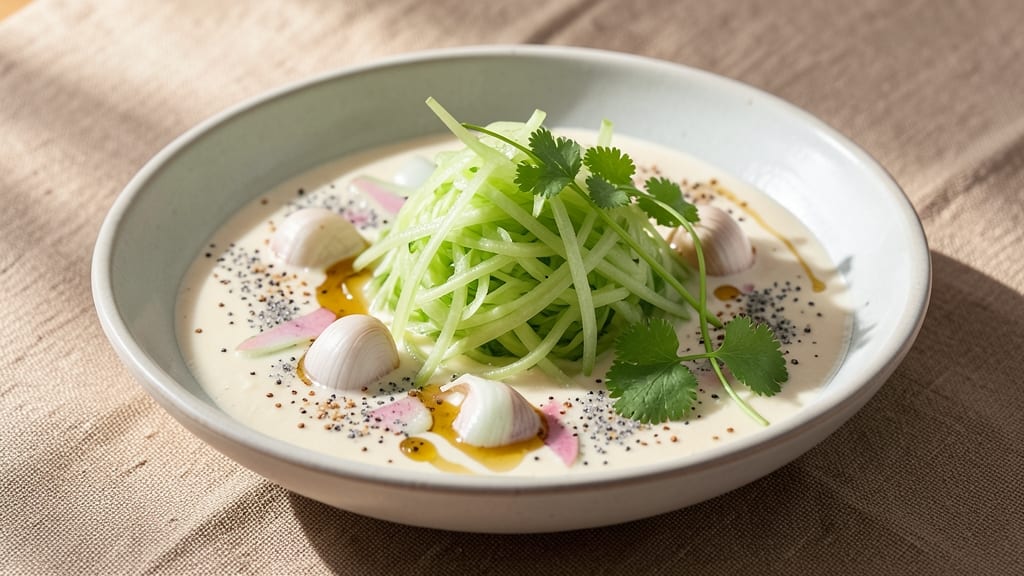
This Asian cucumber sauce recipe transforms humble cucumbers into a vibrant, cooling condiment with a celery seed zing that brightens everything it touches. The secret lies in balancing fresh cucumber with aromatic garlic, ginger, and a touch of rice vinegar—creating a sauce that’s both traditional and adaptable to modern tastes.
What makes this recipe special is its versatility: use it as a refreshing dip, a tangy salad dressing, or even a marinade for grilled meats.
The process is straightforward yet precise: finely grate cucumbers to extract their juices, then blend with garlic, ginger, and a splash of vinegar for immediate freshness. A pinch of celery seed adds depth, while a drizzle of sesame oil ties everything together.
The sauce keeps well in the fridge for up to 5 days, making it perfect for meal prep or entertaining.
What you’ll end up with is a sauce that’s cooling yet bold, with a crisp texture and layers of flavor—herbal, tangy, and subtly sweet. It’s the kind of condiment that elevates simple dishes, like grilled shrimp or fresh spring rolls, into something extraordinary.
The best part? It takes just 10 minutes to make and requires only 6 ingredients—no fancy equipment needed.
For extra heat, add a dash of chili flakes or a spoonful of gochujang. If you prefer a creamier texture, stir in a tablespoon of Greek yogurt. This sauce is a game-changer for anyone looking to add a fresh, Asian-inspired twist to their meals—without the fuss.
Ingredients for asian cucumber sauce
Six fresh ingredients transform cucumbers into a cooling, aromatic Asian-inspired sauce perfect for dipping or dressing.
| Ingredient | Amount | Notes |
|---|---|---|
| Persian Cucumbers 🥒 | 1 ½ lb | Seeded, finely grated |
| Garlic Cloves 🧄 | 4 cloves | Peeled, minced finely |
| Fresh Ginger 🌿 | 1 tbsp | Grated, packed |
| Rice Vinegar 🍶 | ¼ cup | Unseasoned, mild flavor |
| Celery Seeds 🌱 | 1 tsp | Whole, toasted lightly |
| Sesame Oil 🫒 | 1 tbsp | Toasted, for aroma |
| Sea Salt 🧂 | ½ tsp | Diamond Crystal preferred |
| Lemon Juice 🍋 | 1 tbsp | Freshly squeezed |
The cucumbers are the foundation—Persian cucumbers work best for their crisp texture and mild flavor. Look for firm, unblemished ones at Whole Foods or your local Asian market if available. Fresh ginger and garlic should be vibrant, not shriveled, and celery seeds should be whole and aromatic. Trader Joe's often carries pre-toasted sesame oil, which adds depth without the need for additional toasting. For rice vinegar, Kikkoman or Mushroom Town brands offer the right balance of acidity and mildness that won't overpower the delicate cucumber flavor. The lemon juice should come from a fresh lemon, as bottled versions often lack the bright acidity needed to balance the dish.
No rice vinegar? Apple cider vinegar or white vinegar work in a pinch, though the flavor will be slightly sharper. Substitute sesame oil with toasted peanut oil at half the amount for a different but still complementary aroma. If you're avoiding celery seeds, fennel seeds at one-third the amount provide a similar herbal note. For extra creaminess, stir in 2 tbsp Greek yogurt or coconut yogurt after blending. The sauce can be made ahead and stored in the fridge, but add the sesame oil just before serving to preserve its aromatic qualities. If you prefer a sweeter profile, add 1 tsp honey or agave nectar to the blend.
This sauce keeps beautifully in an airtight container in the fridge for up to 5 days, though the texture may soften slightly over time. For longer storage, transfer to a sealed jar and freeze for up to 3 months. Thaw in the fridge overnight before using. The sauce pairs wonderfully with grilled meats, spring rolls, or as a refreshing dip for fresh vegetables. If the sauce thickens after refrigeration, simply stir in 1-2 tbsp water or vinegar to restore the desired consistency. Always taste before serving—adjust salt or vinegar as needed to suit your preference.
Why You'll Love This Recipe
- No-Fuss Freshness: This sauce comes together in five minutes—just pulse cucumbers, garlic, and ginger in a food processor, then toss with vinegar and celery seeds. Honestly, I’ve made it while waiting for takeout to arrive, and it still beats whatever they’d serve with their dish.
- Umami-Packed Bite: That little hit of toasted celery seeds? Magic. The ginger’s sharp kick balances the crisp cucumbers, while the garlic lingers like a secret. It’s the kind of flavor that makes you reach for seconds without even thinking—especially when drizzled over grilled shrimp or cold noodles.
- Weeknight Hero: I keep a jar of this in the fridge for lazy nights: toss it with rice, stir into ramen, or slather it on sandwiches. Between us, it’s saved my dinner more times than I can count—no fancy plating, just pure, satisfying flavor that works at 6 PM or midnight.
- Budget Brightener: Persian cucumbers are cheap, and this sauce stretches like crazy. A single batch lasts me all week—dressing salads, brightening soups, or even mixed into yogurt for a tangy dip. (Yes, even on a Tuesday night.) The celery seeds add depth without costing a fortune.
Step-by-step instructions for Asian cucumber sauce
This vibrant sauce balances crisp cucumbers with aromatic spices for a refreshing condiment perfect alongside grilled meats or noodle dishes.
Prepare the Cucumber Base
Begin by seeding the 1.5 lb Persian cucumbers using a mandoline or sharp knife, removing the seeds and any fibrous core. The cucumbers should yield about 3 cups of finely grated flesh—press them firmly through a box grater or food processor fitted with a grater attachment. Transfer the grated cucumbers to a fine-mesh strainer and press gently to remove excess moisture. This step is crucial for achieving the right texture; you want the cucumbers to be dry enough to absorb flavors without becoming watery.
While the cucumbers drain, toast the 1 tsp celery seeds in a dry skillet over medium heat for 1-2 minutes until fragrant and lightly golden. This toasting enhances their nutty flavor and prevents bitterness in the final sauce. Let them cool completely before using, then grind them lightly in a mortar and pestle or spice grinder to release their oils. The seeds should resemble coarse sand when finished.
Build the Flavor Foundation
In a medium bowl, combine the drained cucumber pulp with the toasted celery seeds, 4 cloves finely minced garlic, and 1 tbsp packed grated fresh ginger. Mix thoroughly to distribute the spices evenly throughout the cucumbers. The mixture should look speckled with golden seeds and pale green cucumber strands. Add the 0.5 tsp sea salt and 1 tbsp freshly squeezed lemon juice, then stir again. The acidity from the lemon juice will help brighten the flavors and tenderize the cucumbers slightly.
Next, drizzle in the 1 tbsp toasted sesame oil and the 0.25 cup rice vinegar, mixing gently to combine. The vinegar will begin to break down the cucumber fibers, creating a smoother texture over time. Let the mixture sit at room temperature for 10 minutes—this allows the flavors to meld and the cucumbers to soften just enough to develop a silky consistency. Taste the mixture and adjust seasoning if needed, adding a pinch more salt or a splash of vinegar for balance.
Rest and Serve for Optimal Texture
After the 10-minute resting period, transfer the cucumber mixture to an airtight container and refrigerate for at least 1 hour before serving. This chilling time is essential; it allows the flavors to fully integrate and the texture to become velvety rather than grainy. The sauce should thicken slightly as it cools, achieving a spreadable consistency that clings beautifully to dishes.
When ready to serve, give the sauce one final stir to ensure even distribution of flavors. The finished sauce should have a bright, tangy profile with a subtle celery seed warmth and a delicate crunch from the cucumber strands. Serve immediately alongside grilled meats, spring rolls, or fresh summer salads, or store in the refrigerator for up to 3 days. For best results, bring the sauce to room temperature before serving to enhance its aromatic qualities.
Pro Tips For Making Asian Cucumber Sauce
- Pulse Ginger Twice: Hit the ginger with two quick pulses in the food processor—just until it breaks down, but don’t turn it into paste. Over-processing turns it bitter, and you’ll taste it in every bite. (I learned this after making sauce that tasted like a mouthful of root beer.)
- Salt Cucumbers First: Toss the Persian cucumbers with a pinch of salt and let them sit for 5 minutes before blending. This draws out excess water and keeps your sauce from turning into a thin, sad liquid. (Yes, even if you’re impatient like me.)
- Toast Celery Seeds: Dry-toast the celery seeds in a small pan over medium heat for 30 seconds until fragrant—just until they smell like a spice rack, not burnt popcorn. Skipping this step means missing that nutty depth that makes the sauce taste finished. (Your nose knows.)
- Use Cold Vinegar: Chill the rice vinegar in the fridge for 10 minutes before adding it to the sauce. Cold vinegar brightens the flavors instead of cooking them down, and the sauce stays crisp, not dull. (I was skeptical until I tried it—I now keep a bottle in the fridge for this exact reason.)
Essential equipment for perfect results
Cucumber Grater
I can't stress enough how crucial a good box grater is for this sauce. The Microplane All-In-One Grater is my go-to—it's gentle on cucumbers and produces fine, even strands without bruising.
For larger batches, a food processor with a grater attachment works wonders, but hand-grating gives you better control over texture. Avoid pre-shredded bagged cucumbers—they're waterlogged and lack freshness. 🥒
Fine-Mesh Strainer
A stainless steel fine-mesh strainer is essential for removing excess moisture from grated cucumbers. I use a OXO Good Grips colander with extra-fine holes—it's sturdy and does the job perfectly. Press the cucumbers gently but firmly to extract liquid without breaking down the fibers too much.
This step prevents a watery sauce. For extra efficiency, line your strainer with a clean kitchen towel or cheesecloth to absorb more moisture.
Toasting Pan
Celery seeds need proper toasting to develop their nutty flavor. A non-stick skillet (I love my All-Clad Stainless Steel) works best for this—it heats evenly and prevents burning. Toast seeds over medium heat for just 1-2 minutes until fragrant.
If you don't have a skillet, a lightly oiled cast-iron skillet also works well. Never skip toasting—raw celery seeds can taste bitter. For grinding, a mortar and pestle gives the best texture, but a spice grinder in a pinch works too.
Mixing Bowl
Use a medium-sized mixing bowl (I prefer Pyrex glass) for combining ingredients—it's non-reactive and easy to clean. The bowl should be wide enough to accommodate all ingredients without overcrowding. For smaller batches, a stainless steel mixing bowl works well, but glass is better for observing color changes.
Avoid plastic bowls, as they can absorb odors from previous uses. A silicon spatula helps scrape every last bit of sauce from the bowl when transferring.
Storage Containers
For short-term storage, glass airtight containers (like Le Parfait containers) are ideal—they preserve freshness and allow you to see the sauce's vibrant color. For longer storage, mason jars with tight-sealing lids work perfectly. If freezing, leave 1 inch of headspace to account for expansion.
Label containers with the date—this sauce keeps well for 5 days refrigerated or 3 months frozen. For serving, a small ceramic dish adds an elegant touch to your table presentation. 🍽️
Nutrition facts
Frequently asked questions
Can I use regular cucumbers instead of Persian cucumbers?
Yes, but Persian cucumbers are ideal because they're seedless and have thinner skins, which create a smoother sauce. If using regular cucumbers, remove all seeds and fibrous parts thoroughly, then grate extra fine. The texture will be slightly more fibrous, but the flavor remains excellent. For best results, choose firm, young cucumbers with minimal water content.
How can I make this sauce spicier?
Add a pinch of red pepper flakes or 1 tsp gochugaru (Korean chili flakes) to the sauce for mild heat. For a more intense kick, blend in 1 tbsp finely chopped Thai bird's eye chili or 1 tsp sambal oelek with the cucumber mixture. Always taste first—spicy elements can intensify during chilling.
Why does my cucumber sauce turn watery?
Excess moisture is usually from not draining the grated cucumbers properly. Always press cucumbers firmly in a fine-mesh strainer or line it with cheesecloth. For extra insurance, add 1 tsp cornstarch to the sauce after resting—it thickens without altering flavor. If the sauce separates after refrigeration, stir in 1 tsp rice vinegar to re-emulsify.
What are the best dishes to serve with this sauce?
This versatile sauce pairs beautifully with grilled meats (like pork or chicken), spring rolls, or fresh summer salads. It also works as a cooling dip for rice paper rolls or a tangy marinade for tofu skewers. The bright flavors complement spicy dishes like Thai green curry or Korean bulgogi by balancing heat.
Can I make this sauce ahead of time?
This sauce actually tastes better after 24 hours as flavors meld. Store in an airtight container in the fridge for up to 5 days. For longer storage, freeze for 3 months. Thaw overnight in the fridge—never at room temperature. Add a splash of rice vinegar when serving to revive freshness.