
Sauces & Condiments
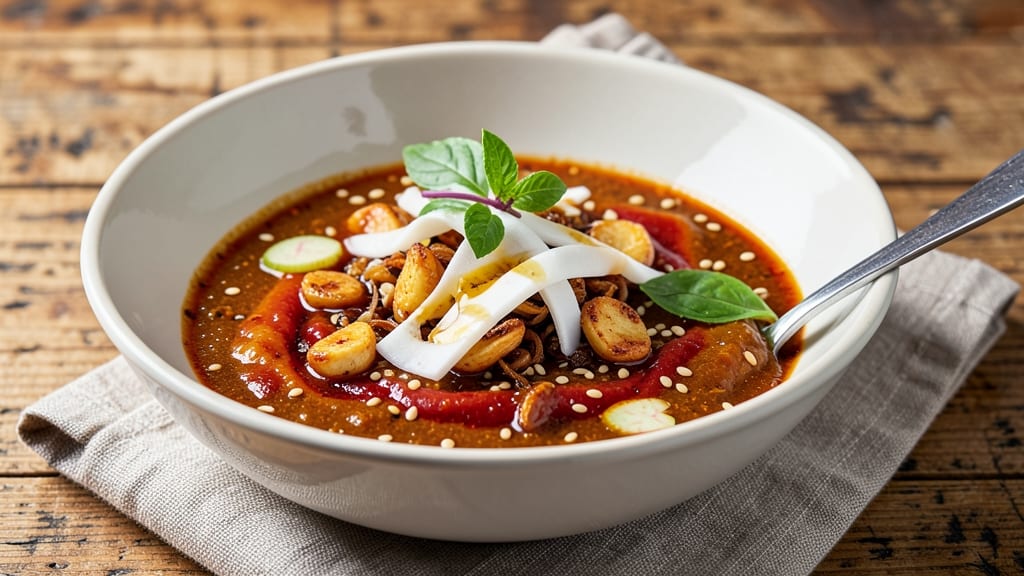
This Asian fusion sauce recipe transforms simple stir-fries and bowls into restaurant-quality meals with just a few pantry staples. The secret lies in balancing sweet, tangy, and umami flavors—soy sauce, chili paste, and coconut milk create depth while garlic and ginger add aromatic warmth.
I developed this sauce after craving that perfect harmony of bold and balanced, and it’s become my go-to for quick weeknight dinners.
The beauty of this sauce is its versatility—drizzle it over noodles, toss it with grilled proteins, or use it as a marinade for tofu. It’s also foolproof to make ahead, keeping in the fridge for up to a week or freezing for longer storage.
The ingredients are simple, but the result is anything but basic: a glossy, aromatic sauce with a bold umami kick that elevates every dish it touches.
What sets this recipe apart is how it bridges flavors—think of it as a fusion of Southeast Asian sweetness and Japanese depth. The coconut milk adds creaminess without overpowering, while the chili paste brings heat that’s easy to adjust.
Perfect for those who love complex flavors but want a recipe that’s simple enough for any night of the week.
Pair it with steamed rice, fresh herbs, and your choice of protein for a meal that feels both comforting and exciting. The sauce’s adaptability makes it a staple in my kitchen, and I’m confident it will become yours too. Let’s make it—your taste buds will thank you.
Ingredients for asian fusion sauce
Nine simple ingredients blend into a restaurant-worthy sauce that’s bold yet balanced.
| Ingredient | Amount | Notes |
|---|---|---|
| Soy Sauce 🍶 | ½ cup | Light or dark variety preferred |
| Red Curry Paste 🌶️ | 2 tbsp | Or chili garlic sauce for heat |
| Coconut Milk 🥥 | ½ cup | Full-fat for creaminess |
| Garlic Cloves 🧄 | 4 cloves | Minced or crushed |
| Fresh Ginger 🌿 | 1 tbsp | Grated, fresh preferred |
| Honey 🍯 | 1 tbsp | Or maple syrup for vegan |
| Lime Juice 🍋 | 2 tbsp | Freshly squeezed |
| Sesame Oil 🫒 | 1 tsp | Toasted for aroma |
| Fish Sauce 🐟 | 1 tbsp | Optional for umami depth |
| Extra-Virgin Olive Oil 🫒 | 1 tbsp | For smooth finish |
The red curry paste is your flavor anchor—Maesri or Thai Kitchen are my go-tos, but any good brand works. For extra depth, toast the paste in oil for 30 seconds before adding liquids (trust me, it makes a difference). Coconut milk? Full-fat canned is best—the lighter versions won’t give that same creamy texture. Garlic and ginger are non-negotiable here; I always use freshly grated ginger from the root, not powder. If you’re short on time, jarred minced garlic works, but the flavor’s not quite the same.
No fish sauce? Soy sauce plus a dash of Worcestershire gets you close. Running low on honey? Maple syrup or agave are perfect swaps—they’ve got that same sweet depth. Lime juice is key for brightness, so don’t skip it (or use bottled if you’re in a pinch). Sesame oil adds that nutty aroma, but if you’re sensitive to strong flavors, reduce to 0.5 tsp. The olive oil at the end ties everything together—use something fruity and high-quality. Pro tip: Double the batch and freeze half for next time.
This sauce keeps beautifully—1 week in the fridge or 3 months in the freezer. I store it in a glass jar with a tight lid, and it actually tastes better after a day or two as the flavors meld. For freezing, portion into ice cube trays—perfect for single-use portions. If it thickens when refrigerated, just stir in a splash of water or coconut milk to loosen it up. Leftovers? Toss them with rice, noodles, or grilled proteins for an instant flavor boost.
Why You'll Love This Recipe
- Pantry Magic: I swear, this sauce comes together with stuff I already have—no last-minute grocery runs. The red curry paste and coconut milk do all the heavy lifting, while the garlic and ginger just level it up with zero effort.
- Umami Bomb: That first spoonful? Salty, spicy, and creamy all at once. The soy sauce and curry paste create this deep, savory punch that sticks with you, and the ginger adds a bright kick that keeps it from feeling heavy.
- Weeknight Swiss Army: Slap it on stir-fried veggies, toss it with noodles, or drizzle it over grilled chicken—it’s my go-to for lazy nights or when I’m feeding a crowd. Honestly, I’ve even used it to jazz up plain rice when I’m too tired to think.
- Budget Stretch: A little goes a long way, and it keeps for days in the fridge. I make a big batch on Sundays, then use it all week—no takeout guilt, no wasted money. Plus, coconut milk and soy sauce are cheap staples that make this feel fancy without breaking the bank.
Step-by-step instructions for Asian fusion sauce
This bold sauce comes together in minutes with simple techniques.
Bloom the Red Curry Paste
Heat the 1 tablespoon extra-virgin olive oil in a small saucepan over medium-low heat. Add the 2 tablespoons red curry paste and stir continuously for 1-2 minutes until the paste becomes fragrant and the oil begins to shimmer. You'll notice the paste releases its vibrant color and aromatic oils—this is where the foundation of your sauce's depth begins.
Don't rush this step. The paste needs time to bloom properly, releasing its complex flavors. If you see the paste sticking to the bottom, add just 1 teaspoon water to help it incorporate smoothly. Keep the heat gentle to prevent burning the paste, which would make the sauce bitter.
Add Aromatics and Simmer
Increase heat to medium and add the 4 cloves minced garlic cloves and 1 tablespoon grated fresh ginger. Stir for 30-45 seconds until the garlic becomes golden and fragrant—you'll smell that irresistible aroma that signals the aromatics are ready. Immediately add the 0.5 cup soy sauce and 1 tablespoon fish sauce (if using), stirring to combine.
Let the mixture simmer gently for 2-3 minutes until the raw garlic smell disappears and the sauce begins to thicken slightly. This step develops the umami base of your sauce. If you notice the sauce reducing too quickly, you can add 1 tablespoon water to maintain the right consistency for the next steps.
Incorporate Sweetness and Acid
Reduce heat to low and add the 1 tablespoon honey and 2 tablespoons lime juice, stirring constantly. The honey will help balance the heat from the curry paste while the lime juice brightens the flavors. Let the mixture simmer for another 1-2 minutes until the honey is fully incorporated and the sauce begins to glisten slightly.
Here's where the sauce starts to come together. You'll see the colors meld beautifully—deep reds from the curry paste blending with the golden honey and bright lime. Taste the sauce now. It should be tangy, slightly sweet, and developing that complex umami flavor. If it needs more depth, add another ½ teaspoon fish sauce or a pinch of salt.
Finish with Creaminess
Remove the saucepan from heat and gently whisk in the 0.5 cup coconut milk until smooth. The heat from the sauce will warm the coconut milk, creating a silky texture. Return the pan to low heat and add the 1 teaspoon sesame oil, stirring just until combined. The sesame oil adds a nutty aroma that ties all the flavors together.
Let the sauce sit for 1-2 minutes to allow the coconut milk to fully incorporate. The final sauce should be glossy with a velvety texture. If it's too thick, thin it with 1-2 teaspoons water or more coconut milk. For extra richness, you can add 1 teaspoon butter and stir until melted—this creates a luxurious finish.
Rest and Adjust
Transfer the sauce to a bowl and let it rest for 5-10 minutes. This resting period allows the flavors to meld completely. Taste the sauce again after resting—you'll notice how the flavors have deepened and balanced out. Adjust the seasoning if needed: add more lime juice for brightness, honey for sweetness, or fish sauce for umami.
The sauce is now ready to use. It keeps well in the refrigerator for up to 5 days in an airtight container. For best results, stir before using as the flavors continue to develop over time. This versatile sauce works beautifully with stir-fries, noodle bowls, grilled meats, and even as a marinade.
Pro Tips For Making Asian Fusion Sauce
- Bloom the Ginger First: I learned this the hard way—peeling ginger right before tossing it raw into the sauce makes it taste like a sad, watery afterthought. Instead, peel and chop it, then let it sit in the oil for 30 seconds until fragrant. That’s when the real magic happens.
- Sweat the Garlic Low: High heat turns garlic bitter fast, and this sauce isn’t the place for that. Sauté those cloves on medium-low until they’re golden but not crispy—about 2-3 minutes. Skip the rush, or you’ll end up with a sauce that tastes like a gym sock.
- Stir in Coconut Milk Slowly: Dumping full-fat coconut milk all at once? That’s how you end up with a greasy, split sauce. Instead, whisk in a splash at a time while stirring constantly—start with ¼ cup, let it emulsify, then add the rest. Your sauce will thank you with a velvety texture.
- Balance the Soy Last: Taste your sauce before adding soy sauce—it’s sneaky and can overpower everything. Add it in small drizzles, then adjust with a pinch of sugar or lime juice if it’s too sharp. I used to dump it all in and wonder why my dish tasted like a soy factory.
Creative variations of this dish
Sweet & Spicy Twist
For a caramelized depth, swap the honey for 2 tbsp brown sugar and add 1 tsp sriracha to the curry paste bloom. Simmer an extra 1 minute to let the sugars caramelize—this creates a sticky, molasses-like richness that pairs perfectly with grilled chicken or pork.
I love this version with Thai basil and crushed peanuts for crunch. 🌶️
Coconut-Lime Glaze
Skip the soy sauce entirely and use ¼ cup lime juice plus 1 tbsp rice vinegar for brightness. Add 1 tsp grated lime zest to the coconut milk before whisking in.
This lighter variation works beautifully as a glaze for fish or tofu, offering a refreshing contrast to richer proteins. The zest adds a citrusy aroma that elevates the dish instantly. ✨
Japanese-Inspired Miso Fusion
Replace the red curry paste with 2 tbsp white miso paste and reduce the soy sauce to ¼ cup. Add 1 tsp mirin with the honey for a subtle sweetness.
This umami-forward version pairs wonderfully with ramen noodles or grilled shrimp. The miso adds a fermented depth that bridges Japanese and Southeast Asian flavors seamlessly. 🍶
Vegan Protein Marinade
Double the sauce quantity and use it as a marinade for tofu or tempeh. Add 1 tbsp maple syrup instead of honey and 1 tsp smoked paprika to the curry paste.
Marinate for 30-60 minutes before grilling or baking—this creates a sticky, caramelized crust that’s perfect for vegan bowls. The paprika adds a smoky dimension that complements the sauce’s complexity. 🌱
Korean-Inspired Gochujang Boost
Replace the red curry paste with 2 tbsp gochujang and add 1 tsp sesame seeds toasted in the olive oil. Use 1 tbsp apple cider vinegar instead of lime juice for a tangier profile.
This version works amazingly with bulgogi-style beef or kimchi fried rice. The gochujang brings fermented heat that’s distinct from traditional curry pastes. 🔥
Herb-Infused Freshness
Stir in 2 tbsp chopped cilantro or Thai basil with the sesame oil at the end. For extra freshness, add ½ tsp grated galangal (if available) with the ginger. This herbaceous twist brightens the sauce and makes it ideal for summer dishes like summer rolls or cucumber salads.
The galangal adds a citrusy, peppery note that’s uniquely Southeast Asian. 🌿
Nutrition facts
Frequently asked questions
Can I make this sauce without coconut milk?
Swap the coconut milk for ½ cup heavy cream or ¼ cup Greek yogurt for a richer texture, or use ¼ cup water if you prefer a lighter sauce. The key is maintaining balance—adjust the lime juice slightly if using dairy to prevent curdling. For a vegan option, try ¼ cup cashew cream (blended soaked cashews with water).
How do I adjust the heat level?
Start by reducing the red curry paste to 1 tbsp for mild heat, or increase to 3 tbsp for extra spice. For a smoky kick, add ½ tsp smoked paprika with the paste. Always taste as you go—you can balance heat with more honey or lime juice. If it's too spicy, stir in 1 tsp sugar or a splash of coconut milk.
What's the best way to store leftover sauce?
Transfer to an airtight container and refrigerate for up to 5 days. For longer storage, freeze in ice cube trays—perfect for single-use portions. When reheating, warm gently on the stove with 1 tsp water to restore consistency. The sauce actually improves after a day or two as flavors meld!
Can I use this sauce as a marinade?
Yes! Double the recipe and marinate proteins like chicken, tofu, or shrimp for 30-60 minutes. The sauce's acidity (from lime) helps tenderize meat while the coconut milk adds moisture. For extra flavor, add 1 tbsp grated ginger directly to the marinade. Always pat proteins dry before cooking for better searing.
What if my sauce separates?
This happens when coconut milk and other liquids aren't fully incorporated. Whisk vigorously or use an immersion blender to recombine. For a thicker texture, simmer gently for 2-3 minutes—the heat will help emulsify. If it's too thin, reduce uncovered over medium heat until slightly thickened. A splash of cornstarch slurry (1 tsp cornstarch + 1 tbsp water) can also help.