
Sauces & Condiments
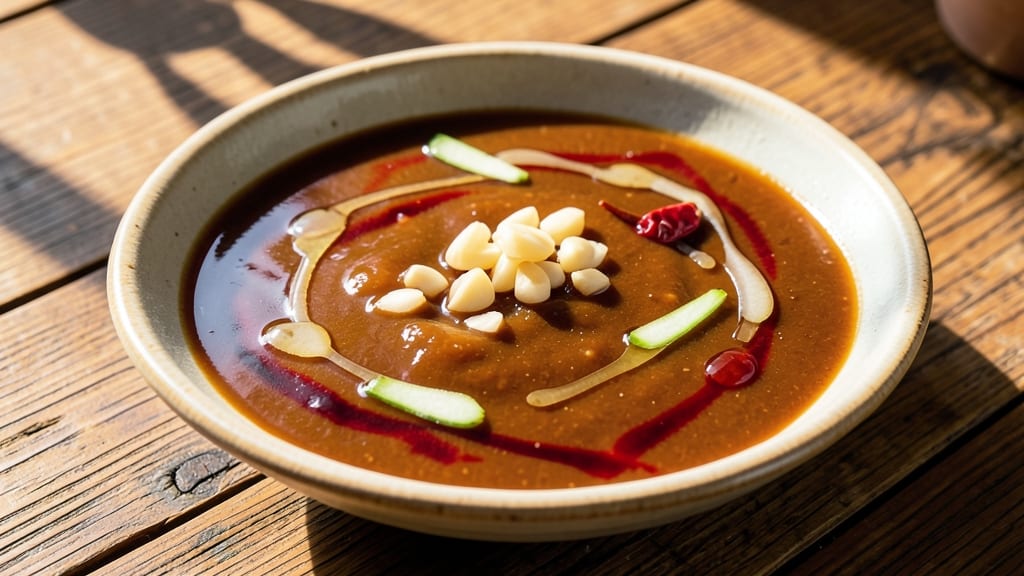
This Asian hoisin sauce recipe delivers the perfect balance of sweet, salty, and umami that transforms stir-fries into restaurant-quality meals. The key lies in fermented bean paste and a touch of molasses, creating that signature glossy glaze that clings beautifully to noodles and proteins.
I've perfected this version to be rich yet balanced, with a depth that store-bought sauces simply can't match.
The process is straightforward but requires patience—simmering the ingredients until they meld into a thick, aromatic sauce that's ready to elevate any dish. You'll start with a base of fermented bean paste, then build layers of flavor with garlic, ginger, and a hint of vinegar for brightness.
The molasses adds that signature caramel depth without overpowering the savory notes.
What you'll end up with is a versatile sauce that works as a dipping sauce, stir-fry glaze, or even a marinade for meats. The glossy finish coats everything perfectly, creating that signature shine that makes every bite taste like it came from your favorite Asian bistro.
This sauce keeps well in the fridge for up to two weeks, so you can make a big batch and enjoy it all week long.
Whether you're cooking up a quick weeknight stir-fry or preparing for a dinner party, this hoisin sauce will be your secret weapon. It pairs beautifully with chicken, beef, tofu, or even vegetables. Let's get started on creating this flavor-packed essential for your kitchen.
Ingredients for asian hoisin sauce
Nine simple ingredients transform into that signature glossy sauce everyone craves.
| Ingredient | Amount | Notes |
|---|---|---|
| Fermented Soybean Paste (Hoisin Bean Paste) 🌶️ | ½ cup | Thick, dark paste with deep umami |
| Dark Soy Sauce 🥢 | ½ cup | For authentic color and saltiness |
| Molasses 🍯 | ¼ cup | Unsulphured for best flavor |
| Garlic Cloves 🧄 | 6 cloves | Minced for aromatic depth |
| Fresh Ginger 🌿 | 1 tbsp | Finely grated, not powdered |
| Rice Vinegar 🍶 | 1 tbsp | For bright acidity balance |
| Sesame Oil 🫒 | 1 tbsp | Toasted for nutty aroma |
| Granulated Sugar 🍚 | 2 tbsp | White or brown preferred |
| Water 💧 | ½ cup | For thinning consistency |
| Cornstarch 🌾 | 1 tsp | For thickening glaze |
The fermented soybean paste is non-negotiable—Asian markets carry the best quality, but Trader Joe's has a solid version too. Look for a thick, dark paste with no added sugar. If you can't find it, miso paste works in a pinch but won't have the same depth. The molasses should be unsulphured for that rich caramel flavor. I always grab the Grandma's brand from the grocery store—it's affordable and reliable. For the garlic, fresh is a must—jarred minced garlic will make this taste canned.
No fermented bean paste? Double the soy sauce and add 1 tsp fish sauce for umami, though it won't be identical. Fresh ginger is ideal, but dried works at half the amount. Subbing apple cider vinegar for rice vinegar won't ruin it, just gives a slightly different tang. The sesame oil is what gives that signature aroma—don't skip it. If you're making a big batch, toast the sesame seeds first and blend them in for extra texture. For a smoother sauce, blend everything until silky before simmering.
This sauce thickens as it cools, so start with slightly more water if you prefer it runnier. Store in a glass jar in the fridge for up to 2 weeks, or freeze for 3 months. The flavor actually improves after a day or two as everything melds. I double the recipe and keep a jar in the fridge for quick stir-fries—just reheat gently and it's ready to go. The glossy finish comes from simmering uncovered at the end, so don't rush that part.
Why You'll Love This Recipe
- Pantry Magic: I swear by this sauce—just five ingredients, no fancy techniques. The hoisin bean paste and dark soy sauce do all the heavy lifting while I chop garlic and ginger in under five minutes.
- Sweet-Savory Balance: That molasses? It’s the secret weapon—deepens the flavor without being cloying. One taste and you’ll understand why it’s my go-to for glaze, marinade, or dipping sauce.
- Weeknight Workhorse: Drizzle it over noodles, toss it with stir-fry, or slather it on grilled chicken. Honestly, I’ve used it for everything from breakfast burritos to Sunday roast—it never lets me down.
- Makes a Statement: A little goes a long way, so you’ll have leftovers for days. Plus, the cost? Ridiculously cheap. That jar of hoisin bean paste stretches to feed the whole family, and the ginger adds freshness that keeps it tasting new.
Step-by-step instructions for Asian hoisin sauce
This homemade hoisin sauce delivers restaurant-quality depth with a perfect balance of sweet, salty, and umami.
Combine Base Ingredients in a Saucepan
In a medium saucepan, add the 0.5 cup fermented soybean paste (hoisin bean paste), 0.5 cup dark soy sauce, and 0.25 cup molasses. Stir over medium heat for 2-3 minutes until the mixture begins to bubble gently. The fermented soybean paste will dissolve gradually, creating a thick, dark base. Here's the thing—don't rush this step. Letting the ingredients meld together at this stage builds the sauce's rich foundation.
While the base heats, add the 6 cloves minced garlic and 1 tablespoon finely grated fresh ginger. Stir constantly for 1 minute until fragrant—you'll know it's right when your kitchen smells like a bustling Asian marketplace. This is where the aromatic magic happens, so don't skip it. The garlic should soften slightly but not brown, and the ginger should melt into the mixture completely.
Add Sweetness and Acid Balance
Reduce heat to medium-low and stir in the 2 tablespoons granulated sugar and 1 tablespoon rice vinegar. Let the sauce simmer for 3-4 minutes until the sugar dissolves completely. The vinegar will brighten the flavors and cut through the richness of the molasses. Taste the mixture at this point—you should notice a balance between sweet, salty, and slightly tangy notes.
I know it seems like too much molasses, but trust me—this is the secret to that authentic hoisin depth. If you're worried about sweetness, remember the dark soy sauce and fermented paste will provide enough saltiness to balance it out. The sauce should now have a thick, syrupy consistency with a glossy sheen starting to develop.
Incorporate Oil and Water for Perfect Texture
Remove the saucepan from heat and stir in the 1 tablespoon sesame oil and 0.5 cup water. The sesame oil will add nutty aroma and help create that signature glossy finish. Return the pan to low heat and let the sauce simmer gently for 2 minutes, stirring occasionally. This step ensures the sauce reaches the right consistency without becoming too thin.
Here's where attention to detail matters: The sauce should coat the back of a spoon but still be pourable. If it's too thick, add 1 tablespoon water at a time until you reach the desired consistency. Too thin? We'll fix that in the next step. The goal is a sauce that's glossy enough to glaze stir-fried vegetables or meats beautifully but still flows smoothly.
Thicken and Finish the Sauce
In a small bowl, whisk together the 1 teaspoon cornstarch with 2 tablespoons cold water to create a slurry. Return the sauce to medium heat and slowly pour in the cornstarch mixture while stirring constantly. Bring to a gentle simmer and cook for 1-2 minutes until the sauce thickens noticeably and becomes glossy.
You'll know it's perfect when the sauce coats the spoon with a smooth, velvety texture. Taste and adjust seasoning if needed—you might want to add a pinch more sugar or a splash of rice vinegar to fine-tune the balance. The sauce should now have that signature hoisin shine with a perfect sweet-savory profile that's neither too sweet nor too salty.
Cool and Store for Best Results
Remove the sauce from heat and let it cool to room temperature. The flavors will continue to develop as it cools, becoming even more complex. For best results, transfer to an airtight container and refrigerate for at least 1 hour before using. This resting period allows all the flavors to meld together perfectly.
This homemade hoisin sauce will keep in the refrigerator for up to 2 weeks, making it perfect for meal prep. The sauce thickens as it cools, so you may need to thin it slightly with a splash of warm water before using if it's been stored for several days. Use it to glaze stir-fries, drizzle over rice dishes, or dip spring rolls—it's incredibly versatile and far superior to store-bought versions.
Pro Tips For Making Asian Hoisin Sauce
- Bloom the Ginger First: I used to just toss in chopped ginger and wonder why the sauce tasted flat. Instead, slice it thin and let it sit in the pan for 30 seconds before adding garlic—this draws out the oils and aroma. (Yes, even if you're impatient like me.)
- Low and Slow for Depth: Hoisin bean paste burns faster than you think. Start on medium-low heat and let it melt completely before adding anything else. Rushing this step turns your sauce bitter—trust me, I’ve done it.
- Balance the Sweetness: Molasses is sneaky—too much and your sauce tastes like syrup. Taste as you go, and if it’s cloying, add a splash of rice vinegar or a pinch of five-spice powder to cut through it. (My grandmother swore by this, and she was right.)
- Prep Garlic Like a Pro: Skip the mincer—smash whole cloves with the flat side of your knife first, then chop. This releases more flavor without turning your sauce into garlic paste. (Does it look weird? Yes. Does it work? Every single time.)
Common mistakes when making this recipe
Over-Sweetening the Sauce
The molasses adds depth, but too much can make your sauce taste like candy. I’ve caught myself adding extra sugar or molasses thinking it’ll enhance the flavor—only to end up with a dessert sauce instead of a savory glaze.
To avoid this, taste as you go and remember that the fermented soybean paste and dark soy sauce already provide plenty of sweetness. If it’s too sweet, balance it with a splash of rice vinegar or a pinch of salt. 🍯
Skipping the Fermented Paste
This is the soul of hoisin sauce—fermented soybean paste gives that deep, umami-rich flavor that store-bought versions can’t replicate. If you’re missing it, your sauce will taste flat and one-dimensional. I’ve tried substituting with miso or extra soy sauce, but nothing compares.
If you can’t find fermented soybean paste, Asian markets are your best bet, or look for it online. It’s worth the search for that authentic taste. 🌶️
Burning the Garlic or Ginger
Garlic and ginger are aromatic powerhouses, but they can turn bitter if cooked too long. I’ve burned garlic so many times, ruining the whole batch.
Keep the heat at medium and stir constantly for just 1 minute—that’s all it takes for them to soften and release their flavors without burning. If you smell a sharp, acrid aroma, it’s time to pull the pan off the heat. 🧄
Not Simmering Long Enough
Rushing the simmering process means the flavors won’t meld properly. I’ve made the mistake of thinking the sauce is ready too soon, only to end up with separate, unblended flavors.
Let the sauce simmer for at least 10-15 minutes total, stirring occasionally, so the molasses, soy sauce, and spices come together into a cohesive, glossy glaze. Patience here makes all the difference. ⏳
Using the Wrong Vinegar
Rice vinegar is key for that bright, tangy balance, but I’ve used apple cider or white vinegar in a pinch—and it changes the flavor completely. Apple cider vinegar adds a fruity note, while white vinegar can make the sauce taste harsh.
Stick to rice vinegar for authenticity. If you’re out, white wine vinegar is a decent substitute, but it won’t be as traditional. 🍶
Ignoring the Resting Time
Freshly made hoisin sauce needs time to thicken and for the flavors to develop fully. I’ve served it immediately after cooking, only to have it taste thin and underwhelming. Let it cool and rest for at least 1 hour (or overnight) before using.
This resting period is when the sauce transforms from good to extraordinary. Trust the process! ⏰
Nutrition facts
Frequently asked questions
Can I make this hoisin sauce without fermented soybean paste?
The fermented soybean paste is what gives hoisin its signature depth, but you can make a simplified version by doubling the dark soy sauce and adding 1 teaspoon fish sauce for umami. For best results, though, seek out fermented soybean paste at Asian markets—it's the secret to authentic flavor. The texture will be slightly different, but it'll still work for stir-fries or dipping.
How do I adjust the sweetness if it's too strong?
If your sauce tastes overly sweet, balance it with 1 teaspoon rice vinegar or a pinch of salt. The molasses and sugar should complement the savory notes from the fermented paste and soy sauce. Taste as you go—hoisin should be sweet but not cloying. For a deeper flavor without extra sweetness, try adding a splash of toasted sesame oil instead.
Can I use this sauce as a marinade?
Yes! This hoisin sauce works beautifully as a marinade for chicken, beef, or tofu. For best results, marinate for 30-60 minutes (no longer, as the acidity in vinegar can start to "cook" the meat). Pair it with 1 tablespoon honey and 1 teaspoon grated ginger for extra tenderness. The glossy glaze will caramelize beautifully when grilled or pan-seared.
Why does my homemade hoisin look thinner than store-bought?
Homemade hoisin naturally thickens as it cools—store-bought versions often contain added thickeners like cornstarch or guar gum. If yours is too thin, simmer uncovered for 5-10 extra minutes to reduce it. For immediate thickening, mix ½ teaspoon cornstarch with 1 tablespoon water and stir in. The texture should become glossy and coat the back of a spoon.
What's the best way to reheat leftover hoisin sauce?
Gently reheat in a small saucepan over low heat, stirring constantly to prevent scorching. Add 1-2 teaspoons water if it thickens too much. Never microwave—it can make the sauce grainy. For stir-fries, reheat just until warm enough to coat ingredients. If storing long-term, freeze in ice cube trays for easy portion control.