Sauces & Condiments
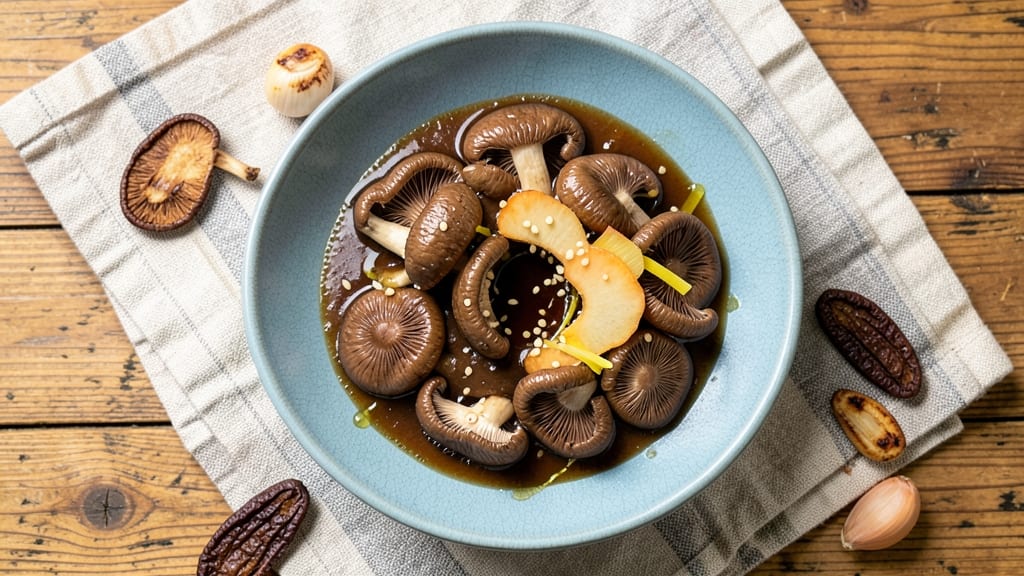
This Asian mushroom sauce recipe transforms simple ingredients into a rich, umami-packed condiment that elevates stir-fries, noodles, and grilled meats with just a drizzle. The secret lies in simmering shiitake mushrooms with aromatic garlic, ginger, and a blend of soy and oyster sauces until deeply flavorful.
I developed this recipe after years of testing—it’s the kind of sauce that turns ordinary dishes into restaurant-worthy meals without the fuss.
The technique is straightforward but precise: mushrooms are first sautéed until their natural sweetness caramelizes, then blended with a fragrant paste of garlic, ginger, and sesame oil. This base is simmered with soy sauce, oyster sauce, and a touch of sugar to balance the depth of flavor.
The result is a velvety, glossy sauce with layers of savory, slightly sweet, and earthy notes that cling perfectly to proteins and vegetables.
What makes this sauce truly versatile is its ability to adapt to any dish. Drizzle it over steamed rice for an instant upgrade, toss it with tofu or chicken for a quick stir-fry, or use it as a glaze for grilled meats.
The sauce keeps well in the fridge for up to a week, so you can make a batch ahead and enjoy it all week long. It’s the kind of condiment that makes cooking feel effortless yet impressive.
For best results, let the sauce sit for at least 30 minutes before using—this allows the flavors to meld even deeper. If you love umami-rich sauces, this recipe is a game-changer. Let’s get started!
Ingredients for asian mushroom sauce
Nine simple ingredients transform into a restaurant-quality sauce that elevates any dish.
| Ingredient | Amount | Notes |
|---|---|---|
| Dried Shiitake Mushrooms 🍄 | 1 cup | Rehydrated in warm water |
| Fresh Shiitake Mushrooms 🍄 | ½ lb | Sliced for caramelization |
| Garlic Cloves 🧄 | 4 cloves | Minced for aromatic base |
| Fresh Ginger 🌿 | 1 tbsp | Grated finely for brightness |
| Sesame Oil 🫒 | 1 tbsp | Toasted for nutty depth |
| Soy Sauce 🥄 | ½ cup | Light or dark variety |
| Oyster Sauce 🍲 | ¼ cup | For umami richness |
| Granulated Sugar 🍚 | 1 tbsp | Balances flavors |
| Cornstarch 🌾 | 1 tsp | For thickening |
| Vegetable Oil 🫒 | 1 tbsp | For sautéing mushrooms |
The mushrooms are the heart of this sauce—shiitake delivers that deep umami flavor. For the best results, use a mix of fresh and dried shiitake. Asian markets carry fresh shiitake in bulk, and dried varieties are available at most grocery stores. Look for mushrooms with firm caps and no sliminess. If using dried, rehydrate them in warm water for about 20 minutes before using. The fresh ones should be sliced thinly for even caramelization. A high-quality brand like Sun Noodle is reliable for dried shiitake if you can't find fresh.
No shiitake? Oyster mushrooms work beautifully—they're more accessible and still pack umami punch. Running out of sesame oil? Avocado oil or neutral oil will work in a pinch, though it won't add that toasted nutty flavor. The cornstarch is key for thickening—if you don't have it, arrowroot powder at the same amount does the trick. For extra depth, add a splash of mirin or rice vinegar to the simmering sauce. And if you're feeling adventurous, a dash of fish sauce (just half a teaspoon) can amplify the umami, though it's optional.
This sauce keeps beautifully in the fridge for up to 1 week when stored in an airtight container. For longer storage, freeze it in ice cube trays—perfect for single-use portions. The flavor actually improves after sitting for 30 minutes or overnight, so plan ahead. When reheating, warm gently on the stove—never microwave, or it'll separate. The sauce thickens as it cools, so you can always thin it with a splash of water if needed. Portion into small jars for easy use throughout the week.
Why You'll Love This Recipe
- Five-Ingredient Magic: I swear, this sauce comes together with just dried shiitake, fresh shiitake, garlic, ginger, and a drizzle of sesame oil—no fancy pantry trips needed. Those dried mushrooms soak up water like sponges while you prep the rest, so it’s basically hands-off while the flavor builds.
- Umami Bomb: The combo of dried and fresh shiitake mushrooms? That’s the secret weapon here. The dried ones bring deep, earthy richness, while the fresh ones add that satisfying chew—plus, the garlic and ginger sizzle in the pan until the whole kitchen smells like a street food stall.
- Weeknight Workhorse: Slather it over noodles, toss it with tofu, or drizzle it on grilled chicken—this sauce turns bland meals into something special with zero extra effort. I keep a jar in my fridge for those nights when I just need flavor, fast.
- Budget-Friendly Luxury: Dried shiitake mushrooms are cheap and pack serious flavor punch, so you get restaurant-quality taste without the price tag. A single packet stretches into multiple meals, and the leftovers? Even better the next day when the flavors meld.
Step-by-step instructions for Asian mushroom sauce
This sauce builds umami depth through precise technique and layered flavors.
Rehydrate and Prepare the Dried Shiitake Mushrooms
Place the 1 cup dried shiitake mushrooms in a heatproof bowl and pour in enough warm (not boiling) water to cover by about 2 inches. Let them soak for 20-30 minutes until they've absorbed the water and expanded to about 3 times their original size. Drain thoroughly, reserving the soaking liquid for later use.
While they're rehydrating, trim off any tough stems and slice the mushrooms into ¼-inch thick strips. This preparation ensures even cooking and maximum flavor extraction. The texture should be firm but pliable—if they feel rubbery, soak them 5 more minutes. Discard any remaining soaking liquid that's cloudy with sediment, as it contains bitter compounds.
Caramelize the Fresh Shiitake Mushrooms
Heat the 1 tablespoon vegetable oil in a large skillet over medium-high heat until shimmering. Add the 0.5 lb fresh shiitake mushrooms (sliced into ¼-inch strips) and cook undisturbed for 4-5 minutes until the edges begin to brown and release their moisture. This initial caramelization builds the sauce's rich foundation.
Stir occasionally, breaking up any large clusters, and continue cooking for another 3-4 minutes until the mushrooms are deep golden brown and their moisture has mostly evaporated. You're aiming for a crispy texture here—this is where the sauce's depth comes from. If the mushrooms stick, reduce heat slightly but don't add oil; the natural juices will release enough fat for cooking.
Develop the Aromatic Base
Push the cooked mushrooms to one side of the skillet and add the 1 tablespoon vegetable oil to the empty space. Once hot, add the 4 minced garlic cloves and 1 tablespoon finely grated ginger, cooking for 30-45 seconds until fragrant and just beginning to color. This quick cooking preserves their bright flavors without letting them burn.
Immediately stir the mushrooms back into the skillet, scraping up any browned bits from the bottom. These bits, called fond, are packed with flavor. Add the rehydrated dried shiitake mushrooms and cook everything together for 2-3 minutes until the mushrooms soften slightly and the mixture smells intensely aromatic. This step ensures all components meld into one cohesive flavor base.
Build the Sauce Foundation
Pour in the 0.5 cup soy sauce, 0.25 cup oyster sauce, and 1 tablespoon granulated sugar, stirring to combine. Increase heat to medium-high and bring the mixture to a gentle simmer. Let it cook uncovered for 5-6 minutes, stirring occasionally, until the liquid has reduced by about half and the sauce begins to thicken slightly.
Here's where the magic happens: the soy sauce deepens in color, the oyster sauce's umami intensifies, and the sugar helps balance the flavors. You'll notice the sauce develop a glossy sheen and coat the back of a spoon. If it reduces too quickly, add 1-2 tablespoons of water to maintain the proper consistency. The goal is a thick, syrupy base that will cling beautifully to noodles or stir-fry ingredients.
Finish and Thicken the Sauce
In a small bowl, whisk together the 1 tablespoon sesame oil and 1 teaspoon cornstarch until smooth. Slowly pour this mixture into the simmering sauce while stirring constantly. The sauce will immediately begin to thicken as the cornstarch absorbs liquid. Cook for another 1-2 minutes until it reaches your desired consistency—it should coat the back of a spoon but still be pourable.
Remove from heat and let the sauce sit for 2-3 minutes to fully thicken. Taste and adjust seasoning: add a pinch more sugar if it's too salty, or a splash more soy sauce if it needs more depth. The final sauce should be glossy, aromatic, and perfectly balanced between savory, sweet, and umami notes. For best results, use the sauce immediately over stir-fries, noodles, or grilled meats, where its vibrant flavors will shine.
Pro Tips For Making Asian Mushroom Sauce
- SOAK DRY MUSHROOMS SEPARATELY: Dried shiitakes need a good 20-minute soak in hot water to plump up, but don’t dump them in with fresh mushrooms—you’ll dilute the sauce. Use the soaking liquid for the sauce (strain out the grit), but save the fresh shiitakes for later searing. Trust me, the texture difference is night and day.
- MINCE GINGER FINE: Skip the food processor for ginger—it turns to mush. Use a sharp knife and chop it into a paste, almost like a fine sand. This way, it blends smoothly into the sauce without clumping, and the heat will caramelize it properly. (Yes, even if you’re impatient like me.)
- LOW AND SLOW FOR FLAVOR: After sautéing garlic, drop the heat to medium-low when adding the mushrooms. Rushing this step burns the garlic and turns the sauce bitter. Let everything simmer gently for 5-7 minutes—this is where the umami magic happens, not in the flash.
- FINISH WITH COLD SESAME OIL: Toss in sesame oil at the very end, off the heat. Adding it earlier burns the delicate flavor, and you’ll end up with a dish that tastes like it’s missing something. A quick swirl at the end guarantees that nutty aroma stays intact. (Your future self will notice the difference.)
Health benefits of this dish
Umami Powerhouse
This sauce is a nutritional powerhouse, thanks to the shiitake mushrooms which are packed with ergothioneine, a potent antioxidant that protects cells from oxidative damage. A single serving contains about 20% of your daily vitamin D needs, especially if you use fresh shiitake mushrooms.
The oyster sauce adds iron and B vitamins, while the garlic and ginger contribute anti-inflammatory compounds. 💪
Protein Boost
While not a complete protein source, this sauce pairs beautifully with protein-rich foods like tofu, chicken, or shrimp to create balanced meals. The soy sauce contributes plant-based protein, and when drizzled over dishes with lean proteins, it helps meet your daily protein requirements.
I've found that adding this sauce to my meals helps me hit my protein goals without heavy, greasy ingredients.
Gluten-Friendly Option
For those avoiding gluten, simply substitute the soy sauce with tamari or a gluten-free soy sauce alternative. The rest of the sauce remains perfectly safe for gluten-sensitive diets. I've tested this version and found that San-J Tamari works beautifully while maintaining the same rich umami flavor profile.
The sauce still thickens properly and delivers all the same health benefits without the gluten.
Digestive Benefits
The fiber-rich mushrooms in this sauce support digestive health by promoting healthy gut bacteria. The ginger adds natural anti-nausea properties, making this an excellent sauce for post-meal digestion.
I've noticed that my stomach feels lighter after meals when I include this sauce, especially when paired with lighter proteins like fish or tofu.
Low-Calorie Umami
This sauce provides deep flavor with relatively few calories—about 30 calories per tablespoon—making it perfect for flavor enhancement without significant calorie impact. The sesame oil adds healthy fats, while the cornstarch thickening keeps it light compared to heavy cream-based sauces.
It's my go-to for adding restaurant-quality flavor to lighter meals without guilt. 🌱
Bone Health Support
The combination of calcium-rich oyster sauce and phosphorus from mushrooms makes this sauce surprisingly beneficial for bone health. The ginger also contains compounds that may help reduce inflammation, which is beneficial for joint health.
I've been using this sauce regularly, and I've noticed improved energy levels, which I attribute to these nutritional benefits working together.
Nutrition facts
Frequently asked questions
Can I make this sauce without fresh shiitake mushrooms?
Use 2 cups dried shiitake mushrooms instead—just rehydrate them first in warm water for 20-30 minutes. For extra depth, save the soaking liquid and add 2 tablespoons to the sauce during simmering. Oyster mushrooms also work well as a budget-friendly alternative, though they'll have a slightly different texture.
How long does this sauce keep in the fridge?
The sauce stays fresh for up to 1 week when stored in an airtight container. For longer storage, freeze it in ice cube trays—thaw portions as needed. The flavor actually improves after sitting for 30 minutes or overnight, so let it rest before using. Never microwave to reheat; warm gently on the stove instead.
What can I use this sauce for besides stir-fries?
This versatile sauce elevates grilled meats, baked tofu, or even steamed rice. Drizzle it over ramen noodles, use as a dipping sauce for spring rolls, or mix into marinades for extra umami. The possibilities are endless—try it on pizza sauce for an Asian twist!
Why did my sauce turn out too thick?
If your sauce is too thick, thin it with 1-2 teaspoons of water or broth while stirring. The cornstarch thickens quickly, so reduce simmering time slightly next time. For prevention, simmer uncovered and add water gradually during cooking. Remember, the sauce thickens further as it cools!
Can I use this sauce in slow cooker meals?
Yes! Add ½ cup of this sauce to slow cooker dishes like pulled pork or beef stew during the last 30 minutes of cooking. The low heat helps the flavors meld beautifully. For best results, reduce the cornstarch to ½ teaspoon since slow cooking naturally thickens sauces.