
Sauces & Condiments
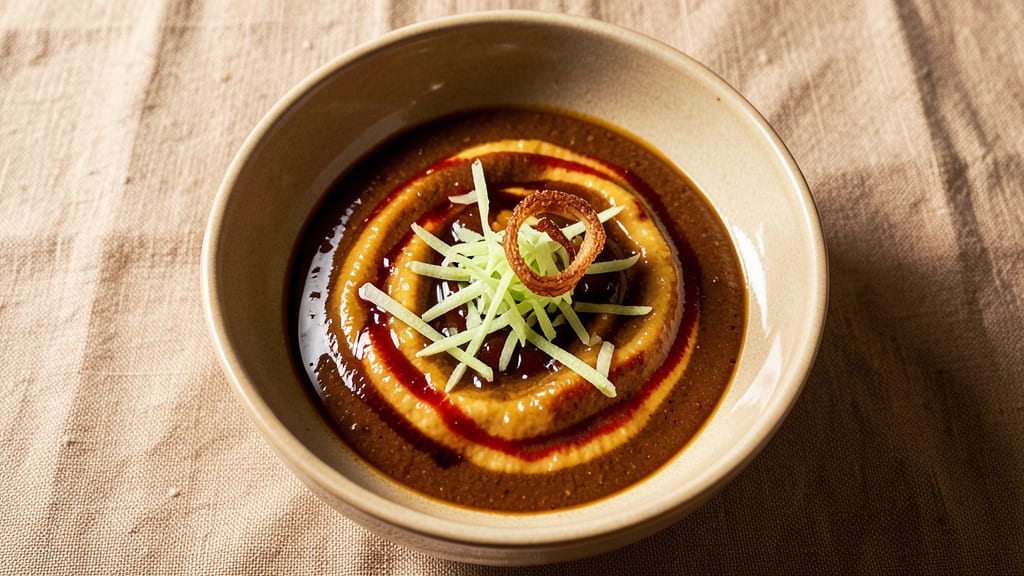
This Asian mustard sauce recipe transforms simple pantry staples into a bold, tangy-sweet glaze that elevates stir-fries, dips, and marinades. The secret lies in balancing sharp mustard with umami-rich soy sauce, creating a sauce that’s both complex and effortless to make.
I developed this version after years of testing—it’s the one that finally delivers that perfect crunch and depth without overpowering dishes.
The sauce comes together in just 10 minutes, with no special equipment needed. A quick simmer reduces the ingredients into a glossy, cohesive sauce that clings beautifully to noodles, vegetables, or proteins.
The key is adjusting the ratio of mustard to sweetener—too much mustard makes it harsh, while too little loses that signature tang. I’ve perfected the balance so it works as a dipping sauce, stir-fry glaze, or even a marinade for grilled meats.
What makes this sauce stand out is its versatility. Use it to coat crispy tofu or chicken for extra flavor, drizzle it over steamed rice, or serve it alongside spring rolls for dipping.
The texture is just thick enough to coat without being gluey, and the flavor evolves as it sits—even better the next day. It’s the kind of sauce that turns a simple meal into something restaurant-worthy.
Once you try this, you’ll never reach for store-bought again. The ingredients are basic, but the result is anything but—rich, slightly spicy, and perfectly balanced. Let’s make it.
Ingredients for asian mustard sauce
Pantry staples meet bold Asian flavors—just 10 ingredients for restaurant-quality sauce.
| Ingredient | Amount | Notes |
|---|---|---|
| Dijon Mustard 🌶️ | ½ cup | High-quality, sharp variety preferred |
| Light Soy Sauce 🍶 | ¼ cup | Kikkoman or similar brand works best |
| Dark Soy Sauce 🍶 | ¼ cup | For deeper umami flavor |
| Rice Vinegar 🍶 | ¼ cup | Seasoned vinegar adds complexity |
| Honey 🍯 | ¼ cup | Wildflower preferred for depth |
| Fresh Ginger 🧄 | 1 tbsp | Finely grated, fresh only |
| Garlic Cloves 🧄 | 2 cloves | Minced, fresh preferred |
| Sesame Oil 🫒 | 1 tbsp | Toasted sesame oil for aroma |
| Red Pepper Flakes 🌶️ | ½ tsp | Adjust for heat preference |
| Cornstarch 🌾 | 1 tsp | For thickening consistency |
The mustard is the star here. Dijon is non-negotiable—it’s sharper than American yellow mustard and gives that signature tang. Kikkoman soy sauces are my go-to, but any good-quality brand works. For the ginger and garlic, fresh is a must—they add brightness that powdered versions can’t match. I grab mine from the Asian market section at Whole Foods or Trader Joe's—they keep better and have more punch. The honey should be wildflower if possible, but clover works in a pinch. Toasted sesame oil makes all the difference—skip the cheap stuff, it’s worth the splurge for a little bottle.
No Dijon? Japanese yellow mustard at half the amount works, but it’ll be milder. Short on soy sauce? Coconut aminos mimics the umami, though it’s sweeter. The cornstarch is key for that glossy finish—if you’re gluten-free, use arrowroot instead. For extra heat, swap red pepper flakes for gochugaru (Korean chili flakes). The sauce thickens as it cools, so if it’s too runny after simmering, add another 1/2 teaspoon cornstarch mixed with water. And if you’re making this ahead, the flavor actually improves overnight—let it sit for at least 30 minutes before using.
This sauce keeps beautifully. Store it in an airtight jar in the fridge for up to 2 weeks, or freeze in ice cube trays for 3 months—perfect for single-use portions. The flavor evolves over time, so leftovers often taste even better the next day. I like to portion mine into small containers so I can grab just what I need for stir-fries or dipping. If it thickens too much in the fridge, just add a splash of water to loosen it up. The sesame oil separates sometimes—just give it a quick stir before using.
Why You'll Love This Recipe
- Five-Ingredient Magic: I swear by this combo—just stir, taste, adjust. No fancy techniques, no waiting for reductions. The Dijon and soy sauces blend instantly, and the honey cuts through the sharpness like a breath of fresh air.
- Umami Bomb: That dark soy sauce? It’s the secret weapon. One spoonful and you’ve got this deep, caramelized richness that makes everything—grilled chicken, noodles, even roasted veggies—taste like it’s been simmering for hours. Honestly, I’ve used it on tacos, and my kids didn’t even notice it was "healthy."
- Weeknight Swiss Army: This sauce is my go-to for lazy nights. Drizzle it over takeout, toss it with cold noodles, or use it as a marinade. I’ll be real: it’s saved me more than once when I stared at an empty fridge and a hungry family at 7 PM.
- Budget Powerhouse: Light soy, dark soy, honey—these are pantry staples that won’t break the bank. A little goes a long way, and what’s left? Perfect for next week’s stir-fry or a quick glaze. Between us, I’ve had this sauce last me two months with minimal effort.
Step-by-step instructions for bold Asian mustard sauce
Here's how to whip up this vibrant sauce that packs layers of umami, sweetness, and heat.
Whisk Together the Wet Ingredients
In a medium bowl, combine the 0.5 cup Dijon Mustard, 0.25 cup Light Soy Sauce, 0.25 cup Dark Soy Sauce, and 0.25 cup Rice Vinegar. Stir until fully integrated and smooth. The Dijon mustard will thicken slightly as it mixes with the vinegar, creating a rich base for the sauce. I like to use a fork here for precise control—no need for a whisk yet.
Next, add the 0.25 cup Honey and stir again until completely dissolved. The honey should blend seamlessly, giving the sauce a glossy sheen and balancing the tangy acidity of the vinegar. If you're using wildflower honey, you'll notice subtle floral notes that complement the umami flavors perfectly.
Incorporate Aromatics and Heat
In a small bowl, finely grate the 1 tbsp Fresh Ginger using a microplane or the finest grater. Add this to the wet mixture along with the 2 cloves minced Garlic Cloves. Stir well to distribute the aromatics evenly. The ginger will infuse a bright, zesty kick, while the garlic adds depth—you'll smell the difference immediately.
Drizzle in the 1 tbsp Sesame Oil and sprinkle with 0.5 tsp Red Pepper Flakes. The sesame oil adds a nutty aroma and rich texture, while the red pepper flakes introduce controlled heat. Taste the mixture now—it should be tangy, slightly sweet, and just spicy enough to whet your appetite. Adjust the red pepper flakes if you prefer more or less heat.
Thicken the Sauce to Perfection
In a small separate bowl, whisk together the 1 tsp Cornstarch with 2 tablespoons of water until completely dissolved. This slurry is your thickening agent—critical for achieving that glossy, coatable consistency. Return to medium heat in a small saucepan and let the mixture simmer gently for 3-5 minutes, stirring constantly.
As the sauce thickens, you'll notice it becomes glossy and coats the back of a spoon. This is your visual cue that it's ready. If it thickens too quickly, add 1 tablespoon of water at a time until you reach the ideal consistency—thick enough to cling to food but still pourable. The sauce should resemble a glossy, vibrant condiment, not a paste.
Cool and Adjust Seasoning
Remove the sauce from heat and let it cool for 10 minutes. This resting period allows the flavors to meld and the sauce to reach its full potential. Taste again—you might find it needs a touch more balance. If it's too tangy, add a pinch of honey. If it's too sweet, stir in a bit more soy sauce. The goal is harmony: bright, umami-rich, with a subtle kick.
Once cooled, transfer the sauce to a clean jar or airtight container. It will keep in the refrigerator for up to 2 weeks, making it perfect for batch prep. This versatile sauce elevates stir-fries, glazes, dipping sauces, and even marinades—its bold flavors stand up to almost anything.
Pro Tips For Making Asian Mustard Sauce
- WHISK IN STAGES: Mix the Dijon mustard into the warm liquid first—it blends smoother than dumping it all in at once. I learned this the hard way after ending up with clumpy sauce that looked like someone forgot to shake the jar.
- USE COLD HONEY: Add the honey last, straight from the fridge, to prevent the sauce from curdling or turning grainy. Warm honey thins faster than you’d expect, and you’ll end up with a runny mess instead of that perfect glossy finish.
- BALANCE THE SOY SAUCES: Start with 1 tablespoon of light soy sauce, taste, then add dark soy sauce drop by drop—it’s saltier and richer, and you don’t want to overpower the bright mustard flavor. I used to dump both in at once and regretted it every time.
- SWAP RICE VINEGAR FOR SPEED: Short on time? Substitute rice vinegar with a splash of apple cider vinegar—it’s sharper and cuts through the sweetness faster. Just cut it with a teaspoon of water first to mimic the milder tang of rice vinegar.
Make-ahead tips for leftovers
Batch Prep Basics
Make a double batch of this sauce at once—it’s perfect for meal prep! Combine all ingredients in a quart-sized glass jar (like Ball Mason jars) and store in the fridge.
The flavors actually deepen over time, so it tastes even better the next day. I like to portion it into small 4-ounce containers for easy grab-and-go use during the week. 💡
Freezing for Convenience
Freeze the sauce in ice cube trays for single-use portions—just pop out what you need and thaw in the fridge for 30 minutes. Each cube makes a perfect dipping sauce or glaze.
For larger batches, use silicone freezer molds or small jars, leaving ½ inch headspace to prevent expansion cracks. Label with the date—it keeps for 3 months without losing quality. ❄️
Thawing & Reheating
Thaw frozen sauce in the fridge overnight for best results. If you’re in a hurry, microwave it for 20 seconds on 50% power, then stir well.
For a smoother texture, add 1 teaspoon water if it thickens too much. Never reheat from frozen—always thaw first to preserve the sauce’s glossy consistency. 🔥
Long-Term Storage Hacks
For extended storage, divide the sauce into small glass jars (like Weck jars) and keep them in the freezer. The glass preserves flavor better than plastic. When ready to use, transfer to the fridge to thaw—it’ll be ready in 2-3 hours.
I also keep a small jar in my pantry for quick access, but remember it’s best fresh within 2 weeks. 💛
Sauce Consistency Fixes
If your sauce thickens too much after refrigeration, thin it with 1 teaspoon warm water at a time. For extra thickness, simmer an additional ½ teaspoon cornstarch mixed with 1 tablespoon water for 1-2 minutes.
The key is balance—aim for a sauce that’s glossy but pourable, not gluey. Adjust as needed before using. ✨
Flavor Evolution Tips
The sauce tastes best after 24 hours—the acidity mellows and flavors meld. For deeper umami, add 1 teaspoon fish sauce or ½ teaspoon oyster sauce when reheating.
If it loses brightness, stir in ½ teaspoon rice vinegar. Always taste and adjust—this sauce is meant to be customized to your preference! 🌟
Nutrition facts
Frequently asked questions
Can I make this sauce without cornstarch?
Yes, but the texture will be thinner. For a naturally thickened version, replace the cornstarch with 1 tablespoon arrowroot powder or 1 teaspoon xanthan gum. If you prefer no thickener at all, reduce the sauce by simmering uncovered for 5-7 minutes—just stir constantly to prevent sticking. The flavor stays the same, but it may separate slightly when refrigerated.
How spicy should the sauce be?
The recipe includes 0.5 teaspoon red pepper flakes for a mild kick, but you can adjust to taste. For more heat, add an extra 0.25 teaspoon (total 0.75 teaspoon) or swap in 1 teaspoon gochugaru (Korean chili flakes) for a deeper, fruitier spice. If you prefer no heat, simply omit it entirely—the sauce still delivers bold umami and tang.
What are the best dishes to use this sauce for?
This sauce shines as a dipping sauce for spring rolls or dumplings, a glaze for grilled meats (like chicken or tofu), or a marinade for stir-fry proteins. It also works as a rice bowl enhancer—just drizzle over steamed rice with veggies. The balance of sweet, tangy, and umami makes it versatile for both spicy and mild dishes. Try it on cold noodles or as a slather for tacos!
Why does my sauce taste too sweet or tangy?
If it's too sweet, add 1 teaspoon soy sauce or a pinch of salt to balance. For excessive tang, stir in ½ teaspoon honey or 1 teaspoon extra ginger to mellow the acidity. The key is adjusting one ingredient at a time—taste as you go! The sauce should have a harmonious blend of all flavors, not just one dominating.
Can I substitute honey with another sweetener?
For a lower-glycemic option, use maple syrup or agave nectar (same amount). For a savory twist, swap ½ cup brown sugar (dissolved in 1 tablespoon water) or ¼ cup coconut sugar. Avoid powdered sweeteners—they can alter the sauce’s glossy texture. If using sugar, simmer slightly longer to dissolve completely.