
Sauces & Condiments
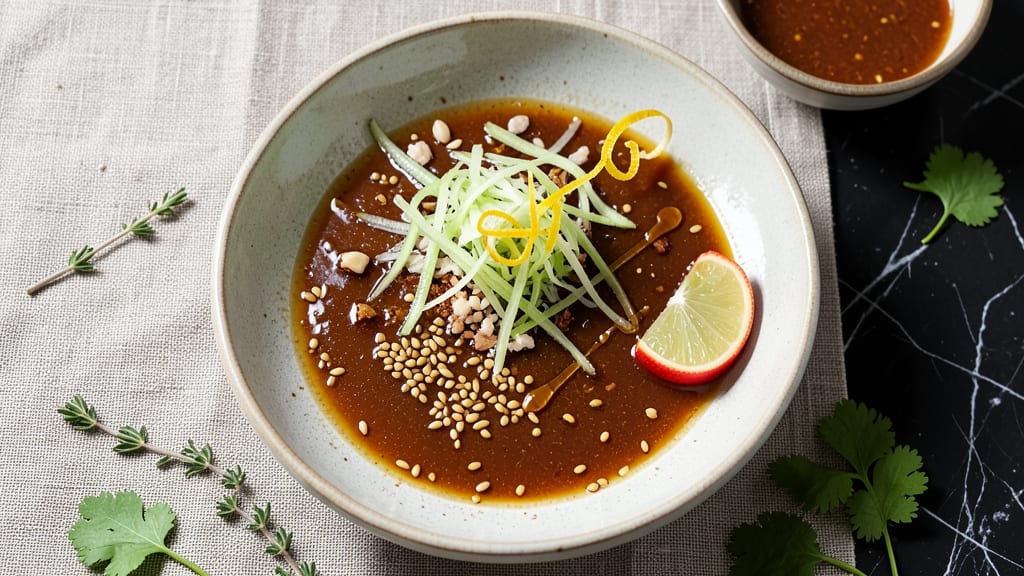
This Asian seafood sauce recipe transforms simple pantry staples into a complex, umami-rich glaze that elevates everything from grilled shrimp to stir-fried noodles. The secret lies in balancing salty fish sauce with bright citrus and aromatic ginger, creating a sauce that's both tangy and deeply savory.
I developed this version after years of perfecting restaurant-style seafood dishes at home—no shortcuts, just layers of flavor built through precise ingredient ratios.
The sauce's magic comes from its versatility—use it as a marinade for 30 minutes of prep time, a dipping sauce for fresh spring rolls, or a finishing glaze for seared scallops.
What makes this recipe stand out is the optional celery crown crunch twist: finely chopped celery seeds or fresh celery added at the end for a subtle, refreshing bite that cuts through the richness. The result is a sauce that's restaurant-quality without requiring specialized equipment.
What you'll end up with is a glossy, aromatic sauce with perfect balance—salty, sweet, tangy, and umami-packed all at once. The fish sauce provides that signature Asian depth, while ginger and garlic add warmth, and citrus brightens the profile.
This isn't just another soy-based sauce; it's a sophisticated glaze that transforms ordinary seafood into something extraordinary.
Make a double batch—this sauce keeps beautifully in the refrigerator for up to 10 days, making it perfect for meal prep or hosting. Whether you're cooking for two or feeding a crowd, this recipe delivers consistent, professional results every time. Let's get started on creating your signature seafood sauce.
Ingredients for asian seafood sauce
Nine bold ingredients blend into a restaurant-worthy sauce that transforms seafood into something extraordinary.
| Ingredient | Amount | Notes |
|---|---|---|
| Fish Sauce 🐟 | ½ cup | Red Boat preferred for quality |
| Fresh Ginger Root 🌿 | ½ cup | Finely grated, peel removed |
| Garlic Cloves 🧄 | 6 cloves | Minced for smooth texture |
| Lime Juice 🍋 | ¼ cup | Freshly squeezed, seeds removed |
| Honey 🍯 | ¼ cup | Wildflower preferred for depth |
| Celery Seeds 🌱 | 1 tsp | Ground for celery crown crunch |
| Sesame Oil 🫒 | 1 tbsp | Toasted for nutty aroma |
| Soy Sauce 🍶 | ¼ cup | Light or dark, to taste |
| Rice Vinegar 🍶 | 1 tbsp | Seasoned preferred for balance |
| Fresh Chili Peppers 🌶️ | 1 whole | Thinly sliced, optional heat |
Fish sauce is the heart of this recipe—Red Boat is my go-to for that authentic, umami punch. Look for bottles with minimal additives; the deeper the color, the more robust the flavor. Fresh ginger and garlic? Buy them whole—they keep longer and taste fresher than pre-minced. The celery seeds are the secret weapon here; Trader Joe's sells them pre-ground for convenience, but whole seeds toasted in a dry pan work wonders too. If you can't find celery seeds, finely chopped fresh celery gives a milder but still refreshing crunch.
No fish sauce? Soy sauce plus a dash of Worcestershire gets you close, though it won't have that exact umami depth. Skip the honey? Maple syrup or agave works in a pinch, though honey's floral notes are ideal. The sesame oil is non-negotiable for that nutty aroma—toast it in a dry pan for 30 seconds before adding to deepen the flavor. For extra heat, Thai bird's eye chilies pack more punch than jalapeños, but adjust to your taste. The lime juice should be freshly squeezed; bottled just won't cut it here.
This sauce keeps for 10 days in the fridge, so make a double batch—it's perfect for meal prep. Store it in a glass jar with a tight seal to preserve those delicate aromas. For best texture, give it a quick stir before each use. Freezes beautifully for 3 months if you want to stock up. The celery seeds lose potency over time, so add them fresh when using from frozen.
Why You'll Love This Recipe
- Pantry Magic: I swear by this sauce—no specialty stores, no last-minute grocery runs. Just fish sauce, ginger, and honey that I already have. The lime juice? I grab it from the fridge while I’m waiting for the garlic to sizzle.
- Umami Bomb: That first splash of fish sauce? Instant flavor explosion. The honey rounds out the sharpness, and the ginger gives it a warm kick—like a hug in a bowl. My picky-eater husband actually asks for seconds.
- Glass Jar Hero: I make a big batch and keep it in the fridge for weeks. Drizzle it over grilled shrimp, toss it with noodles, or use it as a marinade. Even my lazy takeout nights get an upgrade with this in my back pocket.
- Budget Flex: Fish sauce is cheap, ginger lasts forever, and garlic? You’ll use it up before it spoils. This sauce costs pennies but tastes like a fancy restaurant dish. Honestly, my wallet thanks me every time.
Step-by-step instructions for Asian seafood sauce
This umami-packed glaze delivers restaurant-quality depth with a celery crown crunch twist.
Toast the Celery Seeds for Crunch
Heat a dry skillet over medium heat and add the 1 teaspoon celery seeds. Toast them for 1-2 minutes until they release their nutty aroma and begin to darken slightly. You'll know they're ready when they smell intensely aromatic—almost like celery meets popcorn. Transfer immediately to a small bowl to cool completely. This step is crucial for developing that signature crunch that sets this sauce apart.
Don't rush this process. If you rush, the seeds will burn and turn bitter. Keep a close eye on them and remove from heat the moment they begin to color. The cooled seeds will be used later to add texture to the finished sauce, so save them carefully—you'll want every bit of that celery crown crunch.
Bloom the Aromatics in Sesame Oil
In a medium saucepan, heat the 1 tablespoon sesame oil over medium-low heat. Add the 6 minced garlic cloves and 0.5 cup finely grated fresh ginger root. Sauté for 2-3 minutes until the garlic turns golden and the ginger becomes translucent. You're looking for that moment when the aromatics release their full flavor—when the kitchen smells like a bustling Asian market.
Here's the thing—don't walk away. Garlic burns faster than you think, and once it turns bitter, you can't salvage it. Keep the heat gentle and stir occasionally to ensure even cooking. The ginger should soften but not brown, maintaining its fresh, zesty character. This aromatic base forms the flavor foundation for the entire sauce.
Build the Sauce with Wet Ingredients
Reduce heat to low and add the 0.5 cup fish sauce, 0.25 cup soy sauce, and 0.25 cup honey to the pan. Stir constantly for 3-4 minutes until the mixture begins to thicken slightly. You'll see the sauce transform from a loose liquid to a glossy glaze—this is where the magic happens. The fish sauce adds that signature umami depth, while the honey balances with subtle sweetness.
Next, pour in the 0.25 cup lime juice and 1 tablespoon rice vinegar. The sauce will bubble gently as the acidity works to brighten the flavors. Taste at this stage—you should detect layers of saltiness, sweetness, and tang. If it needs more balance, adjust with a touch more honey or lime juice. This is your chance to fine-tune the flavor profile before adding the final touches.
Incorporate Heat and Texture
Return the saucepan to medium heat and add the 1 thinly sliced whole fresh chili pepper (if using). Let it simmer for 1-2 minutes to infuse the heat throughout the sauce. Then, stir in the 1 teaspoon toasted celery seeds you prepared earlier. These seeds will add both texture and a subtle celery note that complements the seafood beautifully.
For the final touch, remove the pan from heat and let the sauce rest for 5 minutes. This resting period allows all the flavors to meld together harmoniously. The sauce should now have a glossy sheen and a perfect balance of sweet, salty, umami, and a hint of spicy heat. If you're using this sauce immediately, you can proceed. For best results, let it sit at room temperature for up to 2 hours before using—this allows the flavors to deepen even further.
Adjust Consistency and Serve
Before using, check the sauce's consistency. If it's too thick, thin it with 1-2 tablespoons warm water or 1 tablespoon reserved seafood cooking liquid. The sauce should coat the back of a spoon but remain pourable. If it's too thin, simmer gently for 1-2 minutes to reduce it to your desired consistency.
This sauce is incredibly versatile—use it as a glaze for grilled shrimp, a dipping sauce for sashimi, or a marinade for fish. For an extra touch of elegance, garnish with additional thinly sliced chili peppers or a sprinkle of toasted sesame seeds. The celery seeds will add that delightful crunch with every bite, making this sauce truly stand out from ordinary seafood preparations.
Pro Tips For Making Asian Seafood Sauce
- Mince Ginger Fine: I learned this the hard way—grating ginger with the skin on makes it bitter. Use a microplane or the smallest holes on a box grater, then press hard to extract every last drop. You want it almost paste-like, not chunky, so it blends smoothly into the sauce.
- Low and Slow: After burning three batches, I finally figured out: simmer this sauce on low heat. Fish sauce burns fast, and once it does, the whole thing turns bitter. Keep it at a bare simmer—just enough to see tiny bubbles—and stir every 30 seconds. Patience here keeps the sauce bright and balanced.
- Toast Garlic First: Skip the raw garlic, even if the recipe says otherwise. Sauté the minced garlic in a dry pan until it’s golden and smells nutty—about 2 minutes. This deepens the flavor and prevents that harsh, uncooked bite that ruins the sauce’s harmony.
- Balance the Lime: Sounds weird, but it works: add the lime juice last, then taste and adjust. Fresh lime is acidic, but honey can mute it. If the sauce tastes too sharp, add a teaspoon of honey; if it’s flat, squeeze in more lime. Trust your palate—this is where the sauce comes alive.
Creative variations of this asian seafood sauce
Thai-Inspired Chili Lime Twist
Swap the lime juice for 2 tbsp Thai lime juice and add 1 tbsp palm sugar instead of honey. Include 1 tbsp minced lemongrass (white parts only) with the ginger and garlic for an authentic Thai touch.
Finish with ½ tsp ground white pepper and a pinch of salted fish powder (available at Asian markets) for that signature Thai umami. 🌶️
Japanese Ponzu Fusion
Replace the fish sauce with ½ cup ponzu sauce (like Kikkoman) and reduce honey to 2 tbsp. Add 1 tbsp mirin and 1 tsp grated yuzu peel (or extra lime zest) for citrus complexity.
Simmer with 1 tbsp toasted sesame seeds instead of celery seeds for a nutty finish. This version pairs beautifully with sushi-grade tuna or scallops. 🍣
Korean Gochujang Glaze
Add 2 tbsp gochujang (Korean chili paste) with the wet ingredients and reduce soy sauce to ¼ cup. Include 1 tsp toasted sesame oil and ½ tsp toasted sesame seeds for texture.
The gochujang adds fermented depth and subtle heat. Serve as a glaze for grilled octopus or drizzle over Korean-style seafood pancakes. 🌿
Vietnamese Nuoc Cham Remix
Replace fish sauce with ½ cup nuoc mam cham (a sweeter Vietnamese fish sauce) and add 1 tbsp fish sauce for balance. Use 2 tbsp sugar (or coconut sugar) instead of honey.
Finish with 1 tsp toasted shallots (purchased at Asian markets) and a splash of coconut water for freshness. Perfect for dipping spring rolls or grilled prawns. 🥥
Sweet and Smoky BBQ Seafood
Reduce fish sauce to ¼ cup and add ¼ cup BBQ sauce (like Sweet Baby Ray's) with 1 tbsp smoked paprika. Include 1 tbsp maple syrup instead of honey and a pinch of cayenne pepper for heat.
This smoky-sweet version works amazingly as a glaze for grilled mahi-mahi or shrimp skewers. 🔥
Herb-Infused Mediterranean Twist
Replace celery seeds with 1 tbsp chopped fresh dill and 1 tsp dried oregano. Add 1 tbsp olive oil instead of sesame oil and reduce fish sauce to ¼ cup.
Include 1 tsp lemon zest and a pinch of sumac** for brightness. This version pairs beautifully with grilled calamari or seafood paella. 🌿
Nutrition facts
Frequently asked questions
Can I make this sauce without fish sauce?
For a vegetarian version, replace the fish sauce with ½ cup soy sauce plus 1 tbsp Worcestershire sauce to mimic umami depth. If you're avoiding soy too, try ½ cup coconut aminos with 1 tsp mushroom powder for a similar savory profile. The celery seeds and citrus will still shine through.
How long can I store this sauce?
This sauce keeps beautifully in an airtight container in the fridge for up to 10 days. For longer storage, freeze it in ice cube trays for 3 months—perfect for meal prep! The celery seeds may lose some crunch when frozen, so add fresh ones when using from frozen.
What seafood works best with this sauce?
This versatile sauce elevates delicate seafood like shrimp, scallops, and white fish (cod, halibut). For heartier options, try grilled octopus or mahi-mahi. The sauce's balance of sweet, salty, and umami makes it ideal for both raw applications (like sashimi dipping) and cooked dishes (grilling, stir-fries).
Why does my sauce taste too salty?
Fish sauce is potent—start with ¼ cup and taste as you go. If needed, balance with 1 extra tbsp honey or 2 tbsp lime juice to brighten. The celery seeds also help cut through saltiness. For future batches, reduce fish sauce by 1 tbsp if you prefer milder flavor.
Can I use this sauce as a marinade?
Yes! Use it as a 30-minute marinade for shrimp or fish—never longer to prevent overcooking. For tougher proteins like mahi-mahi, marinate for 1-2 hours in the fridge. The sauce's acidity (from lime and vinegar) helps tenderize while adding incredible flavor.