
Sauces & Condiments
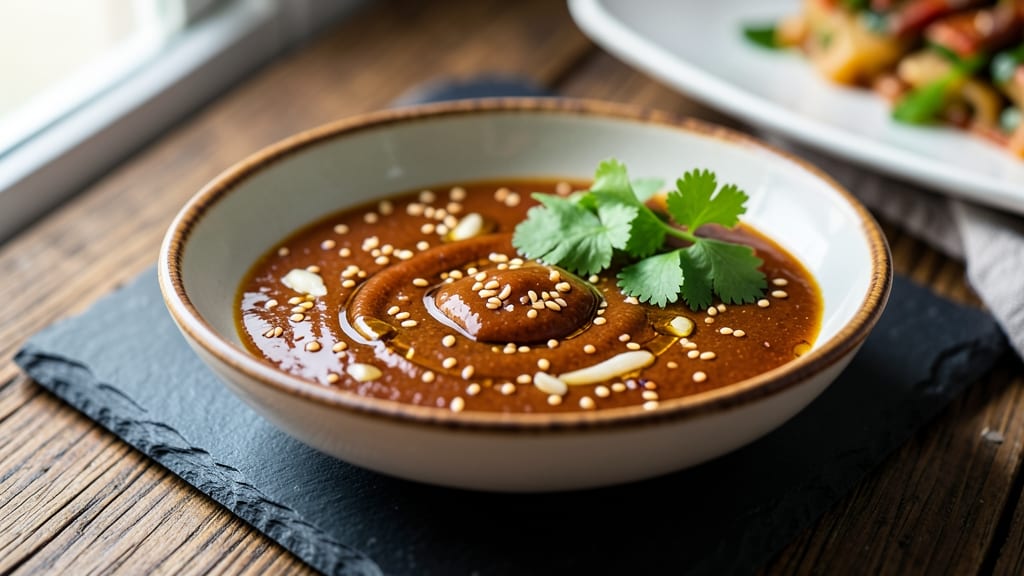
This Asian sesame sauce recipe transforms simple pantry staples into a nutty, umami-rich drizzle that elevates everything from stir-fries to dumplings. The secret lies in balancing toasted sesame oil, soy sauce, and a touch of sweetness—creating a sauce that’s both complex and foolproof.
I developed this version after years of testing, ensuring it delivers restaurant-quality flavor without requiring specialty ingredients.
The beauty of this sauce is its versatility—it works as a dipping sauce for spring rolls, a marinade for grilled meats, or a finishing drizzle for noodles.
The key steps are simple: toast the sesame seeds until fragrant, blend all ingredients until smooth, and let the flavors meld for at least 15 minutes. This waiting time allows the garlic and ginger to deepen, while the sesame oil adds that signature nutty aroma.
What you’ll end up with is a glossy, aromatic sauce that clings beautifully to food, adding layers of savory, sweet, and umami in every bite. The texture is silky but not overly thin, making it perfect for tossing or dipping.
Best of all, it keeps well in the fridge for up to two weeks, so you can make a batch and use it all week.
Pair it with grilled chicken, fresh spring rolls, or even as a glaze for roasted vegetables. Here’s how to make it—simple, adaptable, and guaranteed to become a staple in your kitchen.
Ingredients for asian sesame sauce
Pantry staples that pack a punch—this sauce delivers nutty, umami goodness in minutes.
| Ingredient | Amount | Notes |
|---|---|---|
| Toasted Sesame Oil 🫒 | ¼ cup | High-quality, nutty aroma |
| Sesame Seeds 🥜 | ¼ cup | Toasted until fragrant |
| Soy Sauce 🍶 | ½ cup | Light or dark preferred |
| Rice Vinegar 🍶 | ¼ cup | White or seasoned |
| Honey 🍯 | ¼ cup | Or maple syrup for vegan |
| Garlic Cloves 🧄 | 4 cloves | Minced for depth of flavor |
| Fresh Ginger 🌿 | 1 tbsp | Grated, about 1-inch piece |
| Sesame Paste 🥜 | ¼ cup | Smooth, not chunky |
| Water 💧 | ¼ cup | Room temperature |
| Salt 🧂 | ½ tsp | Adjust to taste |
The sesame oil is non-negotiable—look for the toasted kind at Asian markets or the international aisle. Kikkoman or La Choy sesame oil works fine if you're in a pinch, but Trader Joe's has the best-priced toasted version. Sesame seeds? Toast them in a dry pan for 2-3 minutes until fragrant—that aroma is everything. Fresh ginger and garlic are ideal, but jarred minced ginger (the kind in tubes) works in a bind. For the sesame paste, avoid the chunky kind—you want it smooth for that silky texture.
No toasted sesame oil? Regular sesame oil plus a pinch of ground sesame seeds mimics it decently. Fresh ginger too spicy? Substitute with 1 tsp ground ginger, but you'll lose that bright freshness. Honey too sweet? Swap for maple syrup or agave—works just as well. The soy sauce can be tamari for gluten-free, and dark soy adds color if you're using it as a glaze. Pro tip: if your sauce ends up too thick, thin with a splash of water or vinegar—it should coat a spoon but still drizzle easily.
This sauce keeps beautifully—cover it and store in the fridge for up to 2 weeks. The flavors actually deepen over time, so make a double batch if you can. For leftovers, stir before using since the sesame oil might separate. Freezes for 3 months if you want to stock up—just thaw in the fridge overnight. Use it on everything: toss with noodles, drizzle over spring rolls, or brush on grilled meats. The possibilities are endless.
Why You'll Love This Recipe
- Five-Ingredient Magic: That’s it—just five things in a bowl. No chopping, no peeling, no fancy techniques. Honestly, I’ve made this sauce while waiting for takeout to arrive, and it still beats 90% of bottled versions.
- Umami Bomb: The toasted sesame oil hits first—nutty, warm, like a hug in a jar—then the soy sauce and honey dance together. That little splash of rice vinegar? It’s the secret that keeps it bright and addictive, not cloying or heavy.
- Dresses Everything: Slather it on grilled chicken, drizzle it over noodles, or toss it with cold soba—it’s my go-to for lazy weeknights. Even my picky roommate (who hates "fancy" flavors) asks for seconds when I use this.
- Lasts All Week: A small jar keeps for days in the fridge, and it only costs pennies. I make a double batch on Sundays because it’s cheaper than takeout, and I can toss it into stir-fries, marinades, or even a quick fried rice when I’m starving.
Step-by-step instructions for Asian sesame sauce
This nutty, umami-packed sauce comes together in minutes with simple ingredients.
Toast the Sesame Seeds for Depth of Flavor
Heat a dry skillet over medium heat and add the 0.25 cup sesame seeds. Toast them for 2-3 minutes, stirring constantly, until they turn a rich golden brown and release their nutty aroma. You'll know they're ready when they smell intensely fragrant and begin to pop slightly.
Transfer the toasted seeds to a small bowl and let them cool completely. This step is crucial—untosted seeds won't develop that signature nutty complexity. Set them aside for later. If you're short on time, you can use pre-toasted sesame seeds, but freshly toasted makes all the difference.
Blend the Base Ingredients into a Smooth Paste
In a blender or food processor, combine the 0.25 cup sesame paste, 4 cloves garlic, 1 tablespoon fresh ginger, 0.25 cup rice vinegar, and 0.5 teaspoon salt. Blend on high for 30-45 seconds until completely smooth. The mixture should look like a thick, creamy paste with no visible chunks.
If your sesame paste is particularly thick, add 1-2 tablespoons of water to help it blend smoothly. The goal is to create a velvety base that will carry all the other flavors. Taste the mixture at this stage—it should be tangy, garlicky, and slightly spicy from the ginger.
Whisk in the Wet Ingredients for Balance
In a separate bowl, whisk together the 0.5 cup soy sauce, 0.25 cup honey, and 0.25 cup water. This combination should be smooth and well-mixed. The honey will help balance the saltiness of the soy sauce while adding a touch of sweetness that complements the umami flavors.
Slowly pour the wet mixture into the blender with the sesame paste mixture. With the blender still running on low speed, very gradually drizzle in the 0.25 cup toasted sesame oil. This prevents the oil from separating and ensures it emulsifies smoothly into the sauce. The sauce should now look thick and glossy with a rich, golden color.
Adjust Consistency and Flavor
Transfer the sauce to a small saucepan and place it over low heat. Stir gently for 2-3 minutes to help all the flavors meld together. If the sauce is too thick for your liking, add 1-2 tablespoons of water at a time until it reaches your desired consistency—it should coat the back of a spoon but still be pourable.
Taste and adjust the seasoning. You might need a bit more soy sauce for saltiness, a touch more honey for sweetness, or a splash of rice vinegar for acidity. The sauce should be perfectly balanced—savory, nutty, slightly sweet, and tangy all at once. Let it cool to room temperature before using.
Finish with Toasted Sesame Seeds
Just before serving, sprinkle the cooled sauce with the toasted sesame seeds. Gently stir them in so they're evenly distributed throughout. These seeds add texture and an extra layer of nutty flavor that makes the sauce even more irresistible.
This sauce keeps well in an airtight container in the refrigerator for up to 1 week. It's perfect for drizzling over noodles, tofu, grilled meats, or fresh spring rolls. The balance of flavors makes it incredibly versatile—don't be afraid to experiment!
Pro Tips For Making Asian Sesame Sauce
- Whisk in Stages: Start with the wet ingredients—soy sauce, vinegar, and honey—then slowly drizzle in the toasted sesame oil while whisking. The oil’s rich flavor burns out when overcooked, so add it last to keep that nutty aroma intact. (Yes, even if you’re impatient like me.)
- Toast Seeds Fresh: Skip pre-toasted sesame seeds—buy whole sesame seeds and toast them yourself in a dry pan over medium heat for 2-3 minutes until golden. They’ll lose their bitterness and add real depth to the sauce. (I learned this the hard way after using store-bought seeds that tasted flat.)
- Balance the Vinegar: Taste the sauce before adding honey—rice vinegar can sneak up on you. If it’s too sharp, a splash of warm water (½ tsp) dilutes the acidity without thinning the sauce. (Sounds weird, but it works.)
- Warm the Honey First: Mix the honey with a teaspoon of hot water or the sauce’s base before adding it to the sauce. Cold honey won’t blend smoothly and can make the sauce clump. (Your future self will thank you.)
Serving suggestions for leftovers
Noodle Perfection
This sauce transforms simple noodles into a restaurant-worthy dish. Toss 2 servings of cooked ramen or udon with 2 tablespoons of sauce and top with 2 tablespoons chopped scallions and 1 tablespoon sliced green onions.
For extra richness, drizzle with 1 teaspoon toasted sesame oil right before serving. The nutty depth clings beautifully to the noodles, creating a silky, flavorful bite every time. 🍜
Dipping Sauce Magic
Serve as a dipping sauce for spring rolls, dumplings, or edamame—it’s a game-changer. Warm the sauce slightly if using with hot dishes, but keep it cool for fresh spring rolls. For a spicy kick, add ½ teaspoon sriracha or 1 teaspoon chili crisp to the sauce before dipping.
The balance of sweet, salty, and umami makes it irresistible with crispy textures. 🥟
Grilled Meat Glaze
Brush this sauce onto chicken, pork, or tofu in the last 5-7 minutes of grilling for a caramelized glaze. The honey and soy sauce create a sticky, flavorful crust, while the sesame adds a nutty finish.
I love using it on grilled shrimp skewers—just toss them in sauce before grilling for a 5-minute marinade. The result? Juicy, aromatic protein with a glossy sheen. 🍗
Vegetable Elevation
Drizzle over roasted or steamed vegetables like broccoli, carrots, or bok choy for instant flavor. Toss 2 cups cooked veggies with 1 tablespoon sauce and a pinch of sesame seeds for a quick, healthy side.
The umami notes cut through the natural sweetness of vegetables, making them taste like a gourmet dish. Perfect for meal prep! 🥦
Rice Bowl Upgrade
Turn a simple rice bowl into a flavor explosion by mixing ½ cup cooked jasmine rice with 1 tablespoon sauce, 2 tablespoons chopped cucumber, and 1 tablespoon shredded carrots.
Top with a soft-boiled egg and sesame seeds for texture. The sauce’s balance of sweet and savory ties all the components together beautifully. 🍚
Breakfast Twist
Use this sauce as a dipping sauce for breakfast with scrambled eggs, tofu scramble, or pancakes. The nutty, tangy flavor pairs surprisingly well with sweet breakfast foods.
For extra flair, sprinkle crushed peanuts on top of the sauce before dipping. It’s a quick way to add global flavors to your morning routine. 🍳
Nutrition facts
Frequently asked questions
Can I make this sesame sauce without sesame oil?
Yes, but the flavor will be less rich. Substitute with 1 tablespoon neutral oil (like vegetable or canola) plus ½ teaspoon ground sesame seeds to mimic the nutty aroma. For best results, use toasted sesame paste instead of regular—it contains sesame oil naturally. The sauce will still taste good, but the signature depth comes from that toasted sesame oil.
Why does my sesame sauce separate?
This happens when oil and water ingredients aren't properly emulsified. To fix it, whisk vigorously or blend the sauce again for 30 seconds with a splash of warm water (1 teaspoon at a time). For prevention, always drizzle sesame oil slowly into the blender while running on low speed. The sauce should be glossy and smooth—if it looks streaky, it needs more emulsification.
Is this sauce gluten-free or vegan?
For gluten-free, use tamari instead of soy sauce. For vegan, replace honey with maple syrup or agave. The original recipe isn't naturally vegan due to honey, but the substitution works perfectly. The sauce remains rich and flavorful either way—just adjust sweetness to taste after replacing ingredients. Always check labels on sesame paste and soy sauce for hidden allergens.
How can I make this sauce spicier?
Add ½ teaspoon red pepper flakes or 1 teaspoon chili garlic sauce to the base blend before adding wet ingredients. For heat without dryness, mix ½ teaspoon sriracha into the finished sauce. Start with small amounts—sesame sauce is already bold, so you don't need much. Balance is key: the nutty sesame should still shine through the spice.
Can I use this sauce as a marinade?
Use it as a marinade for chicken, pork, or tofu by combining with 1 tablespoon extra rice vinegar and letting it sit for 30-60 minutes. The acidity helps tenderize meat while the sesame adds incredible flavor. For grilled meats, brush on in the last 5 minutes of cooking to prevent burning. The sauce works especially well with shrimp skewers—just toss and grill for 3-4 minutes per side.