
Sauces & Condiments
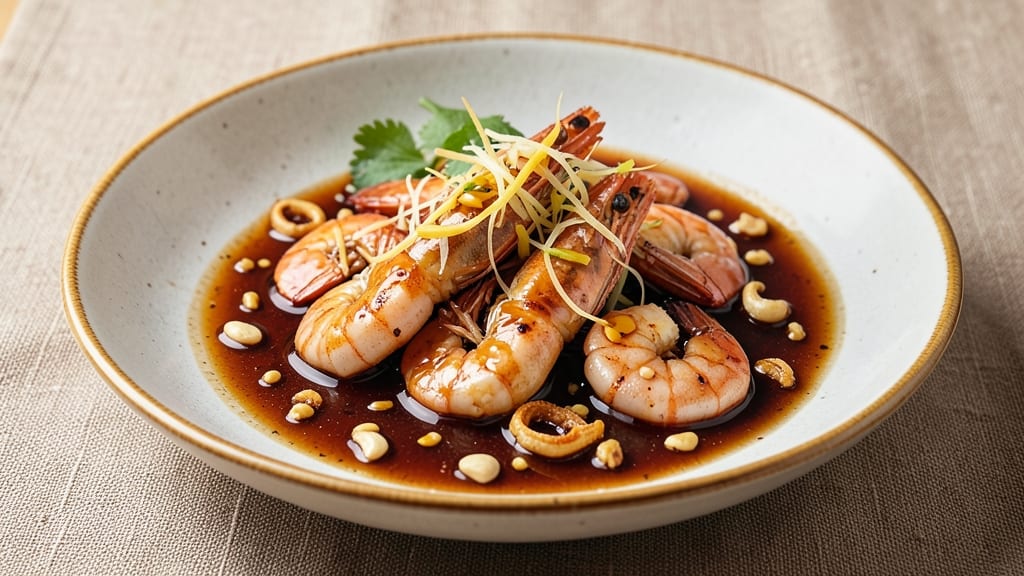
This Asian shrimp sauce recipe transforms simple stir-fries into restaurant-quality masterpieces with its perfect balance of umami depth and bright ginger zing.
The secret lies in a carefully layered blend of soy sauce, fish sauce, and aromatic ginger—creating a glaze that caramelizes beautifully while keeping the shrimp tender and flavorful.
Unlike store-bought versions, this sauce builds complexity through slow simmering, where garlic and chili infuse the liquid with layers of heat and sweetness.
The sauce is designed to be versatile yet precise: use it as a glaze for shrimp stir-fries, a dipping sauce for spring rolls, or a marinade for tofu and vegetables.
What sets this recipe apart is the fresh ginger—its sharp, citrusy notes cut through the richness of the shrimp and soy, while a touch of sesame oil adds nutty warmth.
The result is a sauce that’s bold enough to stand alone but subtle enough to complement any dish without overpowering it.
What makes this sauce truly special is its practicality for home cooks. It comes together in just 15 minutes with pantry staples and keeps well in the fridge for up to 5 days, making it perfect for meal prep.
The shrimp adds a luxurious touch while keeping the sauce pescatarian-friendly, and the optional chili flakes allow you to adjust the heat to your preference. Whether you're cooking for a weeknight dinner or prepping for a gathering, this sauce delivers restaurant-quality flavor with minimal effort.
The beauty of this recipe lies in its adaptability. Use it as a quick stir-fry sauce, a dipping sauce for fresh spring rolls, or even a marinade for grilled shrimp skewers.
The sauce’s rich, caramelized edges and bright, aromatic center make it a standout in any dish, proving that homemade always tastes better. Let’s get cooking—your taste buds will thank you.
Ingredients for asian shrimp sauce
Nine simple ingredients create a restaurant-worthy sauce that elevates shrimp stir-fries instantly.
| Ingredient | Amount | Notes |
|---|---|---|
| Large Shrimp (Peeled and Deveined) 🦐 | 1 lb | Medium size, tail-on preferred |
| Light Soy Sauce 🥢 | ½ cup | Kikkoman preferred for balance |
| Fish Sauce 🍶 | 2 tbsp | Red Boat brand recommended |
| Fresh Ginger (Peeled and Grated) 🧄 | ¼ cup | Organic preferred for brightness |
| Garlic Cloves (Minced) 🧄 | 6 cloves | Freshly minced for aromatic depth |
| Sesame Oil (Toasted) 🫒 | 1 tbsp | For nutty aroma, not cooking |
| Honey 🍯 | 2 tbsp | Local raw preferred for floral notes |
| Rice Vinegar 🍶 | 1 tbsp | Seasoned preferred for complexity |
| Chili Flakes (Optional) 🌶️ | 1 tsp | Adjust to heat preference |
| Water 💧 | ¼ cup | For thinning consistency |
The shrimp should be fresh and plump—look for bright pink color and firm texture at the seafood counter. Whole Foods or Trader Joe's carry excellent frozen shrimp if fresh isn't available, but thaw thoroughly before using. For the ginger, organic is key—it has more natural oils and zing. If you're using pre-minced garlic, toast it lightly in a dry pan first to deepen its flavor. The fish sauce is non-negotiable for umami depth—Red Boat is my go-to as it's clean and less salty than some brands.
No fish sauce? Soy sauce plus a dash of Worcestershire works in a pinch, though it won't be identical. The honey can be swapped for agave or maple syrup if you're avoiding refined sugar. For extra richness, add 1 tbsp of peanut butter and whisk until smooth—trust me, it's amazing. If you're making this ahead, reduce the water slightly as the sauce thickens as it cools. The chili flakes are optional but add that perfect heat balance—start with half and adjust to taste.
This sauce keeps beautifully in the fridge for 5 days when stored in an airtight container. For longer storage, freeze in ice cube trays—thaw and use as needed. The shrimp can be cooked separately and added fresh to the sauce just before serving to keep it plump. If you make extra, double the batch—it disappears fast when you realize how versatile it is. The sauce also freezes well for up to 3 months if you want to prep ahead for holiday gatherings.
Why You'll Love This Recipe
- Few Ingredients, Big Payoff: I swear by this combo—just shrimp, soy, fish sauce, and a handful of garlic and ginger. That’s it. No 20-item ingredient list, no hunting for obscure spices. The sauce builds itself while you chop (which, honestly, takes about two minutes).
- Umami Bomb: Between the fish sauce’s deep punch and the ginger’s bright zing, this sauce is ridiculously flavorful. The shrimp soaks up every drop, turning into tender, savory bites that disappear faster than I can say "second helping."
- Weeknight to Dinner Party: Same sauce, endless uses. Toss it with rice for a quick bowl, drizzle it over noodles, or serve it chilled with crackers when friends drop by. My lazy Tuesday version? Their "wow, this is fancy" version.
- Leftovers That Don’t Suck: This sauce keeps like a champ in the fridge—no weird textures, no sad flavors. I double the batch on Sundays, then use it all week: in stir-fries, as a marinade, or even mixed into mayo for a quick shrimp salad. Zero waste, all flavor.
Step-by-step instructions for Asian shrimp sauce
Here's how to create a vibrant, umami-rich sauce that transforms simple shrimp into a restaurant-worthy dish.
Prepare the Aromatic Base
In a medium saucepan, combine all 0.25 cup fresh ginger (peeled and grated) and all 6 cloves garlic (minced). Cook over medium heat for 3-4 minutes, stirring constantly, until the ginger becomes fragrant and the garlic turns golden brown—this releases their full aromatic potential. Be careful not to let the garlic burn, as it can turn bitter and overpower the delicate shrimp flavors.
Once the aromatics are fragrant, add 1 tablespoon toasted sesame oil and stir for 30 seconds to infuse the oil with their flavors. This step builds the complex foundation of your sauce, where the bright ginger and savory garlic meld with the nutty depth of sesame oil. The result should smell like a perfect balance of fresh and toasted notes.
Build the Sauce Foundation
Reduce the heat to low and pour in all 0.5 cup light soy sauce and all 2 tablespoons fish sauce. Stir well to combine, then add all 2 tablespoons honey and all 1 tablespoon rice vinegar. Let the mixture simmer gently for 5 minutes, allowing the flavors to meld together. You'll notice the sauce thicken slightly as the water content evaporates, creating a glossy, cohesive base.
If you're using 1 teaspoon chili flakes, sprinkle them in now and stir for 30 seconds to distribute evenly. The heat will develop gradually as the sauce cooks, so don't worry if it doesn't feel immediately spicy. This is where the sauce's complexity begins to form—the salty soy, funky fish sauce, sweet honey, and tangy vinegar all working in harmony.
Finish and Thin the Sauce
Pour in all 0.25 cup water and bring the sauce to a gentle simmer. Let it cook for 3-4 minutes until it reaches your desired consistency—it should coat the back of a spoon but still be pourable. If it thickens too much, add 1 tablespoon water at a time until you achieve a glossy, velvety texture that will beautifully coat the shrimp.
Taste and adjust seasoning: if it needs more saltiness, add a pinch of soy sauce; if it needs brightness, add a splash of rice vinegar. The sauce should balance sweet, salty, tangy, and umami flavors with a subtle heat if using chili flakes. Remove from heat and let it cool slightly—this resting period allows the flavors to fully integrate.
Cook the Shrimp
In a separate skillet, heat 1 tablespoon neutral oil over medium-high heat until shimmering. Add the 1 lb large shrimp (peeled and deveined), seasoned with 1 teaspoon salt, and cook for 2-3 minutes per side until they turn pink and opaque with a slight char. Don't overcrowd the pan—this ensures even cooking and prevents steaming.
Once the shrimp are perfectly cooked, remove them from the pan and set aside. Immediately pour the prepared sauce into the same skillet and let it simmer for 1 minute to absorb any shrimp juices and deepen its flavor. Return the shrimp to the sauce and toss gently to coat them evenly. The sauce should cling beautifully to each piece, creating a glossy, flavorful exterior.
Serve Immediately
Transfer the shrimp and sauce to a serving platter and garnish with sesame seeds and sliced green onions for color and freshness. Serve immediately over steamed rice or noodles to soak up every last bit of that umami-packed sauce. The shrimp should be tender yet firm, with a glossy sheen from the sauce, and each bite should deliver a perfect balance of sweet, salty, and aromatic flavors.
This sauce keeps well in the refrigerator for 3 days, making it perfect for meal prep. Just reheat gently before using—it's even better the second time around as the flavors continue to develop.
Pro Tips For Making Asian Shrimp Sauce
- Preheat Your Pan Properly: I learned this the hard way—cold pans make shrimp sweat instead of sear. Get that pan screaming hot for 60 seconds before adding oil. Shrimp should hit the pan with a loud sizzle, not a sad hiss. If you’re impatient like me, resist the urge to rush this—it’s the difference between restaurant-quality and "weeknight okay."
- Toast the Aromatics First: Skip the "add everything at once" approach. Cook minced garlic and grated ginger in the hot pan for 30 seconds until fragrant and just turning golden—this builds flavor depth. After burning two batches, I finally realized: this is where the sauce’s complexity starts, not when you toss in the soy sauce.
- Don’t Overcrowd the Shrimp: Shrimp releases water like crazy when cooked in batches. Crowd them, and you’ll steam them instead of searing. Work in 2-3 minutes per batch, giving them space to develop that crispy crust. Yes, it means two pans or two turns—but mushy shrimp ruin the whole dish.
- Balance Soy and Fish Sauce: Fish sauce is salty, soy sauce is salty, but they’re not the same. Start with a 3:1 ratio (soy to fish) and taste as you go—adjust by the teaspoon, not the splash. I was skeptical until I tried it: the sauce stopped tasting flat and started tasting layered. (Pro tip: use light soy for brightness, not dark.)
Make-ahead tips for asian shrimp sauce
Prep Ahead Strategy
Make the sauce base up to 3 days in advance—it actually tastes better as flavors meld! Store in an airtight container in the fridge. When ready to use, simply reheat over low heat for 3-4 minutes, adding 1 tbsp water if needed to restore pourability.
I love prepping this on Sundays for quick weeknight stir-fries. 💫
Shrimp Prep Tips
Peel and devein shrimp 24 hours ahead to save time—store in the fridge in a sealed container. The shells keep well for 3-4 days, and you can even freeze them for future stock.
For extra flavor, toss shrimp with 1 tsp cornstarch before cooking to create a light, crisp exterior. 🦐
Sauce Thickening Hacks
If your sauce thickens too much while prepping, stir in 1 tsp water at a time until smooth. For a richer texture, whisk in 1 tsp cornstarch mixed with 1 tbsp cold water and simmer for 1 minute.
The sauce should coat the back of a spoon but remain glossy. 🌡️
Freezer-Friendly Method
Divide sauce into ice cube trays and freeze for single-use portions. Thaw overnight in the fridge before reheating. For shrimp, cook fresh and store separately in a sealed container for up to 2 days.
When ready to serve, toss shrimp in the thawed sauce and warm through. This method preserves texture perfectly! ❄️
Batch Cooking Tips
Double the recipe and store extra sauce in glass jars for up to 3 months in the freezer. Label with the date and reheat portions as needed. I often make 4 servings at once—it’s perfect for meal prep and saves me time during busy weeks. 📅
Reheating Perfection
Reheat sauce in a small saucepan over low heat until just warm—never boil to prevent separation. For shrimp, warm in a skillet for 1-2 minutes to maintain tenderness.
A quick toss with a splash of water revives any lost moisture. Your dish will taste almost as good as fresh! 🔥
Nutrition facts
Frequently asked questions
Can I make this sauce without fish sauce?
Yes, you can substitute with 2 extra tablespoons of soy sauce plus 1 teaspoon Worcestershire sauce for umami depth. The flavor won't be identical, but it'll still be delicious. For a vegetarian version, use vegetarian fish sauce or 1 tablespoon coconut aminos with an extra 1/2 teaspoon salt.
How do I adjust the heat level?
Start with 1/2 teaspoon chili flakes for mild heat, or 1 teaspoon for medium. For extra spice, add 1/2 teaspoon chili paste or a pinch of cayenne. Taste after simmering and adjust—you can always add more, but you can't remove heat once it's in!
Can I use frozen shrimp?
Thaw shrimp overnight in the fridge first. Pat them dry before cooking to ensure a good sear. For extra flavor, toss thawed shrimp with 1/2 teaspoon cornstarch before cooking. Frozen shrimp works perfectly in this recipe—just don't skip the thawing step.
What if my sauce is too thick?
Add 1 tablespoon water at a time while stirring until you reach a glossy, pourable consistency. For a thicker sauce, simmer uncovered for 2-3 extra minutes to reduce. The ideal texture should coat the back of a spoon but still flow easily.
Can I use this sauce for other proteins?
Yes! This sauce works beautifully with chicken, tofu, or vegetables. For chicken, marinate pieces for 15 minutes before cooking. For tofu, press and pan-fry first to create crispy edges. The sauce's balance of sweet, salty, and umami makes it versatile for any protein or veggie stir-fry.