
Sauces & Condiments
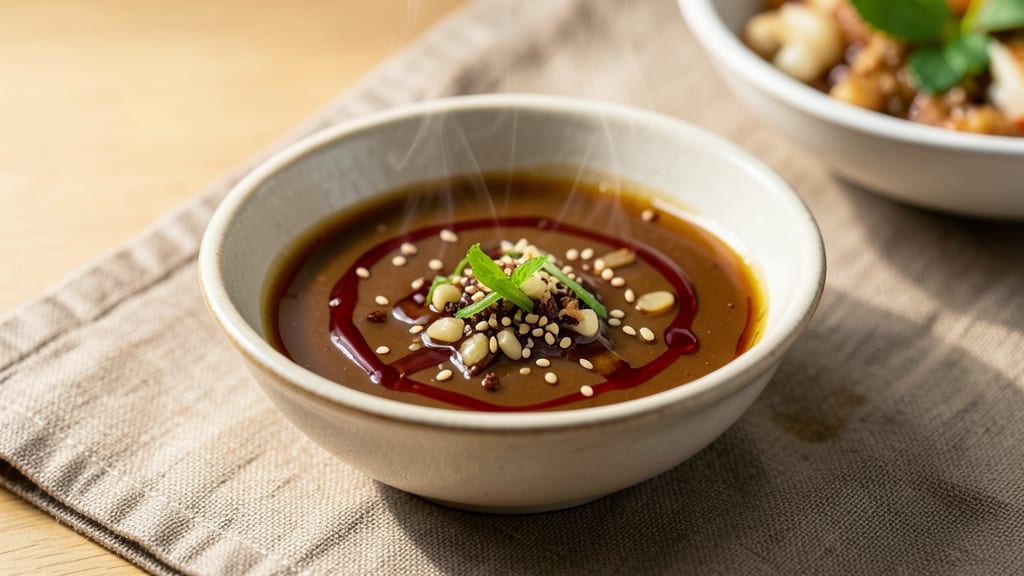
This Asian soy dipping sauce recipe transforms simple pantry staples into a velvety, umami-rich sauce that elevates everything from dumplings to grilled meats. The secret lies in balancing salty soy with sweet, tangy, and aromatic elements—creating depth that store-bought versions can't match. I developed this after years of testing, and it's now my go-to for restaurant-quality flavor at home.
The foundation is a simple soy-vinegar base, but it's the garlic, ginger, and honey that unlock the sauce's complexity. These ingredients infuse the liquid with layers of warmth and brightness, while a touch of sesame oil adds nutty richness.
What makes this recipe stand out is its versatility—it works as a dipping sauce, marinade, or even a quick stir-fry glaze, all with just a few minutes of prep.
By the time you taste the first dip, you'll notice how perfectly the flavors come together: the salty depth of soy, the bright tang of vinegar, and the subtle sweetness that rounds everything out.
The sauce keeps well in the fridge for up to a week, making it ideal for meal prep, and freezes beautifully for longer storage. It's the kind of simple yet sophisticated sauce that makes every bite taste like a restaurant experience.
Perfect for spring rolls, dumplings, or grilled skewers, this sauce is also a game-changer for roasted vegetables or even as a finishing drizzle on noodles. The instructions are straightforward, but the results are anything but basic—this is the sauce that will have everyone asking for your recipe.
Ingredients for asian soy dipping sauce
Nine simple ingredients create this restaurant-quality sauce that transforms any dish.
| Ingredient | Amount | Notes |
|---|---|---|
| Light Soy Sauce 🥢 | ½ cup | Kikkoman preferred for balance |
| Rice Vinegar 🍶 | ¼ cup | White or seasoned variety |
| Garlic Cloves 🧄 | 4 cloves | Freshly minced for aroma |
| Fresh Ginger 🌿 | 1 tbsp | Finely grated, not powdered |
| Honey 🍯 | 2 tbsp | Wildflower for depth of flavor |
| Sesame Oil 🫒 | 1 tbsp | Toasted, not flavored |
| Toasted Sesame Seeds 🌾 | 1 tbsp | For garnish and texture |
| Water 💧 | ¼ cup | Room temperature preferred |
| Diamond Crystal Kosher Salt 🧂 | ½ tsp | Adjust to taste |
| Ground Black Pepper 🌶️ | ¼ tsp | Freshly cracked preferred |
The soy sauce is non-negotiable here—Kikkoman is my go-to because it's consistent and balanced, but any light soy will work. Grab a bottle of rice vinegar from the Asian aisle; the white variety gives the best clean tang, though seasoned works too. For the garlic and ginger, fresh is a must—they bring that bright, zesty punch that dried spices can't match. I always buy ginger root and grate it myself (it's a 30-second job), and I keep a jar of minced garlic in the fridge for quick access. The honey? Wildflower adds depth, but any variety will do—just avoid the overly processed stuff. Sesame oil is where the magic happens, so don't skimp on quality here.
No sesame oil? Toasted peanut oil at half the amount works in a pinch, though the flavor will be different. Short on honey? Maple syrup or agave are great swaps, but reduce the vinegar by half a teaspoon to balance the sweetness. The sauce needs that perfect harmony of salty, sweet, and tangy, so if you're adjusting one ingredient, tweak another to compensate. For example, if you use a darker soy sauce with more depth, you might reduce the honey slightly. And if you're feeling fancy, add a pinch of white pepper instead of black for a more authentic touch.
This sauce keeps beautifully in the fridge for up to 1 week, though it tastes even better the next day as the flavors meld. For longer storage, freeze it in ice cube trays—perfect for single-use portions. When reheating, warm it gently on the stove or microwave for 15-20 seconds to maintain its velvety texture. I always make a double batch because it disappears fast—once you taste how it elevates everything from dumplings to grilled meats, you'll be hooked.
Why You'll Love This Recipe
- Five-Ingredient Magic: I swear by this combo—soy, vinegar, garlic, ginger, and honey. That’s it. No fancy techniques, no hidden spices, just pure flavor that comes together while I’m still deciding what to eat.
- Sweet-Savory Balance: The honey rounds out the sharpness of the vinegar and garlic, while the ginger adds that warm, zesty kick. It’s the kind of sauce that makes you reach for seconds, even when you’re full.
- Weeknight Workhorse: This sauce is my secret weapon for takeout nights. Drizzle it on dumplings, toss it with noodles, or serve it with spring rolls—it turns ordinary meals into something special without extra effort.
- Lasts All Week: Between us, I make a big batch and keep it in the fridge. The flavors actually get better as it sits, and I’m always grabbing it for last-minute snacks or quick lunches. No waste, all win.
Step-by-step instructions for Asian soy dipping sauce
This umami-rich sauce comes together in minutes—simple but deeply flavorful.
Mince Garlic and Grate Ginger
Start by finely mincing the 4 cloves garlic cloves—this ensures they dissolve completely into the sauce rather than creating texture. I like to press each clove through a garlic press for even distribution. Then, grate the 1 tablespoon fresh ginger using a microplane or fine grater. The goal is to create a smooth paste that won't settle at the bottom of your sauce.
This prep is crucial because raw garlic and ginger can be overpowering if not properly incorporated. Freshly grated ginger adds a bright, zesty kick that balances the soy's saltiness, while minced garlic ensures every spoonful gets that aromatic punch.
Simmer the Base Ingredients
In a small saucepan over medium heat, combine the 0.5 cup light soy sauce, 0.25 cup rice vinegar, 0.25 cup water, 0.5 teaspoon diamond crystal kosher salt, and 0.25 teaspoon ground black pepper. Bring to a gentle simmer and let it cook for 3-4 minutes until slightly reduced but not boiling vigorously.
This reduction step concentrates the flavors and creates a thicker base for your sauce. You'll see the mixture bubble gently—if it starts to bubble too hard, reduce the heat slightly. The vinegar adds acidity that cuts through the richness of the soy, while the salt and pepper enhance the overall depth.
Sweeten and Infuse with Aromatics
Remove the saucepan from heat and stir in the 2 tablespoons honey and the minced garlic and ginger you prepared earlier. Return to low heat and let it warm through for 1-2 minutes, stirring constantly. The honey should dissolve completely, creating a glossy sheen.
Here's where the magic happens—the honey balances the saltiness while adding a subtle floral note. The garlic and ginger infuse the sauce without overpowering it. Taste at this stage—if you want more depth, you can add a pinch more salt or a splash of vinegar to adjust the balance.
Finish with Sesame Oil and Seeds
Turn off the heat and stir in the 1 tablespoon sesame oil and 1 tablespoon toasted sesame seeds. The sesame oil adds a nutty aroma and rich texture, while the seeds provide a delightful crunch. Let the sauce sit for 5 minutes to allow all the flavors to meld together.
This is the moment to taste and make any final adjustments. The sauce should be tangy, slightly sweet, and deeply savory with a hint of garlic and ginger. If it's too thick, add a splash of warm water to reach your desired consistency. The sesame seeds can be stirred in or sprinkled on top just before serving for extra texture.
Pro Tips For Making Asian Soy Dipping Sauce
- MINCE GARLIC FINELY: I learned this the hard way—chopping garlic cloves into rough chunks just makes your sauce taste like you’re chewing. Use a knife or press to get it down to almost a paste before adding it to the heat. The smaller the pieces, the faster they melt into the sauce without burning.
- PEEL GINGER LAST: Fresh ginger’s skin is stubborn, and peeling it too early means it dries out or gets gummy. Keep the knob whole until you’re ready to grate or mince it right before tossing it into the sauce. A microplane works best—no need to overcomplicate it.
- LOW HEAT FOR HONEY: If you’re simmering this sauce, watch the heat. Honey burns faster than you’d think, and once it’s bitter, there’s no fixing it. Keep the flame at a gentle simmer—just enough to warm through without letting it darken. Patience here makes all the difference.
- STRAIN THE GARLIC: Yes, even if you minced it finely. After cooking, let the sauce sit for 2 minutes, then strain out the garlic bits with a fine-mesh sieve. It’s a tiny effort that keeps your sauce silky smooth, not gritty. Trust me, your first bite will notice the difference.
Troubleshooting this recipe
Overpowering Garlic/Ginger
If your sauce tastes too strong in garlic or ginger, reduce the amount next time to 2 cloves garlic and ½ tablespoon ginger. For immediate fixes, stir in 1 teaspoon honey or sugar to mellow the sharpness, or add 1 tablespoon rice vinegar to balance the intensity.
I’ve also found that a pinch of salt helps soften the bite while enhancing other flavors. 🌶️
Too Thick or Clumpy
If your sauce separates or thickens too much, whisk in 1-2 tablespoons warm water until smooth. For clumps, strain through a fine-mesh sieve to remove any undissolved bits.
To prevent this next time, simmer the base ingredients longer (5-6 minutes) to fully emulsify the sauce before adding honey and aromatics.
Not Tangy Enough
Add ½ teaspoon more rice vinegar or a splash of lemon juice to brighten the flavor. If the sauce tastes flat, a pinch of red pepper flakes can add subtle heat and lift the profile.
For a smoother tang, try 1 teaspoon mirin instead of extra vinegar—it adds sweetness and acidity in one.
Excessive Bitterness
Bitterness often comes from over-simmering or using dark soy sauce. Reduce cooking time to 2-3 minutes and stick to light soy sauce for a cleaner flavor. If bitterness lingers, sweeten with ½ teaspoon honey or add a splash of orange juice to round out the taste.
Oily Separation
Sesame oil can separate if added too early. Always stir it in off heat and let the sauce sit for 5 minutes before serving. For extra stability, whisk in 1 teaspoon cornstarch mixed with 1 tablespoon water to thicken slightly. Store in an airtight container to prevent further separation.
Weak Flavor Development
If your sauce lacks depth, try infusing it longer by simmering the base for 5-6 minutes before adding honey and aromatics. For extra umami, add 1 teaspoon fish sauce or ½ teaspoon MSG. A splash of chicken or vegetable broth instead of water can also enhance the savory notes.
Nutrition facts
Frequently asked questions
Can I make this sauce without sesame oil?
Yes! If you're avoiding sesame oil, substitute with ½ tablespoon toasted peanut oil or 1 teaspoon neutral oil like avocado oil. For a nut-free version, omit it entirely—just reduce the honey slightly (1 tablespoon) to maintain balance. The sauce will still taste delicious, though the nutty aroma will be missing.
How long does this sauce keep in the fridge?
This sauce stays fresh in an airtight container for up to 1 week in the fridge. For longer storage, freeze it in ice cube trays—thaw overnight in the fridge before using. The flavors actually improve after 24 hours as the ingredients meld together!
What's the best way to use this sauce?
This versatile sauce works as a dipping sauce for spring rolls, dumplings, or grilled meats, but it's also perfect for marinades or stir-fry glazes. For extra richness, drizzle it over noodles or use it to finish roasted vegetables. The tangy-sweet balance makes it ideal for both savory and slightly sweet dishes.
Can I make this sauce spicier?
Add ½ teaspoon red pepper flakes or 1 teaspoon sriracha when simmering the base. For heat lovers, stir in 1 teaspoon gochujang (Korean chili paste) with the honey. Start with small amounts—you can always add more, but you can't remove heat once it's in!
Why does my sauce look cloudy or separated?
Cloudiness often happens when sesame oil separates or when the sauce isn't emulsified properly. Stir in 1 teaspoon cornstarch mixed with 1 tablespoon water and heat gently to thicken. For immediate fixes, whisk vigorously or strain through a fine-mesh sieve. Always stir in sesame oil off heat to prevent separation.