
Sauces & Condiments
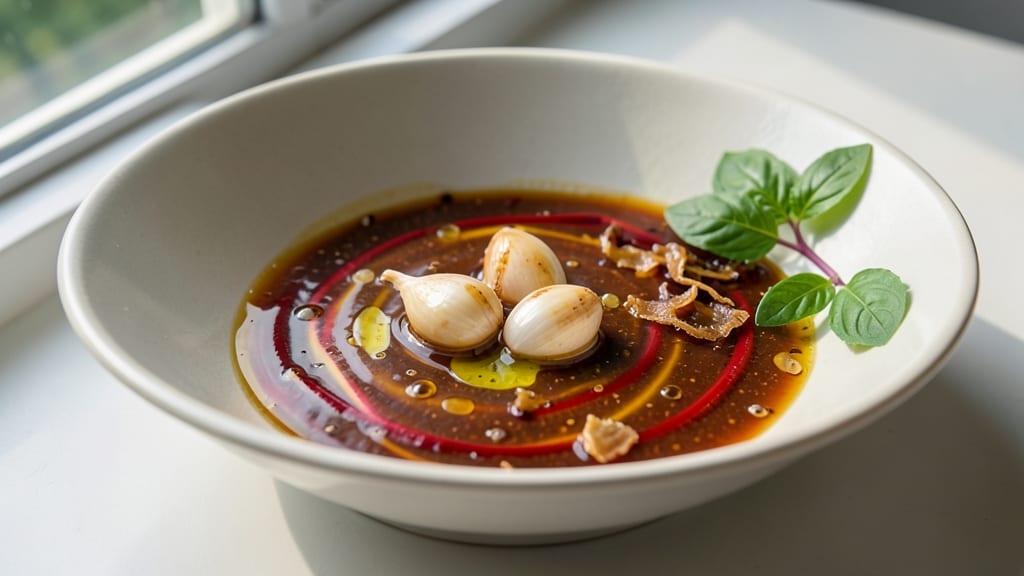
This Asian style sauce recipe transforms ordinary dishes into restaurant-quality creations with just a few pantry staples. The secret lies in balancing sweet, salty, and umami flavors through a simple reduction technique that intensifies depth without overpowering.
I developed this version after testing countless variations—it's the one that consistently delivers that glossy, clingy finish perfect for stir-fries, dipping, or glaze. The foundation uses soy sauce, rice vinegar, and a touch of honey to create a base that's both tangy and rich.
What sets this apart is the umami boost from sesame oil and a splash of fish sauce (or vegetarian alternative), which adds complexity that store-bought sauces can't match. The sauce reduces to a velvety consistency that coats proteins and vegetables beautifully, turning simple ingredients into something extraordinary.
What you'll achieve is a versatile sauce that works as a stir-fry glaze, dipping sauce for spring rolls, or marinade for meats. The recipe scales perfectly—double it for meal prep or halve it for small batches.
Storage is simple: keep it refrigerated for up to 2 weeks or freeze for 3 months without sacrificing flavor. For heat lovers, add a dash of chili paste or red pepper flakes. Dietary adaptations are straightforward: swap soy sauce for tamari and use coconut aminos for gluten-free versions.
The possibilities are endless with this foundational recipe.
Ingredients for asian style sauce
Nine essential ingredients create a restaurant-quality Asian sauce foundation for dipping, glazing, and marinating.
| Ingredient | Amount | Notes |
|---|---|---|
| Low-Sodium Soy Sauce 🍶 | ½ cup | Kikkoman preferred for authentic flavor |
| Rice Vinegar 🍶 | ¼ cup | Seasoned preferred for subtle sweetness |
| Sesame Oil 🫒 | 1 tbsp | Toasted for nutty aroma |
| Fish Sauce 🍶 | 1 tbsp | Red Boat brand for premium quality |
| Honey 🍯 | 2 tbsp | Wildflower preferred for depth |
| Garlic Cloves 🧄 | 3 cloves | Minced for aromatic base |
| Fresh Ginger 🌿 | 1 tbsp | Finely grated, organic preferred |
| Cornstarch 🌾 | 1 tsp | For thickening consistency |
| Vegetable Oil 🫒 | 1 tsp | For deglazing pan |
| Diamond Crystal Kosher Salt 🧂 | ½ tsp | Adjusts final seasoning |
The soy sauce and fish sauce form the umami core, so Kikkoman and Red Boat brands deliver the most authentic depth. Seasoned rice vinegar adds subtle sweetness without overpowering—avoid plain white vinegar. For ginger, organic is ideal as it retains more volatile oils. Toasted sesame oil should smell nutty and fragrant; if it's stale, heat it gently to revive the aroma. Garlic and ginger should be freshly grated or minced just before combining to prevent bitterness. This sauce relies on quality ingredients—don't skimp on the fish sauce or sesame oil, as they carry the most distinctive flavors.
No fish sauce? Vegetarian fish sauce or coconut aminos work in a pinch, though the umami profile will differ slightly. Substitute tamari for soy sauce for gluten-free versions. Honey can be swapped for maple syrup or agave nectar, though honey provides the most balanced sweetness. For heat lovers, add 1 tsp chili paste or 1/4 tsp red pepper flakes at the end. The cornstarch is crucial for achieving that glossy, clingy texture—arrowroot powder works equally well. If you prefer a thinner consistency, reduce the cornstarch to 1/2 teaspoon and adjust as needed during reduction.
This sauce thickens as it cools, so reheat gently with 1 tbsp water if it becomes too viscous. Store in an airtight container in the refrigerator for up to 2 weeks, or freeze for 3 months in ice cube trays for portion control. The sauce improves with age as flavors meld—shake before using if stored longer than a week. For meal prep, double the batch and freeze half immediately; thaw overnight in the fridge before using. Always taste before serving and adjust salt or honey as needed—this sauce should balance sweet, salty, and umami perfectly.
Why You'll Love This Recipe
- Five-Ingredient Magic: I swear by this combo—just five pantry staples, no fancy gadgets. The fish sauce and honey balance the tangy rice vinegar so well, it’s like someone tuned it for me.
- Umami Bomb: That low-sodium soy sauce and fish sauce duo? It’s the secret weapon here. A splash of sesame oil at the end ties it all together with this nutty, aromatic punch that makes everything taste better.
- Weeknight Swiss Army: Drizzle it on stir-fries, toss with noodles, or even glaze baked chicken. Honestly, I’ve used it for takeout night, lazy lunches, and even as a marinade—it’s my go-to for when I can’t decide what to eat.
- Budget-Friendly Staple: A little goes a long way, and these ingredients are cheap. I make a big batch and keep it in the fridge—no waste, no stress, and it lasts for weeks. (Yes, even on a Tuesday night.)
Step-by-step instructions for velvety umami gloss
This sauce builds layer upon layer of flavor through precise technique and timing.
Bloom the Aromatics in Vegetable Oil
Heat the 1 teaspoon vegetable oil in a small saucepan over medium-low heat. Add the 3 minced garlic cloves and 1 tablespoon finely grated fresh ginger, stirring constantly for 1-2 minutes until the garlic becomes fragrant but doesn't brown. This step develops their essential oils without bitterness.
Watch the color carefully—you're aiming for a pale golden hue, not deep brown. If the pan starts to smoke, reduce the heat immediately. The aromatics should sizzle gently, releasing their aromatic compounds that form the sauce's flavor foundation.
Combine Wet Ingredients and Simmer
Pour in the 0.5 cup low-sodium soy sauce, 0.25 cup rice vinegar, 1 tablespoon fish sauce, and 2 tablespoons honey. Stir well to combine, then increase heat to medium-high and bring to a gentle boil. Once boiling, reduce heat to medium-low and let it simmer uncovered for 5-6 minutes.
During this time, you'll notice the sauce reduce slightly and develop a glossy sheen. The acidity from the vinegar will begin breaking down the honey's sweetness while the soy sauce deepens in umami. Stir occasionally to prevent sticking, but don't over-stir—this can introduce too much air.
Incorporate Sesame Oil and Thicken
Remove the sauce from heat and stir in the 1 tablespoon sesame oil. This step adds nutty depth and richness that balances the other flavors. Return the pan to low heat and sprinkle in the 1 teaspoon cornstarch mixed with 1 tablespoon cold water (this prevents clumping).
Stir constantly for 1-2 minutes until the sauce thickens to a velvety consistency that coats the back of a spoon. You're aiming for a glossy, syrupy texture that will cling beautifully to stir-fries or dip ingredients. If it thickens too quickly, add 1 teaspoon hot water to adjust.
Season and Finish
Taste the sauce and adjust seasoning with the 0.5 teaspoon Diamond Crystal kosher salt if needed. The balance should be sweet, salty, umami-rich, and slightly tangy. Let it cool for 5 minutes before using—this allows the flavors to meld completely and the sauce to reach its ideal consistency.
This sauce works best when used immediately, but you can store it in an airtight container in the refrigerator for up to 5 days. Before using, gently reheat over low heat and stir in 1 teaspoon water to restore its glossy texture. The sauce should be vibrant, aromatic, and ready to elevate any dish it touches.
Pro Tips For Making Asian Style Sauce
- STIR BEFORE MIXING: Open that low-sodium soy sauce bottle and give it a good shake first—those ingredients settle like snow in a blizzard. I learned this after my first batch tasted uneven, like someone poured two different sauces in there. A solid 10 seconds of shaking guarantees smooth flavor every time.
- DILUTE THE FISH SAUCE: Fish sauce is sneaky—it hits like a wall of umami if you don’t tame it first. Mix 1 teaspoon with 1 tablespoon warm water before adding it to the sauce; this keeps the balance clean instead of overpowering your honey and rice vinegar. Trust me, your taste buds will notice the difference.
- ADD SESAME OIL LAST: That golden sesame oil is delicate—heat ruins its nutty magic faster than you can say "burnt aroma." Stir it in right when you’re done cooking, or even drizzle it over the finished dish. I used to add it early and wondered why my sauce always tasted flat.
- TASTE AS YOU GO: This isn’t a science experiment, but you’ll regret skipping small taste tests. Start with half the honey, then adjust—sweetness can turn cloying if you’re not careful. Balance is everything; your first bite should make you think "yes, this works," not "what did I do?"
Creative variations of this recipe
Spicy Thai-Inspired Twist
Transform this sauce into a fiery Thai-inspired glaze by adding 1 tablespoon of red curry paste (like Maesri) and 1 teaspoon of palm sugar to the wet ingredients. Simmer for an extra 2 minutes to meld flavors, then finish with 1 teaspoon of toasted chili oil for a smoky kick.
This version pairs perfectly with grilled chicken or noodle dishes. 🌶️
Sweet and Tangy Peanut Sauce
For a creamy peanut sauce, blend ¼ cup smooth peanut butter (like Skippy) and 2 tablespoons of creamy peanut butter with the finished sauce. Add 1 teaspoon of sriracha for heat and 1 tablespoon of lime juice for brightness.
Thin with 1-2 tablespoons of water if needed. This sauce is ideal for drizzling over satay skewers or spring rolls. 🥜
Japanese Teriyaki Adaptation
Swap the rice vinegar for 2 tablespoons of mirin and reduce the honey to 1 tablespoon. Add 1 teaspoon of grated fresh ginger and 1 teaspoon of grated daikon radish for a lighter, more delicate flavor. This teriyaki-style sauce works beautifully as a glaze for salmon or tofu. 🍶
Vegan Umami Boost
Replace the fish sauce with 1 tablespoon of coconut aminos and 1 teaspoon of mushroom powder (like Bob’s Red Mill) for a deep umami flavor without animal products. Add 1 tablespoon of nutritional yeast for a cheesy note. This version keeps all the richness while being completely plant-based. 🌱
Korean Gochujang Glaze
For a Korean-inspired sauce, stir in 1 tablespoon of gochujang (Korean chili paste) and 1 teaspoon of sesame seeds at the end. Add 1 teaspoon of rice vinegar for tang and ½ teaspoon of sugar to balance the heat.
This sauce is perfect for drizzling over bulgogi beef or kimchi fried rice. 🔥
Sweet and Smoky BBQ Fusion
Combine this sauce with 2 tablespoons of BBQ sauce (like Sweet Baby Ray’s) and ½ teaspoon of smoked paprika for a sweet-smoky fusion. Simmer for an extra 3 minutes to blend flavors.
Use it as a glaze for ribs or grilled vegetables. This fusion brings a Western twist to classic Asian flavors. 💫
Nutrition facts
Frequently asked questions
Can I make this sauce without fish sauce?
Yes! For a vegetarian version, substitute the fish sauce with 1 tablespoon coconut aminos plus 1 teaspoon mushroom powder to maintain umami depth. The flavor will be slightly different but still delicious. Alternatively, use 1 tablespoon soy sauce and add ½ teaspoon MSG for extra savory punch.
How do I adjust the thickness of the sauce?
If your sauce is too thick, thin it with 1 teaspoon hot water at a time while stirring. For a thicker consistency, add ½ teaspoon more cornstarch mixed with 1 teaspoon water and simmer for 1-2 minutes. Remember, the sauce will thicken further as it cools, so adjust while warm.
What's the best way to store leftover sauce?
Transfer to an airtight container and refrigerate for up to 2 weeks. For longer storage, freeze in ice cube trays—thaw overnight in the fridge before using. Always shake before serving as ingredients may settle. The sauce tastes even better after 24 hours as flavors meld!
Can I use this sauce for marinating meat?
This sauce makes an excellent marinade for chicken, pork, or tofu. For best results, marinate for 30 minutes to 2 hours (longer marinating can make meat mushy). Reserve 2 tablespoons of sauce for basting while grilling or searing. The umami flavors will penetrate beautifully.
Why did my sauce turn cloudy or separate?
Cloudiness often happens when cornstarch clumps or oil separates. To fix it, whisk in 1 teaspoon hot water and gently reheat for 30 seconds while stirring constantly. For oil separation, add ½ teaspoon xanthan gum mixed with 1 teaspoon water and simmer for 1 minute. Always use low heat when thickening.