
Sauces & Condiments
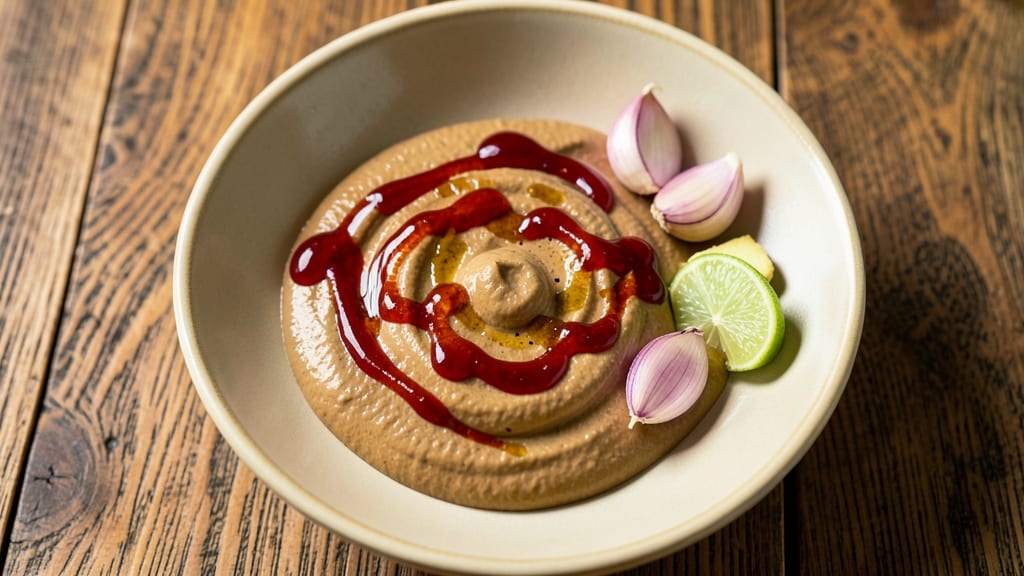
This Asian tahini sauce recipe transforms simple pantry staples into a velvety, nutty-sesame condiment with a surprising tangy depth. The secret lies in balancing tahini's richness with rice vinegar and a touch of maple syrup, creating a sauce that elevates everything from grilled vegetables to noodle bowls. I developed this version after realizing most store-bought tahini sauces were either too sweet or lacked complexity—this one delivers both.
The beauty of this sauce is its versatility—use it as a dipping sauce for spring rolls, a marinade for tofu or chicken, or a dressing for salads and grain bowls.
The texture is perfectly balanced: thick enough to coat but smooth enough to drizzle, with a subtle graininess from the tahini that adds satisfying texture. What makes it truly special is how the vinegar cuts through the richness, creating a bright, zesty contrast that keeps each bite interesting.
What you'll end up with is a sauce that's creamy yet light, nutty yet tangy, and complex enough to stand up to bold flavors. The best part? It comes together in just 10 minutes with ingredients you likely already have on hand.
This isn't just another tahini sauce—it's a flavor multiplier that transforms ordinary meals into something extraordinary.
Store any leftovers in an airtight container in the refrigerator for up to 5 days, where the flavors will continue to meld and deepen. The sauce thickens slightly when chilled, so simply stir in a splash of water or lemon juice to restore its ideal consistency before using.
This recipe is your new go-to for adding depth and dimension to any dish.
Ingredients for asian tahini sauce
Nine simple ingredients create this nutty, tangy sauce that turns any dish extraordinary.
| Ingredient | Amount | Notes |
|---|---|---|
| Tahini 🥜 | ½ cup | Sesame paste, high-quality preferred |
| Rice Vinegar 🍶 | ¼ cup | White or seasoned variety |
| Maple Syrup 🍁 | 2 tbsp | Pure, grade B for depth |
| Sesame Oil 🫒 | 1 ½ tbsp | Toasted, not flavored |
| Fresh Garlic Cloves 🧄 | 2 cloves | Peeled, minced fine |
| Fresh Ginger 🌿 | 1 tbsp | Grated, not powdered |
| Soy Sauce 🍜 | 1 tbsp | Light or tamari for gluten-free |
| Lemon Juice 🍋 | 1 tbsp | Freshly squeezed |
| Water 💧 | ¼ cup | Room temperature |
| Sesame Seeds 🌾 | 1 tsp | Toasted for garnish |
The tahini is the star—look for sesame paste with no additives at stores like Whole Foods or Trader Joe's. Their bulk bins often have the freshest, most flavorful options. If you can't find tahini, peanut butter works in a pinch (though texture will differ). The rice vinegar should smell bright and clean; if it's dull, grab a new bottle. I always keep a small bottle of Kikkoman rice vinegar on hand—it's consistent and affordable. Toasted sesame oil adds depth, so don't skip it unless you're avoiding nuts entirely.
No maple syrup? Agave nectar or date syrup works just as well—just match the amount. Fresh ginger is ideal, but powdered ginger at half the amount gets you close. The garlic and ginger should be minced fine for smooth texture. If you're using tamari, make sure it's gluten-free if that matters to you. The water is for adjusting consistency—add it gradually until you reach that perfect drizzleable thickness. For extra tang, add a pinch of red pepper flakes (trust me, it works).
This sauce keeps beautifully—5 days in the fridge in an airtight jar. The flavors actually improve overnight, so make extra if you can. If it thickens, just stir in a splash of water or lemon juice. For freezing, portion into ice cube trays—perfect for single-use portions. The sesame seeds? Toast them in a dry pan for 30 seconds before adding to the sauce for extra crunch, or sprinkle on top of whatever you're serving it with.
Why You'll Love This Recipe
- Five-Ingredient Magic: I swear, this sauce is one of those rare recipes where you mix tahini, vinegar, maple syrup, and sesame oil—and suddenly, you’ve got restaurant-quality flavor without the fuss. No blender, no straining, just a whisk and 10 minutes of your life.
- Garlic-Kissed Umami Bomb: That raw garlic clove minced into the tahini? It’s the secret weapon. The sesame oil hits first with nutty warmth, then the garlic blooms into something rich and savory—like a hug for your taste buds. (Yes, even on a Tuesday night.)
- Dresses Up Anything: Drizzle it over grilled chicken, toss it with cold noodles, or let it sit on your takeout like a fancy upgrade. It’s my go-to for turning simple meals into something that feels special—no last-minute shopping required.
- Makes Leftovers Shine: Got extra sauce? Store it in the fridge for up to a week, and it only gets better with time. The flavors meld into this deep, balanced richness that’s perfect for quick stir-fries or as a dip. Honestly, I’ve lost track of how many times I’ve pulled this jar out of the fridge.
Step-by-step instructions for Asian tahini sauce
Here's how to blend rich, nutty tahini with bright vinegar for a velvety sauce that's perfect for dipping or drizzling.
Whisk Tahini and Vinegar Until Smooth
In a medium bowl, combine the 0.5 cup tahini and 0.25 cup rice vinegar. Use a whisk or fork to stir vigorously for 2-3 minutes until the mixture becomes completely smooth and creamy. The tahini will naturally thicken as it emulsifies with the vinegar, so keep whisking until you see no streaks of tahini remaining.
This step is crucial—don't rush it. If the mixture looks too thick, add 1 tablespoon of water at a time until it reaches a pourable consistency. You want a sauce that's thick enough to coat the back of a spoon but still flows easily. The vinegar's acidity helps break down the tahini's oils, creating that signature silky texture.
Add Sweetness and Aromatics
Next, stir in the 2 tbsp maple syrup, 1.5 tbsp sesame oil, 1 tbsp soy sauce, and 1 tbsp lemon juice. The sauce should begin to lighten in color and take on a glossy sheen. Add the 2 cloves minced fresh garlic and 1 tbsp grated fresh ginger, mixing well to distribute these flavors evenly throughout.
Taste the mixture now—it should balance sweet, tangy, and umami notes. If you want more depth, add a pinch of salt. The maple syrup cuts through the tahini's richness while the lemon juice brightens the whole sauce. The garlic and ginger will infuse their flavors as you continue to blend, so don't worry if they're not fully dissolved yet.
Thin to Desired Consistency
Gradually add the 0.25 cup water one tablespoon at a time while whisking continuously. You're aiming for a sauce that's thick enough to cling to food but still pourable. The ideal consistency should be like heavy cream—it should coat the back of a spoon but not drip off immediately.
This is where the sauce comes together. Keep whisking until everything is fully incorporated and the sauce looks homogeneous. If it's still too thick after adding all the water, you can thin it further with an additional 1-2 tablespoons of water. The sauce should now have that signature Asian-inspired balance of nutty, tangy, and slightly sweet flavors.
Garnish and Serve
Transfer the sauce to a serving bowl or small pitcher. Sprinkle the 1 tsp toasted sesame seeds on top just before serving. These seeds add a delightful crunch that contrasts beautifully with the smooth sauce. The sesame seeds should be lightly toasted in a dry skillet for about 1-2 minutes until fragrant—this enhances their nutty flavor.
Serve immediately while the sauce is at its peak texture and temperature. This sauce pairs wonderfully with grilled meats, fresh vegetables, or as a dipping sauce for spring rolls. If you need to store it, keep it in an airtight container in the refrigerator for up to 5 days. Before serving, give it a good stir and thin with a splash of water if needed.
Pro Tips For Making Asian Tahini Sauce
- STORE TAHINI RIGHT: Keep your tahini in the fridge after opening—it’s not just about freshness, it thickens like glue if left out. I’ve had to scrape globs off the jar more times than I’d like to admit, so pop it back in the fridge after each use unless you’re using it within a few days.
- MINCE GARLIC FINE: Smash those garlic cloves with the flat side of your knife before mincing—it’s the only way to get that smooth, silky texture in the sauce. I used to just chop it, and the sauce had little gritty bits that ruined the whole experience.
- WHISK IN STAGES: Start with just tahini and water, whisking until smooth before adding anything else. Dumping all the ingredients in at once? You’ll end up with a lumpy mess. Trust me, the first time I ignored this, I had to strain the sauce through a fine-mesh sieve.
- DILUTE SESAME OIL LAST: Add the sesame oil right before serving—it’s delicate and burns off if you heat it. I learned this after my sauce tasted bitter once, and now I just drizzle it in like a finishing touch. A little goes a long way, so don’t go overboard.
Health benefits of this asian tahini sauce
Plant-Based Protein Boost
This tahini sauce is a vegan powerhouse, packed with plant-based protein from tahini—about 12 grams per serving. Sesame seeds are rich in complete protein, meaning they contain all nine essential amino acids your body needs.
Unlike animal proteins, this sauce delivers these benefits without cholesterol or saturated fats, making it ideal for heart-healthy diets. 💪
Rich in Healthy Fats
The tahini provides heart-healthy monounsaturated fats that support brain function and reduce inflammation. These fats are more stable at high temperatures than polyunsaturated fats, so this sauce holds up well even when drizzled over hot dishes.
The sesame oil adds an extra layer of omega-6 fatty acids, which are essential for cell growth and skin health.
Antioxidant-Rich Ingredients
Sesame seeds are loaded with lignans and sesamin, powerful antioxidants that help combat oxidative stress. The ginger and garlic in this sauce add anti-inflammatory compounds like gingerol and allicin, which may help reduce joint pain and improve circulation.
Even the maple syrup contributes antioxidants from the sap, though in moderation.
Digestive Benefits
The fiber content from whole sesame seeds aids digestion and promotes gut health. The rice vinegar adds probiotic-friendly acidity that may support beneficial gut bacteria when consumed regularly.
For extra digestive benefits, I sometimes add a pinch of ground flaxseed to the sauce—just ½ teaspoon boosts omega-3s and fiber without altering the flavor.
Blood Sugar Balance
While maple syrup adds natural sweetness, the low glycemic index of tahini and sesame seeds helps stabilize blood sugar levels. The ginger in this sauce also plays a role in improving insulin sensitivity.
For a lower-sugar option, reduce the maple syrup to 1 tablespoon and add an extra ½ teaspoon of grated ginger to compensate for the lost sweetness.
Mineral Powerhouse
Just 2 tablespoons of this sauce provide significant amounts of calcium (thanks to tahini), iron, magnesium, and zinc. The soy sauce adds extra minerals like manganese and phosphorus. These nutrients support bone health, energy production, and immune function—making this sauce not just flavorful, but genuinely nourishing. 💫
Nutrition facts
Frequently asked questions
Can I substitute tahini with another nut or seed butter?
Yes! You can use peanut butter (unsweetened) or almond butter in a 1:1 ratio, but the flavor will differ. For a closer match, try white sesame paste or cashew butter, though texture may vary slightly. The sauce will be less nutty but still delicious.
How do I adjust the sauce for a spicier kick?
Add ½ teaspoon of red pepper flakes or 1 teaspoon of sriracha when whisking the tahini and vinegar. For extra heat, stir in 1 teaspoon of gochujang (Korean chili paste) with the soy sauce. Start small—you can always add more!
Why did my sauce separate? How can I fix it?
Separation happens when the tahini and liquid aren't fully emulsified. Whisk in 1 tablespoon of warm water while blending with an immersion blender or whisk vigorously for 3-5 minutes. For stubborn separation, mix in ½ teaspoon of xanthan gum dissolved in 1 tablespoon water to stabilize it.
What are the best ways to use this sauce?
This versatile sauce works as a dipping sauce for spring rolls or dumplings, a marinade for tofu or grilled chicken, or a dressing for salads and grain bowls. Drizzle it over noodles, roasted veggies, or even use it as a base for vegan mayo by thinning with water. The possibilities are endless!
Can I make this sauce gluten-free?
Simply swap the regular soy sauce for tamari or coconut aminos. Both provide the same umami depth without gluten. Double-check your tahini label too—some brands process in gluten-containing facilities. Always verify all ingredients for cross-contamination if you have severe allergies.