
Sauces & Condiments
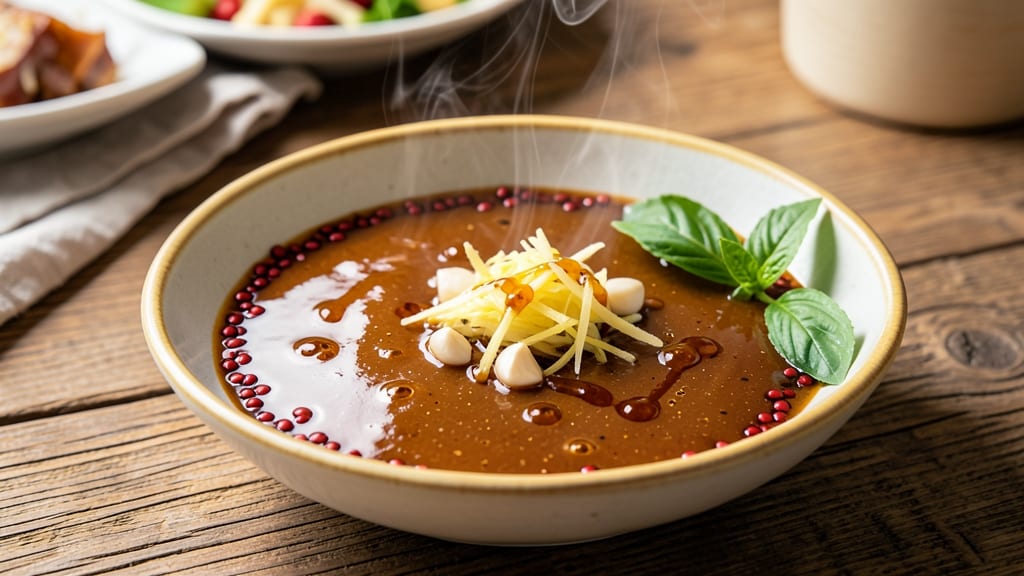
This Asian teriyaki sauce recipe transforms ordinary proteins into restaurant-worthy dishes with its perfect balance of sweet, salty, and umami. The secret lies in the slow reduction of soy sauce, mirin, and honey, creating a glossy glaze that caramelizes beautifully.
I developed this version after years of testing—it’s rich enough for glazing but versatile enough for dipping or marinating.
The sauce begins with a simple simmer of soy sauce, mirin, and honey, then builds depth with garlic and ginger. As it reduces, the flavors concentrate into a thick, sticky consistency that clings to everything it touches—whether you’re brushing it on chicken, tofu, or vegetables.
The key is patience; letting it simmer until it coats the back of a spoon ensures maximum flavor impact.
What you’ll end up with is a sauce that’s glossy, aromatic, and perfectly balanced—sweet without being cloying, salty with umami richness, and aromatic from the garlic and ginger.
It’s the kind of sauce that elevates simple weeknight meals into something special, with just the right amount of stickiness for that classic teriyaki shine.
Store it in the fridge for up to two weeks or freeze for longer shelf life. This recipe is your go-to for glazing, dipping, or marinating—no more store-bought shortcuts needed. Let’s make it.
Ingredients for asian teriyaki sauce
Sweet, salty, umami—this sauce transforms proteins with restaurant-quality glossy depth.
| Ingredient | Amount | Notes |
|---|---|---|
| Soy Sauce 🥢 | ½ cup | Low-sodium preferred for balance |
| Mirin 🍶 | ¼ cup | Sweet cooking rice wine |
| Honey 🍯 | ¼ cup | Wildflower for floral notes |
| Garlic Cloves 🧄 | 4 cloves | Minced for aromatic depth |
| Fresh Ginger 🌿 | 1 ½ tbsp | Finely grated, peel removed |
| Sesame Oil 🫒 | 1 tbsp | Toasted for nutty aroma |
| Rice Vinegar 🍶 | 1 tbsp | White vinegar substitute works |
| Sugar 🍚 | 1 tbsp | Brown sugar for caramel depth |
| Cornstarch 🌾 | 1 tsp | For thickening consistency |
| Salt 🧂 | ½ tsp | Adjust to taste at end |
The soy sauce is the umami backbone here. Kikkoman or La Choy are solid choices, but low-sodium versions let you control the saltiness better. Mirin adds that signature sweetness—don't substitute with regular rice wine, it's way too dry. For honey, Manuka or clover work best, but any wildflower variety adds floral notes that elevate the sauce. Fresh ginger and garlic should be vibrant—no shriveled roots in the back of your pantry. I always grab extra ginger because it's used in so many dishes, and Trader Joe's has the best pre-peeled, pre-grated kind for lazy days.
No mirin? Substitute equal parts white wine plus 1 tsp sugar—it's not identical, but it works in a pinch. Running low on honey? Maple syrup or agave at the same amount keeps things balanced. The sesame oil is non-negotiable for that nutty aroma, but if you're avoiding it, toasted sesame seeds at half the amount add a little of that flavor. The cornstarch is just for thickening—if you're making this in a big batch, you might need an extra half teaspoon. For a deeper umami kick, add a dash of fish sauce (if not vegetarian) or 1 tsp soy sauce reduction.
This sauce keeps beautifully—2 weeks in the fridge or 6 months in the freezer. I like to portion it into ice cube trays for easy use later. The longer it sits, the more complex the flavors get. If it thickens too much, just add a splash of water or broth. For extra shine, brush a tiny bit of neutral oil on top before storing. The first batch is always the best because you can taste-test and adjust—subsequent batches will be perfect every time.
Why You'll Love This Recipe
- Pantry Magic: I swear by this sauce—no specialty ingredients, just what’s already lurking in my cabinet. That jar of mirin I bought on a whim? Suddenly, it’s the star. The honey cuts the saltiness just right, and the ginger adds this bright zing that makes it taste homemade (even when I’m too tired to chop much).
- Glaze That Sticks: Between us, store-bought teriyaki is often too thin or cloyingly sweet. This? It caramelizes beautifully on chicken thighs, leaving that glossy, sticky crust that’s actually worth licking the plate. The garlic and ginger simmer into the sauce, so every bite has depth—not just sugar and salt.
- Weeknight Swiss Army: Slap it on grilled salmon, toss it with stir-fried veggies, or drizzle it over rice bowls. I’ve even used it as a marinade for tofu that my picky teenager actually ate. Honestly, the only limit is how creative you get—it’s my go-to when I’m too busy to plan but still want flavor.
- Make-Ahead Goldmine: Double the batch and stash it in the fridge for up to two weeks. It’s my secret weapon for lazy Mondays: just reheat and glaze whatever’s in the fridge. And because it’s mostly soy, mirin, and honey, it’s cheaper than takeout and way healthier. Plus, the flavors deepen the longer it sits—proof that good things come to those who don’t overcomplicate.
Step-by-step instructions for glossy teriyaki sauce
Here's how to craft a perfectly balanced teriyaki sauce with rich umami and sweet depth.
Bloom the Aromatics in Sesame Oil
Heat a small saucepan over medium-low heat and add the 1 tablespoon sesame oil. Once the oil shimmers gently, add the 4 minced garlic cloves and 1.5 tablespoons finely grated fresh ginger. Cook for 1-2 minutes until the garlic turns golden and fragrant—this prevents any bitterness from developing.
Here's the thing—don't walk away. Ginger burns faster than you think, and you want those aromatic oils to infuse without turning bitter. Once you smell that sweet, garlicky aroma, it's time to move to the next step. The oil should look slightly darkened but not browned.
Combine Wet Ingredients and Simmer
Pour in the 0.5 cup soy sauce, 0.25 cup mirin, 0.25 cup honey, 1 tablespoon rice vinegar, and 1 tablespoon sugar. Stir well to combine, then increase heat to medium-high. Bring the mixture to a gentle boil, then immediately reduce heat to medium-low.
Let it simmer uncovered for 8-10 minutes, stirring occasionally. You'll notice the sauce thicken slightly and develop a beautiful glossy sheen. This simmering step reduces the alcohol content from the mirin while allowing all the flavors to meld together. The sauce should smell like a perfect balance of sweet, salty, and aromatic notes.
Thicken the Sauce with Cornstarch
In a small bowl, whisk together the 1 teaspoon cornstarch with 2 tablespoons water until smooth. Once your sauce has simmered for 8 minutes, pour this cornstarch mixture into the pan while stirring constantly. The sauce will thicken almost immediately—keep stirring for another 1-2 minutes until it reaches your desired consistency.
For a glossy finish, I like to add a splash more water if it's too thick. The sauce should coat the back of a spoon but still be pourable. If it's too thin, just add another teaspoon of cornstarch mixed with water and simmer for another minute. This is where you'll taste the true balance of flavors—sweet from the honey, umami from the soy, and that bright acidity from the rice vinegar.
Season and Finish with Salt
Remove the sauce from heat and stir in the 0.5 teaspoon salt. Taste immediately and adjust the seasoning if needed. You might want to add a touch more honey for sweetness, or a splash of rice vinegar for brightness. The sauce should be perfectly balanced—sweet enough to coat your proteins, but with enough umami to complement them.
Let the sauce cool slightly before using. I often find that letting it sit for 10 minutes allows the flavors to meld even more beautifully. This sauce will keep in the refrigerator for up to 2 weeks, making it perfect for meal prep. The longer it sits, the more complex the flavors become.
Pro Tips For Making Asian Teriyaki Sauce
- Simmer Slow and Steady: Asian teriyaki sauce needs time to marry flavors—don’t rush the simmer. After combining soy sauce, mirin, and honey, reduce heat to medium-low and let it bubble gently for 8–10 minutes. I used to crank it up, thinking it’d speed things along, but that just burns the honey and makes the sauce bitter. Let it work its magic.
- Grate That Ginger: Fresh ginger loses its punch when minced—grate it instead for maximum zing. Use the fine side of a box grater and pack it tight into the sauce (about 1 tablespoon). My grandmother swore by this, and she was right: pre-minced ginger just doesn’t cut it in teriyaki. No food processor? A microplane works just as well.
- Balance the Sweet and Salty: Taste your sauce before it hits the pan—adjust the honey-to-soy ratio if needed. Too cloying? Add a splash more soy. Too sharp? A drizzle of honey or even a pinch of sugar smooths it out. I learned this the hard way after making a batch that tasted like a dessert glaze. Trust your palate—this isn’t a science experiment.
- Toast the Garlic First: Sauté the garlic in oil for 30 seconds until fragrant before adding liquids—this stops it from turning bitter. Overlooking this step means your sauce will taste raw and harsh. (Yes, even if you’re impatient like me.) A quick aroma check tells you it’s ready: golden edges, but not brown. Skip this, and you’ll regret it.
Make-ahead tips for this recipe
Batch Prep Secrets
Make a double batch of this teriyaki sauce and store it in quart-sized glass jars—it’s perfect for meal prep. I like to freeze half in 1-cup portions using silicone ice cube molds for single-use applications.
When frozen, these portions thaw in 5 minutes in the microwave or 10 minutes in a bowl of warm water. 💫
Flavor Boosting
Add 1 teaspoon grated orange zest or ½ teaspoon ground white pepper to the simmering sauce for extra depth. For a spicy kick, stir in ½ teaspoon gochujang or 1 teaspoon sriracha during the final 2 minutes of simmering. These tweaks work wonders for glazing tofu or grilled vegetables.
Glazing Prep
When using this sauce for glazing, warm it slightly in the microwave for 20-30 seconds before brushing—it spreads more evenly. For extra shine, mix 1 teaspoon neutral oil (like avocado or grapeseed) into the sauce before glazing. This creates a satiny finish that rivals restaurant-quality dishes.
Long-Term Storage
Divide the sauce into small airtight containers (like mason jars or freezer-safe bags) before freezing. Label each with the date—it stays fresh for up to 6 months in the freezer.
To reheat, transfer directly from the freezer to a saucepan and warm over low heat, stirring constantly until smooth.
Sauce Versatility
Use this teriyaki sauce as a dipping sauce for dumplings or spring rolls by thinning it with 1 tablespoon water.
For marinades, mix ¼ cup sauce with 1 tablespoon sesame oil and 1 minced garlic clove—let proteins marinate for at least 30 minutes (or overnight for deeper flavor). 🌟
Sauce Consistency Fixes
If your sauce thickens too much when reheating, add 1 teaspoon water at a time until it reaches a pourable consistency. For extra gloss, brush a tiny bit of neutral oil on top before storing.
If it separates, whisk vigorously over low heat until fully combined—this happens occasionally with homemade sauces.
Nutrition facts
Frequently asked questions
Can I substitute mirin in this teriyaki sauce?
Yes! If you don't have mirin, mix ¼ cup white wine with 1 teaspoon sugar for a close substitute. For a non-alcoholic version, use ¼ cup apple juice plus 1 teaspoon sugar. The sauce will still develop sweetness, though mirin's natural depth is ideal for authentic flavor.
How do I adjust the sweetness level?
Start with the recipe as written, then taste and adjust. For less sweetness, reduce honey by 1 tablespoon or add ½ teaspoon extra rice vinegar for brightness. For extra sweetness, add 1-2 teaspoons more honey and simmer for 2 minutes longer to balance flavors.
What's the best way to store leftover teriyaki sauce?
Transfer to an airtight container and refrigerate for up to 2 weeks. For longer storage, freeze in 1-cup portions using silicone molds or ice cube trays. Thaw overnight in the fridge or reheat directly from frozen over low heat, stirring constantly.
Can I use this sauce as a marinade?
Mix ¼ cup sauce with 1 tablespoon sesame oil and 1 minced garlic clove for a perfect marinade. Let proteins marinate for 30 minutes (chicken/tofu) or 2 hours (beef) in the fridge. The sauce's umami and sweetness will penetrate beautifully.
Why did my sauce turn out too thin?
This usually happens if you didn't simmer long enough or if the cornstarch didn't activate properly. Next time, simmer uncovered for 10-12 minutes total, and