
Sauces & Condiments
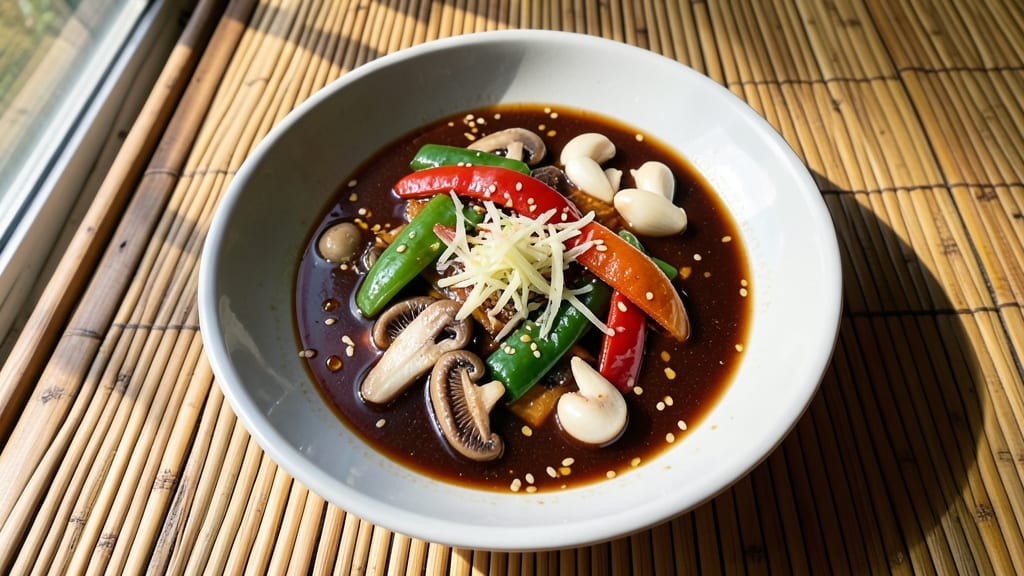
This Asian vegetable stir fry sauce recipe transforms bland veggies into restaurant-quality wok perfection with just five simple ingredients and 15 minutes of prep. The secret lies in balancing umami from soy sauce with natural sweetness and a touch of acidity—creating a glaze that caramelizes beautifully during stir-frying.
I developed this sauce after years of testing, and it's now my go-to for vibrant, flavorful vegetable dishes that never taste like an afterthought.
The sauce builds on a classic foundation of soy sauce, rice vinegar, and brown sugar, but with a professional twist: fresh ginger and garlic for depth, and a splash of sesame oil for nutty richness.
Unlike store-bought versions, this recipe avoids artificial flavors and thickeners, ensuring every wokful delivers authentic, complex taste. The sauce thickens slightly as it cooks, creating those signature glossy strands that cling perfectly to crisp-tender vegetables.
What makes this sauce truly perfect is its versatility—it elevates simple stir-fried cabbage, bell peppers, and snap peas into a bold, umami-packed meal that stands alone or pairs beautifully with tofu or noodles.
The recipe yields enough for two generous servings, with leftovers storing well in the fridge for up to 5 days or freezer for 3 months. For extra depth, consider adding a dash of chili paste or toasted sesame seeds.
Ready in just 15 minutes, this sauce transforms your vegetable stir-fry from ordinary to extraordinary—proving that plant-based meals can be just as flavorful as their meat-based counterparts. Here's how to make it:
Ingredients for asian vegetable stir fry sauce
Five ingredients transform basic vegetables into restaurant-quality stir-fry perfection.
| Ingredient | Amount | Notes |
|---|---|---|
| Low-Sodium Soy Sauce 🥢 | ⅓ cup | Kikkoman preferred for balance |
| Rice Vinegar 🍶 | ¼ cup | Seasoned variety adds depth |
| Light Brown Sugar 🍚 | ¼ cup | Packed firmly for accuracy |
| Fresh Ginger 🌿 | 1 ½ tbsp | Finely grated, aromatic |
| Garlic Cloves 🧄 | 4 cloves | Minced, not pressed |
| Toasted Sesame Oil 🫒 | 1 tbsp | For nutty aroma |
| Water 💧 | ¼ cup | Room temperature preferred |
| Cornstarch 🌾 | ½ tsp | For thickening consistency |
The foundation begins with Kikkoman soy sauce—its balanced saltiness is essential for umami depth without overpowering. Rice vinegar should be seasoned (like Mitsukan) to add subtle sweetness and acidity that caramelizes beautifully during cooking. For brown sugar, Domino brand packs consistently, but any light variety works. Fresh ginger and garlic are non-negotiable here—their aromatic compounds release during cooking, creating that signature wok hei flavor. Whole Foods or Asian markets carry the freshest ginger with vibrant color and firm texture, while garlic should have tight cloves free of sprouts. Toasted sesame oil (found in the international aisle) adds nutty richness that separates this from basic store-bought sauces.
No low-sodium soy sauce? Regular soy sauce works, but reduce to 0.25 cup to avoid saltiness. Substitute balsamic vinegar for rice vinegar, though the flavor profile shifts slightly. Coconut sugar or maple syrup can replace brown sugar, though texture may vary. For garlic-sensitive eaters, reduce to 2 cloves. The cornstarch is optional but recommended—it creates that signature glossy consistency. If unavailable, arrowroot powder at half the amount works equally well. For extra depth, add 1 tsp chili paste or 1 tbsp hoisin sauce to the finished sauce, but omit these from the base recipe to maintain balance.
This sauce thickens as it cooks, so make it fresh for best results. Store in an airtight container in the fridge for 5 days, or freeze for 3 months—thaw overnight in the fridge before reheating. The sauce reheats beautifully, though texture may separate slightly. For restaurant-quality wok perfection, use 1 tbsp sauce per 2 cups vegetables, tossing immediately after cooking to prevent sticking. Double the batch—it disappears faster than you expect.
Why You'll Love This Recipe
- Pantry Powerhouse: I swear by this sauce because it lives in my fridge year-round—just soy sauce, rice vinegar, and a pinch of sugar. No fancy ingredients, no last-minute grocery runs. The ginger and garlic? I keep those on hand anyway, so it’s really just mixing what I already have.
- Umami Magic: That first bite—oh man—where the soy sauce’s saltiness meets the bright tang of rice vinegar, then the warm caramel from brown sugar? It’s the kind of balance that makes you pause mid-bite. Honestly, I’ve tried store-bought sauces, but this one? It’s the real deal, every time.
- Meal Prep MVP: This sauce turns any veggie into a standout side or main. Toss it with stir-fried cabbage for lunch, drizzle it over noodles for dinner, or even use it as a quick marinade for tofu. I make a big batch on Sundays and it lasts all week—no guessing what to eat.
- Budget-Friendly Boost: A single jar of low-sodium soy sauce and a bag of rice vinegar stretch across so many meals. The ginger and garlic are cheap staples, and the brown sugar? A little goes a long way. It’s the kind of recipe that makes me feel smart about my grocery bill without sacrificing flavor.
Step-by-step instructions for Asian vegetable stir fry sauce
This umami-rich glaze delivers restaurant-quality depth with simple pantry staples.
Prepare Aromatics and Combine Wet Ingredients
In a small bowl, finely grate the 1.5 tablespoons fresh ginger using a microplane or fine grater. I like to press it against the grater with my thumb to extract maximum flavor—this ensures the sauce carries that bright, zesty ginger aroma. In the same bowl, mince the 4 cloves garlic using a sharp knife, keeping the pieces uniform but not too fine.
Transfer the grated ginger and minced garlic to a small saucepan. Add the 0.33 cup low-sodium soy sauce, 0.25 cup rice vinegar, and 0.25 cup light brown sugar. Stir over medium-low heat for 3-4 minutes until the sugar begins to dissolve completely. The mixture should smell deeply aromatic—like a perfect balance of salty, tangy, and sweet. Keep the heat low to prevent the vinegar from boiling off too quickly, which would concentrate the flavors unevenly.
Simmer and Thicken the Sauce
Pour in the 0.25 cup water and bring the mixture to a gentle simmer. Here's the thing—you want the sauce to reduce slightly but not evaporate completely. Simmer for 5-6 minutes, stirring occasionally, until the mixture thickens enough to coat the back of a spoon. The sauce should look glossy and slightly syrupy, with a rich, caramelized aroma from the brown sugar.
After 4 minutes of simmering, taste and adjust the balance. If it needs more depth, add a pinch of salt. If it's too sharp, stir in ½ teaspoon more light brown sugar. The goal is a sauce that's tangy from the vinegar, salty from the soy, and sweet enough to balance the heat when tossed with vegetables. If you're using seasoned rice vinegar, you might not need additional salt.
Finish with Toasted Sesame Oil and Thicken
Remove the saucepan from heat and stir in the 1 tablespoon toasted sesame oil. This is where the sauce gets its nutty, aromatic complexity—don't skip it. The oil should be fully incorporated but still visible as delicate streaks throughout the sauce. Let the mixture cool slightly for 2 minutes, then return it to low heat. In a small bowl, whisk together the 0.5 teaspoon cornstarch with 1 tablespoon cold water to create a slurry.
Slowly drizzle the cornstarch slurry into the simmering sauce while stirring continuously. The sauce will thicken almost immediately—you're looking for a consistency that coats the back of a spoon but remains pourable enough to glaze vegetables beautifully. Simmer for another 1-2 minutes until fully thickened. If the sauce separates or looks too thin, whisk in another ½ teaspoon cornstarch mixed with 1 teaspoon water. The final sauce should be glossy, cling to a spoon, and have a velvety texture perfect for tossing with wok-fried vegetables.
Cool and Adjust for Wok Perfection
Transfer the sauce to a small bowl and let it cool to room temperature. This resting period allows the flavors to meld completely and the sauce to reach its ideal consistency. I like to taste it again at this stage—sometimes the flavors deepen as it cools. If it's too thick after cooling, thin it with 1 teaspoon water at a time until it reaches a glossy, glaze-like consistency.
The sauce is now ready to use. For best results, toss it with freshly stir-fried vegetables over high heat in a wok or large skillet. The residual heat will help the sauce cling to every crisp-tender vegetable, creating that perfect glossy finish. Store any leftovers in an airtight container in the refrigerator for up to 5 days, or freeze for 3 months. When reheating, warm gently over low heat and adjust consistency with water if needed.
Pro Tips For Making Asian Vegetable Stir Fry Sauce
- STIR ON HIGH HEAT: Don’t simmer this sauce—bring it to a rolling boil for 30 seconds after adding the sugar. I used to let it bubble gently, but that leaves the brown sugar grainy and the flavors flat. A quick boil dissolves the sugar completely and deepens the caramelized notes.
- GRATE GINGER FINE: Skip the mincer—use a microplane or the smallest holes on a box grater for ginger. This releases more aromatic oils without bitterness, and it blends seamlessly into the sauce. (Yes, even if you’re impatient like me.)
- TASTE BEFORE SWEETENING: Add the rice vinegar and soy sauce first, then taste—raw. The sugar should balance the acid, not overpower it. I learned this the hard way by dumping a tablespoon of brown sugar in blindly, only to realize the sauce needed more vinegar afterward.
- USE GARLIC PASTE FOR SPEED: Mince garlic fresh for best flavor, but when you’re short on time, use 1 teaspoon of garlic paste (the kind in tubes). It’s not the same, but it saves 5 minutes of chopping—and your stir-fry won’t wait forever. (Your future self will thank you.)
Best sauces and condiments for this dish
Classic Soy-Ginger Base
This foundational sauce balances umami from Kikkoman soy sauce with bright ginger and garlic. The rice vinegar adds tangy depth while brown sugar caramelizes beautifully during cooking. I recommend using freshly grated ginger—it releases more aromatic oils than pre-minced versions.
For extra authenticity, toast the garlic cloves in a dry pan for 30 seconds before mincing to deepen their flavor. 🌿
Sweet and Tangy Variations
Craving more sweetness? Swap the brown sugar for honey or maple syrup—just reduce to 2 tablespoons to avoid overpowering. For tang, add 1 teaspoon lime juice at the end for a bright finish.
My go-to is 1 teaspoon chili paste (like Sriracha or Gochujang) for a spicy-sweet kick. If you love umami, stir in 1 tablespoon hoisin sauce after cooking for extra depth.
Nutty and Toasted Twists
For a richer profile, replace toasted sesame oil with peanut oil and finish with 1 tablespoon crushed peanuts or sesame seeds. I also love adding 1 teaspoon miso paste (white or red) during simmering for a fermented complexity.
For a smoky touch, sprinkle ½ teaspoon smoked paprika into the sauce at the end. These tweaks elevate the sauce from simple to restaurant-worthy. 🥜
Thickening and Consistency Tips
The cornstarch slurry is key for that glossy, clinging texture. If your sauce separates, whisk in ½ teaspoon more cornstarch mixed with 1 teaspoon water until smooth. For a thicker glaze, simmer the sauce uncovered for 1-2 extra minutes to reduce further.
If it’s too thick after cooling, thin with ½ teaspoon water at a time. Pro tip: Use a wire whisk for silky smoothness—it prevents lumps better than a spoon. ✨
Storage and Reheating
Store leftovers in an airtight container in the fridge for 5 days or freeze for 3 months. To reheat, warm over low heat while stirring constantly—this prevents burning. If the sauce thickens too much, add 1 teaspoon water at a time.
I like to freeze sauce in ice cube trays for portion control—just pop one cube into stir-fries as needed. The flavors actually improve after a few days as the spices meld. ❄️
Nutrition facts
Frequently asked questions
Can I make this sauce without cornstarch?
The cornstarch creates that signature glossy texture, but you can substitute 1 teaspoon arrowroot powder or even 1 tablespoon all-purpose flour mixed with water. For a thicker sauce, simmer the mixture longer—about 5-7 minutes—to reduce the liquid naturally. The flavor will be slightly less glossy but still delicious!
How much sauce should I use for stir-fried vegetables?
Start with 1-2 tablespoons of sauce per 2 cups of cooked vegetables. Toss the sauce with the veggies immediately after stir-frying while they're still hot—this helps it cling beautifully. If you prefer a lighter coating, reduce to 1 tablespoon per 2 cups and adjust to taste.
Can I use this sauce for other dishes besides stir-fry?
This sauce works perfectly for glazing grilled tofu, drizzling over steamed rice, or even as a dipping sauce for spring rolls or edamame. For extra richness, brush it on baked chicken or fish before serving. The versatility makes it a pantry staple!
What if my sauce tastes too salty?
If the sauce is too salty, balance it by adding 1 teaspoon more brown sugar or 1 teaspoon rice vinegar to brighten the flavor. You can also thin it slightly with 1 tablespoon water to dilute the saltiness. Always taste as you go—adjusting gradually ensures perfect balance!
Can I make this sauce ahead of time?
Yes! This sauce actually tastes better after resting. Store it in an airtight container in the fridge for up to 5 days or freeze it for 3 months. Reheat gently over low heat, adding a splash of water if it thickens too much. The flavors meld beautifully over time, making it even more flavorful!