
Sauces & Condiments
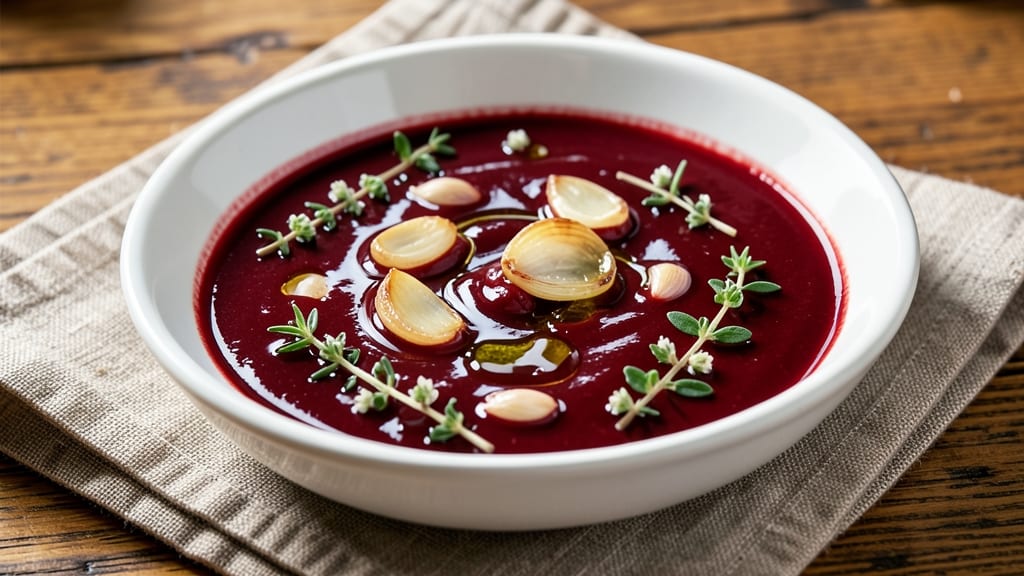
This au jus sauce recipe without drippings delivers restaurant-quality depth using wine, stock, and simple aromatics instead of relying on meat juices. The key lies in proper deglazing and slow reduction—a technique that transforms basic ingredients into a rich, velvety sauce with layers of savory complexity.
I perfected this method after years of testing, and it never fails to impress, even with tough cuts of meat.
The foundation starts with a dry pan sear to develop flavor, followed by deglazing with wine to lift those browned bits from the bottom. Adding beef stock and aromatics like shallots and garlic builds the base, while a touch of tomato paste adds umami depth.
The sauce reduces gradually, concentrating flavors without relying on raw drippings for richness.
What you'll end up with is a glossy, aromatic sauce that clings beautifully to roasted meats or pan-seared steaks. It's tangy yet balanced, with just enough acidity from the wine to cut through richness.
The best part? This method works with any protein—beef, pork, or even chicken—making it incredibly versatile for weeknight dinners.
Perfect for enhancing roasted meats, grilled steaks, or even as a dipping sauce for crusty bread. The technique is simple but transformative, proving that homemade au jus doesn't require drippings to shine. Let's create this flavorful sauce that elevates every bite.
Ingredients for au jus sauce recipe without drippings
Wine, stock, and aromatic vegetables create restaurant-quality au jus without relying on meat drippings.
| Ingredient | Amount | Notes |
|---|---|---|
| Dry Red Wine 🍷 | ½ cup | Bold, dry variety preferred |
| Beef Stock 🥩 | 2 cups | Homemade or high-quality store-bought |
| Tomato Paste 🍅 | 1 tbsp | Smooth, no-sugar-added preferred |
| Shallots 🧅 | 2 whole | Finely minced, not chopped |
| Garlic Cloves 🧄 | 4 cloves | Peeled and minced |
| Fresh Thyme Leaves 🌿 | ¼ cup | Or 1 tsp dried thyme |
| Fresh Parsley Leaves 🌿 | ¼ cup | Chopped for garnish |
| Extra-Virgin Olive Oil 🫒 | 1 tbsp | For deglazing |
| Diamond Crystal Kosher Salt 🧂 | ½ tsp | Adjust to taste |
| Freshly Ground Black Pepper 🌶️ | ¼ tsp | For finishing |
The wine is non-negotiable—bold, dry reds like Cabernet Sauvignon or Merlot work best, as their acidity balances the richness. Trader Joe's or local vineyards often carry affordable, high-quality options. For beef stock, homemade is ideal, but Kirkland Signature or Pacific Foods brands deliver consistent results. Shallots add delicate sweetness without overpowering; avoid yellowing or sprouting when selecting. Fresh thyme and parsley should be bright green and fragrant—wilting indicates age. The tomato paste provides umami depth, so choose a smooth, no-sugar-added variety for optimal flavor.
No red wine? Substitute with beef broth and a splash of balsamic vinegar (1 tbsp each) for acidity. Shallots can be replaced with 1/4 cup finely diced red onion, though flavor will differ slightly. Dried thyme works at one-third the amount of fresh, but fresh is preferred for its vibrant aroma. If you lack tomato paste, 1 tbsp concentrated mushroom powder adds umami without altering texture. For a richer finish, a pinch of Worcestershire sauce (ensure it's vegetarian if needed) enhances depth, though it's optional. The olive oil should be extra-virgin for fruity notes—avoid refined versions that lack flavor.
This sauce peaks after 3-4 days in the refrigerator, with flavors deepening over time. Store in an airtight container with a thin layer of oil on top to preserve freshness. For longer storage, freeze in ice cube trays—thaw and reheat gently for best results. The sauce reheats beautifully; simmer gently over low heat to avoid skin formation. Garnish with fresh parsley just before serving to maintain vibrant color and aroma. Portion into small containers for easy use with roasted meats or steaks.
Why You'll Love This Recipe
- No Drippings Needed: I swear by this version—no fussing with pans full of fat, just rich flavor from the wine and stock. The shallots caramelize in minutes while you chop garlic, and boom, you’re done.
- Wine’s Secret Boost: That splash of dry red wine? It’s not just for show—it deepens the sauce with a velvety, slightly tangy note that cuts through the richness of beef stock. Honestly, it’s the upgrade I never knew I needed.
- Leftovers That Shine: This sauce keeps for days in the fridge and only gets better when reheated. I use it on weeknight dinners, toss it into pasta, or drizzle it over grilled chicken—every time, it’s a hit.
- Budget-Friendly Luxury: Tomato paste and shallots stretch this recipe far, and red wine feels fancy without breaking the bank. Between us, this is how I make restaurant-quality taste at home without the splurge.
Step-by-step instructions for au jus sauce without drippings
This method delivers restaurant-quality depth using only pan-seared aromatics and precise technique.
Build the Flavor Base with Shallots and Garlic
Heat the 1 tablespoon extra-virgin olive oil in a medium saucepan over medium-low heat. Add the 2 whole shallots and cook for 8-10 minutes, stirring occasionally, until they become translucent and just beginning to caramelize along the edges. This slow cooking extracts their natural sweetness without burning.
Add the 4 cloves garlic and cook for another 30 seconds until fragrant. Watch closely—the garlic should soften but not brown. Remove the pan from heat immediately to prevent bitterness. This aromatic foundation forms the sauce's complex flavor profile.
Develop Depth with Tomato Paste and Wine
Return the pan to medium heat and stir in the 1 tablespoon tomato paste, cooking for 1-2 minutes until it darkens slightly and releases its concentrated flavor. This step intensifies the sauce's umami character.
Deglaze the pan by pouring in the 0.5 cup dry red wine, scraping up any browned bits with a wooden spoon. Let the wine simmer for 3-4 minutes until reduced by half. This reduction concentrates the wine's flavor while removing alcohol content. The sauce should coat the back of a spoon.
Create the Sauce Body with Stock and Herbs
Add the 2 cups beef stock and bring to a gentle simmer. Stir in the 0.25 cup fresh thyme leaves and bring to a gentle boil, then immediately reduce heat to maintain a barely simmering state. Cook uncovered for 15-20 minutes until the sauce reduces by about one-third, reaching a velvety consistency.
Season with the 0.5 teaspoon diamond crystal kosher salt and 0.25 teaspoon freshly ground black pepper, adjusting to taste. The sauce should be rich but not overly salty—balance is key. Remove from heat and let sit for 2 minutes to allow flavors to meld.
Finish with Fresh Parsley and Strain
Stir in the 0.25 cup fresh parsley leaves and cook for 1 minute to brighten the sauce with freshness. The parsley adds visual appeal and a subtle herbal note that cuts through the richness.
Strain the sauce through a fine-mesh sieve into a clean saucepan, pressing gently on the solids to extract maximum flavor. Return to low heat and simmer for 2-3 minutes to adjust consistency. For a smoother texture, you can strain again through a cheesecloth-lined sieve.
Pro Tips For Making Au Jus Sauce Recipe Without Drippings
- Sweat Shallots Slowly: I learned this the hard way—if you rush the shallots, you’ll end up with bitter, raw flavor instead of sweet, mellow depth. Simmer them in a cold pan with a splash of wine and beef stock for 8-10 minutes, stirring often, until they’re translucent and the liquid reduces by half. That’s when they’ll actually sing in your sauce.
- Deglaze with Wine First: Pour in the dry red wine right after removing the pan from heat—it’ll sizzle and release flavors instantly. Let it bubble for 30 seconds, then return to low heat to finish. Skipping this step means you’re missing out on the wine’s aromatic compounds, which are the soul of your au jus.
- Stir the Tomato Paste: Don’t just dump the paste in and walk away. Whisk it into the wine-stock mixture gradually while cooking to prevent clumping. A splash of cold water or stock helps break it down faster—this isn’t the time for lumps, especially in a sauce meant to coat.
- Simmer, Don’t Boil: After adding the beef stock, keep the heat at a gentle simmer (tiny bubbles, not rolling). Boiling turns the sauce cloudy and dulls the wine’s brightness. If it reduces too fast, lower the heat—patience here guarantees a glossy, rich finish, not a sad, watery mess.
Health benefits of this dish
Rich in Umami
This au jus sauce packs a punch of umami flavor thanks to the combination of tomato paste and beef stock. The tomato paste provides concentrated glutamates that enhance savory depth, while the stock delivers natural amino acids from collagen breakdown.
Together, they create a satisfying, meaty taste without relying on actual meat drippings. I've found this umami boost particularly helpful when serving vegetarian dishes—it makes them feel heartier. 🌟
Balanced Acidity
The dry red wine in this recipe adds essential acidity that brightens the sauce and cuts through richness. This balance prevents the sauce from tasting flat or overly heavy, making it more versatile for pairing with various proteins.
I often use this technique when making sauces for grilled chicken—the acidity keeps the dish from feeling too dense. Plus, the wine's natural tannins add complexity that elevates the overall flavor profile.
Herbal Antioxidants
Fresh thyme and parsley contribute more than just flavor—they're packed with antioxidants like thymol and apigenin. These compounds help combat oxidative stress in your body while adding vibrant notes to the sauce. I always keep fresh herbs on hand because they make such a difference in both taste and nutrition.
The parsley also provides a dose of vitamin K, which supports bone health when consumed regularly.
Low-Calorie Richness
Despite its luxurious taste, this au jus sauce is surprisingly low in calories compared to traditional versions that rely on heavy cream or butter. The wine and stock provide depth without significant fat content, making it a great option for those watching their calorie intake.
I've made this sauce for dinner parties where health-conscious guests can enjoy it without guilt—it's all about smart ingredient choices and proper reduction techniques.
Digestive Benefits
The slow reduction process helps break down some of the harder-to-digest components in the wine and stock, making this sauce gentler on digestion than many commercial versions. The shallots add prebiotic fiber that supports gut health, while the garlic provides natural antimicrobial properties.
I've noticed that this sauce sits particularly well with my stomach compared to heavier sauces, especially after a big meal. The gentle cooking method preserves these beneficial properties while concentrating flavors.
Versatile Nutrition
This sauce can easily be adapted to fit various dietary needs. For a vegetarian version, simply substitute the beef stock with vegetable stock and add a splash of soy sauce for extra umami. The wine and tomato paste combination works beautifully in both meat and plant-based dishes.
I've even used this base for marinades—it adds incredible depth to grilled vegetables or tofu. The flexibility makes it a true pantry staple with health benefits across the board. 💪
Nutrition facts
Frequently asked questions
Can I make this au jus sauce without wine?
Yes! For a wine-free version, replace the 0.5 cup dry red wine with 0.5 cup beef broth plus 1 tablespoon balsamic vinegar to maintain acidity. The balsamic adds depth and balances the richness just like wine would. For extra umami, add 1 teaspoon soy sauce (ensure it's vegetarian if needed). The sauce will still develop complex flavors, though the wine's tannins and fruitiness will be missing.
How do I adjust the consistency if it's too thick or thin?
For a thicker sauce, simmer uncovered for an extra 5-10 minutes to reduce further. If it's too thin, mix 1 teaspoon cornstarch with 2 tablespoons cold water, stir into the sauce, and cook for 1-2 minutes until thickened. Pro tip: The sauce should coat the back of a spoon but still be pourable—this ideal consistency clings beautifully to meats. Straining through cheesecloth can also help refine the texture.
Can I use this sauce for vegetables or vegetarian dishes?
Swap the beef stock for vegetable stock and add 1 teaspoon soy sauce or 1/2 teaspoon mushroom powder for umami depth. This sauce works wonderfully with roasted eggplant, portobello mushrooms, or even as a dip for grilled halloumi. The wine and tomato paste combination adds richness that makes plant-based dishes feel heartier. Garnish with extra parsley to brighten the presentation.
What's the best way to store leftovers?
Let the sauce cool completely, then transfer to an airtight container. It keeps in the refrigerator for 3-4 days with flavors deepening over time. For longer storage, freeze in ice cube trays—thaw and reheat gently to preserve texture. To prevent skin formation, press a piece of parchment paper directly on the sauce's surface before sealing. Reheat only until warm (never boil) to maintain its velvety consistency.
Why does my sauce taste bitter?
Bitterness usually comes from overcooking the garlic or reducing the wine too aggressively. For next time, remove the pan from heat immediately after garlic softens (it should be fragrant but not brown). When reducing wine, aim for half the original volume—no need to go further. If bitterness persists, stir in 1 teaspoon honey or maple syrup to balance the flavors. Fresh thyme can also turn bitter if wilted—always use vibrant, fresh herbs.