
Sauces & Condiments
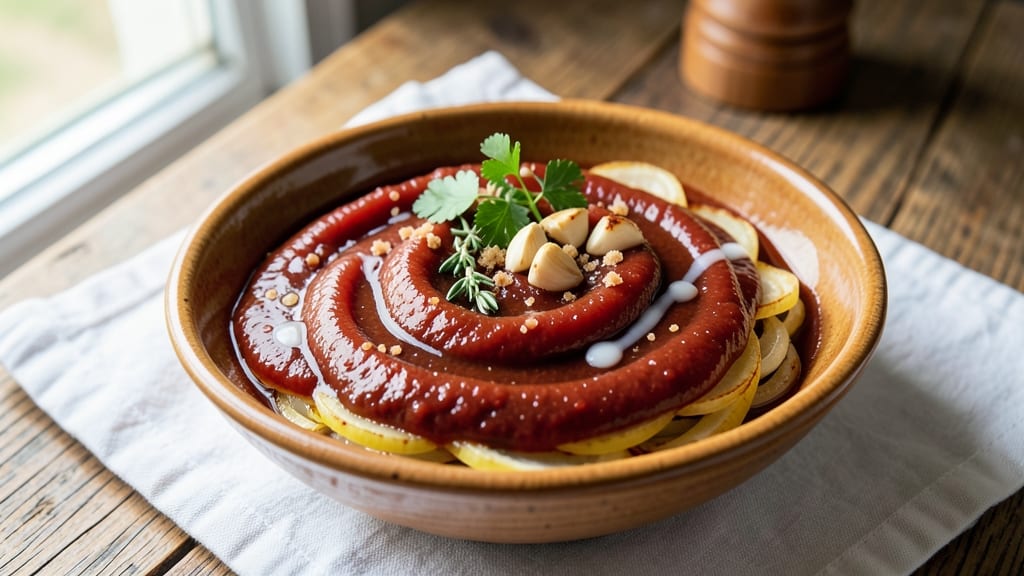
This Australian barbecue sauce recipe delivers the perfect balance of smoky-sweet heat that transforms grilled meats into restaurant-quality masterpieces. 🔥 The secret lies in its vinegar-forward base and careful blend of spices that create depth without overpowering.
I've been perfecting this recipe for years, and it's become my go-to for everything from ribs to chicken thighs. What makes this sauce truly special is its versatility—it works equally well as a marinade or finishing glaze.
The combination of tomato paste, brown sugar, and Worcestershire sauce creates a rich, tangy foundation, while garlic, onion, and chili add layers of complexity. The sauce thickens as it cooks, developing a glossy sheen and concentrated flavor.
By the time you're done, you'll have a sauce that's bold enough to stand up to smoky meats but balanced enough to let their natural flavors shine through.
It's the kind of sauce that makes every grill session feel like a celebration, with just the right amount of sweetness, tang, and heat to satisfy any crowd. Store it in the fridge for up to two weeks or freeze for longer shelf life. Let's get cooking!
Ingredients for australian barbecue sauce
Nine simple ingredients that pack a punch of smoky-sweet Australian flavor.
| Ingredient | Amount | Notes |
|---|---|---|
| Tomato Paste 🍅 | ½ cup | High-quality, no sugar added |
| White Vinegar 💧 | ½ cup | Distilled preferred for tang |
| Brown Sugar 🍚 | ½ cup | Light or dark, packed |
| Worcestershire Sauce 🍶 | 2 tbsp | Lea & Perrins brand preferred |
| Garlic Cloves 🧄 | 4 cloves | Freshly minced, not jarred |
| Yellow Onion 🧅 | ½ whole | Medium size, finely chopped |
| Chili Flakes 🌶️ | 1 tbsp | Adjust for heat preference |
| Smoked Paprika 🌶️ | 1 tbsp | For authentic smoky flavor |
| Salt 🧂 | 1 ½ tsp | Diamond Crystal preferred |
| Black Pepper 🌶️ | ½ tsp | Freshly ground for best flavor |
| Water 💧 | ½ cup | For thinning if needed |
The tomato paste is your flavor anchor—Mueller's or Hunt's are solid choices, but skip the sugar-free versions. White vinegar should smell sharp and clean (the good stuff, not the cheap stuff). Brown sugar matters here—light brown gives a smoother finish, while dark adds depth. Worcestershire sauce is non-negotiable; Lea & Perrins is the gold standard. For the garlic and onion, fresh is always better than jarred. I usually grab organic garlic from the store's produce section—it's worth the extra penny for that fresh flavor. Smoked paprika? Penzeys or bulk bins at natural food stores have the best quality. The chili flakes can be adjusted—start with less if you're sensitive to heat.
No Worcestershire sauce? Soy sauce plus a pinch of sugar gets you close. Fresh garlic or onion not available? Powdered garlic and onion powder at half the amount works in a pinch. Running low on white vinegar? Apple cider vinegar is a decent swap, though it'll have a slightly different tang. The sauce thickens as it cooks, but if it's too thick, just add a splash of water. For extra smokiness, add a quarter teaspoon of liquid smoke (optional). The sugar can be swapped for honey if you prefer, but brown sugar gives that classic Aussie caramel note. Always taste as you go—adjust sweetness or tang to your preference.
This sauce keeps beautifully in the fridge for up to 2 weeks—the flavors actually deepen over time. For longer storage, freeze in ice cube trays and transfer to a bag. Thaw overnight in the fridge before using. I like to make a big batch and keep some on hand for spontaneous grill nights. The sauce reheats well—just warm it gently on the stove or in the microwave. If it thickens too much when reheating, add a splash of water or vinegar to bring it back to the right consistency. Leftovers? Perfect for quick marinades or finishing drizzles.
Why You'll Love This Recipe
- Pantry Magic: I swear by this sauce because it uses stuff I already have—no special trips to the store. That thick, tangy tomato paste base? It’s the secret to how rich it gets without extra effort.
- Sweet Heat Balance: The brown sugar and vinegar team up for a caramelized depth, while the Worcestershire adds that umami punch. Honestly, it’s the kind of sauce that makes grilled chicken taste like a restaurant dish.
- Weekend BBQ Hero: Slather it on sausages for a backyard feast or toss it with roasted veggies for a weeknight win. It’s my go-to for anything that needs a bold, smoky lift—no fuss, just flavor.
- Budget-Friendly Staple: A single batch stretches for days, and the ingredients cost pennies. I make a big batch, freeze half, and still have leftovers for months. That’s savings with serious taste.
Step-by-step instructions for Australian barbecue sauce
Let's cook up this bold, smoky-sweet sauce that'll transform your grilling game.
🍳 Step 1: Sauté Aromatics Until Fragrant
Heat a medium saucepan over medium heat and add the 0.5 whole yellow onion, chopped into small pieces. Cook for 5-6 minutes until the onion softens and begins to turn translucent. You'll see it release its natural juices and smell sweetly aromatic.
Add the 4 cloves garlic cloves, freshly minced, and cook for another 30 seconds until the garlic turns golden and releases its pungent aroma. Be careful not to let it burn—garlic burns in seconds and turns bitter. Here's the thing—this step builds the flavor foundation, so don't rush it.
🍳 Step 2: Stir in Dry Ingredients
Add the 0.5 cup brown sugar, 1 tbsp smoked paprika, 1 tbsp chili flakes, 1.5 tsp salt, and 0.5 tsp black pepper to the pan. Stir constantly for 1 minute until the sugar begins to dissolve and the spices are evenly distributed. You'll notice the mixture darken slightly as the spices toast.
I always stir clockwise to prevent scorching at the bottom. This ensures even cooking and prevents any single ingredient from burning. The sugar will start to caramelize, adding depth to the sauce's flavor profile. This is where the authentic Australian smoky-sweet character begins to develop.
🍳 Step 3: Add Wet Ingredients and Simmer
Pour in the 0.5 cup tomato paste, 0.5 cup white vinegar, and 2 tbsp Worcestershire sauce. Stir well to combine all ingredients thoroughly. The mixture will bubble vigorously as the tomato paste thickens. Let it simmer over medium-low heat for 10-12 minutes, stirring occasionally.
You're looking for a thick, glossy sauce that coats the back of a spoon. If it starts to stick to the pan, add the 0.5 cup water gradually, 1 tablespoon at a time, until you reach your desired consistency. The sauce should be thick enough to cling to grilled meats but still spreadable. Don't walk away—constant stirring prevents burning and ensures even cooking.
⏰ Step 4: Finish and Cool
Once the sauce reaches your desired thickness, remove it from heat. Taste and adjust seasoning if needed—you might want to add more salt, sugar, or chili flakes to suit your preference. Real talk: this is your chance to customize it to your taste.
Let the sauce cool to room temperature, stirring occasionally. This resting period allows the flavors to meld together perfectly. The sauce will thicken further as it cools, so don't be tempted to thin it too much now. Once cooled, transfer it to a clean jar or airtight container. This smoky-sweet sauce will keep in the refrigerator for up to 2 weeks, ready to elevate your next grilling adventure.
Pro Tips For Making Australian Barbecue Sauce
- Simmer Slow and Steady: After burning two batches of sauce, I learned: low heat is your friend. A gentle simmer (around 150°F/65°C) for 30-40 minutes lets the tomato paste deepen in flavor without scorching. Rushing it on high heat turns your sauce into a sticky mess—trust me, you’ll regret it.
- Mince That Garlic: Whole garlic cloves? Nope. Finely mince or even pulse them in a food processor—this releases their flavor fully into the sauce. I used to crush them with a knife, but mincing guarantees that sweet, aromatic punch that makes the sauce sing.
- Balance the Vinegar: Start with half the vinegar called for, then taste. Australian BBQ sauce needs tang, but too much vinegar will overwhelm the sweetness. You can always add more later, but you can’t take it out. (Yes, I’ve learned this the hard way.)
- Stir in the Sugar Last: Add the brown sugar after the sauce has simmered for 20 minutes. This lets the vinegar and Worcestershire mellow first, so the sugar caramelizes properly instead of clumping. Stir it in slowly—you want it dissolved, not sinking like rocks.
Regional styles of this dish
Classic Aussie BBQ
This is the sauce I grew up with in Sydney—simple but packed with character. The foundation is tomato paste and white vinegar, balanced by brown sugar for that signature caramelized sweetness. I remember my dad always used Lea & Perrins Worcestershire sauce—it's non-negotiable for that umami depth.
The smoked paprika gives it that authentic smoky flavor without needing actual smoke, which is perfect for indoor cooking. 🌶️
For the best results, use fresh garlic and onion—jarred versions just don't cut it. I like to toast the spices just until they're fragrant, about 1 minute, to bring out their flavors without burning.
The sauce should reduce to a thick, glossy consistency that clings beautifully to grilled meats. This version is perfect for ribs, chicken, or even as a marinade for lamb chops.
Vinegar-Forward Style
If you prefer a tangier sauce, increase the white vinegar to ⅔ cup and reduce the sugar slightly to ⅓ cup. This version is my go-to for seafood, especially grilled prawns or fish. The extra acidity cuts through the richness beautifully.
I also add an extra ½ teaspoon of salt to balance the increased tang. This style is less sweet but still packed with that signature Australian boldness.
For an extra kick, add 1 teaspoon of fish sauce—it adds a salty, umami depth that works surprisingly well. This variation is inspired by the coastal regions of Australia, where seafood is a staple.
The vinegar-forward approach is lighter but still delivers that signature punch. It's my secret weapon for grilled barramundi or snapper.
Sweet and Smoky Fusion
For a sweeter, smokier profile, increase the brown sugar to ⅔ cup and add ½ teaspoon of liquid smoke. This version is perfect for pulled pork or brisket, where you want that caramelized sweetness to shine.
The liquid smoke adds an extra layer of depth that mimics traditional smoked flavors. I often use this version when I'm cooking larger cuts of meat that need extra moisture and flavor.
To enhance the smokiness further, toast the smoked paprika in the dry pan for 30 seconds before adding the other spices. This step intensifies the smoky aroma and flavor.
This fusion style is my favorite for slow-cooked meats, where the sauce can really penetrate and transform the meat. It's a crowd-pleaser that always gets rave reviews.
Herb-Infused Twist
For a fresher take, add 1 tablespoon of finely chopped fresh rosemary and 1 tablespoon of thyme leaves to the sautéed onions and garlic. These herbs add a bright, aromatic note that pairs beautifully with grilled lamb or chicken.
I often forage for these herbs along the coastal trails—I love the way they add a touch of the outdoors to my cooking. 🌿
To balance the herbs, reduce the chili flakes to ½ tablespoon and add ½ teaspoon of dried oregano for warmth. This herb-infused version is perfect for spring and summer grilling when you want a lighter, fresher flavor profile.
It's a great way to use up fresh herbs from your garden or local market. The herbs mellow out as the sauce cooks, leaving a subtle but noticeable aroma.
Nutrition facts
Frequently asked questions
Can I make this sauce without Worcestershire sauce?
For a quick substitute, mix 1 tablespoon soy sauce with ½ teaspoon sugar to mimic Worcestershire's umami depth. The sauce will still taste delicious, though it'll lack the complex fermented notes. If you're feeling adventurous, try 1 teaspoon of fish sauce for a coastal-inspired twist that works especially well with seafood.
How do I adjust the sweetness or heat level?
For less sweetness, reduce the brown sugar by 1 tablespoon and add 1 extra tablespoon of vinegar to balance. For more heat, increase chili flakes by ½ teaspoon or add ¼ teaspoon of cayenne pepper. Always taste as you go—this sauce is all about finding your perfect balance!
Can I use this sauce as a marinade?
Yes! This sauce makes an excellent marinade for chicken, lamb, or even tofu. For best results, combine ½ cup sauce with 1 tablespoon olive oil and marinate for 2-4 hours (never longer than 8 hours for safety). The acidity in the vinegar helps tenderize the meat while the spices infuse deep flavor.
Why does my sauce turn out too thin?
If your sauce is too runny, it likely needs more simmering time. Let it cook uncovered on low heat for an extra 5-10 minutes, stirring often. For instant thickening, mix 1 teaspoon cornstarch with 1 tablespoon water, stir into the sauce, and simmer for 1-2 minutes until it reaches your desired consistency.
What's the best way to store leftover sauce?
Store in an airtight container in the fridge for up to 2 weeks. For longer storage, freeze in ice cube trays or small jars. Thaw overnight in the fridge—never microwave directly from frozen. The sauce thickens when refrigerated, so add a splash of water or vinegar when reheating to restore consistency.