
Sauces & Condiments
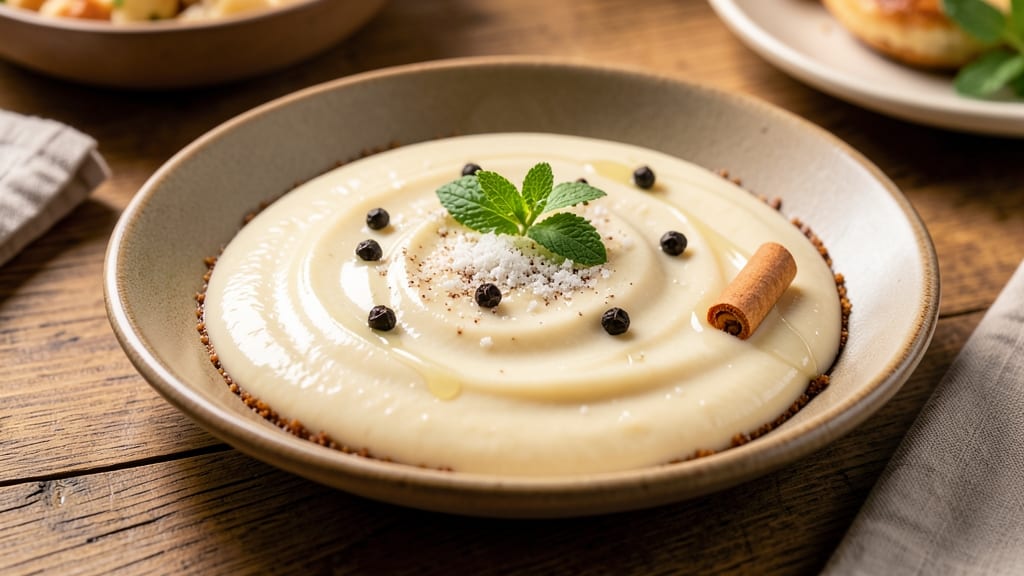
This authentic bechamel sauce recipe delivers the velvety, golden foundation French cuisine relies on—no shortcuts, just the classic roux-based technique perfected over centuries.
The secret lies in equal parts butter and flour cooked to a smooth paste before gradually whisking in warm milk to create a sauce so rich it transforms ordinary dishes into masterpieces.
I’ve made this sauce countless times for lasagna, croque monsieur, and even gratin dauphinois, and the difference between homemade and store-bought is night and day.
The process is simpler than it sounds: melt butter, whisk in flour to form a roux, then temper the milk to avoid lumps. Patience is key—letting the sauce simmer gently until thick enough to coat the back of a spoon ensures that signature silky texture.
For extra depth, a pinch of nutmeg and a splash of white wine elevate it from good to extraordinary, though the base recipe remains foolproof. This is the sauce that makes comfort food feel luxurious.
What you’ll end up with is a creamy, velvety bechamel that clings to pasta, melts into cheese, and adds richness to casseroles without overpowering other flavors. The roux technique locks in flavor while preventing that grainy texture that ruins so many homemade attempts.
Whether you’re layering it in lasagna or drizzling it over roasted vegetables, this sauce is the unsung hero that turns simple meals into restaurant-worthy dishes.
Once mastered, bechamel becomes your culinary secret weapon—easy to make ahead and reheat, versatile enough for both savory mains and elegant sides. The key is consistency: equal parts butter and flour, gradual milk addition, and constant whisking.
Let’s get started on creating this classic French masterpiece that’s been gracing tables for generations.
Ingredients for authentic bechamel sauce
Seven essential ingredients transform into the velvety foundation of French cuisine.
| Ingredient | Amount | Notes |
|---|---|---|
| Unsalted Butter 🧈 | ½ cup | Cold, cut into small cubes |
| All-Purpose Flour 🌾 | ½ cup | Sifted for smooth texture |
| Whole Milk 🥛 | 2 cups | Warm, not boiling |
| Ground Nutmeg 🌿 | ¼ tsp | Freshly grated preferred |
| White Wine 🍷 | ¼ cup | Dry variety, optional |
| Salt 🧂 | ½ tsp | Diamond Crystal preferred |
| Black Pepper 🌶️ | ¼ tsp | Freshly ground |
The butter and flour form the sauce's backbone, so quality matters. European-style unsalted butter from brands like Plugrá or Kerrygold delivers that rich, nutty flavor. If using regular butter, ensure it's cold when cutting into cubes—this prevents premature melting during the roux stage. The flour should be all-purpose, not cake flour, as it provides the necessary protein for a proper roux. For the milk, whole milk is non-negotiable—it creates that signature creaminess, while low-fat versions result in a thinner, less luxurious sauce. Warm the milk to about 160°F before adding to the roux, which prevents lumps and ensures a silky texture.
White wine adds depth but isn't mandatory—dry varieties like Sauvignon Blanc or Pinot Grigio work best. Substitute with extra milk if unavailable, though the sauce will be slightly less complex. For nutmeg, pre-ground loses potency quickly, so invest in a small whole nutmeg and grate it fresh. The Diamond Crystal salt is preferred because it dissolves more easily than table salt. If you're short on time, pre-sifted flour from the grocery store saves effort, though sifting at home ensures a smoother sauce. For extra richness, replace half the milk with heavy cream, though the classic recipe relies solely on milk for its balanced flavor.
Store any leftover bechamel in an airtight container, covered with a thin layer of plastic wrap pressed directly onto the surface to prevent a skin from forming. It keeps in the fridge for up to 5 days, though the texture may thicken slightly upon reheating—simply whisk in a splash of warm milk to restore its original consistency. For longer storage, freeze in 1-cup portions for up to 3 months. The sauce reheats beautifully, making it ideal for meal prep—use it to layer in lasagna, drizzle over gratin dauphinois, or toss with roasted vegetables. The key to reheating is low heat and constant stirring to avoid scorching.
Why You'll Love This Recipe
- Four-Ingredient Foundation: I swear by this combo—just butter, flour, milk, and a whisper of nutmeg. No weird blends or hidden additives; it’s the classic roux-and-milk magic I grew up with, simplified.
- Wine’s Secret Boost: That splash of white wine? It’s not just for show—it cuts the richness and adds this bright, almost floral note that makes the sauce sing. (Yes, even when I forget to add it at first.)
- Weeknight Workhorse: I’ve used this to glaze pasta, stuff chicken, and even top grilled cheese. It’s my go-to for when I need something creamy but don’t want to fuss—just heat, stir, and boom, instant upgrade.
- Leftovers That Shine: This sauce thickens beautifully and reheats like a dream. I make a double batch on Sundays, freeze half, and pull it out for lazy dinners or last-minute casseroles—no one ever guesses it’s from last week.
Step-by-step instructions for authentic bechamel sauce
Master this French foundation with precision—every whisk stroke matters for velvety perfection.
Prepare the Classic Roux
In a medium saucepan over medium heat, melt the ½ cup unsalted butter cut into small cubes. Once fully melted, reduce heat to medium-low and gradually whisk in the ½ cup all-purpose flour until completely combined. This creates the roux base that will thicken your sauce.
Whisk constantly for 2-3 minutes until the mixture turns a pale golden color. You'll see it transform from pale yellow to a rich, buttery hue—this is your signal to proceed. If it darkens too quickly, reduce heat immediately. This step is critical for authentic bechamel; a properly cooked roux prevents a floury, raw taste.
Gradually Incorporate Warm Milk
Slowly pour in the 2 cups warm whole milk while whisking vigorously to prevent lumps from forming. Add the milk gradually—about ¼ cup at a time—allowing each addition to fully incorporate before adding more. This gradual process ensures a smooth, lump-free sauce.
Continue whisking constantly over medium-low heat until the sauce thickens enough to coat the back of a spoon. This should take about 5-7 minutes. You're looking for a sauce that's thick but still pourable, with a velvety texture. If it thickens too quickly, add a splash of milk to adjust consistency.
Season with Classic French Accents
Remove the sauce from heat and stir in the ½ teaspoon salt, ¼ teaspoon freshly ground black pepper, and ¼ teaspoon ground nutmeg. These seasonings are essential for authentic flavor. The nutmeg adds warmth, while the pepper provides balance. Taste and adjust seasoning if needed—this is where your sauce comes to life.
For an extra layer of depth, stir in the ¼ cup white wine (optional but recommended). This step adds complexity that elevates the sauce from basic to restaurant-quality. Let the wine simmer gently for 1-2 minutes to allow its flavors to meld with the sauce. The wine should be completely incorporated before proceeding.
Finish and Refine the Texture
Return the sauce to low heat and simmer gently for 3-5 minutes, stirring occasionally. This final step ensures all flavors are fully integrated and the sauce reaches its ideal consistency. The sauce should be smooth, glossy, and coat the back of a spoon without being gluey.
For a restaurant-quality finish, strain the sauce through a fine-mesh sieve to remove any lumps. Return it to the saucepan and keep it warm over low heat or transfer to a serving dish. Authentic bechamel should be used immediately for best results—it thickens as it cools, so don't make it too far in advance.
Pro Tips For Making Authentic Bechamel Sauce
- Whisk Like You Mean It: I learned this the hard way—skipping vigorous whisking after adding milk leads to lumps that ruin everything. Once the milk hits the roux, keep that arm moving in quick, firm strokes until it’s completely smooth, even if it takes a full minute. (Yes, even if you’re impatient like me.)
- Salt the Butter First: Unsalted butter? Add a pinch of salt before melting it—it dissolves better and saves you from over-salting later. I used to forget, then had to taste-test the sauce mid-cook, which is never ideal. Trust me, this tiny step guarantees balanced flavor.
- Deglaze with Wine, Then Reduce: Don’t just splash in the white wine and move on. Let it simmer for 30 seconds to cook off the alcohol, then reduce it by half before adding the milk. This deepens the flavor and keeps your sauce from tasting raw or sharp. (Your future self will thank you.)
- Low and Slow After Milk: High heat turns bechamel gluey. Once the milk comes in, drop the heat to medium-low and let it bubble gently—no rushing. I was skeptical until I tried it: this is what makes the sauce velvety, not lumpy. (Does it look weird? Yes. Does it work? Every single time.)
Troubleshooting great authentic bechamel sauce
Roux Too Dark?
If your roux turns darker than pale golden, you’ve likely cooked it too long or at too high heat. Immediately reduce heat to low and whisk in a splash of warm milk (about 1 tablespoon) to lighten the color.
This technique, called blanching the roux, stops further browning while preserving the thickening power. For next time, keep heat at medium-low and watch closely—it should never exceed a light tan color. 🌡️
Lumpy Sauce?
Lumps form when milk is added too quickly or the sauce isn’t whisked vigorously enough. To fix them, place the saucepan over low heat and whisk continuously for 2-3 minutes while adding 1-2 tablespoons of cold water at a time. The heat and moisture will break down the lumps.
For prevention, always warm milk to 160°F before adding and whisk in slow, steady streams—never pour it all at once. A fine-mesh sieve can also rescue a lumpy batch if strained immediately after cooking.
Sauce Too Thick?
Over-thickened bechamel happens when milk evaporates too quickly or the sauce simmers too long. Thin it by whisking in warm milk (about 1 tablespoon at a time) until you reach a pourable but coatable consistency.
If the sauce separates or looks grainy, whisk in 1 teaspoon of cold butter to restore silkiness. For future batches, remove the sauce from heat as soon as it coats the back of a spoon—it will thicken further while cooling.
Sauce Too Thin?
A runny sauce usually means the roux wasn’t cooked long enough or the milk was added too fast. To thicken it, return the sauce to low heat and whisk in 1 tablespoon of butter at a time until it reaches the desired consistency.
Alternatively, mix 1 teaspoon of cornstarch with 1 tablespoon of cold water, then whisk it into the sauce until thickened. For prevention, always cook the roux to a pale golden color (about 2-3 minutes) before adding milk.
Grainy Texture?
Graininess occurs when flour isn’t fully incorporated into the roux or milk is added too quickly. To fix it, strain the sauce through a fine-mesh sieve immediately after cooking. For a smoother texture next time, sift the flour before making the roux and whisk constantly while adding milk.
If the sauce is already grainy, whisk in 1 teaspoon of cold butter to coat the flour particles and restore creaminess. 💡
Burnt Flavor?
Burnt notes develop when the roux overheats or milk isn’t added promptly. To salvage it, whisk in 1-2 tablespoons of cold milk to cool the sauce and dilute the burnt flavor. For future batches, keep heat at medium-low and add milk immediately after the roux reaches pale golden color.
If the flavor is still off, stir in ½ teaspoon of lemon juice to brighten the taste—it cuts through the bitterness while adding acidity that balances the richness.
Nutrition facts
Frequently asked questions
Why does my bechamel taste floury or raw?
The roux wasn't cooked long enough to develop flavor. Always cook it to a pale golden color (about 2-3 minutes) over medium-low heat—this removes the raw flour taste. If it's already made, whisk in 1 teaspoon of cold butter to coat the flour particles and restore creaminess.
Can I make bechamel without butter?
Yes, but the flavor will be less rich. Substitute with an equal amount of olive oil or vegetable oil for a dairy-free version, though the texture may be slightly lighter. For vegan bechamel, use unsweetened plant-based milk and a neutral oil. The sauce will still thicken, but the depth of flavor will differ.
How do I use bechamel in lasagna?
Spread a thin layer (about ¼ cup per 9x13-inch pan) between pasta layers to bind the dish and add creaminess. For extra richness, mix in ½ cup grated Gruyère or Parmesan cheese before assembling. The sauce should be warm but not boiling when added to prevent soggy noodles.
What's the difference between béchamel and velouté?
Béchamel uses a butter-flour roux and milk, while velouté starts with a butter-flour-chicken stock roux. The latter is lighter and more savory, perfect for creamy soups, while béchamel is richer and ideal for baked dishes. Both require equal parts fat and flour, but the liquid changes everything!
Can I make bechamel ahead of time?
Yes, but it thickens as it cools. Refrigerate in an airtight container for up to 5 days, or freeze in 1-cup portions for 3 months. To reheat, warm over low heat while whisking constantly. If it gets too thick, thin with warm milk or water. The texture will improve after resting overnight!