
Sauces & Condiments
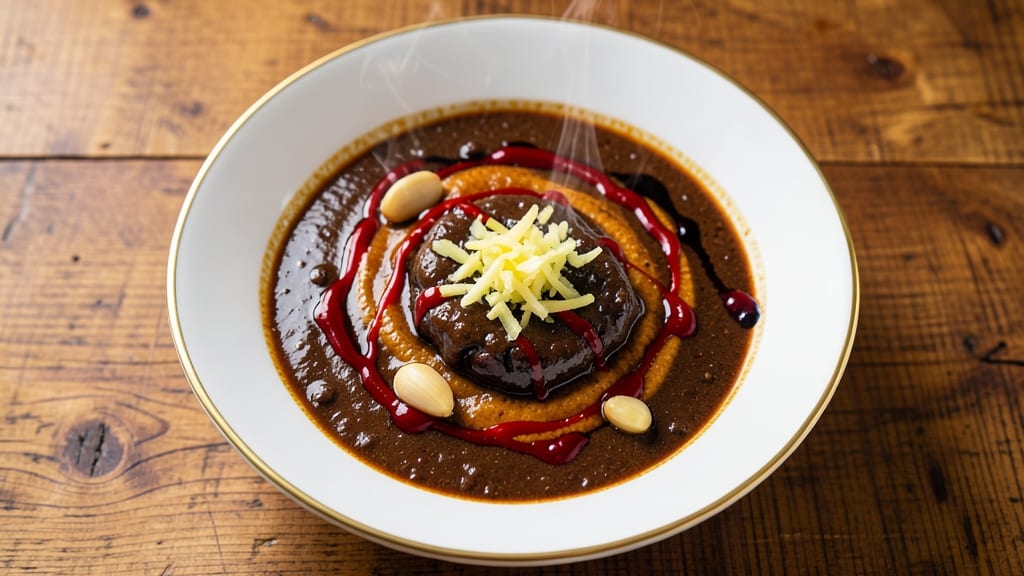
This authentic Chinese curry sauce delivers the complex umami depth and fresh ginger zing that sets it apart from Indian-style versions. The secret lies in fermented bean paste and chili oil, simmered with aromatic ginger and garlic to create a sauce that's both bold and balanced.
I developed this recipe after years of studying regional Chinese cooking—it's the kind of sauce that transforms simple proteins into restaurant-quality dishes.
The foundation of this sauce is a slow simmer that allows flavors to meld without burning, while fresh ginger and scallions add brightness that cuts through the richness. Unlike many store-bought versions, this recipe avoids heavy cream or coconut milk, focusing instead on the natural depth of fermented ingredients.
The result is a sauce that's versatile enough for stir-fries, dumplings, or even noodle bowls.
What makes this sauce truly authentic is the combination of soy sauce, fermented bean paste, and chili oil, which create layers of savory, slightly sweet, and spicy flavors. The texture is smooth yet slightly textured from the blended aromatics, ensuring every bite delivers that signature Chinese restaurant taste.
Once you try it, you'll never go back to bottled versions.
This sauce keeps well in the refrigerator for up to 10 days, making it perfect for meal prep or gifting. The instructions walk through each step carefully, from toasting the spices to achieving the perfect balance of heat and umami.
Let's get started on creating this flavor-packed essential for your kitchen.
Ingredients for authentic chinese curry sauce
Nine ingredients, bold flavors—this sauce delivers restaurant-quality taste with minimal effort.
| Ingredient | Amount | Notes |
|---|---|---|
| Fermented Black Bean Paste 🫘 | ½ cup | Store-bought or homemade fermented |
| Light Soy Sauce 🍶 | ¼ cup | High-quality, low-sodium preferred |
| Dark Soy Sauce 🍶 | ¼ cup | For deeper color and sweetness |
| Chili Oil 🌶️ | ¼ cup | Homemade or store-bought with seeds |
| Fresh Ginger 🧄 | ½ cup | Finely minced, skin on |
| Garlic Cloves 🧄 | 6 cloves | Peeled and minced |
| Green Onions 🧅 | ¼ cup | Scallions, chopped |
| Sesame Oil 🫒 | 1 tbsp | Toasted for aroma |
| Cornstarch 🌾 | 1 tbsp | For thickening |
| Water 💧 | 1 cup | Room temperature |
The fermented black bean paste is non-negotiable here—look for brands like Lee Kum Kee or make your own by fermenting black beans for a month. The ginger and garlic need to be fresh; no powdered substitutes. For chili oil, homemade with Sichuan peppercorns adds depth, but store-bought works in a pinch. The dark soy sauce is key for that signature rich color—Kikkoman or La Choy are reliable brands. Toast the sesame oil in a dry pan for 30 seconds before adding it to the sauce—this unlocks the nutty aroma.
No fermented bean paste? Double the soy sauce and add 1 tbsp of miso paste for umami. Short on green onions? Fresh cilantro or chives work in a pinch, but the sharpness is essential. The cornstarch slurry can be made with arrowroot powder instead if you prefer. For extra heat, add 1 tsp of chili flakes directly to the sauce. The sauce thickens as it cools, so start with slightly less cornstarch if you like it smoother.
This sauce keeps beautifully in the fridge for 10 days—just pour it into a clean jar and cover tightly. For longer storage, freeze in ice cube trays and transfer to a bag; thaw as needed. The flavors actually improve over time, so make a double batch. It reheats well—just warm gently on the stove or microwave until steaming. Perfect for drizzling over noodles, dumplings, or stir-fries.
Why You'll Love This Recipe
- Pantry Magic: I swear by this—no fresh herbs, no fancy prep. Just open a jar of fermented black bean paste (that funky, umami bomb) and stir in the soy sauces while the ginger sizzles. Five minutes, zero stress.
- Umami Explosion: Honestly, the moment that dark soy sauce hits the pan? My mouth waters. The fermented black bean paste adds this deep, salty richness, while the chili oil brings the heat—like a hug for your taste buds, but spicier.
- Sauce for Everything: Between us, I’ve slathered this on noodles, drizzled it over tofu, and even mixed it into a quick stir-fry. The ginger keeps it bright, the soy balances it—it’s my go-to when I’m lazy but still want restaurant-level flavor.
- Budget & Batch-Friendly: This sauce costs pennies to make and keeps for weeks in the fridge. Double the batch, freeze half, and thank me later when you’re reheating leftovers that still taste fresh. (Yes, even on a Tuesday night.)
Step-by-step instructions for authentic Chinese curry sauce
Here's how to build this umami-packed sauce with layers of complexity and fresh ginger brightness.
Bloom the Aromatics in Chili Oil
Heat the 0.25 cup chili oil in a medium saucepan over medium-low heat. Add the 0.5 cup finely minced fresh ginger and 6 cloves minced garlic cloves—this is where the magic starts. Let them bloom for 2-3 minutes until fragrant but not browned. The ginger should release its bright, citrusy notes while the garlic mellows without burning.
Here's the thing—don't rush this step. The chili oil carries the heat, but the ginger and garlic form the aromatic base. If you smell burning, reduce the heat immediately. The goal is to wake up these flavors without cooking them dry. You'll know it's right when the oil shimmers and the aromatics release their essential oils into the fat.
Build the Sauce Base with Fermented Black Bean Paste
Add the 0.5 cup fermented black bean paste and stir constantly for 1-2 minutes over medium heat. This paste is the secret weapon—it delivers deep umami, funky complexity, and a subtle sweetness that balances the heat. The paste will darken slightly as it melts into the oil, creating a glossy, velvety base.
I like to press the paste through a fine-mesh strainer if it's chunky, but don't over-strain—some texture adds character. If the mixture starts to stick, add 1-2 tablespoons of water to loosen it. The sauce should coat the back of a spoon but still feel slightly loose—this ensures proper thickening later.
Incorporate Soy Sauces for Depth and Color
Pour in the 0.25 cup light soy sauce and 0.25 cup dark soy sauce simultaneously while stirring. The light soy sauce adds saltiness and brightness, while the dark soy sauce contributes that signature mahogany color and subtle sweetness. Simmer for 3-4 minutes until the sauce reduces slightly and the colors meld into a rich, glossy consistency.
Watch the sauce carefully—it should thicken just enough to coat the pan but remain pourable. If it reduces too quickly, add another 1-2 tablespoons of water. The dark soy sauce will darken dramatically as it cooks, so don't be alarmed if it looks almost black at this stage. That's exactly what you want for authentic color and depth.
Thicken and Finish with Sesame Oil
In a small bowl, whisk together the 1 tablespoon cornstarch and 1 cup water until smooth. Slowly pour this slurry into the simmering sauce while stirring constantly. The moment the sauce begins to thicken—usually within 1-2 minutes—remove it from heat. Add the 1 tablespoon sesame oil and 0.25 cup chopped green onions, tossing gently to distribute.
The sesame oil adds a nutty aroma that elevates the sauce from good to extraordinary. Let it sit off heat for 2-3 minutes to allow the cornstarch to fully set. The sauce should coat the back of a spoon with a glossy sheen and hold its shape when drizzled. If it's too thick, thin with a splash of water; if too thin, simmer briefly on low heat with a pinch more cornstarch.
Rest and Adjust for Perfect Texture
Transfer the sauce to a clean bowl and let it rest at room temperature for 10-15 minutes. This resting period allows the flavors to meld and the sauce to reach its ideal consistency. Taste and adjust seasoning—add a pinch more light soy sauce for saltiness, a dash of dark soy sauce for depth, or a squeeze of lime for brightness if needed.
The sauce should be thick enough to cling to proteins or noodles but still flow smoothly. For best results, use it immediately over stir-fried meats, noodles, or vegetables. If storing, keep it refrigerated in an airtight container for up to 5 days, or freeze for up to 3 months. The flavors actually improve with time as the ingredients continue to marry.
Pro Tips For Making Authentic Chinese Curry Sauce
- STIR CONSTANTLY AT FIRST: The fermented black bean paste burns faster than you’d think—after adding it to the wok, keep that spoon moving like you’re painting a fence. I learned this the hard way when my first batch turned into a bitter, charred mess. High heat is key, but so is your arm.
- GRATE GINGER FINE: No, a quick chop won’t cut it—this isn’t a stir-fry where you’re hiding the texture. Use the small holes of a box grater and press hard; you want it almost paste-like. My grandmother swore by this, and she was right: it blends smoother and releases flavor faster than pre-minced ginger ever could.
- ADD CHILI OIL LAST: Tossing it in early just makes your sauce greasy and uneven. Wait until the very end, when everything’s simmering, then drizzle it in and give it a quick toss. That way, the heat lingers on the surface without overpowering the balance of soy and bean paste.
- USE DARK SOY FOR DEPTH: Light soy adds color, but dark soy? That’s where the umami magic happens. Don’t skimp—use about half the amount of light soy (so if you’re using 1 tablespoon light, use 2 tablespoons dark). It’s richer, thicker, and actually changes the outcome—your sauce will taste like it came from a street stall, not a recipe book.
Troubleshooting great authentic chinese curry sauce
Sauce Too Thin?
If your sauce ends up too thin after thickening, don't panic. Simply whisk ½ teaspoon cornstarch with 1 tablespoon cold water to form a slurry, then stir it into the simmering sauce.
Heat for 1-2 minutes on medium-low until it reaches your desired consistency. For extra insurance, keep a small bowl of cornstarch slurry nearby while cooking—it's the quickest fix for runny sauces. 🔥
Burnt Aromatics
When the ginger or garlic starts to brown too quickly, immediately reduce heat to low or remove the pan from heat entirely. Burnt aromatics create bitter flavors that ruin the delicate balance of this sauce.
If this happens, start fresh with a new batch of minced ginger and garlic. I've learned this the hard way—always use medium-low heat when blooming aromatics in chili oil. 🌶️
Lumpy Texture
Lumps typically form when the fermented black bean paste or cornstarch isn't properly incorporated. For a silky texture, press the paste through a fine-mesh strainer before adding, and whisk the cornstarch slurry vigorously before pouring it into the sauce.
If lumps appear during cooking, use an immersion blender for 10-15 seconds to smooth it out. A fine-mesh sieve can also help strain out any remaining texture before serving. ✨
Not Spicy Enough
If your sauce lacks heat, add 1-2 teaspoons chili oil or ½ teaspoon red pepper flakes while the sauce is still warm. For a smoky kick, stir in ½ teaspoon smoked paprika or a pinch of Sichuan peppercorn powder.
Remember, chili oil is already in the recipe, so adjust gradually—you can always add more, but you can't take it out. 🌶️
Overpowering Soy Flavor
If the soy sauce dominates the sauce, balance it with 1 teaspoon rice vinegar or ½ teaspoon sugar to brighten the flavors. A splash of water (about 1 tablespoon) can also dilute the intensity while maintaining the sauce's structure.
The goal is to restore harmony between the umami, spice, and fresh ginger notes. Taste as you go—this sauce is all about balance. 💫
Sauce Separates When Reheated
Separation happens when the sauce sits too long or is reheated too quickly. To fix it, gently warm the sauce on low heat while stirring constantly. If it still separates, whisk in 1 teaspoon cornstarch mixed with 1 tablespoon water to re-emulsify.
For future batches, store the sauce in the fridge and reheat it slowly to prevent this issue. A splash of water or broth can also help restore its smooth consistency. 💡
Nutrition facts
Frequently asked questions
What's the difference between this Chinese curry sauce and Indian curry?
This sauce relies on fermented black bean paste and chili oil for deep umami, while Indian curries typically use garam masala, turmeric, and yogurt for creaminess. The ginger is fresh and bright here, not dried like in many Indian versions. Plus, we skip coconut milk entirely—this sauce is all about bold, savory-sweet balance without coconut's richness.
Can I make this sauce without fermented black bean paste?
Yes! Double the soy sauce and add 1 tablespoon miso paste for umami depth. For texture, blend 2 tablespoons roasted soybeans into the sauce. The flavor won't be identical, but it'll still deliver that signature Chinese restaurant taste. The key is balancing the saltiness with a touch of sweetness—try adding ½ teaspoon sugar if needed.
How spicy should this sauce be?
The recipe calls for ¼ cup chili oil, which gives moderate heat. For milder sauce, reduce to 2 tablespoons and add ½ teaspoon sugar to balance. For extra kick, stir in 1 teaspoon chili flakes or ½ teaspoon Sichuan peppercorn powder (which adds numbing heat). Always adjust gradually—you can't remove spice once added!
What's the best way to use this sauce?
This versatile sauce works perfectly over stir-fried meats, noodles, or dumplings. For best results, warm it gently before using—it thickens as it cools. Try it on char siu pork, dan dan noodles, or as a dipping sauce for spring rolls. The sauce also freezes beautifully in ice cube trays for portion control!
Why does my sauce look too thick after resting?
This is normal! The sauce continues thickening as it cools. If needed, thin with 1-2 teaspoons water while warm. For future batches, reduce cornstarch to ½ tablespoon if you prefer a looser consistency. The ideal texture should coat the back of a spoon but still flow smoothly when drizzled.