
Sauces & Condiments
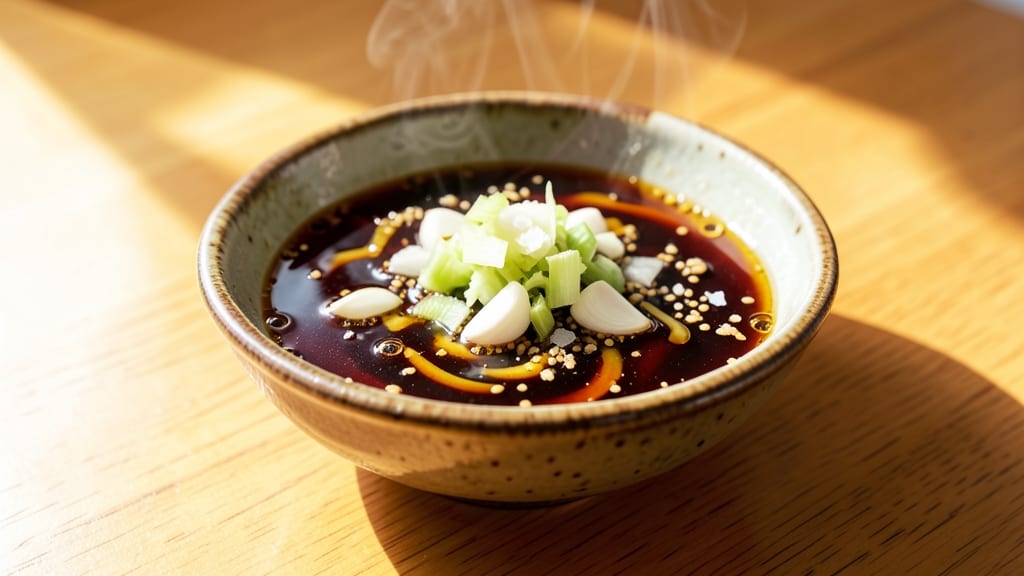
This authentic Chinese stir-fry sauce delivers the bold umami depth and soy-ginger harmony that transforms simple vegetables into restaurant-quality dishes. The secret lies in balancing salty, sweet, and aromatic elements through precise simmering and reduction—a technique that captures the essence of wok hei, that signature smoky aroma from traditional stir-frying.
What sets this sauce apart is its versatility and depth of flavor. We'll build it from scratch using simple pantry staples like soy sauce, ginger, garlic, and a touch of sugar, then enhance it with sesame oil and cornstarch for that perfect silky-thick consistency.
The sauce develops its complex character through gentle simmering, allowing the flavors to meld without overpowering the delicate textures of your stir-fry ingredients.
Once complete, this sauce will elevate any stir-fry—whether you're cooking tender greens, crispy tofu, or succulent beef—adding layers of savory richness and aromatic warmth. The best part?
It keeps beautifully in the fridge for up to a week or freezes for months, ready to transform your weeknight meals into something extraordinary.
We'll cover the exact ratios for balancing sweetness and saltiness, plus professional tips for achieving that signature wok hei aroma at home. Let's create a sauce that tastes like it came straight from a bustling Cantonese kitchen.
Ingredients for authentic chinese stir fry sauce
Pantry staples with a Cantonese twist—this sauce delivers restaurant-quality umami harmony.
| Ingredient | Amount | Notes |
|---|---|---|
| Light Soy Sauce 🍶 | ½ cup | High-quality, not reduced |
| Dark Soy Sauce 🍶 | ¼ cup | For deep umami richness |
| Fresh Ginger Root 🧄 | 2 tbsp | Finely grated, aromatic |
| Garlic Cloves 🧄 | 4 cloves | Minced, fresh preferred |
| Granulated Sugar 🍚 | 2 tbsp | Balances saltiness |
| Sesame Oil 🫒 | 1 tbsp | Toasted, for aroma |
| Cornstarch 🌾 | 1 tbsp | For thickening |
| Water 💧 | ½ cup | For thinning consistency |
| Rice Vinegar 🍶 | 1 tbsp | White or seasoned |
| White Peppercorns 🌶️ | ½ tsp | Freshly ground |
The soy sauces are non-negotiable here. Kikkoman or Pearl River Bridge brands deliver that authentic depth—skip the cheap stuff. Fresh ginger and garlic? Always better than powdered. I grab ginger from the Asian market section (the knobby, bright yellow kind) and garlic from the bulk bins. For sugar, organic cane sugar dissolves cleaner than white, but brown sugar adds a caramel note if you're feeling adventurous. The sesame oil should be toasted—La Choy or Kadoya are my go-tos. Pro tip: toast the cornstarch in a dry pan for 30 seconds before adding to thicken the sauce without clumping.
No light soy sauce? Substitute with extra dark soy but reduce to 1/4 cup—it's more concentrated. Fresh ginger too spicy? Use half the amount and add 1 tsp ground ginger. Garlic powder works in a pinch (1 tsp), but you'll miss that fresh punch. For sugar substitutes, honey or agave at 1.5 tbsp works, but it'll taste slightly different. The vinegar can be swapped for white wine or even lemon juice if you're out, though rice vinegar's acidity is key. White pepper is traditional, but black pepper works too—just omit the grinding step.
This sauce develops flavor as it sits. Let it rest 10 minutes after simmering before using—it'll thicken and deepen. Keeps for 1 week refrigerated in an airtight jar, or 3 months frozen in ice cube trays for single-use portions. For that wok hei aroma, reheat gently with a splash of water and a pinch of sugar. Store the sesame oil separately if you prefer—it's strong and can overpower if added back in. Double batches freeze beautifully for lazy weeknights.
Why You'll Love This Recipe
- Pantry Magic: I swear by this sauce because it uses things I already have—no special shopping trips. That dark soy sauce alone gives it that glossy, caramelized depth, while the ginger and garlic wake up every bite like a little flavor explosion.
- Umami Bomb: The combo of light and dark soy sauce? Chef’s kiss. Sweet, salty, and funky all at once, with just enough sugar to balance the sharpness. Honestly, I’ve tried store-bought sauces, but nothing beats this homemade punch.
- Weeknight Workhorse: Dinner with the kids? Date night? This sauce works for all of it. Toss it with whatever’s in the fridge—broccoli, chicken, tofu—and it’ll taste like you slaved over it. (Between us, I’ve used it for takeout night and lazy Sunday leftovers.)
- Budget Win: A few dollars for soy sauces and ginger, and I’ve got enough sauce to coat three meals. No fancy ingredients, no waste—just pure, reliable flavor that doesn’t break the bank. My wallet and my taste buds thank me.
Step-by-step instructions for authentic Chinese stir fry sauce
This sauce delivers the perfect balance of umami, sweetness, and aromatic depth—exactly what authentic Chinese stir-fry needs.
Prepare the Aromatic Base
In a small saucepan, combine the 0.5 cup light soy sauce, 0.25 cup dark soy sauce, and 2 tbsp granulated sugar. Bring to a gentle simmer over medium heat, stirring constantly until the sugar dissolves completely. This creates a smooth foundation that balances the salty soy sauces with just the right sweetness.
Simmer for 3-4 minutes until the mixture reduces slightly and becomes glossy. You'll notice the dark soy sauce deepening in color—this is when the umami compounds start to concentrate. Remove from heat once you see the sauce thicken just enough to coat the back of a spoon.
Infuse with Ginger and Garlic
Add the 2 tbsp finely grated fresh ginger root and 4 cloves minced garlic to the warm sauce base. Return to low heat and let it simmer gently for 2-3 minutes, stirring frequently. The ginger should release its bright, citrusy aroma while the garlic infuses its pungent sweetness.
Watch closely—ginger burns quickly. If the mixture starts to darken too much, reduce heat immediately. You're aiming for a fragrant infusion, not charred bits. The sauce should smell vibrant and complex, with layers of ginger's zing and garlic's warmth.
Build the Thickening Agent
In a small bowl, whisk together the 1 tbsp cornstarch with 0.25 cup of the 0.5 cup water until completely dissolved. This creates a smooth slurry that will thicken your sauce beautifully without clumping. The remaining 0.25 cup water should stay reserved for thinning if needed.
Slowly pour the cornstarch slurry into the simmering sauce while stirring continuously. Return to medium-low heat and let it thicken for 3-5 minutes. You'll know it's ready when the sauce coats a spoon smoothly and holds its shape when drizzled. If it thickens too quickly, add the reserved water 1 tablespoon at a time until you reach the perfect consistency.
Finish with Aromatics and Balance
Remove the sauce from heat and stir in the 1 tbsp toasted sesame oil, 1 tbsp rice vinegar, and 0.5 tsp freshly ground white peppercorns. The sesame oil adds nutty depth, the vinegar brightens the flavors, and the peppercorns contribute a subtle, sophisticated warmth. Taste and adjust the seasoning—you might want to add a touch more light soy sauce for saltiness or a pinch of sugar if the vinegar feels too sharp.
Let the sauce rest for 5 minutes before using. This allows all the flavors to meld completely. The finished sauce should be glossy, well-balanced, and ready to elevate any stir-fry with its authentic Chinese character. Use immediately for best results, as the cornstarch will continue to thicken slightly when reheated.
Pro Tips For Making Authentic Chinese Stir Fry Sauce
- Minced Ginger, Not Sliced: Fresh ginger loses its punch when you slice it—it turns to mush and adds bitterness instead of bright, zesty heat. Use a microplane or the flat side of your knife to mince it finely (almost like a paste), then let it sit in the sauce for 10 minutes before cooking. This releases the oils and aroma without overpowering the dish.
- Toast Garlic First: Raw garlic burns fast and turns bitter in stir-fry sauce. Heat your wok or pan until smoking hot, then add the whole cloves (peeled) and stir for 10 seconds until fragrant and just turning golden—not brown. Crush them right in the pan, then pour in the soy sauces. This builds depth without overcooking.
- Balance Soy Sauces by Color: Dark soy sauce is for color, light soy for flavor—don’t mix them 50/50 like a lazy shortcut. Start with 1 tablespoon dark to 2 tablespoons light, then taste. If the sauce looks muddy, add a splash of water or a pinch of sugar to brighten it. The ratio changes everything.
- Simmer, Don’t Boil: Once your sauce is combined, reduce heat to low and let it bubble gently for 2-3 minutes. Boiling burns off the delicate aromas and makes the sugar cloying. A gentle simmer lets the flavors meld without turning the sauce into syrup. (Yes, even if you’re in a hurry.)
Storing and reheating this authentic chinese stir fry sauce
Fridge Storage Tips
Transfer your stir-fry sauce to an airtight glass jar—I prefer Pyrex with a snap-on lid—and store it in the fridge for up to 1 week. The sauce actually improves as it sits, with flavors deepening and the cornstarch thickening slightly.
Give it a quick stir before each use, as the sesame oil may separate slightly. If the sauce thickens too much, add 1-2 teaspoons of water to restore consistency. 💧
Freezer Preservation
For longer storage, freeze the sauce in ice cube trays—each cube makes a perfect single-use portion. Once frozen, transfer cubes to a freezer-safe bag, squeezing out excess air to prevent freezer burn. This method preserves the sauce's quality for 3 months.
When ready to use, thaw a cube in the fridge overnight or quickly in warm water, then stir in ½ teaspoon of water to loosen the texture. 🧊
Reheating Techniques
To revive the sauce's vibrant flavors, reheat it gently in a small saucepan over low heat with 1 tablespoon of water. Stir constantly to prevent scorching, and add ½ teaspoon of sugar to restore balance if the vinegar notes seem muted.
Avoid microwaving—it can break down the cornstarch's thickening power and dull the aromatic oils. For that wok hei aroma, finish with a quick burst of heat and a splash of toasted sesame oil. 🔥
Sauce Consistency Fixes
If your sauce thickens too much after reheating, thin it with warm water or rice vinegar—start with ½ teaspoon and adjust gradually. For a thicker texture, simmer the sauce uncovered for 1-2 minutes to evaporate excess moisture.
I keep a small jar of reserved water in my pantry just for this purpose. The key is patience—let the sauce sit for 5 minutes after reheating before using it on your stir-fry. ✨
Flavor Refreshment
After refrigeration, the sauce may lose some of its bright ginger aroma. Revive it by adding ½ teaspoon of freshly grated ginger and 1 drop of toasted sesame oil just before using. For extra depth, a pinch of white pepper or a splash of rice vinegar can rebalance the flavors.
The sauce's versatility means it works equally well on crispy tofu, beef, or vegetables—just adjust the amount based on your dish's moisture level. 🌶️
Nutrition facts
Frequently asked questions
Can I substitute dark soy sauce with regular soy sauce?
Not exactly—they serve different purposes. Dark soy sauce adds depth and color, so if you're out, use 1 tbsp extra light soy sauce plus ½ tsp molasses or brown sugar to mimic the richness. For color alone, a few drops of food coloring work in a pinch, but the flavor won't be identical. The dark soy's caramelized notes are hard to replicate!
How do I prevent the sauce from getting too thick or too thin?
Start with medium-low heat when thickening, and stir constantly. For adjustments: if too thick, add warm water ½ tsp at a time; if too thin, simmer uncovered for 1-2 minutes to reduce. The cornstarch slurry should be smooth—lumps cause uneven thickening. Pro tip: Use a small saucepan for better control over heat.
What's the best way to use this sauce in stir-fries?
Add 1-2 tablespoons to the wok after cooking your proteins/veggies (they should be 80% done). Toss quickly to coat—this sauce is meant to glaze, not pool. For extra wok hei, finish with a splash of sesame oil and a pinch of sugar. It works beautifully with broccoli, beef strips, or shrimp, but avoid overmixing to keep textures crisp.
Can I make this sauce without cornstarch?
Yes! For a gluten-free option, replace cornstarch with 1 tbsp arrowroot powder (mixed with 2 tbsp water). The sauce will be slightly thinner but still flavorful. Alternatively, simmer longer without thickener—just reduce the water by ¼ cup and cook uncovered for 5-7 minutes to achieve a glossy consistency. The flavors will concentrate more intensely.
Why does my sauce smell burnt even though I didn't burn it?
This usually happens when ginger or garlic caramelizes too much. Keep heat at low during infusion (just enough to see gentle bubbles). If it darkens, immediately remove from heat and stir in ½ tsp rice vinegar to balance the flavors. The sauce should smell aromatic, not smoky—like fresh ginger and garlic, not charred bits.