
Sauces & Condiments
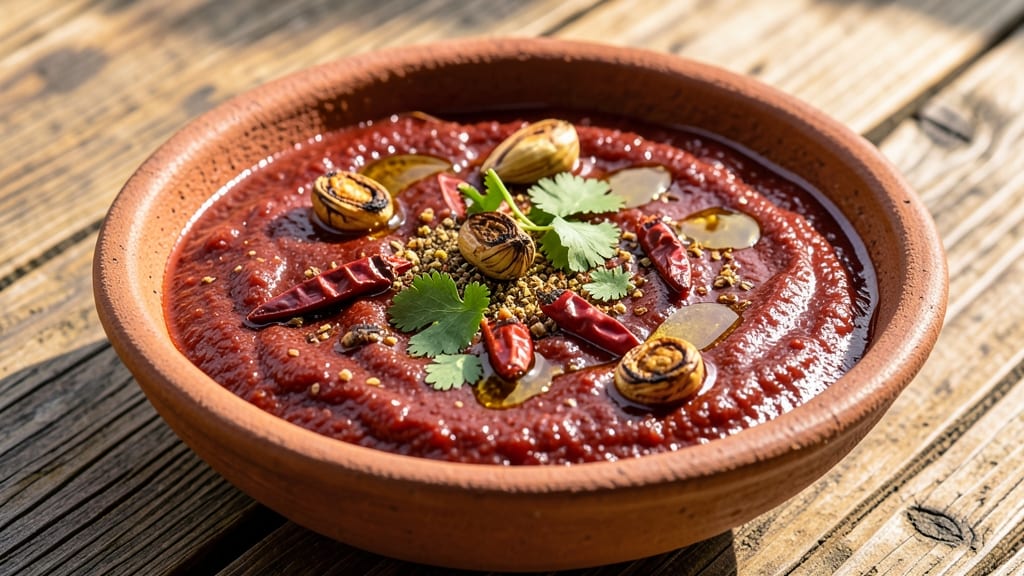
This authentic harissa sauce recipe brings the fiery, aromatic heart of North Africa straight to your kitchen—where smoky chili peppers, toasted spices, and rich olive oil create a condiment that transforms simple dishes into bold, restaurant-worthy meals.
The secret lies in slow-roasting the peppers to deepen their natural sweetness while preserving that signature North African heat, balanced by earthy coriander and cumin. I developed this version after years of testing, ensuring every spoonful delivers the complex layers you’d find in Tunisian or Algerian markets.
The beauty of harissa is its versatility—it’s as much about texture as flavor, with a smooth yet slightly textured paste that clings beautifully to grilled meats, roasted vegetables, or fresh flatbread.
What sets this recipe apart is the smoky depth achieved by charring the peppers before blending, a technique that elevates it beyond basic spice blends.
The sauce keeps well in the fridge for up to 3 months or freezes perfectly for later, making it a pantry staple that’s always ready to add heat and character to your cooking.
Once you taste this harissa, you’ll understand why it’s a cornerstone of North African cuisine—equally at home drizzled over slow-cooked lamb, stirred into couscous, or spread on warm pita with olive oil and za’atar.
The blend of red chili peppers, garlic, and toasted spices creates a harmony of heat and earthiness that’s impossible to resist. Whether you’re serving it as a condiment or a marinade, this sauce promises to become your go-to for adding authentic, vibrant flavor to any dish.
For those who love to experiment, I’ll share variations in the tips section—from adding roasted garlic for extra sweetness to incorporating fermented elements for a tangy twist.
But first, let’s get started on the foundation: a harissa so rich and authentic, it’ll make you crave a trip to the Mediterranean.
Ingredients for authentic harissa sauce
Ten ingredients transform into North Africa's fiery, aromatic harissa sauce—smoky, complex, and impossible to resist.
| Ingredient | Amount | Notes |
|---|---|---|
| Dried Red Chili Peppers 🌶️ | ½ cup | Smoked paprika for depth (optional) |
| Extra-Virgin Olive Oil 🫒 | ¾ cup | High-quality, fruity variety |
| Garlic Cloves 🧄 | 6 whole | Roasted for sweetness |
| Ground Cumin 🌿 | 2 tbsp | Toasted for aromatic depth |
| Ground Coriander 🌿 | 1 ½ tbsp | Earthy, citrusy base |
| Sweet Paprika 🌶️ | 1 tbsp | For color and mild sweetness |
| Smoked Paprika 🌶️ | 1 tsp | Enhances smoky character |
| Cayenne Pepper 🔥 | 1 tsp | Adjust for heat preference |
| Sea Salt 🧂 | 1 ½ tsp | Diamond Crystal preferred |
| Fresh Lemon Juice 🍋 | 2 tbsp | Brightens the blend |
The chili peppers are the heart of this sauce, so choose dried red peppers with good depth—Arbol or Ancho work beautifully. Toast them in a dry skillet until fragrant, then soak in hot water for 15 minutes to soften. For extra authenticity, Middle Eastern markets often carry pre-mixed harissa blends you can use as a shortcut, but homemade delivers that restaurant-quality depth. The garlic should be roasted (wrap whole cloves in foil, roast at 400°F for 20 minutes) for a sweet, caramelized flavor that balances the heat. Penzeys or bulk spice bins at Whole Foods are great sources for the cumin and coriander—look for freshly ground varieties if possible.
No smoked paprika? A pinch of liquid smoke (¼ tsp) adds depth, though it won’t replicate the true smoky character. Running short on cayenne? Aleppo pepper is a fantastic substitute—it’s milder but packed with complexity. The lemon juice is non-negotiable; it cuts through the richness and brightens the blend. For a tangier twist, add 1 tsp of apple cider vinegar along with the lemon. If you’re feeling adventurous, fermented harissa (available at specialty stores) can add a funky depth—start with 1 tsp and adjust to taste. The olive oil should be extra-virgin—cheap oil will make the sauce taste flat.
Harissa keeps beautifully—store in a sterilized glass jar with a layer of olive oil on top to preserve freshness. In the fridge, it lasts up to 3 months, while freezing extends its life to 6 months. Portion into ice cube trays for single-use servings, perfect for drizzling over grilled meats or roasted veggies. The sauce thickens as it sits, so stir in a splash of water or olive oil if it becomes too stiff. Double the batch—you’ll want this on hand for everything from couscous to lamb tagines.
Why You'll Love This Recipe
- No-Fuss Simmer: I swear by this method—just toast the dried peppers and garlic in olive oil until fragrant, then blend with the spices. No peeling, no chopping, no stress. The heat builds naturally while you prep the rest of dinner.
- Smoky Depth Magic: That moment when the cumin and coriander bloom in the oil? Chef’s kiss. The dried peppers add layers of heat and earthiness, but the olive oil softens it into something complex—like a hug for your taste buds. Honestly, it’s the kind of flavor that makes you pause mid-bite.
- Weeknight to Party: Drizzle it over roasted veggies for a weeknight supper, or serve it with grilled lamb at your next dinner party. Same sauce, totally different vibes. Between us, I’ve even used it as a marinade—just let it sit on chicken for an hour, and boom, instant flavor bomb.
- Makes More Than You Think: A single batch stretches across three meals: one for hummus, one for eggs, and one that mysteriously disappears from the fridge. And because it’s just pantry staples, it’s cheap enough to make twice if you’re feeling bold. (Yes, even on a Tuesday night.)
Step-by-step instructions for authentic harissa sauce
This method delivers the complex balance of heat, smokiness, and depth that defines true North African harissa.
Toast the Dried Chili Peppers and Garlic
Preheat your oven to 375°F. Place the 0.5 cup dried red chili peppers and 6 whole garlic cloves (peeled) on a baking sheet lined with parchment paper. Toast for 10-12 minutes until the peppers darken slightly and the garlic becomes fragrant—you'll see them puff up and smell deeply aromatic.
This toasting step is crucial for developing the smoky depth that separates homemade harissa from store-bought versions. Watch carefully—the peppers should darken but not burn, as charred peppers will make the sauce bitter. Remove them when they're still slightly pliable to the touch.
Blend the Toasted Ingredients with Olive Oil
Transfer the toasted peppers and garlic to a food processor or high-powered blender. Add the 0.75 cup extra-virgin olive oil and pulse until you achieve a thick, chunky paste. You want visible texture—harissa should have body, not be completely smooth. Scrape down the sides as needed to ensure even blending.
Here's the thing—harissa's authentic texture comes from its rustic quality. Don't over-blend into a silky sauce. The remaining chunks of peppers and garlic carry the most concentrated flavor. If your blender struggles, work in batches, adding just enough oil to help the motor.
Incorporate the Spice Blend and Salt
Add the 2 tbsp ground cumin, 1.5 tbsp ground coriander, 1 tbsp sweet paprika, 1 tsp smoked paprika, 1 tsp cayenne pepper, and 1.5 tsp sea salt to the food processor. Pulse again until the spices are evenly distributed throughout the mixture. Taste at this stage—you should feel the heat building but balanced by the earthy spices.
This is where the magic happens. The smoked paprika adds that signature depth, while the cayenne provides controlled heat. The coriander and cumin create that warm, citrusy backbone. If you want to adjust the heat level, add more cayenne in ¼ tsp increments—but remember, you can't remove heat once it's in.
Finish with Lemon Juice and Rest
Add the 2 tbsp fresh lemon juice and pulse just once or two to combine. The acidity brightens the smoky flavors and cuts through the richness of the olive oil. Transfer the harissa to a clean jar and let it rest at room temperature for at least 1 hour—this allows the flavors to meld completely.
For best results, refrigerate the harissa for 24 hours before using. This resting period develops the sauce's complexity. The flavors will deepen, the heat will mellow slightly, and the texture will become more cohesive. When ready to use, give it a good stir before serving—you'll notice how much richer and more balanced it tastes after resting.
Pro Tips For Making Authentic Harissa Sauce
- Toast the Peppers First: Dry-toast the dried chilis in a skillet over medium heat for 30 seconds per side until fragrant—this deepens their flavor and removes any dust. I used to skip this, and the sauce always tasted flat until I realized the difference.
- Use a Mortar and Pestle: Skip the food processor for the garlic and toasted spices—crushing them by hand with a mortar and pestle releases more oils and aroma. Yes, it takes longer, but the texture and depth of flavor are worth it.
- Simmer, Don’t Boil: Keep the sauce at a gentle simmer, not a rolling boil, to prevent the oil from separating. I learned this after my first batch split into two layers—now I watch it like a hawk.
- Add Olive Oil Gradually: Stir in the extra-virgin olive oil slowly at the end, letting it emulsify naturally with the heat. Dumping it all at once risks making the sauce greasy or uneven. The last batch I made this way had the perfect balance.
Best sauces and condiments for these flavors
Classic Tunisian Style
For the most traditional approach, blend 1 tbsp of harissa powder (available at Middle Eastern markets) into your finished sauce. This adds authentic depth and complexity that's hard to replicate with spices alone. I like to use La Boîte à Harissa from Tunisia, which brings that signature North African warmth.
The powder contains preserved lemon zest and other secret ingredients that elevate the sauce to restaurant-quality. 🌶️
Smoky Chipotle Twist
Swap 1 tsp of smoked paprika for 2 chipotle peppers in adobo sauce, blended smooth. This fusion variation adds a deep, smoky-sweet dimension that pairs beautifully with grilled meats.
I recommend Hatch green chipotles for their fruity undertones. The sauce will have a richer, almost BBQ-like depth while maintaining its North African heat profile.
Creamy Yogurt Harissa
Thin your finished harissa with ¼ cup plain Greek yogurt to create a dip that's perfect for lamb kebabs or roasted vegetables. The yogurt cools the heat while adding a luxurious creaminess.
For extra authenticity, use labneh instead of regular yogurt—it's strained and thicker, creating a more sophisticated texture. This variation works especially well as a marinade for chicken thighs.
Fruity Date Harissa
Add 2 pitted Medjool dates, soaked in warm water for 10 minutes, to your food processor along with the peppers. This sweetens the sauce naturally while adding a fruity dimension that balances the heat.
I like to blend the dates with the garlic and peppers before adding the spices. The result is perfect for drizzling over tagines or using as a glaze for roasted carrots.
Fermented Funky Version
For adventurous eaters, incorporate 1 tsp of fermented harissa (available at specialty stores) or 1 tsp of miso paste for a tangy, umami depth. This adds a funky complexity that's common in Moroccan cuisine.
The fermentation process creates lactic acid that brightens the sauce and extends its shelf life. Start with small amounts—this version has a bold personality that can overpower if not balanced properly.
Storage and Texture Tips
Harissa thickens as it sits, so store it in a sterilized glass jar with a layer of olive oil on top to preserve freshness. If it becomes too thick, thin with 1-2 tsp of water or olive oil before using.
For best texture, I recommend using a Vitamix or high-powered blender—it creates the perfect rustic chunkiness. The sauce keeps for 3 months refrigerated or 6 months frozen, making it an excellent pantry staple.
Nutrition facts
Frequently asked questions
Can I make harissa without fresh chili peppers?
This recipe uses dried red chili peppers for authenticity, but you can substitute with 2-3 dried ancho or guajillo peppers for a milder, sweeter profile. Just toast them first to develop their natural smokiness. For extra heat, add ½ tsp cayenne pepper or 1 tsp Aleppo pepper to the spice blend.
How do I adjust the heat level?
The recipe balances heat with earthy spices, but you can customize it easily. For milder heat, reduce the cayenne to ½ tsp or omit it entirely. For extra spice, add cayenne in ¼ tsp increments—remember, you can't remove heat once it's in! A splash of lemon juice also helps balance the burn.
What’s the best way to store homemade harissa?
Store your harissa in a sterilized glass jar with a layer of olive oil on top to preserve freshness. It keeps for 3 months refrigerated or 6 months frozen. For single-use portions, freeze in ice cube trays—just thaw overnight in the fridge before using. The texture may thicken over time, so stir in 1 tsp olive oil or water to restore consistency.
Can I use harissa as a marinade?
Yes! This sauce makes an excellent marinade for grilled meats like lamb or chicken. Mix 2 tbsp harissa with ¼ cup olive oil and 1 tbsp lemon juice, then coat your protein for 30-60 minutes before cooking. The smoky, spicy flavors penetrate beautifully, creating a restaurant-worthy crust. For extra tenderness, add 1 tsp honey to the marinade.
Why does my harissa taste bitter?
Bitterness usually means the peppers were over-toasted or burned. For future batches, toast peppers at 375°F for 10-12 minutes until fragrant but still pliable. To fix bitter harissa, stir in 1 tsp honey or sugar to balance the flavors. Adding 1 extra tbsp lemon juice also brightens the taste. If the bitterness persists, blend in 1 roasted garlic clove to add sweetness and depth.