
Sauces & Condiments
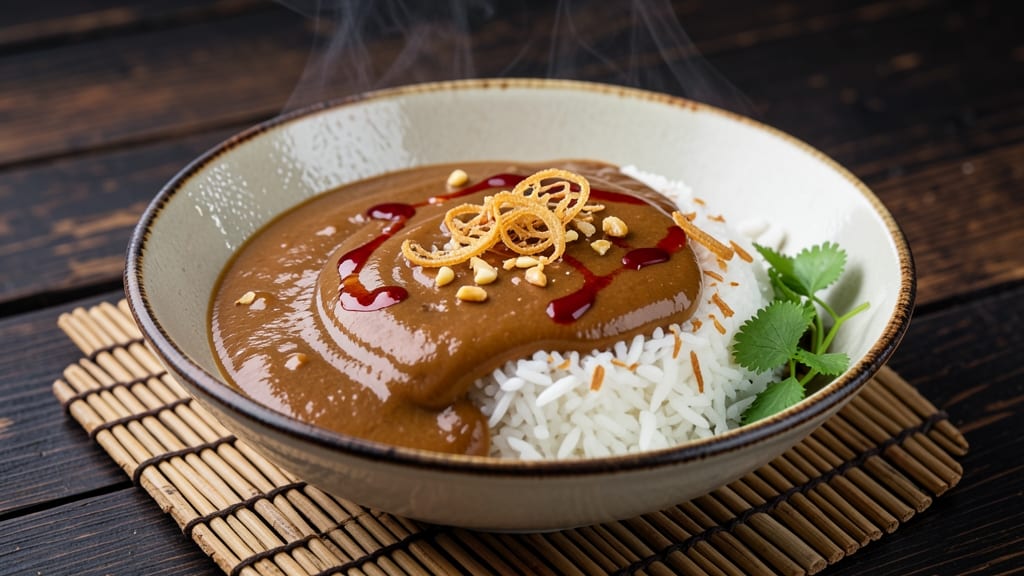
This authentic Indonesian peanut sauce delivers the nutty, aromatic depth that transforms stir-fries, grilled meats, and spring rolls into restaurant-quality dishes. The secret lies in balancing rich peanut butter with coconut milk, tamarind for tang, and a precise blend of spices that create layers of flavor without overpowering. I developed this recipe after years of testing—it's the one that finally captured that perfect harmony of sweet, savory, and umami that defines Indonesian cuisine.
The foundation starts with smooth natural peanut butter, which we temper with coconut milk to create a velvety base. Tamarind paste adds the essential tang that cuts through the richness, while garlic, shallots, and galangal root build aromatic depth.
A touch of palm sugar balances the flavors, and a final blend of spices—cinnamon, coriander, and cumin—ties everything together. What makes this sauce truly authentic is the slow simmering process, which allows all the ingredients to meld into a cohesive, flavor-packed sauce.
By the time you're done, you'll have a sauce that's rich but not heavy, nutty but not overpowering, with just the right balance of sweet, tangy, and aromatic notes. It's the kind of sauce that elevates simple dishes—think grilled satay skewers, crispy tofu, or fresh vegetables—into something extraordinary.
The best part? It keeps well in the refrigerator for up to two weeks, so you can make a big batch and have it ready whenever you need it.
Perfect for dipping, drizzling, or stirring into curries, this sauce is a versatile addition to any meal. Whether you're serving it with traditional Indonesian dishes or incorporating it into your favorite recipes, the authentic flavors will transport you straight to the streets of Jakarta.
Let's get started on creating this flavorful sauce that's sure to become a staple in your kitchen.
Ingredients for authentic indonesian peanut sauce
These twelve ingredients create the perfect nutty, aromatic Indonesian peanut sauce for dipping and stir-fries.
| Ingredient | Amount | Notes |
|---|---|---|
| Natural Smooth Peanut Butter 🥜 | ½ cup | No added sugar or oils |
| Coconut Milk 🥥 | 1 can (13.5 oz) | Full-fat for creaminess |
| Tamarind Paste 🍈 | 2 tbsp | Adjust for desired tang |
| Palm Sugar 🍯 | 2 tbsp | Or substitute brown sugar |
| Garlic Cloves 🧄 | 5 cloves | Minced for aromatic depth |
| Shallots 🧅 | 3 whole | Finely chopped, not sliced |
| Galangal Root 🌿 | 1 piece (2-inch) | Substitute ginger if unavailable |
| Ground Cinnamon 🌶️ | ½ tsp | Freshly ground preferred |
| Ground Coriander 🌿 | ½ tsp | Freshly toasted for aroma |
| Ground Cumin 🌶️ | ¼ tsp | Toasted for deeper flavor |
| Salt 🧂 | ½ tsp | Diamond Crystal preferred |
| Red Chili Flakes 🔥 | ¼ tsp | Adjust for heat preference |
| Vegetable Oil 🫒 | 1 tbsp | For sautéing aromatics |
The peanut butter is non-negotiable—natural, smooth, and unsweetened is key. Kallo brand from Asian markets has the perfect balance, but any natural brand works. Coconut milk should be full-fat for that velvety texture; Thai Kitchen cans are my go-to, but any reputable brand is fine. Tamarind paste can be tricky to find, but Trader Joe's carries it, or look in the international aisle. Galangal root is the secret aromatic—if you can't find it, ginger works in a pinch, though it won't be authentic. For spices, Penzeys or bulk bins at Whole Foods ensure freshness, which makes all the difference in this sauce.
No tamarind paste? Lime juice plus a pinch of sugar mimics the tang, though it won't be identical. Running out of galangal? Ginger plus a dash of lemongrass paste gets you close. Palm sugar unavailable? Brown sugar or coconut sugar works just as well. Chili flakes too spicy? Reduce to 1/4 tsp or swap with mild paprika. The peanut butter should be smooth—if you grab the crunchy kind, blend it first. For the shallots, chop them finely—you want them almost paste-like at the end. And if you're using pre-minced garlic, toast it first in the oil to deepen the flavor.
This sauce keeps beautifully—up to 2 weeks in the fridge, sealed tightly. For longer storage, freeze in ice cube trays and transfer to a bag; thaw as needed. The flavors actually improve over time, developing deeper complexity. If it thickens too much, stir in a splash of warm water or coconut milk. Use it on grilled meats, stir-fries, or as a dipping sauce for spring rolls. The leftovers? Even better the next day—trust me, you'll want to make extra.
Why You'll Love This Recipe
- Pantry Magic: I swear, you don’t need a grocery haul—just your peanut butter, coconut milk, and a few pantry staples. No special tools, no fancy techniques, just a pot and 20 minutes of stirring while you scroll through your phone.
- Tamarind Tang Magic: That little jar of tamarind paste? It’s the secret weapon. The tang cuts through the peanut’s richness, then the palm sugar balances it—sweet but never cloying. Honestly, the first time I tasted it, I nearly dropped my fork.
- Sauce for Everything: Slather it on grilled chicken, drizzle it over rice, or toss it with tofu. My kids even slurp it straight from the jar with crackers. It’s the kind of sauce that makes you realize how little you actually need to impress a crowd.
- Budget-Friendly Staple: A single batch feeds us for days—leftovers taste just as good reheated or cold. And between us, natural peanut butter and coconut milk stretch further than half the sauces I’ve tried. My wallet thanks me every time.
Step-by-step instructions for authentic Indonesian peanut sauce
This sauce delivers that perfect nutty-sweet balance with aromatic depth—exactly how it's made in Indonesian kitchens.
Sauté Aromatics Until Fragrant
Heat the 1 tablespoon vegetable oil in a medium saucepan over medium heat. Add the 3 whole shallots and 5 cloves garlic, cooking for 3-4 minutes until the shallots turn translucent and the garlic releases its golden aroma.
Next, add the 2-inch galangal root (peeled if needed) and cook for another 2 minutes until the galangal softens slightly. This step builds the aromatic foundation—don't rush it, or you'll miss that essential earthy depth that makes this sauce authentically Indonesian. The galangal should smell pungent and fresh, not burnt.
Add Spices and Sweeteners
Reduce heat to medium-low and stir in the 0.5 teaspoon ground cinnamon, 0.5 teaspoon ground coriander, 0.25 teaspoon ground cumin, and 0.25 teaspoon red chili flakes. Toast the spices for 30 seconds until fragrant—this wakes up their flavors and prevents them from tasting raw.
Immediately add the 2 tablespoons palm sugar and 0.5 teaspoon salt, stirring constantly for 1 minute until the sugar dissolves completely. Here's where the magic happens—the sugar caramelizes slightly, creating a subtle sweetness that balances the nutty and tangy flavors. If the mixture starts to stick, add 1 teaspoon water to loosen it.
Build the Sauce Base
Pour in the 1 can (13.5 oz) coconut milk, stirring vigorously to combine with the spiced aromatics. Increase heat to medium-high and bring to a gentle simmer. Let it cook for 5-6 minutes until slightly thickened—you'll see the sauce reduce and coat the back of a spoon.
This reduction is crucial for developing the sauce's rich texture. The coconut milk should smell creamy with underlying notes of caramelized sugar. If you prefer a smoother sauce, strain it through a fine-mesh sieve at this stage to remove any fibrous bits from the galangal.
Incorporate the Peanut Butter
Remove the pan from heat and let the sauce cool slightly for 2 minutes. Slowly whisk in the 0.5 cup natural smooth peanut butter until completely smooth. Return the pan to low heat and stir continuously for 3-4 minutes until fully incorporated.
This is where the sauce transforms from coconut-based to peanut-forward. The peanut butter should melt completely, giving the sauce its signature nutty richness. If the mixture thickens too much, thin it with 1-2 tablespoons water or coconut milk until it reaches a smooth, pourable consistency—ideal for dipping or stir-frying.
Finish with Tamarind for Tang
Return the sauce to medium heat and stir in the 2 tablespoons tamarind paste until fully dissolved. Simmer for 1-2 minutes until the sauce thickens slightly and the tamarind's tangy brightness shines through. Taste and adjust seasoning—add more palm sugar for sweetness or red chili flakes for heat.
The tamarind is the secret weapon here, cutting through the richness and adding that authentic Indonesian tang. The sauce should coat the back of a spoon but still be pourable. Let it cool to room temperature before using—this allows the flavors to meld even further. Store in an airtight container in the refrigerator for up to 5 days or freeze for 3 months.
Pro Tips For Making Authentic Indonesian Peanut Sauce
- Bloom the Tamarind: Soak the tamarind paste in ¼ cup warm water for 10 minutes first—it dissolves smoother and won’t clump like glue when you stir it into the sauce. (Yes, even if you’re impatient like me, this makes a real difference.)
- Low and Slow for Peanuts: Simmer the peanut butter and coconut milk on medium-low heat for at least 15 minutes—skipping this step leaves it grainy and underdeveloped. I learned this the hard way after serving a sauce that tasted more like peanut butter pudding.
- Toast the Garlic: Lightly fry the minced garlic in a dry pan until golden (about 2 minutes) before adding it to the sauce—this deepens the flavor and cuts through the sweetness. (Your nose will thank you.)
- Balance the Sweet-Sour: Add palm sugar gradually while tasting—too much tamarind can make the sauce taste like vinegar, and too little sugar flattens the richness. Aim for a dip of your finger to taste: sweet, then tangy, then nutty. (No guesswork.)
Make-ahead tips for this authentic indonesian peanut sauce
Batch Prep Essentials
Double the recipe for meal prep—I always make 2 cups at a time so I have enough for stir-fries and dipping. Use a 4-quart saucepan for larger batches, and adjust cooking times slightly to 8-10 minutes for the coconut milk reduction.
Store in glass jars with tight-sealing lids to maintain freshness and prevent odors from seeping in. 🥫
Freezer-Friendly Packaging
For long-term storage, portion the sauce into 1-tablespoon servings in silicone ice cube trays. Once frozen, transfer the cubes to a freezer bag and flatten to save space.
Thaw overnight in the fridge or quickly in a bowl of warm water for 10 minutes before using. This method preserves texture perfectly—no grainy separation. ❄️
Flavor Development Timeline
The sauce tastes best after 24-48 hours of refrigeration, as the flavors deepen and meld. I like to make it the night before and let it sit overnight—this allows the tamarind's tang to fully integrate with the peanut butter's richness.
If you're short on time, wait at least 4 hours before using to let the spices bloom. 🕒
Reheating Without Ruin
Gently reheat in a saucepan over low heat with 1 tablespoon water to prevent burning. Stir constantly for 3-4 minutes until warmed through—never microwave, as it can make the peanut butter separate. For a quick fix, stir in 1 teaspoon coconut milk while reheating to restore smoothness. 🔥
Sauce Consistency Fixes
If the sauce thickens too much after refrigeration, thin it with 1-2 teaspoons warm water or coconut milk. For extra richness, stir in ½ teaspoon peanut butter while reheating.
If it's too thin, simmer uncovered for 2-3 minutes to reduce—just don't let it boil, or the peanut butter will separate. 💫
Versatile Serving Sizes
Plan for 2 tablespoons per serving when using as a dipping sauce, or 1 tablespoon per person for stir-fries. For satay, brush on generously—about 2 tablespoons per skewer. I keep a small jar in my fridge for quick drizzling on noodles or rice bowls.
The leftovers? Perfect for homemade satay sauce or a quick peanut butter glaze for roasted veggies. 🍽️
Nutrition facts
Frequently asked questions
Why does this sauce need tamarind if I don't like sour flavors?
The tamarind provides that essential authentic Indonesian tang that balances the peanut butter's richness. If you prefer less sourness, reduce it to 1 tablespoon or substitute with 1 tablespoon lime juice + ½ teaspoon sugar. The tang prevents the sauce from tasting too sweet or heavy.
Can I make this sauce without galangal?
Yes! Galangal adds that signature earthy aroma, but you can substitute with 1 teaspoon grated ginger + ½ teaspoon lemongrass paste (or 1 stalk fresh lemongrass, finely minced). For best results, toast the ginger in the oil first to deepen its flavor. The sauce will still taste delicious—just slightly different.
How spicy should this peanut sauce be?
The recipe includes ¼ teaspoon chili flakes for mild heat—adjust to taste! For a milder version, reduce to ⅛ teaspoon or omit entirely. For extra kick, add ½ teaspoon sambal oelek or a pinch of cayenne. The sauce's richness balances the spice perfectly.
What's the best way to use leftover peanut sauce?
This versatile sauce works as a dipping sauce for spring rolls, a glaze for grilled meats, or a stir-fry sauce. Thin with 1 tablespoon water for drizzling over noodles or rice bowls. It also makes an amazing satay marinade—just mix with 1 tablespoon soy sauce and 1 teaspoon lime juice.
Can I make this sauce dairy-free?
This recipe is already dairy-free, but if you're avoiding coconut, substitute the coconut milk with ½ cup full-fat Greek yogurt + ½ cup water (blended smooth). The texture will be slightly lighter but still rich. For extra creaminess, add 1 tablespoon tahini along with the peanut butter.