
Sauces & Condiments
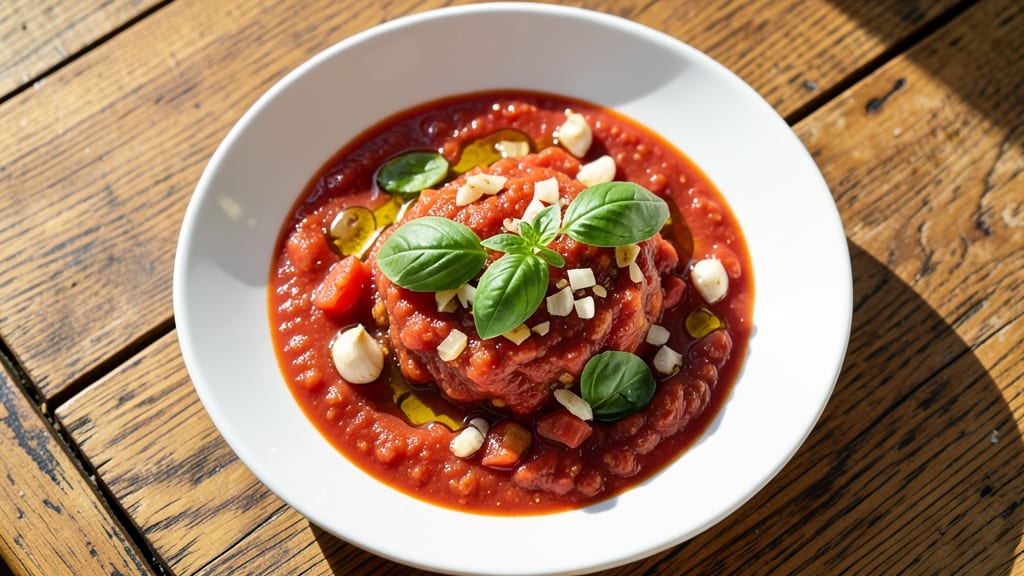
This authentic Italian fresh tomato sauce captures the sun-ripened essence of summer in every spoonful, transforming simple ingredients into a velvety, aromatic base that elevates any dish. The secret lies in using ripe tomatoes, slow simmering, and a balance of garlic and basil that creates depth without overpowering.
I’ve perfected this recipe over years of testing, ensuring the sauce remains fresh-tasting and vibrant—no canned tomatoes or heavy cream needed.
The process is simpler than it sounds: 20 minutes of active time yields a sauce so rich and flavorful, it rivals what you’d find in a trattoria. We start by building flavor with olive oil and garlic, then let the tomatoes break down into a silky consistency.
The result is a sauce that’s bright, balanced, and full of Italian soul—perfect for pasta, pizza, or drizzling over grilled meats. No blender? No problem; a simple fork mash works just as well.
What makes this sauce truly authentic is the technique: low-and-slow simmering preserves the tomatoes’ natural sweetness, while fresh basil added at the end keeps the flavor bright and herbaceous. The sauce thickens naturally as it cooks, creating a perfect consistency that clings to every bite.
It’s the kind of sauce that turns a simple meal into something extraordinary—restaurant-quality at home, without the fuss.
Best of all, this sauce keeps well in the fridge for up to a week, deepening in flavor as it rests. Double the batch and freeze half for later—because once you taste the difference between fresh and canned, you’ll never go back. Let’s get cooking!
Ingredients for authentic italian fresh tomato sauce
Sun-ripened tomatoes and aromatic herbs transform into velvety Italian sauce perfection.
| Ingredient | Amount | Notes |
|---|---|---|
| Fresh Roma Tomatoes 🍅 | 2 lbs | Ripe, vine-ripened, halved |
| Extra-Virgin Olive Oil 🫒 | ½ cup | High-quality, fruity variety |
| Garlic Cloves 🧄 | 6 cloves | Fresh, thinly sliced |
| Yellow Onion 🧅 | 1 whole | Medium size, finely chopped |
| Fresh Basil Leaves 🌿 | ½ cup | Packed, torn by hand |
| Kosher Salt 🧂 | 1 ½ tsp | Diamond Crystal preferred |
| Ground Black Pepper 🌶️ | ½ tsp | Freshly cracked |
| Red Wine Vinegar 🍷 | 1 tbsp | For brightness |
| Granulated Sugar 🍬 | 1 tsp | Balances acidity |
The tomatoes are the heart of this sauce—Roma tomatoes are ideal for their sweetness and low water content, but any ripe vine-ripened variety works. Whole Foods or local farmers markets usually carry the best quality, though grocery store tomatoes in season are fine too. Look for tomatoes that yield slightly to gentle pressure—they should feel heavy for their size. The basil? Fresh is non-negotiable—dried just won't cut it here. I always grab a big bunch and use half for this sauce, reserving the rest for pesto or garnishes. For the garlic, Italian varieties from specialty stores have more complex flavor, but regular grocery store cloves work perfectly fine if they're fresh.
No Roma tomatoes? Heirloom or beefsteak tomatoes work beautifully—just remove seeds and chop them. Running short on fresh basil? Dried basil at one-third the amount is better than nothing, though it won't have that same bright, herbaceous punch. The red wine vinegar can be swapped for lemon juice at the same quantity, though it'll have a slightly different profile. Want to skip the sugar? Add an extra pinch of salt to balance the acidity. The olive oil matters here too—avoid the cheap stuff. A good extra-virgin oil makes all the difference in the final richness of the sauce. If you're feeling fancy, toast the garlic in the olive oil for an extra nutty depth before adding the tomatoes.
This sauce tastes even better the next day as flavors meld together beautifully. Store it in an airtight container in the fridge for up to 7 days, with the oil layer forming on top—just stir it back in before using. For longer storage, freeze portions in ice cube trays for up to 3 months. I like to portion it into small jars so I can grab exactly what I need for a meal. The sauce thickens as it cools, so if it seems too thick after chilling, simply add a splash of water or pasta water when reheating. Trust me, the flavor only gets more complex over time.
Why You'll Love This Recipe
- No Chopping Chaos: I swear by this sauce because it’s actually minimal prep—just halve those Roma tomatoes and toss them in whole. No seeds, no peeling, no mess. The onions and garlic get a quick sauté in olive oil, and boom: you’re done. (Yes, even on a Tuesday night when you’d rather be scrolling than cooking.)
- Sunshine in a Jar: That first taste of the raw basil leaves wilting into the simmering tomatoes? It’s like summer in a bowl. The Roma tomatoes break down into a velvety texture while keeping just enough bite, and the olive oil—good olive oil—amplifies everything. Honestly, I’ve made fancier sauces that didn’t hit this hard.
- Pasta Party Starter: This sauce isn’t just for spaghetti—it’s my go-to for bruschetta, stuffed shells, or even a quick shakshuka. Freeze half the batch for lazy Mondays, and the rest? Perfect for impressing guests who think "Italian" means jarred sauce. (Between us, they’ll never know.)
- Pantry-Proof Perfection: Fresh tomatoes are cheap in season, and the rest of the ingredients? You already have them. No weird spices, no obscure imports—just garlic, onion, and a handful of basil. And the leftovers? They taste better the next day, which means less waste and more meals for less. My wallet and my freezer thank me weekly.
Step-by-step instructions for authentic Italian fresh tomato sauce
Here's how to capture the essence of Italian countryside cooking in your own kitchen.
Prepare the Tomatoes for Maximum Flavor
Begin by halving the 2 lbs fresh Roma tomatoes and removing the cores. I like to crush them gently with my hands—this breaks down the skins slightly, releasing more juice and creating a smoother sauce. Place them in a large bowl and add the 1 whole yellow onion, chopped into small pieces. The onion will sweeten as it cooks, adding depth to the sauce.
Drizzle the tomatoes and onion with the 0.5 cup extra-virgin olive oil and toss gently to coat. The high-quality olive oil is essential here—it carries the fruity, peppery notes that define authentic Italian flavor. Let this mixture sit at room temperature for 10 minutes while you prepare the aromatics. This brief resting period allows the tomatoes to soften slightly and develop their natural sweetness.
Build the Aromatic Base
Heat a large, heavy-bottomed saucepan over medium heat. Add the 6 cloves garlic cloves, sliced thinly, and the chopped onion mixture. Cook gently for 5-6 minutes, stirring occasionally, until the onion softens and becomes translucent. You're looking for a sweet, caramelized aroma—this is the foundation of your sauce.
Here's the thing—don't let the garlic brown. When it turns golden, it releases bitter compounds that can overpower the delicate tomato flavor. Remove the pan from heat just as the garlic loses its raw scent but before it darkens. This precise timing is what separates good sauce from exceptional sauce.
Simmer the Tomatoes Until Perfectly Balanced
Return the pan to medium-low heat and add the tomato mixture. Stir in the 1.5 tsp kosher salt, 0.5 tsp ground black pepper, 1 tbsp red wine vinegar, and 1 tsp granulated sugar. The vinegar brightens the acidity while the sugar balances it, creating that perfect equilibrium Italians call equilibrio.
Bring the sauce to a gentle simmer, then reduce heat to maintain a barely bubbling surface. Let it cook uncovered for 12-15 minutes, stirring occasionally. You'll see the sauce thicken as moisture evaporates, but don't rush this process. The longer it simmers, the more concentrated and flavorful it becomes. The sauce is ready when it coats the back of a spoon smoothly but still has body—it should look like thick paint, not watery glaze.
Finish with Fresh Basil and Adjust Seasoning
Remove the pan from heat and stir in the 0.5 cup fresh basil leaves, torn by hand. The basil should be added at the very end—its bright, herbal notes are delicate and would cook off if added earlier. Let the sauce sit for 2-3 minutes to allow the basil to infuse its aroma.
Taste and adjust seasoning if needed. I often find the sauce needs a touch more salt or a splash of water to reach the perfect consistency. Remember, authentic Italian sauces are never overly sweet or acidic—they're balanced, vibrant, and full of natural tomato flavor. The sauce should be vibrant red with just a hint of sheen from the olive oil, not dull or watery.
Use Immediately or Store Properly
For the best results, use the sauce immediately over al dente pasta, tossed with fresh basil and a sprinkle of Pecorino Romano. The high heat of the pasta will finish cooking the sauce slightly, melding all the flavors together. If you need to store it, let it cool completely, then transfer to an airtight container. It keeps in the refrigerator for up to 3 days or can be frozen for 3 months. When reheating, do so gently over low heat to preserve the delicate basil flavor.
This sauce is the heart of Italian cooking—simple yet transformative. The key is patience and attention to balance. When done right, every spoonful should transport you to a sun-drenched Italian terrace, where tomatoes are plucked fresh from the vine and transformed into liquid gold with just a few thoughtful techniques.
Pro Tips For Making Authentic Italian Fresh Tomato Sauce
- Blister the Garlic: Slice those garlic cloves thin and fry them in olive oil until golden-brown—not just fragrant, but actually crispy. I learned this the hard way: soft garlic just smells like garlic, but blistered cloves add a nutty depth that makes the whole sauce sing. (Yes, even if you’re impatient like me.)
- Salt the Tomatoes First: Toss halved Roma tomatoes with a generous pinch of salt before cooking. The salt draws out moisture, concentrating their sweetness and preventing a watery sauce. Skip this, and you’ll end up with a sad, thin mess—trust me, I’ve made it worse.
- Low and Slow for Flavor: Simmer the sauce on lowest heat for at least 20 minutes, uncovered. Rushing turns it mushy; patience lets the flavors meld and the acidity mellow. I used to walk away after 10 minutes, but now I know: slow wins the race.
- Toast the Onion Dry: Cook the diced onion in olive oil until it’s deep golden, not just soft. The caramelization adds a rich, almost jammy sweetness that balances the acidity. Sounds weird, but it works—and it’s the thing that matters most in a simple sauce like this.
Creative variations of this authentic italian fresh tomato sauce
Neapolitan Pomodoro
This Southern Italian variation transforms our fresh tomato sauce into a rich, rustic pomodoro perfect for bruschetta or as a pasta base. Add 1 tbsp tomato paste to the pan with the onions and garlic, cooking for 2 minutes to deepen the flavor before adding tomatoes.
Finish with ½ tsp dried oregano and a pinch of red pepper flakes for authentic Neapolitan heat. The sauce should be slightly chunkier than the original, with visible tomato pieces that melt into the dish. 🍅
Creamy Basil Variation
For a luxurious twist, stir in ¼ cup heavy cream at the end of cooking (after removing from heat) along with the basil. This Northern Italian adaptation works beautifully with risotto or as a sauce for creamy pasta like fettuccine.
The cream should be warmed separately to 160°F before adding to avoid curdling. Keep the sauce warm over low heat for 2-3 minutes to let it meld together. 🥛
Spicy Calabrian Style
Bring bold Southern Italian flavors to your sauce by adding 1 tbsp Calabrian chili paste (like Caiazza) with the vinegar and sugar. This fiery variation pairs perfectly with grilled meats or hearty bread.
For extra depth, add 1 tsp grated lemon zest at the end. The chili paste should be cooked for 1 minute with the aromatics to fully integrate its smoky heat. 🌶️
Herb-Infused Winter Version
When fresh tomatoes aren't in season, use 1 lb roasted heirloom tomatoes (halved and roasted at 400°F for 20 minutes) and boost flavor with 1 tsp dried rosemary and ½ tsp fennel seeds (toasted briefly in the olive oil).
This winter adaptation works wonderfully with winter squash or roasted vegetables. The roasted tomatoes add natural sweetness that balances the herbs beautifully. ❄️
Garlic & Olive Oil Base
For a more intense garlic flavor, infuse the olive oil by heating it with 8 thin garlic slices for 3 minutes before adding to the tomatoes. This creates a fragrant, golden oil that carries incredible depth.
Use this technique for a sauce that's perfect with grilled seafood or crusty bread. The garlic should be removed after infusion to prevent bitterness. 🧄
Tomato & White Bean
Add 1 cup canned white beans (drained and rinsed) during the final 5 minutes of cooking for a Tuscan-inspired sauce. The beans add creaminess and protein while soaking up the tomato flavors.
This variation works beautifully as a soup base or over polenta. For extra richness, stir in 1 tbsp grated Parmesan** at the end. 🫘
Nutrition facts
Frequently asked questions
Can I use regular grocery store tomatoes instead of Roma?
Yes, but choose ripe, vine-ripened varieties like heirloom or beefsteak tomatoes. Remove seeds and chop them to control moisture—Roma tomatoes have less water content, which helps create a thicker sauce. For grocery store tomatoes, a quick roast at 400°F for 10 minutes before cooking enhances their sweetness and reduces excess liquid.
Why does my sauce taste bland after simmering?
Blandness usually means the sauce needs more acidity or salt. Add ½ tsp red wine vinegar or extra salt to taste—authentic Italian sauces are bright and balanced. Another trick: simmer uncovered for 5-10 extra minutes to concentrate flavors. If the sauce is too thin, reduce it further or add a pinch of sugar to balance acidity.
How do I make this sauce thicker without adding flour?
Simmer uncovered for 15-20 minutes to evaporate excess moisture naturally. For a quicker fix, mash the tomatoes with a fork before cooking to break down fibers. If needed, blend ½ cup of the sauce and stir it back in—this thickens without altering texture. The sauce will also thicken as it cools, so don't worry if it seems too thin while hot.
Can I make this sauce in a slow cooker?
Combine all ingredients in the slow cooker and cook on low for 4-5 hours or high for 2-3 hours. Stir occasionally to prevent sticking. The slow cooker's gentle heat develops deeper flavor, but you may need to add 1 tbsp tomato paste at the start to help thicken. Taste and adjust seasoning at the end—slow cooking can concentrate flavors differently.
What's the best way to reheat leftover sauce?
Gently warm over low heat on the stovetop, stirring frequently to prevent scorching. Add a splash of water or pasta water if it thickens too much. For microwave reheating, use 30-second intervals on medium power, stirring between each. Never boil—this can make the sauce taste dull. The sauce improves overnight, so reheating is perfect for next-day meals.