
Sauces & Condiments
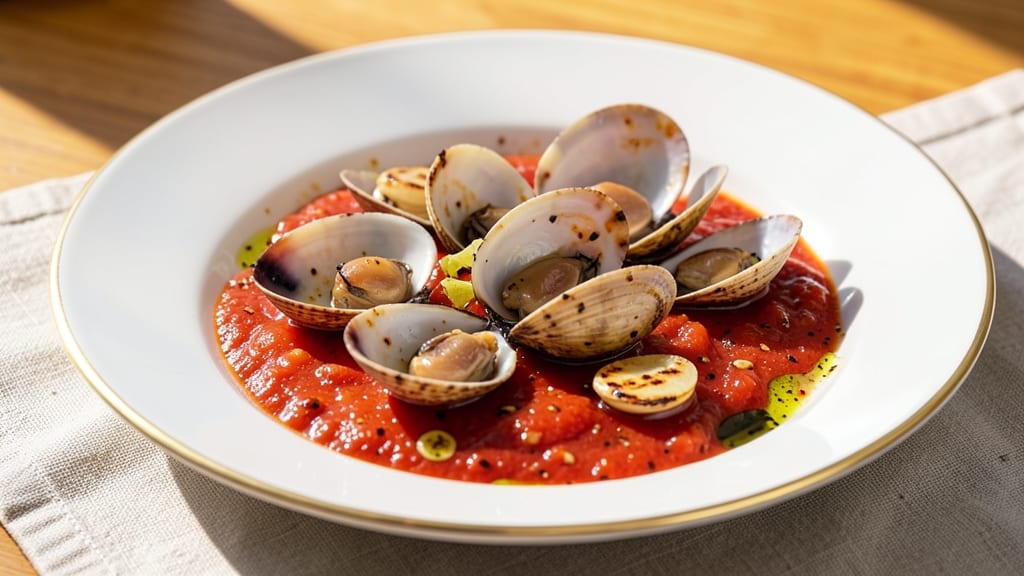
This authentic Italian red clam sauce transforms simple ingredients into a velvety, garlicky masterpiece that captures the essence of coastal Italian cuisine. The secret lies in slow simmering clams with tomatoes, white wine, and fresh basil—creating a sauce so rich it elevates any pasta or seafood dish to restaurant-quality.
I’ve perfected this recipe through years of testing, ensuring every spoonful delivers the bright acidity of tomatoes, the briny depth of clams, and the aromatic punch of garlic.
The process is straightforward but requires patience: clams release their natural juices as they cook, which meld with the tomatoes and wine to form a luxuriously thick, velvety sauce.
Unlike many shortcut versions, this recipe builds flavor layer by layer—first with a quick sear of garlic and chili, then a reduction of tomatoes and wine, and finally the tender clams that infuse the sauce with their oceanic essence.
The result is a sauce that’s both complex and balanced, with a finish of fresh basil that brightens every bite.
What makes this sauce truly special is its versatility—it’s perfect for tossing with linguine, drizzling over grilled fish, or serving as a standalone appetizer with crusty bread.
The authentic Italian technique ensures no artificial flavors or shortcuts, just pure, unadulterated taste. Once you try this, store-bought clam sauces will never compare.
Ready to make a sauce that tastes like a trip to the Amalfi Coast? Let’s get started—this recipe delivers restaurant-quality results in under 45 minutes, with ingredients you likely already have on hand.
The key is letting the flavors develop slowly, so don’t rush the simmering. Trust the process, and you’ll have a sauce so good, it’ll become your new signature dish.
Ingredients for authentic italian red clam sauce
Nine essential ingredients create a sauce that captures authentic Italian coastal flavors.
| Ingredient | Amount | Notes |
|---|---|---|
| Fresh Clams 🦪 | 2 lbs | Live, medium-sized, cleaned thoroughly |
| San Marzano Crushed Tomatoes 🍅 | 2 cups | High-quality, no salt added |
| Dry White Wine 🍷 | 1 cup | Sauvignon Blanc or Pinot Grigio |
| Extra-Virgin Olive Oil 🫒 | ½ cup | Italian, fruity, cold-pressed |
| Garlic Cloves 🧄 | 6 cloves | Fresh, peeled, thinly sliced |
| Red Chili Flakes 🌶️ | ½ tsp | Adjust for heat preference |
| Fresh Basil Leaves 🌿 | ½ cup | Packed, stems removed |
| Diamond Crystal Kosher Salt 🧂 | 1 ½ tsp | Adjust to taste |
| Fresh Lemon Juice 🍋 | 1 tbsp | Bright, freshly squeezed |
| Pasta Water 🍝 | ½ cup | Reserved from cooking linguine |
The clams are the heart of this sauce, so source them fresh from a reputable seafood market—look for live clams with tightly closed shells. San Marzano tomatoes are non-negotiable for their sweet, rich flavor; the canned variety from Italy is worth the investment. For wine, avoid oaky varieties—stick to crisp whites like Sauvignon Blanc or Pinot Grigio, which complement the briny clams without overpowering. The olive oil should be Italian extra-virgin, with a fruity aroma that adds depth to the sauce. Garlic is key here—use fresh cloves and slice them thinly for even distribution of flavor. Fresh basil is best, but if you must use dried, reduce the amount to one-third of what’s called for.
No white wine? Substitute with clam juice or additional pasta water, though the acidity will differ slightly. For heat, red pepper flakes work at half the amount if you’re avoiding chili flakes. If fresh basil isn’t available, dried oregano at one-third the quantity provides a similar earthy note. The lemon juice can be omitted if you prefer, but it brightens the sauce beautifully. For a richer texture, add a splash of heavy cream at the end, though traditional versions rely solely on the clams’ natural juices. If clams are unavailable, fresh mussels work as a substitute, though the flavor profile will shift slightly.
This sauce is best made fresh, but it keeps well in the refrigerator for 3-4 days when stored in an airtight container. For longer storage, freeze it in ice cube trays—thaw and reheat gently for the best texture. The sauce pairs perfectly with linguine or spaghetti, but it’s also excellent as a dip for crusty bread or a topping for grilled fish. If you’re prepping ahead, reserve the pasta water and add it to the sauce at the end to restore its silky consistency. The sauce thickens as it cools, so reheat it gently to avoid breaking the emulsion.
Why You'll Love This Recipe
- One-Pot Magic: I swear by this—just one pot, no fussing with multiple pans. The clams steam right in the sauce, so you’re not left with a sink full of dishes. Honestly, the only cleanup is wiping the same spoon you tasted with.
- Wine-Infused Depth: That splash of dry white wine? It’s not just for show—it cuts through the richness of the tomatoes and garlic, leaving behind this bright, almost citrusy finish. The San Marzano tomatoes add natural sweetness, so you’re not dealing with mealy, watered-down canned stuff.
- Weeknight or Weekend Hero: Between us, this sauce is my go-to for busy nights and lazy Sundays. Toss it with linguine for a 20-minute dinner, or let it simmer longer and serve it over polenta for a heartier meal. My kids even ask for it when I’m “too tired to cook.”
- Leftovers That Don’t Suck: The flavor actually improves the next day—yes, really. I’ve reheated this sauce for lunch, stirred it into pasta, or even slathered it on toast with a sprinkle of chili flakes. Not the prettiest, but the taste makes up for it every time.
Step-by-step instructions for authentic Italian red clam sauce
Master this classic Roman technique where briny clams transform into a velvety, garlicky sauce.
Scrub and Steam the Fresh Clams
Rinse the 2 lbs fresh clams thoroughly under cold water to remove any sand or debris. Scrub each clam with a stiff brush, focusing on the hinge area where grit often collects. Discard any clams that are open or don't close tightly when tapped—these are no longer fresh.
In a large pot, combine the clams with 1 cup dry white wine and 1.5 tsp diamond crystal kosher salt. Cover the pot and bring to a boil over medium-high heat. Once boiling vigorously, reduce heat to medium and steam uncovered for 5-7 minutes until about half the clams open. The steam will release their natural briny essence into the wine, creating the sauce's foundation.
Remove the pot from heat and carefully transfer the clams to a bowl. Discard any that remain closed. Reserve the steaming liquid—this aromatic wine-clam broth will form the base of your sauce. Strain it through a fine-mesh sieve to remove any impurities, yielding about 1 cup of clam-infused wine. Set aside.
Build the Garlicky Tomato Base
Heat 0.5 cup extra-virgin olive oil in a large, deep skillet over medium-low heat. Add the 6 cloves thinly sliced garlic and 0.5 tsp red chili flakes, stirring constantly for 1-2 minutes until the garlic turns golden and fragrant—never let it brown, or it will turn bitter. This gentle cooking unlocks the garlic's sweetness without bitterness.
Pour in the 2 cups san marzano crushed tomatoes, stirring to combine. Add the reserved 1 cup clam-infused wine and bring to a gentle simmer. Let it cook uncovered for 10-12 minutes, stirring occasionally, until the sauce reduces by about one-third and coats the back of a spoon. The sauce should thicken slightly while maintaining its vibrant red color.
Season with an additional 0.5 tsp diamond crystal kosher salt and 1 tbsp fresh lemon juice, adjusting to taste. The lemon brightens the acidity, balancing the richness of the clams and tomatoes. Taste and make any final adjustments—this is where the sauce's authenticity shines.
Incorporate the Clams and Finish with Basil
Add the opened clams to the simmering sauce, along with their juices. Increase heat to medium-high and cook for 3-4 minutes until the clams are fully heated through and their edges curl slightly. The sauce should now have a creamy, velvety consistency from the clam juices and tomatoes.
Remove the skillet from heat and stir in the 0.5 cup fresh basil leaves, using a wooden spoon to gently fold them into the sauce. The basil should wilt slightly, releasing its aromatic oils. Taste again and adjust seasoning if needed—authentic Italian clam sauce should be bright, slightly briny, and perfectly balanced. If the sauce is too thick, whisk in 1-2 tablespoons of the 0.5 cup pasta water to reach your desired consistency.
Serve Immediately with Linguine
Transfer the clam sauce to a serving bowl, keeping it warm over low heat if not serving immediately. The sauce will continue to develop flavor as it sits, but it's best enjoyed fresh. Serve over al dente linguine, tossing gently to coat each strand with the creamy, garlicky, briny sauce. Garnish with additional fresh basil leaves and a sprinkle of red chili flakes for heat.
Each bite should deliver a harmony of briny clam, sweet tomato, garlicky depth, and herby brightness. The sauce should cling to the pasta without being overly heavy, with the clams adding a textural contrast to every forkful. For an authentic touch, serve with a crisp dry white wine on the side—just as you would in Rome.
Pro Tips For Making Authentic Italian Red Clam Sauce
- STEAM THE CLAMS FIRST: Don’t toss raw clams straight into the sauce—they’ll release grit and water. Steam them open in a colander over boiling water for 3-4 minutes first, then shock in ice water. This cleans them, concentrates their flavor, and keeps the sauce from turning into a watery mess.
- SAUTÉ GARLIC LOW AND SLOW: I used to burn the garlic every time—now I swear by this: Add the minced cloves to the olive oil on medium-low heat, stirring constantly. They’ll perfume the sauce without turning bitter, and you’ll avoid that acrid aftertaste that ruins everything.
- DEGLAZE WITH THE WINE: Pour that dry white wine into the pan immediately after the garlic cooks—don’t wait. The residual heat will help it cling to the fond (the browned bits) instead of evaporating, giving the sauce depth and richness. Skimp here, and your sauce tastes flat.
- USE HALF THE TOMATOES LATER: Hold back about a third of the crushed San Marzano tomatoes until the end. Stir them in just before adding the clams to brighten the sauce without overpowering it. This keeps the acidity balanced and the clams’ briny sweetness front and center.
Perfect pairings for this recipe
Pasta Pairings
This sauce is a match made in heaven with linguine—its long, flat strands cradle the sauce beautifully, creating a perfect ratio of pasta to sauce. I always cook linguine al dente (about 1 minute less than package instructions) so it holds up to the sauce's velvety texture.
For extra luxury, toss with clamshell pasta or fettuccine—both have ridges that trap the sauce and clams. 🍝
Seafood Companions
Grilled branzino or sea bass becomes a showstopper when topped with this sauce. I like to broil the fish for 4-5 minutes until crispy, then spoon the warm sauce over the top.
The briny clams complement the fish's delicate flavor perfectly. For a lighter option, serve with grilled shrimp skewers—the sauce clings to them like a dream. 🦞
Bread and Appetizers
Don't limit this sauce to pasta! Spread it on crusty ciabatta or focaccia for an instant appetizer that disappears fast. I also love serving it as a dipping sauce with grilled calamari or mussels—the sauce's acidity cuts through the richness beautifully.
For a party-friendly option, arrange it in a shallow bowl with extra basil leaves and chili flakes on top. 🥖
Wine Pairings
A crisp Italian white wine like Vermentino or Pinot Grigio is ideal—its citrus notes mirror the lemon in the sauce. For red wine lovers, a light-bodied Chianti works surprisingly well.
I always pour a glass of the same white wine used in the recipe for consistency. Avoid heavy, oaky wines that would overpower the delicate flavors. 🍷
Unexpected Uses
This sauce transforms polenta into a luxurious main course. Simply spoon it over creamy polenta and top with extra clams. It also elevates risotto—stir it into the finished rice for a briny, herby twist.
For a breakfast surprise, drizzle it over grilled baguette slices with a poached egg on top. 🍳
Garnish Ideas
Fresh basil leaves and red chili flakes are musts, but don't stop there. A sprinkle of grated Parmesan adds depth, while toasted pine nuts provide crunch. For a pop of color, add thinly sliced radishes or microgreens.
I always finish with a drizzle of high-quality extra-virgin olive oil to tie everything together. 🌿
Nutrition facts
Frequently asked questions
Why do I need to steam the clams first instead of adding them directly to the sauce?
Steaming the clams first releases their natural juices and briny essence into the wine, creating the sauce's foundation. This step ensures the clams open properly and infuse the liquid with their signature flavor before they're incorporated into the sauce. Skipping this step can result in a sauce that lacks depth and richness.
Can I use canned clams instead of fresh ones for this recipe?
While canned clams will work in a pinch, they won't provide the same authentic texture or flavor. Fresh clams release their juices during cooking, creating a velvety sauce that canned versions can't replicate. If you must use canned, drain them well and add them at the very end to warm through quickly. The sauce will be less rich but still delicious.
How do I know when the sauce is ready and not overcooked?
The sauce is ready when it coats the back of a spoon and has reduced by about one-third, typically after 10-12 minutes of simmering. It should be vibrant red with a velvety consistency. Overcooking will make it too thick—just add a splash of pasta water to adjust. Taste frequently to balance the flavors before adding the clams.
What's the best way to store leftovers and reheat them?
Store leftovers in an airtight container in the fridge for 3-4 days. To reheat, warm gently over low heat, stirring occasionally, and add a splash of pasta water or clam juice to restore the creamy texture. Avoid microwaving—it can make the sauce watery. For longer storage, freeze in ice cube trays and thaw overnight in the fridge.
Can I make this sauce without wine? What's the best substitute?
Yes! Use clam juice or additional pasta water (about 1 cup) to replace the wine. For more acidity, add 1 extra tablespoon of lemon juice. The sauce will still be delicious, though the depth of flavor from the wine reduction will be slightly different. A splash of white vinegar can also help mimic the acidity.