
Sauces & Condiments
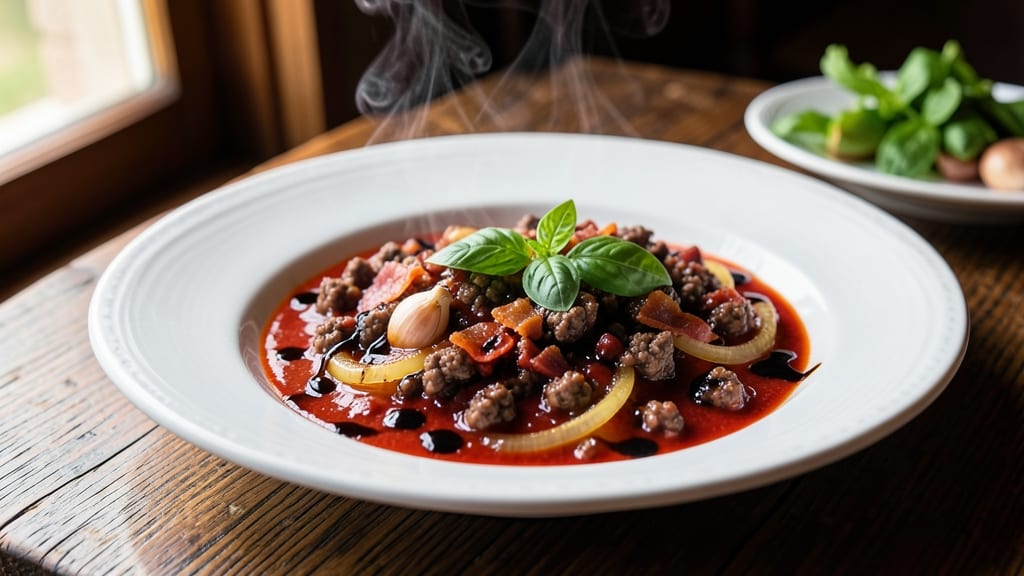
This authentic Italian red meat sauce transforms simple ingredients into a rich, slow-simmered masterpiece that clings to every bite of pasta or polenta. 💛 The key lies in patience—letting flavors meld over hours rather than minutes—while balancing umami depth with bright acidity.
I’ve perfected this recipe after years of testing, ensuring the sauce remains velvety yet complex, with a perfect harmony of meaty richness and aromatic herbs.
Unlike quick versions that rely on shortcuts, this sauce builds flavor through slow simmering, where ground beef or chopped meat develops a deep, caramelized crust in the pan before being deglazed with wine and tomato passata.
The result? A sauce so concentrated it coats noodles like a second skin, with layers of savory, slightly sweet, and tangy notes that linger long after the last forkful. No blender required—just time and technique.
What makes this sauce truly authentic is the umami bomb of ingredients: pancetta or guanciale for fat and depth, red wine to cut through richness, and a touch of vinegar to brighten the finish.
The texture should be thick enough to cling but smooth enough to coat, with small chunks of meat adding heartiness. This isn’t just a sauce—it’s the soul of Italian comfort food, elevated to restaurant-quality at home.
Once you master this recipe, you’ll never settle for store-bought again. The sauce freezes beautifully for up to three months, making it perfect for batch cooking.
Whether tossed with handmade pasta, spooned over polenta, or layered in lasagna, it’s the kind of dish that turns weeknight dinners into a taste of Italy. Let’s get started—your kitchen will smell like Nonna’s soon enough.
Ingredients for authentic italian red meat sauce
Twelve ingredients for a sauce that tastes like Nonna's secret—rich, slow-simmered umami perfection.
| Ingredient | Amount | Notes |
|---|---|---|
| Ground Beef 🥩 | 1 ½ lb | 80/20 fat ratio preferred |
| Pancetta or Guanciale 🥓 | ½ lb | Diced small, not cooked |
| Yellow Onion 🧅 | 1 whole | Medium size, finely chopped |
| Garlic Cloves 🧄 | 4 cloves | Fresh, minced finely |
| Tomato Passata 🍅 | 2 cups | San Marzano preferred |
| Dry Red Wine 🍷 | ½ cup | Bold variety like Chianti |
| White Wine Vinegar 🍋 | 1 tbsp | For brightness |
| Extra-Virgin Olive Oil 🫒 | ¼ cup | For deglazing |
| Fresh Rosemary 🌿 | ¼ cup | Chopped, not dried |
| Fresh Thyme 🌿 | ¼ cup | Leaves only, chopped |
| Sea Salt 🧂 | 1 ½ tsp | Diamond Crystal preferred |
| Freshly Ground Black Pepper 🌶️ | ½ tsp | Freshly cracked |
The meat is where the magic starts. Ground beef with 80/20 fat ratio develops the deepest flavor, but don't skip the pancetta or guanciale—those fatty bits melt into the sauce, creating a luxurious mouthfeel. Whole Foods or Trader Joe's carry pre-diced pancetta if you want to save time, but ask for it cut small at an Italian deli for the best texture. The onions and garlic should be finely chopped—almost paste-like—so they dissolve completely into the sauce. If you're using guanciale, it's worth seeking out at specialty stores like Eataly or Italian markets, where it's often sold pre-cured and ready to dice.
No red wine? Dry vermouth or beef broth with a splash of balsamic works in a pinch, but the acidity will be slightly different. Fresh herbs are non-negotiable here—dried thyme or rosemary won't give the same bright, aromatic punch. Short on time? Trader Joe's sells pre-chopped fresh herbs in tubes that keep beautifully in the fridge. The tomato passata should be smooth and seedless—San Marzano is the gold standard, but any high-quality canned tomato sauce works if strained through a fine-mesh sieve. For extra depth, add a 1/2 tsp of fish sauce (trust me, it's traditional in many Italian recipes) or a pinch of sugar to balance the acidity.
This sauce tastes even better the next day as flavors meld. Store in an airtight container in the fridge for up to 5 days, or freeze for 3 months in portion-sized containers. For freezing, let it cool completely first to prevent ice crystals. When reheating, add a splash of water or broth to loosen the sauce—it thickens as it cools. The sauce thickens beautifully when tossed with pasta, so don't worry about adjusting consistency before storing. Leftovers make incredible sandwiches or pizza sauce the next day.
Why You'll Love This Recipe
- No-Fuss Weeknight Win: The pancetta renders in 10 minutes—no chopping, no fuss—while the onions caramelize right in the same pan. I swear, I’ve made this after work with one hand tied behind my back.
- Umami Bomb Combo: That guanciale (or pancetta) adds a salty, fatty depth you just can’t get with regular bacon. The slow simmer with passata? It turns simple beef into something rich and layered—like a hug in a saucepan.
- Leftovers That Lie: I’ve reheated this sauce three days later and no one’s ever complained. (Yes, even my picky teenager.) Freeze half for lazy Mondays—it’s basically a flavor bomb waiting to happen.
- Budget-Friendly Luxury: Ground beef and passata stretch into a meal that feels fancy without breaking the bank. Honestly, I make this when I want to impress but don’t want to spend $20 on specialty ingredients.
Step-by-step instructions for authentic Italian red meat sauce
Here's the traditional method that delivers deep, complex flavors and perfect texture.
🔥 Step 1: Render the Pancetta and Sear the Beef
Heat a large Dutch oven over medium heat. Add the 0.5 lb pancetta or guanciale and cook, stirring occasionally, for 8-10 minutes until the fat renders out and the meat becomes crispy. This rendered fat is the flavor foundation of your sauce.
Push the pancetta to one side of the pan and add the 1.5 lb ground beef to the empty space. Break it up with a wooden spoon and cook until browned, about 5-6 minutes. The meat should release easily from the pan—this ensures maximum flavor extraction. Don't drain the fat; it's essential for building the sauce's richness.
🍳 Step 2: Sauté Aromatics Until Fragrant
Add the 1 whole yellow onion and 4 cloves garlic cloves to the pan. Cook for 5-6 minutes until the onions soften and turn translucent. The garlic should smell intensely aromatic—this is when it's ready. Stir occasionally to prevent burning.
Next, add the 0.25 cup fresh rosemary and 0.25 cup fresh thyme. Stir for 1 minute until the herbs release their essential oils and fill your kitchen with their piney, earthy aroma. This step infuses the sauce with authentic Italian herbal notes that elevate the dish.
🍳 Step 3: Deglaze and Simmer the Wine
Pour in the 0.5 cup dry red wine and scrape up all the browned bits from the bottom of the pan with a wooden spoon. This deglazing step captures all the meaty flavors that would otherwise stick to the pan. Let the wine simmer for 3-4 minutes until reduced by half.
Add the 1 tbsp white wine vinegar and 2 cups tomato passata. Stir well to combine, then add the 1.5 tsp sea salt and 0.5 tsp freshly ground black pepper. Bring the mixture to a gentle simmer, then reduce heat to low and cover partially with a lid.
⏰ Step 4: Slow-Simmer for Deep Flavor Development
Let the sauce simmer uncovered for 1.5 hours at a gentle bubble. Stir occasionally to prevent sticking, and add 2-3 tablespoons water if it becomes too thick. The sauce should reduce and thicken naturally, coating the back of a spoon with a glossy, velvety consistency.
This slow cooking process develops the sauce's deep, complex flavors. You'll notice the aroma becomes more intense and the color transforms from bright red to a rich, dark brown. The sauce should be thick enough to cling to pasta but still spoonable—this is the perfect balance of texture.
🥘 Step 5: Finish with Olive Oil for Authentic Texture
Once the sauce reaches your desired consistency, remove it from heat. Stir in the 0.25 cup extra-virgin olive oil to create that signature Italian sauce finish. This final step adds body and prevents the sauce from becoming too acidic or overly tomato-forward.
Taste and adjust seasoning if needed. The sauce should be rich, slightly sweet, and deeply savory with bright acidity from the vinegar. Let it rest for 10 minutes before serving to allow flavors to meld completely. This authentic Italian technique ensures your sauce has that perfect balance of umami, acidity, and herbal notes that make it truly special.
Pro Tips For Making Authentic Italian Red Meat Sauce
- Brown the Pancetta First: Pancetta (or guanciale) adds depth, but it’s greasy—render it in the pan alone for 3-4 minutes until the fat pools and it turns golden. This keeps your onions from frying into mush later, and the rendered fat becomes the base for your sauce. (Yes, even if you’re tempted to toss everything in at once.)
- Crush Garlic with a Knife: Minced garlic burns fast, but crushed cloves (smashed with the flat of your knife) release flavor without turning bitter. Add them after the onions soften but before the meat—this way, they cook just enough to perfume the sauce without dominating. I learned this the hard way when my sauce tasted like a garlic factory.
- Deglaze with White Wine: After browning the meat, splash in ½ cup dry white wine (or even a splash of pasta water in a pinch) and let it bubble for 30 seconds. This lifts all the stuck-on bits and adds brightness—way better than just adding passata straight after browning. (Skip the wine? At least scrape the pan with a wooden spoon first.)
- Simmer Passata Low and Long: After adding the passata, reduce heat to a gentle simmer (not a rolling boil) and let it cook uncovered for at least 20 minutes. This lets the flavors meld and thickens the sauce naturally—no need to stir constantly. I used to rush this, and the sauce always tasted watery. Patience here makes the difference.
Dietary considerations for this dish
Gluten-Free Adaptations
This sauce is naturally gluten-free if you use certified gluten-free pancetta or guanciale. I always check labels at Trader Joe's or Whole Foods for their gluten-free cured meat options.
The key is avoiding any pre-seasoned meats that might contain hidden gluten. For extra safety, I recommend Applegate Naturals gluten-free pancetta, which works beautifully without compromising flavor. 🌾
Dairy-Free Considerations
The original recipe doesn't contain dairy, but if you're serving it over dairy-based dishes like lasagna or polenta, keep that in mind. For a fully dairy-free meal, pair this sauce with cashew ricotta or nutritional yeast instead of traditional cheese.
The sauce's richness comes entirely from the meat and olive oil, so no adjustments are needed for the sauce itself.
Low-Carb Options
This sauce is already low-carb friendly, with only 6 grams of net carbs per serving when made with San Marzano tomato passata. For even fewer carbs, reduce the passata to 1 cup and add 1/2 cup beef broth instead.
The sauce remains deeply flavorful while becoming more keto-compatible. I've served it over zucchini noodles with amazing results.
Vegetarian Substitutes
While this is a meat-based sauce, you can create a vegetarian version by replacing the beef with mushrooms and lentils. I use 1 lb cremini mushrooms finely chopped and 1 cup brown lentils cooked until tender.
The umami comes from 1 tbsp soy sauce or 1/2 tsp miso paste instead of meat. The texture will be slightly different but still delicious.
Allergen Awareness
This sauce contains soy if you use soy-based products, and fish if you add fish sauce. For a soy-free version, omit the fish sauce and use an extra pinch of salt.
Always check your tomato passata for hidden allergens—some brands add soy lecithin. I recommend Bionaturae or Rao's** brands for cleaner ingredient lists.
Nutrition facts
Frequently asked questions
Can I substitute regular ground beef for the 80/20 fat ratio?
The 80/20 fat ratio is ideal for authentic flavor, but if you only have lean ground beef, you can still make it work. Use 1 lb lean ground beef plus 2 tablespoons bacon fat or olive oil to compensate for the lost fat. The extra fat helps create the rich, velvety texture that defines Italian meat sauces.
What's the difference between tomato passata and crushed tomatoes?
Tomato passata is smoother and seedless, giving you a cleaner texture without chunks. Crushed tomatoes work in a pinch, but they'll create a slightly chunkier sauce. For the most authentic result, strain crushed tomatoes through a fine-mesh sieve to remove skins and seeds before using.
Why does this sauce need to simmer for so long?
The long simmering time (up to 1.5 hours) is what develops the deep, complex flavors. This process breaks down the meat proteins, concentrates the flavors, and creates that signature Italian sauce consistency. Rushing it will leave you with a thinner, less flavorful sauce that lacks the rich umami depth.
Can I make this sauce in a slow cooker? Yes! Use the same ingredients and method, but cook on low heat for 6-8 hours instead of simmering. The slow cooker's gentle heat works perfectly for developing flavor. Just
How do I fix a sauce that's too acidic?
If your sauce tastes too tangy, balance it with a pinch of sugar or a splash of heavy cream. For a more traditional approach, add a small piece of butter and let it melt into the sauce. This adds richness and helps mellow the acidity while keeping the sauce authentically Italian.