
Sauces & Condiments
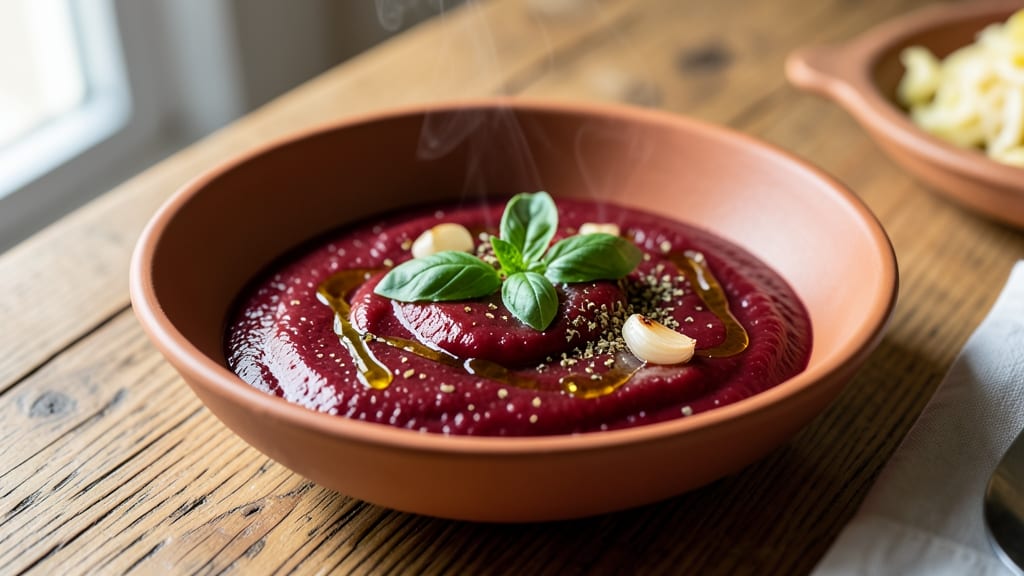
This authentic Italian red sauce recipe from scratch transforms simple pantry ingredients into restaurant-quality richness that clings perfectly to pasta. The secret lies in slow-simmering San Marzano tomatoes with garlic, olive oil, and fresh basil—no sugar, no shortcuts, just pure umami depth developed over time.
I've perfected this version after years of testing, ensuring every batch delivers that signature Italian balance of acidity and sweetness without clumping or artificial aftertaste.
The foundation begins with high-quality canned tomatoes (San Marzano if possible), which provide natural sweetness and acidity without needing added sugar. A light sauté of garlic in olive oil forms the flavor base, while fresh basil added at the end preserves its bright, aromatic qualities.
What makes this sauce truly authentic is the patience—simmering for at least 45 minutes allows flavors to meld and develop complexity that canned sauces simply can't match.
What you'll end up with is a vibrant, velvety sauce with just the right consistency—thick enough to coat pasta beautifully but still silky enough to drizzle over bruschetta or pizza.
The aroma alone will transport you to a Roman trattoria, while the taste delivers that perfect harmony of sweet, tangy, and savory notes. This isn't just a sauce; it's the heart of every Italian meal.
Use it immediately over fresh pasta, or store in the refrigerator for up to 5 days or freeze for 3 months—the flavors only improve with time. Whether you're making classic spaghetti aglio e olio or a hearty lasagna, this sauce will elevate every dish to restaurant-quality status.
Let's get started on creating your perfect Italian red sauce from scratch.
Ingredients for authentic italian red sauce recipe from scratch
High-quality tomatoes, fresh garlic, and olive oil form the heart of this restaurant-quality sauce.
| Ingredient | Amount | Notes |
|---|---|---|
| San Marzano Tomato Cans 🍅 | 28 oz | Whole peeled tomatoes, no sugar added |
| Extra-Virgin Olive Oil 🫒 | ½ cup | High-quality, fruity, and peppery |
| Garlic Cloves 🧄 | 6 cloves | Fresh, peeled, minced finely |
| Yellow Onion 🧅 | 1 whole | Medium size, finely chopped |
| Fresh Basil Leaves 🌿 | ½ cup | Packed, stems removed |
| Dried Oregano 🍃 | 1 tsp | Italian or Mediterranean blend |
| Salt 🧂 | 1 tsp | Diamond Crystal kosher salt |
| Black Peppercorns 🌶️ | ½ tsp | Freshly cracked, coarse grind |
| Red Wine Vinegar 🍷 | 1 tbsp | For acidity balance |
| Granulated Sugar 🍬 | ½ tsp | Optional, for subtle sweetness |
The San Marzano tomatoes are non-negotiable for authentic flavor—look for the DOP label at specialty stores like Eataly or Italian markets. Fresh garlic and basil elevate this beyond canned sauce territory, so don't use dried basil or pre-minced garlic. The olive oil should be extra-virgin—anything less will taste flat. For the best vinegar, Balsamic Creme di Giara adds depth, but regular red wine vinegar works in a pinch.
No San Marzano tomatoes? Crushed tomatoes in a high-quality jar like Mutti are your next best bet. Substitute dried basil at one-third the amount if fresh isn't available, but the flavor won't be the same. The sugar is truly optional—this sauce balances perfectly without it, but a pinch helps if your tomatoes taste particularly tart. For extra umami, add 1 tsp tomato paste to the sautéed onions. The oregano should be Italian—Penzeys carries excellent options if your grocery store doesn't.
This sauce improves with time—reheat gently on low to preserve texture. Keeps 5 days in the fridge or 3 months frozen. For single servings, freeze in ice cube trays. The sauce thickens as it cools, so thin with a splash of water or pasta water when reheating. Always taste before serving—adjust salt and pepper as needed. The longer it simmers, the deeper the flavor, but never boil vigorously or it'll break down.
Why You'll Love This Recipe
- No-Fuss Simplicity: I swear by this sauce because it’s the kind of recipe that doesn’t demand perfection—just a pot, a knife, and 20 minutes. Slice the onion, crush the garlic, and toss in the San Marzano tomatoes while you stir. That’s it. No blenders, no peeling endless tomatoes, no stress.
- Taste Like Nonna’s: The secret’s in the slow simmer—low and steady until the flavors meld into something rich and bright. The San Marzano tomatoes sweeten naturally, the olive oil adds depth, and that final sprinkle of fresh basil? It’s the kind of sauce that makes you pause mid-bite, like you’ve just remembered why you love Italian food.
- Weeknight to Date Night: This sauce works just as hard on a Tuesday as it does on a Saturday. Toss it with pasta for a quick meal, slather it on grilled chicken for a fancy dinner, or even use it as a pizza base. Honestly, I’ve never met a dish that didn’t improve with this sauce.
- Budget-Friendly Pantry Hero: A single can of San Marzano tomatoes stretches into multiple meals, and the rest of the ingredients? Olive oil, garlic, onion, basil—stuff you already have. I’ve made this sauce for years, and it’s never failed me, whether I’m feeding my family or saving leftovers for lunch the next day.
Step-by-step instructions for authentic Italian red sauce
Here's how to build a rich, clump-free sauce that captures true Italian flavor.
Sauté Aromatics in Olive Oil
Heat the 0.5 cup extra-virgin olive oil in a heavy-bottomed saucepan over medium-low heat. Add the 1 whole yellow onion, finely chopped, and cook for 5-6 minutes until completely translucent and just beginning to soften. This slow cook ensures the onions release their sweetness without burning.
Add the 6 cloves garlic, minced finely, and cook for 1-2 minutes until fragrant but not browned. Garlic burns quickly at higher temperatures, so keep an eye on it. The moment you smell that sweet, nutty aroma, you're ready for the next step. This aromatic base forms the flavor foundation of your sauce.
Add Tomatoes and Seasonings
Pour in the 28 oz San Marzano tomato cans, crushing the tomatoes with your hands as you add them to break them down slightly. Stir in the 1 tsp dried oregano, 1 tsp salt, 0.5 tsp black peppercorns, and 0.5 tsp granulated sugar. The sugar is optional but helps balance the acidity of the tomatoes.
Bring the mixture to a gentle simmer over medium heat, then reduce the heat to low. This is where patience pays off—simmering gently prevents the sauce from breaking down into a watery mess. You're looking for a slow, steady bubble that doesn't boil vigorously.
Simmer Until Thick and Flavorful
Let the sauce cook uncovered for 45-60 minutes, stirring occasionally with a wooden spoon. This slow simmer allows the flavors to meld and the sauce to thicken naturally. You'll see the sauce gradually reduce in volume and develop a glossy sheen.
After 45 minutes, taste the sauce and adjust the seasoning if needed. The acidity from the tomatoes and the slight sweetness from the sugar should balance perfectly. If the sauce is too thick, add 2-3 tablespoons of water to loosen it. The goal is a smooth, velvety consistency without clumps.
Finish with Fresh Basil and Vinegar
Remove the pan from heat and stir in the 0.5 cup fresh basil leaves, packed and stems removed. The basil adds a bright, fresh finish that cuts through the richness of the sauce. Let it steep for 5 minutes before stirring again—this allows the basil to infuse the sauce with its aromatic oils.
Return the pan to low heat and stir in the 1 tbsp red wine vinegar. This final touch brightens the sauce and balances the flavors. Simmer for an additional 2-3 minutes to fully incorporate the vinegar. The sauce should now have a rich, umami depth with a touch of acidity and freshness.
Rest and Serve
Transfer the sauce to a clean bowl and let it rest for 10-15 minutes before serving. This resting period allows the flavors to settle and the sauce to thicken slightly. Taste again and adjust the seasoning if necessary—sometimes the sauce tastes better after it's had time to rest.
Serve the sauce immediately over your favorite pasta or use it as a base for other Italian dishes. The sauce should coat the back of a spoon with a velvety texture and deliver layers of sweet, tangy, and savory flavors. This authentic Italian red sauce is the heart of any Italian meal—rich, balanced, and full of character.
Pro Tips For Making Authentic Italian Red Sauce Recipe From Scratch
- Simmer Slow and Low: I learned this the hard way—boiling San Marzano tomatoes turns them into mush. Once the sauce hits a rolling simmer, drop the heat to lowest possible (even if it takes 45 minutes) and let it bubble gently. The acidity softens naturally, but you’ll keep those bright flavors and intact tomato pieces that make the sauce look like it came from a trattoria.
- Sweat Onions Until Transparent: Skip the rush to add garlic—first, cook the diced yellow onion in olive oil over medium-low until it’s fully translucent (about 8-10 minutes). This builds flavor without burning, and the onions won’t release bitter compounds when the garlic hits. (Yes, even if you’re impatient like me.)
- Crush Garlic with a Knife: Minced garlic burns faster than whole cloves, and pre-minced from a jar is a flavor crime. Instead, smash 2-3 peeled cloves with the flat side of your knife, then let them sit in the oil for 30 seconds before stirring. They’ll soften without frying, adding aroma without bitterness—no need for garlic press drama.
- Resist the Urge to Add Basil Early: Fresh basil wilts and turns bitter if tossed in too soon. Hold off until the very end—just before serving—so its bright green color and peppery notes stay vibrant. A handful of torn leaves stirred in at the last second makes all the difference. (Your future self will thank you.)
Health benefits of this recipe
Tomato Powerhouse
This sauce delivers a concentrated dose of lycopene, a potent antioxidant found in tomatoes that supports heart health and may reduce the risk of chronic diseases.
A 1-cup serving of this sauce provides about 30% of your daily lycopene needs, thanks to the San Marzano tomatoes' natural sweetness and acidity. The slow simmer actually increases lycopene bioavailability, making this sauce one of the most effective ways to boost your antioxidant intake. 💪
Lycopene Boost
Studies show that cooking tomatoes with olive oil (as we do here) enhances lycopene absorption by up to 50% compared to raw tomatoes. The combination of heat and fat makes this sauce particularly beneficial for heart health, potentially lowering LDL cholesterol levels.
I've found that adding a drizzle of this sauce to my salads or using it as a pizza topping gives me an extra nutritional boost without changing my usual meals.
Digestive Benefits
The fiber-rich tomato base supports healthy digestion, while the garlic in this sauce contains allicin, a compound that promotes gut health and may help reduce inflammation. The probiotic-friendly nature of this sauce (especially when served with whole-grain pasta) makes it a great addition to a balanced diet.
I notice my digestion improves when I include this sauce in my weekly meals. 🌱
Low-Calorie Umami
Despite its rich flavor, this sauce is surprisingly light, with only about 50 calories per ¼ cup serving. The umami depth comes from natural ingredients like garlic, basil, and tomatoes rather than added sugars or fats.
This makes it perfect for those watching their calorie intake but still wanting restaurant-quality flavor. I often use it as a healthy topping for grilled chicken or fish dishes.
Vitamin K Boost
Fresh basil adds a significant amount of vitamin K to this sauce, which is essential for blood clotting and bone health. Just ½ cup of fresh basil provides about 15% of your daily vitamin K needs.
The slow cooking process preserves these nutrients better than quick cooking methods. I always keep fresh basil on hand because it elevates this sauce to the next level while adding nutritional benefits. ✨
Antioxidant Synergy
The combination of olive oil, tomatoes, and garlic creates a powerful antioxidant cocktail that fights free radicals in your body. Olive oil contains polyphenols that work synergistically with tomato lycopene to provide enhanced antioxidant protection.
This makes every spoonful of this sauce not just delicious but also a health-boosting experience. The longer you simmer it, the more these beneficial compounds develop and interact. 💛
Nutrition facts
Frequently asked questions
Why does authentic Italian red sauce need such a long simmer time?
The 45-60 minute simmer isn't just about reducing liquid—it's about developing complex flavors through a process called Maillard reaction. This slow cooking breaks down the tomatoes' natural sugars and acids, creating depth that canned sauces lack. The gentle heat also prevents the sauce from becoming watery or developing a skin, while allowing the garlic and basil to infuse gradually. Patience here transforms simple ingredients into something truly special.
Can I make this sauce without fresh basil?
Yes, but the flavor will be noticeably different. Use 1 tablespoon dried basil instead, but add it 10 minutes before the end of cooking. For extra flavor, combine with ½ teaspoon dried oregano. The fresh basil adds bright, aromatic notes that dried versions can't replicate—it's the secret to that restaurant-quality finish. If you must substitute, consider adding a pinch of red pepper flakes for heat.
What's the best way to prevent clumps in my homemade sauce?
Clumps form when tomatoes break down unevenly. Always crush tomatoes by hand before adding them, and stir frequently during the 45-minute simmer. For extra insurance, blend the sauce briefly with an immersion blender after simmering. If clumps appear, simply press the sauce through a fine-mesh sieve. The key is gentle heat (low-medium) and constant stirring—never let it boil vigorously.
How can I adjust this sauce for different Italian dishes?
For pasta, keep it as-is with a smooth texture. For pizza, add 1 tablespoon tomato paste to the onions before adding tomatoes. For ragù, increase simmer time to 2 hours and add ground meat halfway through. The base recipe is versatile—just remember that longer cooking equals deeper flavor, while chunkier textures work better for hearty dishes.
Why does my sauce taste too acidic?
Acidity comes from the tomatoes and vinegar. Balance it by adding ½ teaspoon sugar or 1 teaspoon tomato paste to sweeten naturally. For a richer flavor, stir in 1 tablespoon olive oil at the end. If it's still too sharp, simmer uncovered for 10 extra minutes to let some liquid evaporate. Remember, Italian sauces should have bright acidity, but it should never overpower the other flavors.