
Sauces & Condiments
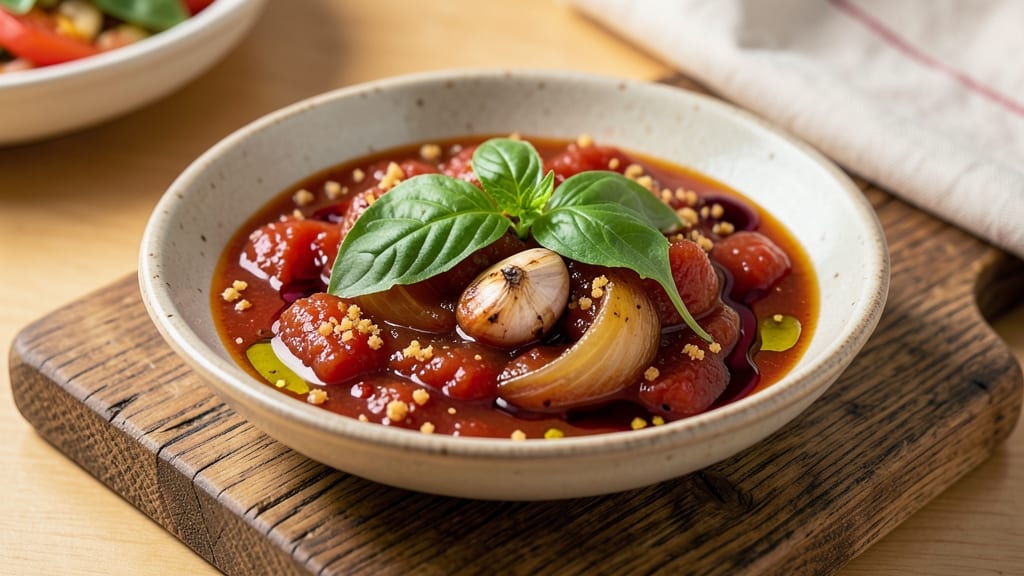
This authentic Italian tomato sauce recipe from scratch transforms simple ingredients into the velvety, umami-rich foundation of every Italian meal. The secret lies in slow-simmering San Marzano tomatoes with garlic, onion, and fresh basil—building depth and complexity hour by hour.
Unlike rushed versions, this sauce develops a balanced sweetness and acidity that store-bought can't match.
The process is straightforward yet precise: aromatics sautéed until fragrant, tomatoes crushed by hand (or blended) to preserve texture, and a long simmer to concentrate flavors. A splash of red wine or lemon juice at the end brightens the sauce without overpowering its natural richness.
The result? A sauce so authentic it belongs in a trattoria, not just your home kitchen.
What sets this apart is the texture—silky yet substantial, with just enough body to cling to pasta or meat. The slow reduction caramelizes the tomatoes, deepening their flavor while reducing acidity.
This isn’t just sauce; it’s the heart of Italian cooking, where every ingredient matters and patience pays off in layers of taste.
Perfect for meal prep, this sauce freezes beautifully and tastes even better the next day as flavors meld further. Whether you’re tossing it with al dente pasta or braising hearty meats, this is the sauce that elevates every dish to restaurant quality. Let’s make it from scratch.
Ingredients for authentic italian tomato sauce recipe from scratch
Nine essential ingredients crafting restaurant-quality Italian tomato sauce from scratch.
| Ingredient | Amount | Notes |
|---|---|---|
| San Marzano Tomatoes 🍅 | 28 oz | Whole, crushed by hand |
| Extra-Virgin Olive Oil 🫒 | ½ cup | High-quality, fruity variety |
| Yellow Onion 🧅 | 1 whole | Finely diced, about 1 cup |
| Garlic Cloves 🧄 | 4 cloves | Peeled, thinly sliced |
| Fresh Basil Leaves 🌿 | ½ cup | Packed, stems removed |
| Dry Red Wine 🍷 | ¼ cup | Bold, like Chianti |
| Tomato Paste 🍅 | 2 tbsp | High-quality, no sugar added |
| Kosher Salt 🧂 | 1 ½ tsp | Diamond Crystal preferred |
| Freshly Ground Black Pepper 🌶️ | ½ tsp | Coarsely ground |
| Lemon Juice 🍋 | 1 tbsp | Freshly squeezed |
San Marzano tomatoes are non-negotiable for authentic flavor—their sweetness and low acidity create the perfect base. Trader Joe's and Whole Foods carry them year-round, but Italian markets often have better selection. The olive oil should be extra-virgin with noticeable fruity notes; California Olive Ranch or Bertolli are reliable choices. Fresh basil elevates the sauce—garden-fresh leaves have more aroma than grocery store bunches, but use what you have. For the red wine, any bold variety like Chianti or Sangiovese works; save the good stuff you'd drink, not cooking wine.
No San Marzano tomatoes? Plum tomatoes are the next best option—just remove seeds for less acidity. Substitute red wine with dry white wine or extra tomato paste (1 extra tbsp) for depth. Fresh basil unavailable? Dried basil at 1/3 the amount works, but texture suffers. The tomato paste should be high-quality—Muir Glen or Barilla are excellent choices. For extra umami, add 1 tsp fish-free Worcestershire sauce or a pinch of miso paste. The lemon juice brightens at the end—don't skip it—but adjust to taste.
This sauce develops best over time—24 hours in the fridge lets flavors meld completely. Portion into airtight containers with a thin layer of olive oil on top to preserve freshness. Freezes beautifully for up to 6 months—thaw in the fridge overnight. For meal prep, double the batch and freeze half; homemade sauce always tastes better than store-bought. The longer it simmers, the richer it becomes—don't rush the process for authentic results.
Why You'll Love This Recipe
- No Chopping Struggle: I swear by this sauce because it’s actually simple—just dice one onion and mince a few garlic cloves. The San Marzano tomatoes do all the heavy lifting, so you’re not stuck peeling or seeding. (Yes, even on a Tuesday night.)
- Sun-Dried Flavor Magic: That first golden sizzle of olive oil with garlic? It’s the secret. The tomatoes caramelize just enough to balance the bright acidity, while the basil finishes it with a fresh, herby punch. Honestly, it’s the kind of taste that makes you want to eat it straight from the pot.
- Pasta Party Ready: This sauce doubles as weeknight dinner and Sunday supper. Toss it with spaghetti for a classic, or use half to simmer with meatballs and freeze the rest. Between us, I’ve served it at potlucks, date nights, and lazy breakfasts—it’s that adaptable.
- Budget-Friendly Pantry Gold: A single jar of San Marzano tomatoes and a bulb of garlic stretch forever. I’ve made this sauce for under $5 per batch, and it keeps for weeks in the fridge. Here’s what sold me—it’s the kind of recipe that feels luxurious but won’t break the bank.
Step-by-step instructions for authentic Italian tomato sauce
Here's the precise method for crafting a deeply flavorful, slow-simmered sauce that captures true Italian tradition.
Sauté Aromatics in Olive Oil
Heat the 0.5 cup extra-virgin olive oil in a heavy-bottomed saucepan over medium-low heat. Add the 1 whole yellow onion and cook for 8-10 minutes until the onion becomes translucent and begins to caramelize at the edges. This slow cooking develops sweetness that forms the sauce's foundation.
Add the 4 cloves garlic cloves and continue cooking for another 2 minutes until the garlic is fragrant but not browned. The key here is patience—rushing will burn the garlic and create bitterness. You'll know it's ready when the mixture emits a rich, sweet onion aroma with just a hint of garlic's pungency.
Build Depth with Wine and Tomato Paste
Pour in the 0.25 cup dry red wine and let it simmer for 3-4 minutes until reduced by half. This step deglazes the pan and incorporates the wine's acidity, which balances the sauce's richness. The alcohol will cook off completely, leaving behind concentrated flavor.
Stir in the 2 tbsp tomato paste and cook for 1-2 minutes until it darkens slightly and blends completely with the aromatics. This paste forms a flavorful base that prevents the sauce from separating later. The mixture should now have a thick, paste-like consistency with a deep reddish color.
Add Tomatoes and Simmer Slowly
Add the 28 oz San Marzano tomatoes (crushed by hand) and bring to a gentle simmer. The tomatoes should cover the aromatics completely. Partially cover the pan and reduce heat to low, allowing the sauce to simmer for 45-60 minutes without stirring.
This long, undisturbed simmer is crucial—it allows the tomatoes to break down naturally, developing complex flavors and a velvety texture. You'll see the sauce gradually thicken and darken as it reduces. The sauce is ready when it coats the back of a spoon smoothly and has a deep, concentrated tomato aroma.
Season and Finish with Basil
Stir in the 1.5 tsp kosher salt, 0.5 tsp freshly ground black pepper, and 1 tbsp lemon juice. The lemon juice brightens the sauce and cuts through the richness, while the salt and pepper balance the flavors. Taste and adjust seasoning if needed—Italian sauces should be well-seasoned but not overly salty.
Remove from heat and stir in the 0.5 cup fresh basil leaves. The basil should be added at the end to preserve its bright, fresh flavor. Let the sauce rest for 10 minutes before serving, allowing the flavors to meld completely. The finished sauce should be thick, glossy, and deeply aromatic with layers of sweetness, acidity, and umami.
Pro Tips For Making Authentic Italian Tomato Sauce Recipe From Scratch
- Sweat the Onion Slowly: I used to rush this step, but take your time—cook the finely chopped onion in olive oil over low heat for 8-10 minutes until it’s translucent and just starting to caramelize. This builds flavor without burning, and it’s the base everything else rests on.
- Crush Garlic, Don’t Mince: Skip the knife—peel the cloves, smash them with the flat side of your knife, then let them sit in the oil for 2-3 minutes before adding tomatoes. This releases their aroma without bitterness, and it’s less work than mincing.
- Avoid Boiling the Tomatoes: Keep the heat low once the tomatoes hit the pot—simmer, not boil. High heat breaks down the texture and concentrates bitterness, and you’ll end up with a watery mess instead of a rich, velvety sauce.
- Use Whole Basil Leaves: Tear the basil by hand, not chop—whole leaves infuse better and stay vibrant longer. Add them at the very end, just before serving, so they don’t turn bitter or mushy in the heat. (Yes, even if you’re impatient like me.)
Serving suggestions for leftovers
Pasta Pairings
This sauce is made for al dente pasta—think spaghetti or linguine for classic Italian dishes. Toss 8 oz dry pasta with ½ cup sauce per person, reserving some to drizzle on top.
For extra richness, add a splash of pasta water to emulsify the sauce. I love serving it with Bronze Die pasta—its rough texture grabs the sauce beautifully. 🍝
Meat Dishes
Use this sauce as a braising liquid for chicken thighs or beef short ribs. Simmer 2 lbs meat in 4 cups sauce with ½ cup red wine for 2-3 hours until tender.
The sauce absorbs meaty flavors, creating a perfect sauce for serving alongside. For a quick option, toss with pan-seared chicken breast and finish with fresh basil.
Grilled Vegetables
Drizzle over grilled zucchini, eggplant, or portobello mushrooms for a vegetarian showstopper. The sauce's acidity balances the smoky flavors of grilling. I recommend 1 tbsp sauce per cup of vegetables, adding a sprinkle of Pecorino Romano for extra depth.
Serve warm with crusty bread to soak up any extra sauce. 🌱
Cheese Boards
Warm ¼ cup sauce in a small saucepan and serve alongside mozzarella pearls, provolone, and cured meats like prosciutto. The sauce's brightness cuts through rich cheeses, while the umami pairs perfectly with salty cured meats.
Add a drizzle of extra-virgin olive oil and fresh basil for an elevated appetizer.
Bread Dipping
Serve warm garlic bread or focaccia with a small bowl of sauce for dipping. The crusty texture contrasts beautifully with the silky sauce. For a gourmet touch, toast baguette slices with garlic butter, then dip into the sauce. This is my go-to when entertaining—it’s effortless yet impressive. 🥖
Storage & Reuse
Save leftovers in airtight containers with a thin layer of olive oil on top to preserve freshness. Reheat gently on the stovetop with a splash of water to prevent sticking.
I often use leftover sauce as a base for pizza sauce or lasagna layers. The flavors deepen over time, making it even more delicious the next day. 💫
Nutrition facts
Frequently asked questions
Why does authentic Italian tomato sauce need such a long simmering time?
The slow simmer (45-60 minutes) is essential for developing deep, complex flavors. This method allows the tomatoes to break down naturally, concentrating their natural sweetness while reducing acidity. The longer it cooks, the more the sauce develops that signature umami-rich depth that separates homemade from store-bought. Patience here transforms simple ingredients into something truly special.
Can I make this sauce without San Marzano tomatoes?
Yes, but expect slightly different flavor characteristics. Use plum tomatoes instead and remove seeds to reduce acidity. For extra richness, add 1 extra tablespoon tomato paste or a pinch of sugar to balance flavors. The sauce will still be delicious, though it won't have that perfect sweetness San Marzano tomatoes provide. Quality matters most in homemade sauce!
How do I adjust the thickness of the sauce?
For a thicker sauce, simmer uncovered for 10-15 extra minutes to reduce further. Need it thinner? Add 1-2 tablespoons water or pasta water while heating. The key is patience—Italian sauces should coat the back of a spoon smoothly without being gluey. If it's too thick after cooking, a splash of water works wonders.
What's the best way to store and reheat this sauce?
Store in airtight containers with a thin layer of extra-virgin olive oil on top to preserve freshness. It keeps well in the fridge for 5-7 days or freezes beautifully for up to 6 months. To reheat, warm gently on the stovetop with a splash of water to prevent sticking. The flavors actually improve overnight as ingredients meld further.
Can I add meat to this sauce?
Brown ground beef, Italian sausage, or pancetta first, then deglaze with wine before adding the tomatoes. For larger cuts like chicken thighs or beef short ribs, simmer them directly in the sauce for 2-3 hours until tender. The meat absorbs the sauce's flavors beautifully, creating a perfect one-pot meal. Just