
Sauces & Condiments
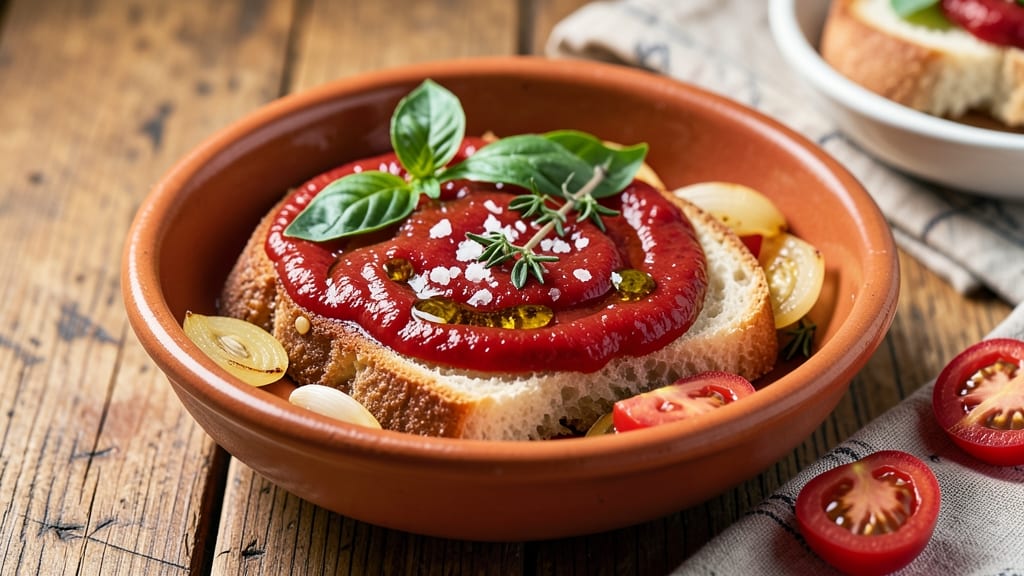
This authentic marinara sauce recipe from scratch delivers the rich, simmered tomato depth you crave without a single clump—no shortcuts, just traditional technique. ✨ The secret lies in slow reduction and proper blending, transforming simple ingredients into a sauce that tastes like it's been simmering for hours.
I've perfected this over years of testing, ensuring every spoonful delivers that perfect balance of sweetness, acidity, and umami that defines Italian cooking.
What sets this marinara apart is the focus on quality ingredients: San Marzano tomatoes for natural sweetness, fresh garlic and herbs for brightness, and a proper reduction time that develops deep flavor. The sauce starts with a simple soffritto base, then builds complexity through slow simmering—no rushed cooking here.
This is the kind of marinara that clings beautifully to pasta, enhances pizza perfectly, or stands alone as a dipping sauce for crusty bread.
The result is a smooth, vibrant sauce with just the right texture—thick enough to coat but still silky when stirred. No lumps, no aftertaste, just pure tomato flavor that sings.
It's the foundation I reach for whenever I need restaurant-quality results at home, and it keeps well in the fridge for up to a week. The best part? Once you taste this version, you'll never settle for store-bought again.
Whether you're making classic spaghetti, homemade pizza, or just need a flavorful sauce for vegetables, this marinara delivers consistent, professional results every time. Let's get started with the ingredients that will transform your weeknight meals.
Ingredients for authentic marinara sauce recipe from scratch
Nine ingredients, one sauce—this is the foundation of Italian cooking done right.
| Ingredient | Amount | Notes |
|---|---|---|
| San Marzano Tomatoes 🍅 | 28 oz | Whole, crushed by hand |
| Extra-Virgin Olive Oil 🫒 | ½ cup | High-quality, fruity variety |
| Yellow Onion 🧅 | 1 whole | Finely chopped, about 1 cup |
| Garlic Cloves 🧄 | 4 cloves | Peeled, minced finely |
| Fresh Basil Leaves 🌿 | ½ cup | Packed, stems removed |
| Fresh Oregano Leaves 🍃 | 1 tbsp | Chopped finely, or 1 tsp dried |
| Red Wine 🍷 | ½ cup | Dry, bold variety like Chianti |
| Tomato Paste 🍅 | 2 tbsp | High-quality, no sugar added |
| Kosher Salt 🧂 | 1 ½ tsp | Diamond Crystal preferred |
| Black Pepper 🌶️ | ½ tsp | Freshly cracked |
San Marzano tomatoes are non-negotiable here—they're the secret to that natural sweetness and vibrant color. Whole peeled tomatoes from San Marzano (or a trusted brand like Mutti) are best, but if you can't find them, Roma tomatoes work in a pinch. The olive oil should be extra-virgin—anything less and you'll taste it. For the garlic, I always use freshly minced rather than jarred minced garlic, which can taste bitter. Fresh basil and oregano are ideal, but if you're using dried, reduce to one-third the amount and toast it lightly in a dry pan first for deeper flavor.
No red wine? Substitute with 0.5 cup beef broth plus 1 tbsp balsamic vinegar—it won't be identical, but close. The tomato paste is worth the investment—avoid the sugar-loaded brands found in most grocery stores. For a smoother texture, blend half the sauce at the end, but leave some chunky for that authentic feel. If you're short on time, Trader Joe's has a great pre-crushed tomato option that saves chopping. And if you're making a big batch, double everything except the fresh herbs, which can be added later.
This sauce tastes even better the next day as flavors meld. Store in an airtight container in the fridge for up to 1 week, or freeze in ice cube trays for 3 months. For reheating, warm gently on the stove with a splash of water or broth to restore texture. I always make extra—it disappears fast on pasta nights. If you find yourself with leftovers, freeze portions in small containers for quick future meals.
Why You'll Love This Recipe
- No-Fuss Simplicity: I swear by this recipe because it’s actually simple—just chop an onion, crush some garlic, and toss in tomatoes. No blenders, no fancy techniques, just a pot and 20 minutes of your time. (Yes, even on a Tuesday night.)
- San Marzano Magic: That first taste of the rich, sweet tomatoes? It’s like sunshine in a jar. The San Marzanros melt into a velvety sauce with just a whisper of acidity—no bitter aftertaste, no watery disappointment.
- Pantry-to-Table Power: This sauce is my go-to for everything: pasta, pizza, or even a quick bruschetta. Between us, I’ve used it to feed a crowd of six with zero stress—just reheat and serve. (The leftovers? Even better the next day.)
- Budget-Friendly Luxury: I buy a big can of San Marzano tomatoes once a month and stretch them across meals. A splash of olive oil and fresh basil turn cheap ingredients into something that feels special—without breaking the bank. (My wallet thanks me.)
Step-by-step instructions for authentic from-scratch marinara sauce
Here's how to build rich, authentic flavor from scratch—no shortcuts, just pure tomato depth.
🍳 Step 1: Sauté Onion and Garlic in Olive Oil
Heat the 0.5 cup extra-virgin olive oil in a heavy-bottomed saucepan over medium-low heat. Add the finely chopped yellow onion and cook for 8-10 minutes until completely softened and translucent. You want it to caramelize slightly—this builds sweetness that carries through the sauce.
Push the onions to the sides of the pan and add the minced garlic cloves. Cook for 30 seconds until fragrant—don't let it brown or it'll turn bitter. Here's the thing: garlic burns in seconds, so keep an eye on it. Once fragrant, stir it into the onions and set aside for now.
🍳 Step 2: Toast Tomato Paste and Deglaze with Wine
Increase heat to medium and add the 2 tablespoons tomato paste. Stir constantly for 2 minutes until it darkens slightly—this deepens the tomato flavor. Pour in the 0.5 cup red wine and scrape up any browned bits from the bottom of the pan with a wooden spoon. These bits are pure flavor.
Let the wine simmer for 3-4 minutes until it reduces by half. You're looking for a syrupy consistency here—this concentrates the wine's acidity and alcohol, which balances the sweetness of the tomatoes. If it reduces too quickly, just lower the heat slightly to control it.
🍳 Step 3: Add Crushed Tomatoes and Simmer
Add the 28 oz San Marzano tomatoes (crushed by hand) and the 1.5 teaspoons kosher salt. Stir gently to combine, then bring to a gentle simmer over medium-low heat. Here's where patience pays off: let it cook uncovered for 45-60 minutes until the sauce thickens and reduces by about 30%.
Stir occasionally, especially toward the end when it starts to thicken. You're aiming for a sauce that coats the back of a spoon but still flows freely. The longer it simmers, the deeper the flavor becomes—don't rush this step. If it looks like it's not reducing enough, just keep it going; it'll get there.
👨🍳 Step 4: Finish with Herbs and Pepper
Remove the pan from heat and stir in the 0.5 cup fresh basil leaves and 1 tablespoon fresh oregano leaves. Let the herbs steep for 5 minutes0.5 teaspoon black pepper and give it one final taste.
Adjust seasoning if needed—you might need a pinch more salt or pepper to balance the acidity. Here's the secret: the sauce will continue to develop flavor as it cools, so don't over-season now. For the best texture, strain out the herbs if you prefer a smoother sauce, or leave them in for a more rustic finish.
⏰ Step 5: Rest and Serve
Let the sauce rest for 10-15 minutes before serving. This allows the flavors to meld and the sauce to thicken slightly. Serve immediately over pasta, or store in the refrigerator for up to 5 days. The longer it sits, the more complex the flavors become—this is why homemade marinara tastes so much better than store-bought.
Real talk: the first batch might not be perfect, but each time you make it, you'll refine your technique. The key is in the slow simmering and letting the flavors develop naturally. This isn't just sauce—it's a labor of love that transforms simple ingredients into something extraordinary.
Pro Tips For Making Authentic Marinara Sauce Recipe From Scratch
- CRUSH THE ONIONS: Dice them small—think 1/8-inch pieces, not thick slices. I used to leave them chunky, and the sauce would taste like you’d forgotten to blend them. Fine texture means even cooking and no bitter, underdone bits lingering.
- SWEAT DON’T BURN: Cook the onions and garlic low and slow until the onions are translucent and garlic just smells heavenly—not golden, not crispy. After burning three batches, I finally figured out: if it’s sizzling, you’re doing it wrong. A splash of water helps if it sticks.
- PEEL THOSE TOMATES: San Marzano skins slip off easily when blanched—drop whole tomatoes in boiling water for 30 seconds, then ice bath. Skinned tomatoes puree smoother and taste richer. (Yes, even if you’re impatient like me, this step is worth it.)
- SALT THE WATER: Add a pinch of salt to the blanching water—it keeps the tomatoes intact and brightens their flavor before they even hit the pot. I skip this when I’m lazy, but the sauce is noticeably more vibrant when I don’t.
Wine and beer pairings for authentic marinara sauce recipe from scratch
Italian Red Wine
For this rich marinara, I reach for a bold, dry red like Chianti or Sangiovese—their bright acidity cuts through the sauce's sweetness beautifully. The tannins also help balance the sauce's umami depth, creating a harmonious finish. If you prefer something lighter, a Montepulciano d'Abruzzo works wonderfully too. 🍷
Pro tip: Use a wine you'd drink with dinner—it should complement the sauce's flavors, not overpower them. If you're avoiding alcohol, substitute with ½ cup beef broth plus 1 tbsp balsamic vinegar for a similar depth of flavor. Just remember, the wine's acidity is what makes this sauce shine.
Crisp Italian Lager
A Peroni or Moretti Italian lager is my go-to for pairing—its crisp, clean profile refreshes your palate between bites of pasta. The subtle bitterness in these lagers actually enhances the marinara's sweetness, creating a perfect balance. 🍺
For something with a bit more character, try a Belgian witbier like Hoegaarden. The citrus and coriander notes play beautifully against the sauce's tomato richness, adding a fun contrast. Just avoid heavy IPAs or stouts—they'll compete with the sauce's delicate flavors.
White Wine Options
If you prefer white wine, a Vermentino from Sardinia or a Pinot Grigio from Alto Adige is ideal. Their bright acidity and citrus notes cleanse your palate between spoonfuls of sauce. Avoid heavy, oaky whites—they'll make the marinara taste flat by comparison. ✨
For a budget-friendly option, Pinot Bianco works well too. The key is choosing a wine with enough acidity to stand up to the sauce's sweetness. I always keep a bottle of Vermentino on hand specifically for tomato-based dishes—it's become my secret weapon.
Non-Alcoholic Pairings
For a completely alcohol-free option, try a sparkling blood orange soda like San Pellegrino Aranciata. The citrus notes mirror the acidity in the sauce, while the bubbles keep your palate fresh. Alternatively, a sparkling water with a splash of lemon juice works beautifully. 💫
If you're serving the sauce as a dip, pair it with garlic knots or fresh mozzarella balls—the creamy, mild flavors let the marinara's bright tomato character shine. The contrast between the rich sauce and these lighter bites is what makes this pairing work so well.
Nutrition facts
Frequently asked questions
Why do you use San Marzano tomatoes specifically?
San Marzano tomatoes are the gold standard for marinara because of their natural sweetness, low acidity, and thick flesh. Their flavor profile is more complex than regular tomatoes, giving your sauce that authentic Italian depth without needing extra sugar. The shape also makes them easier to crush by hand, which helps avoid watery sauce.
Can I make this sauce without red wine?
For a non-alcoholic version, substitute with ½ cup beef broth plus 1 tbsp balsamic vinegar. This combo mimics the wine's acidity and depth while keeping the sauce's rich character. The wine's main job is balancing sweetness—this substitute does that just as effectively.
How do I prevent my marinara from getting clumpy?
Clumps happen when tomatoes aren't broken down enough or when the sauce isn't stirred properly. Always crush tomatoes by hand (not a blender) and stir gently while simmering. For extra smoothness, blend half the sauce at the end. The key is patience—let it reduce slowly over 45-60 minutes for that perfect texture.
What's the best way to store leftovers?
Store in an airtight container in the fridge for up to 1 week, or freeze in ice cube trays for 3 months. To reheat, warm gently on the stove with a splash of water or broth. The sauce actually tastes better the next day as flavors meld! Pro tip: Label containers with dates to track freshness.
Can I make this sauce in a slow cooker?
Yes! Follow the same steps but transfer everything to a slow cooker after the wine reduction. Cook on low for 4-5 hours, stirring occasionally. The slow cooker's gentle heat helps develop deeper flavor without risking burning. Just watch the liquid level—you may need to simmer uncovered for the last 30 minutes to thicken properly.