
Sauces & Condiments
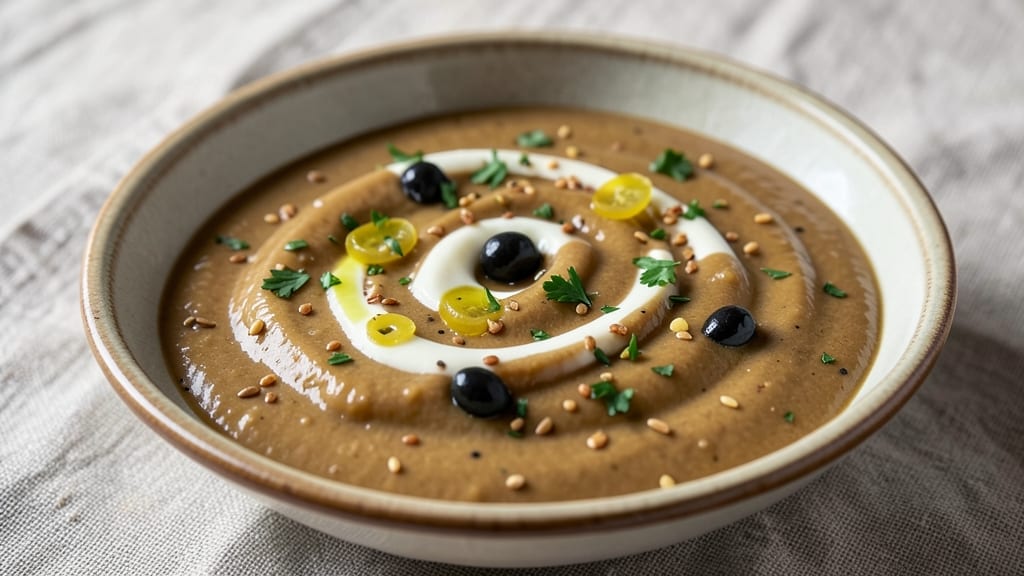
This authentic remoulade sauce recipe brings the bold, tangy essence of French bistros to your kitchen—where creamy mayonnaise meets sharp mustard, briny capers, and a whisper of celery seed. 💛 The secret lies in balancing textures: a velvety base with just enough crunch from cornichons and finely chopped herbs.
I developed this version after years of perfecting the ratio of mustard to mayo, ensuring it’s rich enough for seafood but bright enough to cut through rich dishes.
The sauce’s signature zing comes from celery seed, which adds an earthy depth without overpowering the other flavors. Traditional recipes often include a touch of cayenne for heat, but I’ve kept this version versatile—adjust to your preference.
The key technique is folding in the ingredients gently to maintain that signature smooth yet slightly textured consistency that makes remoulade unforgettable.
What you’ll end up with is a sauce that’s equally at home drizzled over poached salmon, slathered on shrimp skewers, or spread thickly on a classic French sandwich.
The flavors develop as it sits, becoming even more complex over time. This isn’t just a condiment—it’s a flavor booster that elevates any dish it touches.
Best of all, it keeps beautifully in the fridge for up to a week, making it perfect for meal prep. Let’s get started—your taste buds (and dinner guests) will thank you.
Ingredients for authentic remoulade sauce
Nine simple ingredients transform into the creamy, tangy sauce that defines French bistros.
| Ingredient | Amount | Notes |
|---|---|---|
| Mayonnaise 🥫 | 1 cup | High-quality, creamy preferred |
| Dijon Mustard 🌶️ | ½ cup | Moutardier or Amora brand ideal |
| Celery Seed 🌿 | 1 tsp | Freshly ground for best flavor |
| Cornichons 🥒 | ¼ cup | Chopped finely, French style |
| Capers 🫒 | 2 tbsp | Chopped, briny flavor essential |
| Fresh Parsley 🌿 | ¼ cup | Finely chopped, stems removed |
| Fresh Tarragon 🌿 | 1 tbsp | Chopped, French tarragon preferred |
| Lemon Juice 🍋 | 1 tbsp | Freshly squeezed, bright flavor |
| Salt 🧂 | ½ tsp | Diamond Crystal kosher preferred |
| Black Pepper 🌶️ | ¼ tsp | Freshly ground for texture |
| Cayenne Pepper 🔥 | ¼ tsp | Adjust for heat preference |
The mayo and Dijon are your foundation—Hellmann's or Moutardier are my go-tos. Celery seed is non-negotiable for that signature earthy depth; Penzeys sells it pre-ground, but toasting whole seeds first boosts flavor. Cornichons add crunch—French brands like Bonduelle have the best texture. I grab capers in the glass jars at Trader Joe's—they keep forever and taste fresher. Fresh herbs? Whole Foods has the brightest parsley and tarragon, but even the grocery store stuff works if it smells vibrant.
No Dijon? Whole-grain mustard thinned with water works in a pinch. Short on cornichons? Pickle relish or finely chopped dill pickles mimic the tang. Tarragon hard to find? Dried tarragon at one-third the amount gets you close. The cayenne is optional—skip it for a milder sauce or add more for heat. Lemon juice can be bottled, but freshly squeezed adds brightness. If your sauce seems too thick, a splash of water or more lemon juice loosens it up beautifully.
This sauce tastes better the longer it sits—24 hours in the fridge lets flavors meld. Store in a sealed jar with a thin layer of olive oil on top to preserve freshness. Keeps for up to 1 week in the fridge or 3 months frozen. I double the batch and freeze half—perfect for quick weeknight dinners. The cornichons and herbs will soften over time, so use the sauce within the week for best texture.
Why You'll Love This Recipe
- Five-Ingredient Magic: I swear by this combo—mayo, mustard, celery seed, cornichons, and capers. That’s it. No fancy prep, no last-minute grocery runs. Just chop a few pickles, drain some capers, and stir. Honestly, the hardest part is waiting for the flavors to marry.
- Tangy Kick: The cornichons and capers give it that bright, briny punch that cuts through richness. Not too sweet, not too heavy—just that perfect balance of funky and smooth. I’ll be real: my kids still eye it suspiciously, but they’ll sneak bites when they think I’m not looking.
- Game for Any Plate: Slather it on grilled fish, toss it with chicken, or just eat it with bread. It’s my go-to for summer BBQs, lazy weeknight dinners, or even as a dip when I’m too tired to think. Between us, it’s the only sauce I make that actually improves over time—like a better version of itself.
- Make-Ahead MVP: This sauce doesn’t just keep—it gets better. I double the batch on Sundays, stash it in the fridge, and use it all week. No waste, no stress. Plus, the capers and cornichons keep it fresh, so it never tastes stale. My secret weapon for effortless leftovers.
Step-by-step instructions for authentic remoulade sauce
Here's how to make this classic French bistro sauce that balances creamy richness with bold, tangy flavors.
👨🍳 Step 1: Combine the Base Ingredients
In a medium bowl, add the 1 cup mayonnaise and 0.5 cup Dijon mustard. I like to use a rubber spatula for this step—it helps scrape up any thick bits from the bottom of the bowl. Mix these two ingredients together until completely smooth and well blended. The Dijon mustard adds that signature tangy depth that sets remoulade apart from regular mayo.
Here's the thing—don't rush this mixing. You want the mustard to fully incorporate into the mayo so you don't get any grainy textures later. The mixture should be completely homogeneous before you add anything else. I usually mix for about 1-2 minutes until no streaks remain.
🥘 Step 2: Add the Briny and Herbal Elements
Now it's time for the flavor boosters. Add the 1 tsp freshly ground celery seed, 2 tbsp chopped capers, 0.25 cup finely chopped cornichons, 0.25 cup chopped fresh parsley, and 1 tbsp chopped fresh tarragon to the bowl. The celery seed gives that distinctive French zing, while the capers and cornichons bring the briny punch that makes remoulade so addictive.
Use your spatula to gently fold these ingredients in, being careful not to overmix. You want the herbs and pickled elements to be evenly distributed but still visible—this gives the sauce texture and visual appeal. Taste as you go, adjusting the balance between the creamy base and the briny elements. If it needs more brightness, we'll add the lemon juice in the next step.
🍋 Step 3: Balance and Season
Add the 1 tbsp freshly squeezed lemon juice, 0.5 tsp salt, 0.25 tsp freshly ground black pepper, and 0.25 tsp cayenne pepper to the bowl. The lemon juice brightens everything up while the cayenne adds just a touch of heat. This is where the sauce comes together—taste it now and adjust if needed. I usually add a pinch more salt or a tiny bit more lemon juice to get that perfect balance.
Real talk: This is the moment that matters. The sauce should be tangy, slightly spicy, and briny with just enough creaminess from the mayo. If it's too thick, you can thin it with 1-2 teaspoons of water or a splash of lemon juice. If it's too thin, you can add a bit more mayonnaise to bring it back to the right consistency. The ideal remoulade should coat the back of a spoon but still be spreadable.
⏰ Step 4: Rest and Serve
Cover the bowl with plastic wrap and refrigerate for at least 30 minutes. This resting time allows all the flavors to meld together perfectly. I know it's tempting to serve it immediately, but trust me—waiting makes a world of difference. The flavors will develop and become more harmonious during this time.
When you're ready to serve, give the sauce one last stir before spooning it onto your favorite dishes. This authentic remoulade pairs beautifully with fried fish, shrimp, grilled meats, or even as a dip for crudités. The balance of creamy, tangy, and briny flavors makes it incredibly versatile while staying true to its French bistro roots.
Pro Tips For Making Authentic Remoulade Sauce
- Whisk the mustard first: Mix the Dijon into the mayo before adding anything else—this keeps the texture smooth and prevents grainy clumps when you toss in the capers or cornichons later. I learned this the hard way after scraping out a lumpy mess from my first batch.
- Rinse the capers: Drain and rinse jarred capers in cold water to remove excess brine—otherwise, they’ll turn your sauce into a salty, briny sludge. Pat them dry afterward, or they’ll water down the mayo.
- Toast the celery seed: Dry-toast the celery seed in a small pan over low heat for 30 seconds until fragrant—this deepens the flavor without burning. Skip this, and you’ll just taste raw seed, not the warm, nutty punch you want.
- Fold in cornichons last: Chop the cornichons finely and add them after everything else is mixed—this keeps their bright acidity from breaking down the mayo’s emulsion. Roughly chopping them also prevents a weird, chunky texture.
Essential equipment for this recipe
Mixing Bowl Essentials
Start with a medium, non-reactive mixing bowl—I prefer glass or stainless steel because they won’t absorb flavors like plastic. A wide, shallow bowl makes it easier to scrape up every bit of sauce with your rubber spatula.
For best results, use a bowl that holds at least 2 cups to avoid overfilling. 🥫
Your rubber spatula is non-negotiable—it’s the best tool for folding in ingredients without overmixing. I recommend a silicone spatula with a flexible edge (like the OXO Good Grips) to ensure smooth, even blending. A hand mixer on low speed works too, but you’ll lose some of that handcrafted texture.
Herb and Seed Tools
Fresh herbs need sharp, small scissors or a herb chopper to achieve that fine, even texture. I keep a pair of Japanese-style kitchen shears (like Kikona) on hand—they make quick work of parsley and tarragon.
For celery seed, a mortar and pestle gives the freshest flavor, but a spice grinder (like Baratza Encore) works in a pinch. Just don’t skip grinding—whole seeds won’t dissolve properly.
If you’re chopping cornichons or capers, a microplane or fine grater works best for that ultra-fine texture. Avoid a knife—it’ll leave uneven pieces that disrupt the sauce’s silky consistency. I also keep a small offset spatula nearby to gently press ingredients into the bowl without mashing them.
Measuring with Precision
For liquid ingredients like mayo and lemon juice, use a liquid measuring cup with clear markings—Pyrex is my go-to. For dry ingredients like celery seed and spices, a small measuring spoon set (like West Bend) ensures accuracy.
I weigh out spices on a digital kitchen scale (like Escali Primo) when possible—it’s the only way to guarantee consistent flavor every time.
Don’t skimp on the Dijon mustard—use a small squeeze bottle or acacia spoon to measure it precisely. A measuring spoon with a leveler helps avoid packing the mustard too tightly, which can throw off the ratio.
Pro tip: Chill your measuring tools in the fridge for 10 minutes before use—they’ll stay cool longer, preventing the mayo from warming too quickly.
Storage Containers
Transfer your remoulade to an airtight glass jar (like Le Parfait) for storage—it preserves flavors better than plastic. Leave ½ inch of headspace at the top to prevent oxidation. For longer storage, add a thin layer of olive oil on top to create a protective barrier.
I label my jars with the date using a permanent marker—this sauce tastes best within 5-7 days in the fridge.
For freezing, use silicone ice cube trays or small freezer-safe containers (like Rubbermaid Brisk Freeze). Portion into 1-tablespoon servings for easy thawing. When reheating, microwave in 10-second bursts, stirring between each, until just warmed through—never boil, or the texture will break down. 🧊
Nutrition facts
Frequently asked questions
What's the difference between French and Cajun remoulade?
The French version is creamy, mayo-based with Dijon mustard and delicate herbs like tarragon, while Cajun remoulade is spicier with tomato paste, hot sauce, and cayenne. This recipe follows the French style—think of it as a sophisticated bistro sauce rather than a bold Cajun condiment.
Can I make remoulade without mayo?
Traditionally no, but you can substitute with Greek yogurt or sour cream for a lighter version. The texture will be thicker, so thin with water or lemon juice. For authenticity, mayo is key—it creates that signature velvety mouthfeel.
Why does my remoulade taste too sour?
Too much lemon juice or Dijon mustard causes this. Balance it by adding 1 tsp sugar or honey or a pinch more salt. Taste as you go—remember, flavors meld better after 30 minutes of resting.
How long can I store remoulade in the fridge?
Up to 7 days in an airtight container. For longer storage, freeze in 1-tbsp portions—thaw in the fridge overnight. The herbs will soften over time, so use within the week for best texture.
What's the best way to use leftover remoulade?
Spread it on toasted baguettes, drizzle over grilled salmon or shrimp, or use as a dip for veggie sticks or fries. It also works wonders in seafood pasta dishes—just stir in at the end to maintain its creamy texture.