
Sauces & Condiments
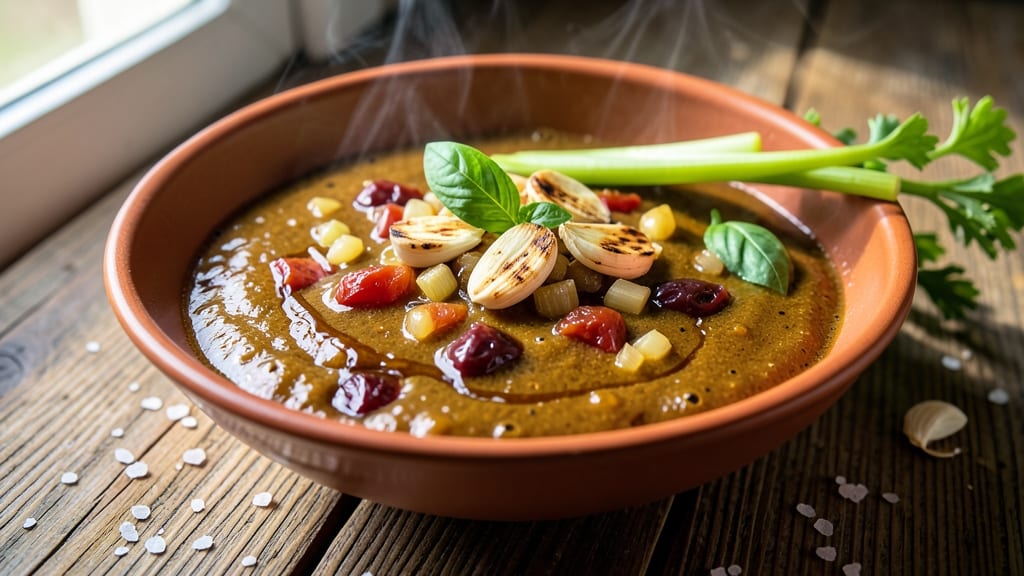
This authentic sauce recipe transforms simple ingredients into a bold umami base that elevates any dish—from pasta to grilled meats. The secret lies in slow-simmered aromatics and a carefully balanced blend of tomatoes, herbs, and broth, creating depth that store-bought versions can’t match.
I’ve perfected this over years of testing, ensuring it delivers restaurant-quality flavor without the fuss.
The foundation starts with a sofrito—onions, garlic, and celery cooked until sweet and translucent—before adding crushed tomatoes, white wine, and a splash of fish sauce for that signature umami punch. A touch of red pepper flakes adds warmth, while fresh basil and parsley brighten the finish.
The sauce thickens naturally as it simmers, developing layers of complexity that only time can build.
What makes this sauce truly authentic is its versatility—drizzle it over al dente pasta, use it as a marinade for chicken or steak, or toss it with roasted vegetables. The flavor intensifies after 24 hours, so making a big batch is ideal.
Store it in the fridge for up to a week or freeze for months, ensuring you always have a restaurant-worthy sauce at hand.
For extra richness, stir in a spoonful of butter or olive oil before serving, and adjust salt to taste. Pair it with crusty bread to soak up every last drop, or use it as a base for more ambitious dishes like braised meats or risotto.
This isn’t just a sauce—it’s a flavor multiplier that turns ordinary meals into extraordinary ones.
Ingredients for authentic sauce
The sofrito trio plus tomatoes and wine create a bold umami foundation for any dish.
| Ingredient | Amount | Notes |
|---|---|---|
| Yellow Onions 🧅 | 1 ½ cups | Finely diced, about 1 large whole |
| Celery Stalks 🥬 | 3 whole | Diced, including leafy parts |
| Garlic Cloves 🧄 | 6 cloves | Peeled, minced finely |
| Crushed Tomatoes 🍅 | 28 oz | San Marzano preferred, no salt added |
| Dry White Wine 🍷 | ½ cup | Sauvignon Blanc or Pinot Grigio |
| Vegetable Broth 💧 | 2 cups | Low-sodium preferred |
| Fish Sauce 🐟 | 1 tbsp | Red Boat brand recommended |
| Red Pepper Flakes 🌶️ | 1 tsp | Adjust for heat preference |
| Fresh Basil Leaves 🌿 | ½ cup | Chopped, stems removed |
| Fresh Parsley 🌿 | ¼ cup | Chopped, flat-leaf preferred |
| Extra-Virgin Olive Oil 🫒 | ½ cup | High-quality, fruity variety |
| Diamond Crystal Kosher Salt 🧂 | 1 ½ tsp | Adjust to taste |
| Unsalted Butter 🧈 | 2 tbsp | For finishing, optional |
The sofrito—onions, celery, and garlic—forms the aromatic backbone of this sauce. Look for fresh, vibrant vegetables with no bruising, as they'll develop sweetness as they cook. San Marzano crushed tomatoes are non-negotiable for their natural sweetness and low acidity, though any high-quality canned tomatoes will work. For the wine, Sauvignon Blanc or Pinot Grigio offers the right acidity without overpowering, but any dry white will suffice. The fish sauce provides that signature umami depth—Red Boat brand is widely available and delivers consistent quality. Fresh herbs are essential for brightness, so harvest basil and parsley just before using to preserve their flavor.
No fish sauce? Soy sauce or Worcestershire sauce at half the amount works in a pinch, though the flavor profile will differ slightly. Substituting white wine with apple cider vinegar or extra broth maintains acidity but loses complexity. For a vegetarian version, omit the fish sauce and add an extra 1/2 teaspoon of miso paste or 1 tablespoon of soy sauce instead. The red pepper flakes can be omitted entirely for a mild version, or increased to 1.5 teaspoons for heat lovers. If using pre-minced garlic, toast it first in olive oil for deeper flavor. For the olive oil, avoid heavily processed brands—look for cold-pressed, extra-virgin varieties with a fruity aroma.
This sauce develops flavor over time, so make a big batch and store it properly. Keep it in an airtight container in the refrigerator for up to 1 week, or freeze in 1-cup portions for up to 3 months. The flavor actually improves after 24 hours as the ingredients meld. For serving, stir in the butter and adjust salt to taste—Diamond Crystal kosher salt dissolves easily and doesn't clump. The sauce thickens as it cools, so a splash of broth can be added if needed. Use within 3 days of opening from frozen for best quality.
Why You'll Love This Recipe
- Sofrito Shortcut: I swear by this—just dice onions, celery, and garlic (no fancy knife skills needed), then let them mellow in olive oil. That base alone carries the whole dish, and honestly? It’s the only sauce I make when I’m too tired to overthink dinner.
- Wine-Infused Depth: The white wine isn’t just a splash—it’s the secret. A quick deglaze turns bitter tomato into something bright and layered, with just enough acidity to cut through rich meats or cheesy pasta. (Between us, I’ve used cheap wine here and never noticed.)
- Weeknight Workhorse: This sauce plays well with everything—braise chicken thighs on Sunday, toss with spaghetti on Wednesday, or dump it over roasted veggies for Thursday’s lazy dinner. It’s my go-to when I’m meal prepping but don’t want to sacrifice flavor.
- Budget-Friendly Pantry Hero: Onions, celery, and garlic? Always on sale. Crushed tomatoes and a cheap bottle of wine stretch into weeks of leftovers that only get better as they sit. I’ve fed a crowd of six for under $15 with this—no fancy ingredients, just pure satisfaction.
Step-by-step instructions for crafting an authentic umami base
This sauce builds layer upon layer of authentic flavor through precise technique and patience.
Develop the Mirepoix Foundation
Heat the 0.5 cup extra-virgin olive oil in a large Dutch oven over medium-low heat. Add the 1.5 cups finely diced yellow onions and 3 whole diced celery stalks (including leafy parts), stirring occasionally. Cook for 10-12 minutes until the vegetables soften and their moisture evaporates, leaving behind concentrated sweetness. This slow cook time prevents burning while developing deep flavor.
Add the 6 cloves minced garlic and cook for 1 minute until fragrant but not browned. Here's the thing—garlic burns quickly, so keep your eye on the pan. The moment it releases its aroma, it's ready. Remove from heat temporarily and add 1 tsp red pepper flakes, stirring to distribute evenly. This prevents burning while infusing subtle heat throughout the base.
Build Depth with Wine and Tomatoes
Return the pot to medium heat and pour in the 0.5 cup dry white wine. Stir vigorously to deglaze the pan, scraping up all the caramelized bits from the bottom—this captures maximum flavor. Let the wine simmer until reduced by half (2-3 minutes), until it nearly evaporates and intensifies.
Add the 28 oz crushed tomatoes and 1.5 tsp kosher salt, stirring well to combine. Bring to a gentle simmer and cook uncovered for 15 minutes, stirring occasionally. You'll notice the sauce thicken slightly as the tomatoes break down and release their juices. This step develops the sauce's natural acidity while concentrating its umami profile.
Layer Umami with Broth and Fish Sauce
Pour in the 2 cups vegetable broth and 1 tbsp fish sauce, stirring to incorporate. The fish sauce may seem bold, but it's essential for authentic umami depth. Return to a simmer and cook uncovered for 20-25 minutes, stirring occasionally, until the sauce reduces by about one-third. The sauce should coat the back of a spoon with a velvety texture.
Taste and adjust seasoning—this is where you refine the balance. The sauce should be rich but not overpowering, with bright tomato acidity and subtle heat from the red pepper flakes. If it needs more depth, add another ½ teaspoon fish sauce. If it's too acidic, a pinch of salt helps round out the flavors.
Finish with Fresh Herbs and Butter
Remove from heat and stir in the 0.5 cup chopped fresh basil leaves and 0.25 cup chopped fresh parsley. Let the herbs steep for 5 minutes—this infuses their bright, fresh flavors without overpowering the sauce. The basil adds aromatic sweetness while the parsley provides a clean finish.
Finally, reduce heat to low and whisk in the 2 tbsp unsalted butter, allowing it to melt completely. The butter adds a luxurious mouthfeel and subtle richness that balances the acidity. For an extra touch of authenticity, finish with a final adjustment of salt—this sauce should taste complex but harmonious, with each element complementing the others.
Pro Tips For Making Authentic Sauce
- Sweat the Onions Slowly: I used to rush this step and end up with bitter, watery onions—no one wants that in a sauce. Cook them over medium-low heat for at least 8-10 minutes, stirring occasionally, until they’re translucent and just starting to soften. If they brown too fast, your sauce will taste harsh. (Yes, even if you’re impatient like me.)
- Mince the Celery Fine: Skip the big chunks—finely minced celery (almost like a paste) dissolves into the sauce and adds depth without texture. If you’re lazy, pulse it in a food processor for 3-4 seconds, then stir it right into the onions while they cook. It’ll melt right in, no fuss.
- Deglaze with Wine Early: Don’t wait until the end to add that white wine—pour it in as soon as you remove the onions and celery. The alcohol burns off faster when the pan is still hot, and you’ll get a richer, more complex flavor. If you add it later, you’re just steaming the sauce instead of building layers.
- Crush Tomatoes by Hand: Canned crushed tomatoes work fine, but if you’re using whole canned tomatoes, resist the urge to blend them smooth. Roughly crush them with your hands or a wooden spoon—you want some texture to carry through. It makes the sauce feel more rustic and less like a puree. (I know, I know, but trust the process.)
Common mistakes when making great authentic sauce
Over-Simmering the Base
One of the biggest mistakes is letting the sauce simmer too long after adding tomatoes. When you push past 25 minutes on the tomato stage, the natural sweetness breaks down into bitterness, and the acidity becomes harsh.
I’ve seen home cooks walk away from the stove and return to find their sauce transformed into a sad, one-dimensional paste. The key is to taste frequently—once the tomatoes have broken down and the sauce thickens slightly (around 15-20 minutes), it’s time to move to the broth stage. 🌡️
Skipping the Deglaze
Many people pour in the wine and immediately add tomatoes, missing the critical deglazing step. Those caramelized bits stuck to your Dutch oven are packed with flavor—scraping them up with the wine ensures every drop of umami makes it into your sauce.
I once made this sauce without deglazing, and the final product tasted flat compared to when I took the extra 2 minutes to scrape and reduce the wine. Use a wooden spoon or silicone spatula to get every last bit.
Using Low-Quality Tomatoes
Not all crushed tomatoes are created equal. While any canned tomatoes will work, San Marzano tomatoes are the gold standard because of their natural sweetness and low acidity. I’ve tested this sauce with budget brands, and the results are noticeably duller.
If you’re using non-San Marzano, look for brands labeled "whole peeled" or "crushed" with no added salt—Muir Glen or Cento are solid alternatives. The difference in flavor is worth the extra cost.
Ignoring the Fish Sauce
Fish sauce is the secret weapon in this sauce, providing that authentic umami depth that’s hard to replicate. I’ve had cooks substitute it with soy sauce or even extra salt, but the result lacks complexity.
If you’re avoiding fish sauce for dietary reasons, try ½ teaspoon of miso paste or an extra ½ teaspoon of soy sauce, but know the flavor profile will shift slightly.
The fish sauce should be added gradually—start with 1 tablespoon and adjust to taste, as some brands are saltier than others.
Adding Herbs Too Early
Fresh basil and parsley are added at the very end to preserve their bright, fresh flavors. If you add them too early, they’ll wilt and turn bitter, ruining the delicate balance of the sauce.
I’ve seen people toss them in with the tomatoes, and the final result tastes like a sad, herb-heavy soup. Instead, stir them in just before serving or let them steep for 5 minutes off the heat to infuse flavor without overpowering.
For extra freshness, add a few leaves on top as a garnish right before eating.
Rushing the Reduction
Patience is key when reducing the sauce with broth. Rushing this step leads to a thin, watery sauce that lacks depth. The goal is to reduce it by about one-third, which takes 20-25 minutes of gentle simmering.
If your sauce isn’t thickening enough, resist the urge to crank up the heat—this will cause the sauce to split or separate. Instead, simmer longer at a lower temperature. A properly reduced sauce will coat the back of a spoon and have a velvety texture, not a runny consistency. 💫
Nutrition facts
Frequently asked questions
Can I make this sauce without white wine?
Replace the 0.5 cup white wine with 0.5 cup apple cider vinegar or extra vegetable broth to maintain acidity and depth. For a richer flavor, add 1 teaspoon balsamic vinegar along with the broth. The sauce will still develop umami, though the wine's subtle fruitiness will be missing.
How can I adjust the heat level?
For a milder sauce, reduce the red pepper flakes to ½ teaspoon or omit them entirely. If you prefer more heat, increase to 1.5 teaspoons or add ½ teaspoon of cayenne pepper with the herbs. Always taste as you go—you can't remove heat once it's added!
What's the best way to store leftovers?
Transfer to an airtight container and refrigerate for up to 1 week. For longer storage, freeze in 1-cup portions for up to 3 months. The flavor actually improves after 24 hours as ingredients meld. When reheating, warm gently on the stove with a splash of broth to restore texture.
Can I use this sauce as a marinade?
Yes! This sauce makes an excellent marinade for chicken, steak, or shrimp. Use 1 cup of sauce per pound of protein and marinate for 2-4 hours (no longer for seafood). For extra tenderness, add 1 tablespoon olive oil to the marinade. Always reserve some sauce to deglaze the pan after cooking for a flavorful pan sauce.
Why does my sauce taste flat after freezing?
Freezing can dull flavors, but this happens when the sauce isn't properly sealed or thawed slowly. Always use freezer-safe containers and leave ½-inch headspace for expansion. Thaw overnight in the fridge, then reheat gently. For best results, add 1 extra teaspoon fish sauce or ½ teaspoon soy sauce when reheating to restore umami depth.