
Sauces & Condiments
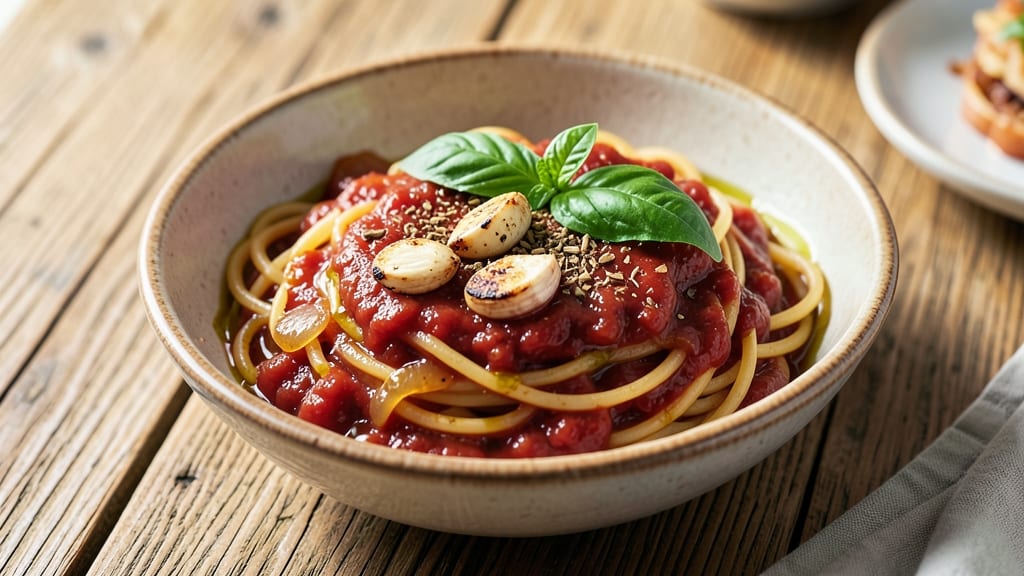
This authentic Sicilian red sauce recipe transforms humble tomatoes into a rich, layered masterpiece that defines Sicilian cooking. The secret lies in slow-simmering—letting flavors meld over 45 minutes until the sauce achieves that signature depth, where sweetness and acidity balance perfectly.
Fresh basil, added at the very end, delivers that bright, aromatic finish that sets it apart from standard marinara.
What makes this sauce truly authentic is the technique: onions and garlic caramelize slowly in olive oil, forming the foundation before crushed tomatoes and herbs join the pot. The sauce thickens naturally as it simmers, developing a velvety texture without the need for thickeners.
This is the kind of sauce that elevates simple dishes—think pasta, pizza, or even as a topping for grilled meats—into something extraordinary.
The result is a sauce with complex layers: smoky from the slow cook, sweet from the tomatoes, and bright from the basil. It’s the kind of flavor that builds with each bite, making it worth the time investment.
Whether you’re serving it over al dente pasta or drizzling it over crusty bread, this sauce carries the soul of Sicily in every spoonful.
For those who love tradition, you can add anchovies or a splash of red wine to deepen the umami, though the basic version remains pure and versatile. Let’s create a sauce that tastes like home, even if your home is thousands of miles from Palermo.
Ingredients for authentic sicilian red sauce
Ten simple ingredients transform into a sauce that tastes like Sicily in every bite.
| Ingredient | Amount | Notes |
|---|---|---|
| Extra-Virgin Olive Oil 🫒 | ½ cup | High quality, fruity, cold-pressed |
| Yellow Onion 🧅 | 1 whole | Medium-sized, thinly sliced |
| Garlic Cloves 🧄 | 4 cloves | Fresh, peeled, minced finely |
| Canned San Marzano Tomatoes 🍅 | 28 oz | Crushed by hand, no salt added |
| Fresh Basil Leaves 🌿 | ¼ cup | Packed, stems removed, torn |
| Dried Oregano 🍃 | 1 tsp | Italian or Mediterranean blend |
| Ground Black Pepper 🌶️ | ¼ tsp | Freshly cracked for best flavor |
| Sea Salt 🧂 | 1 tsp | Diamond Crystal preferred |
| Red Wine Vinegar 🍷 | 1 tbsp | For acidity balance |
| Granulated Sugar 🍚 | 1 tsp | To offset acidity naturally |
The tomatoes make or break this sauce. San Marzano is the gold standard—sweet, meaty, and consistently flavorful. If you can't find them, whole peeled tomatoes from a can work too, just crush them by hand. The olive oil should be extra-virgin and fruity—none of that cheap, bitter stuff. I always grab mine from Trader Joe's or Whole Foods—they carry good quality at reasonable prices. Fresh basil is non-negotiable here; dried won't cut it. Look for leaves that are bright green and fragrant at the store—those are your winners.
No San Marzano? Crushed tomatoes in a high-quality jar will work, but you might need to add a pinch more sugar to balance the acidity. Running out of red wine vinegar? Balsamic vinegar at half the amount gives a similar depth. The sugar is key—it rounds out the acidity from the tomatoes and vinegar, so don't skip it. For extra umami, a small anchovy fillet (optional) dissolves into the sauce while cooking, but it's not traditional. If you're feeling adventurous, a splash of dry red wine (about 2 tbsp) can add complexity without overpowering.
This sauce tastes even better the next day as flavors meld. Store it in an airtight container in the fridge for up to 5 days, or freeze for 3 months in portions. I like to freeze it in ice cube trays—just pop out what I need for a quick pasta night. If the sauce thickens too much after chilling, stir in a splash of water or broth to loosen it up. The basil wilts fast, so add it just before serving—trust me on this.
Why You'll Love This Recipe
- Five-Minute Prep: I swear by this—just chop one onion and crush a few garlic cloves while the olive oil heats. No peeling tomatoes, no seedless stress, just San Marzano tomatoes straight from the can. That’s it.
- Umami Bomb: The slow simmer of olive oil, caramelized onions, and garlic builds layers of flavor you won’t find in jarred sauce. Fresh basil at the end? That’s the cherry on top—bright, aromatic, and impossible to resist.
- Weeknight Workhorse: This sauce doubles as marinara for pasta, a base for meatballs, or even a quick pizza sauce. I’ve used it for Sunday dinners, Tuesday takeout nights, and impromptu potlucks—it’s that reliable.
- Budget Hero: San Marzano tomatoes and EVOO might sound fancy, but they stretch further than store-bought sauce. A single can makes four servings, and the taste? Worth every penny. My wallet thanks me every time.
Step-by-step instructions for authentic Sicilian red sauce
Here's how to build a sauce that captures true Sicilian soul—deep, balanced, and finished with fresh basil.
Sauté Onions Until Translucent and Sweet
Heat the 0.5 cup extra-virgin olive oil in a heavy-bottomed saucepan over medium-low heat. Add the 1 whole yellow onion, sliced into thin half-moons, and cook for 8-10 minutes, stirring occasionally. You're looking for onions that turn soft and translucent without browning—this sweetens them naturally, forming the flavor base.
I like to use medium-low heat here to prevent burning. If the onions start to stick, add a splash of water to loosen them. The goal is to develop their natural sweetness without any bitterness. Once they're tender and glossy, you'll know they're ready for the next step.
Add Garlic and Cook Until Fragrant
Push the onions to one side of the pan and add the 4 cloves minced garlic cloves to the empty space. Cook for 30-45 seconds until the garlic becomes golden and releases its aroma. This quick cooking prevents burning, which would make the sauce bitter.
Here's the thing—garlic burns faster than you think. Watch it closely and stir constantly. Once the garlic is fragrant but not browned, use a wooden spoon to stir it back into the onions. This distributes the garlic flavor evenly throughout the base.
Build the Sauce with Tomatoes and Seasonings
Pour in the 28 oz canned San Marzano tomatoes (crushed by hand) and add the 1 tsp dried oregano, 0.25 tsp ground black pepper, and 1 tsp sea salt. Stir well to combine, then bring the mixture to a gentle simmer over low heat. Let it cook uncovered for 45-50 minutes, stirring occasionally.
This long simmer is where the magic happens. The sauce will thicken naturally as moisture evaporates, and the flavors meld into a cohesive whole. I like to stir every 10 minutes to prevent sticking and ensure even cooking. The sauce should reduce by about half before it's ready for the final touches.
Balance and Finish with Vinegar and Sugar
After the initial simmer, stir in the 1 tbsp red wine vinegar and 1 tsp granulated sugar. The vinegar brightens the sauce while the sugar offsets the acidity, creating that perfect balance Sicilian cooks swear by. Let the sauce simmer for another 10 minutes to allow these flavors to integrate completely.
Taste the sauce at this point. It should be rich, slightly sweet, and tangy with a deep tomato flavor. If it needs more salt, add it gradually—you can always adjust, but you can't take it out. The sauce should coat the back of a spoon with a velvety texture, not be watery or overly thick.
Incorporate Fresh Basil and Rest
Remove the pan from heat and stir in the 0.25 cup fresh basil leaves, torn by hand. Let the sauce sit off the heat for 5 minutes—this allows the basil to infuse without wilting completely. The heat from the sauce will release the basil's essential oils, giving it that bright, aromatic finish that defines authentic Sicilian red sauce.
For the best results, serve the sauce immediately over pasta or with your favorite Italian dishes. If you need to store it, let it cool completely before refrigerating. It keeps well for 3-4 days in the fridge, and the flavors actually deepen over time. Reheat gently on the stove, stirring occasionally, until warmed through.
Pro Tips For Making Authentic Sicilian Red Sauce
- Sweat, Don’t Burn: Cook the onions over medium-low heat until they’re translucent and just starting to caramelize—about 8-10 minutes. I learned this the hard way: rushing them turns the sauce bitter, and you’ll taste it no matter how much basil you add.
- Mince Garlic Like Salt: Finely chop the garlic cloves into tiny granules, almost like coarse salt. This way, they dissolve into the sauce instead of sitting as chunks—no one wants to bite into a surprise garlic surprise.
- Crush Tomatoes by Hand: Skip the blender: crush the San Marzano tomatoes with your fingers or a wooden spoon to release their juices and break down the skins. It’s messier, but the sauce will be smoother and brighter—no need for additives.
- Add Basil Late: Tear the basil leaves and fold them in only in the last 5 minutes of cooking. Overcooking turns them bitter, and you’ll lose that fresh, bright aroma that makes this sauce sing. (Yes, even if you’re impatient like me.)
Best sauces and condiments for this dish
Classic Pasta Pairings
This sauce shines with al dente spaghetti or rigatoni, where its velvety texture clings beautifully. I toss 8 oz pasta with ½ cup reserved pasta water to help the sauce cling.
For an authentic touch, try pasta alla norma—top with fried eggplant slices and fresh basil. The sauce also elevates lasagna layers or gnocchi, where its depth carries through baking. 🍝
Bread and Pizza Topping
Spread this sauce on garlic bread or focaccia for a quick appetizer—just drizzle and sprinkle with extra basil. For pizza, use it as a base under mozzarella and prosciutto or sausage and pepperoni.
I love adding a pinch of red pepper flakes to spicy pizzas for a Sicilian kick. The sauce’s balance makes it perfect for both sweet and savory toppings.
Meat and Cheese Complements
Use this sauce as a marinade for grilled chicken or pork chops—brush it on during the last 10 minutes of cooking. It also pairs wonderfully with burrata or ricotta for a simple antipasto.
For a hearty dish, mix it with ground beef or Italian sausage for a rustic ragù. The sauce’s acidity cuts through rich meats beautifully.
Vegetable and Grain Bowls
Toss this sauce with roasted zucchini, cherry tomatoes, and white beans for a vibrant grain bowl. It also works as a dressing for farro or quinoa salads, adding depth without overpowering.
For a Sicilian-inspired dish, mix it with cannellini beans and capers. The sauce’s versatility makes it ideal for plant-based meals too.
Breakfast and Brunch Twists
Yes, really! Use this sauce as a dip for toasted bread or crostini with a sprinkle of Parmigiano-Reggiano. For brunch, drizzle it over shakshuka-style eggs or polenta cups. The acidity balances rich breakfast foods perfectly. I even add it to avocado toast for a flavor-packed twist.
Storage and Reheating Tips
Store leftovers in an airtight container for up to 5 days or freeze for 3 months. To reheat, warm over low heat with a splash of water or broth.
If the sauce thickens too much, stir in 1-2 tbsp water to restore its silky texture. The basil wilts when reheated, so always add fresh leaves before serving. 💫
Nutrition facts
Frequently asked questions
Why does the recipe call for San Marzano tomatoes?
San Marzano tomatoes are the gold standard for Sicilian red sauce because of their sweet, meaty texture and consistent flavor. Their lower acidity means you won't need as much sugar to balance the sauce, and their thick flesh reduces beautifully during simmering. If you can't find them, look for whole peeled tomatoes in a high-quality can instead of crushed tomatoes.
Can I make this sauce without fresh basil?
While fresh basil is traditional and adds that signature bright aroma, you can substitute with 1 tsp dried basil if needed. However, the flavor won't be as vibrant. For a similar effect, try adding a few drops of lemon juice at the end to brighten the sauce. The basil should always be added at the very end to preserve its freshness and aroma.
How do I prevent the sauce from getting too thick?
If your sauce thickens too much while simmering, simply stir in 1-2 tablespoons of water or broth to loosen it. The sauce should have a velvety, spoonable consistency—not watery, but not glue-like either. For extra insurance, keep a small bowl of water nearby to thin as needed. The long simmer time naturally reduces the sauce, so monitor it closely during the last 15 minutes of cooking.
What's the best way to use leftover sauce?
Leftover sauce tastes even better the next day! Store it in an airtight container in the fridge for up to 5 days. For reheating, warm it gently on the stove over low heat with a splash of water or pasta water. The sauce will thicken again—just stir in a little liquid to restore its silky texture. Always add fresh basil before serving, as reheating wilts the leaves.
Can I add meat to this sauce for a ragù?
For a meat-based ragù, brown 1 lb ground beef or Italian sausage first, then proceed with the onions and garlic. Add the tomatoes and seasonings as directed, but simmer for an extra 20-30 minutes to let the meat flavors meld into the sauce. Traditional ragùs often include red wine and sometimes tomato paste for deeper flavor—adjust the recipe to suit your preferences.