
Sauces & Condiments
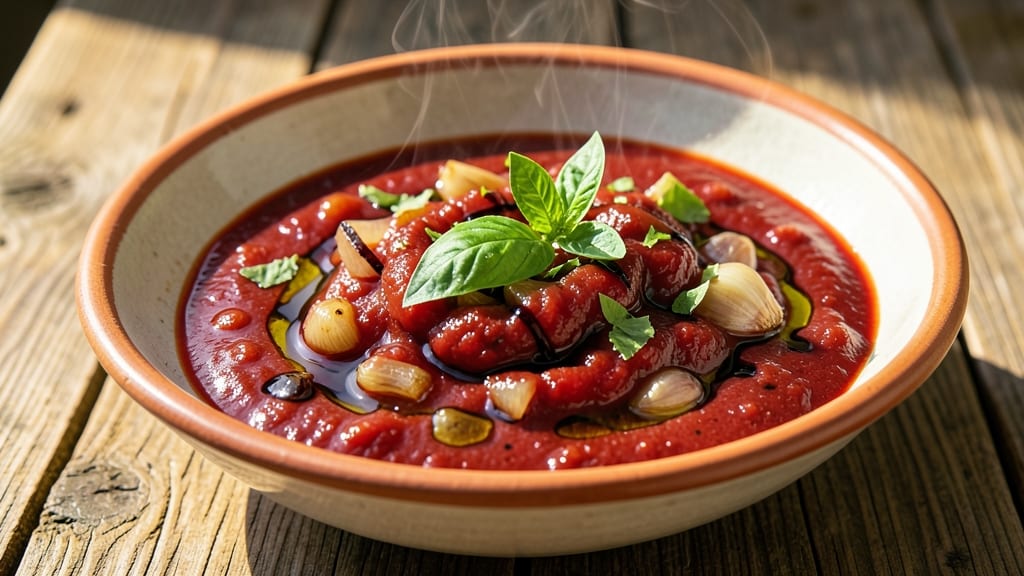
This authentic Sicilian spaghetti sauce delivers the deep, umami-rich flavors of Italy’s sun-drenched kitchens—where tomatoes, garlic, and fresh basil transform into a velvety, slow-simmered masterpiece. 🌿 The secret lies in balancing sweet San Marzano tomatoes with aromatic herbs and a touch of sweetness, creating a sauce that clings to pasta like a second skin.
Unlike rushed versions, this recipe demands patience: hours of gentle simmering to develop layers of complexity that store-bought sauces can never match.
What sets this sauce apart is its authentic technique—starting with a soffritto of onions and garlic, then building flavor through slow reduction. No shortcuts here: the sauce develops its signature depth from caramelized vegetables and herbs, not just tomatoes.
The addition of fresh basil at the end ensures that bright, herbaceous note that defines Sicilian cooking, while a splash of red wine adds subtle acidity to balance the richness.
The result is a sauce so versatile and flavorful it elevates any dish—whether tossed with spaghetti, drizzled over grilled meats, or served alongside crusty bread. Its texture is unctuous yet not greasy, with a perfect harmony of sweet, savory, and herbal notes.
This isn’t just a sauce; it’s a taste of Sicily in every spoonful, and it keeps beautifully for up to a week in the refrigerator.
Perfect for meal prep or special occasions, this sauce transforms simple ingredients into something extraordinary with minimal effort after the initial simmering. The key is letting the flavors meld naturally—no rushed steps, just slow-cooked authenticity. Let’s get started on creating your own taste of the Mediterranean.
Ingredients for authentic sicilian spaghetti sauce
Twelve ingredients transform into Sicily's velvety, umami-rich spaghetti sauce—where patience and quality elevate simple pantry staples.
| Ingredient | Amount | Notes |
|---|---|---|
| San Marzano Tomato Paste 🍅 | 2 tbsp | High-quality, no sugar added |
| Extra-Virgin Olive Oil 🫒 | ½ cup | Fruity, peppery variety preferred |
| Yellow Onion 🧅 | 1 whole | Finely diced, not minced |
| Garlic Cloves 🧄 | 6 cloves | Freshly minced, not pre-minced |
| Dry Red Wine 🍷 | ½ cup | Bold variety like Chianti |
| Fresh Basil Leaves 🌿 | ½ cup | Packed, stems removed |
| Crushed Tomatoes 🍅 | 28 oz | San Marzano preferred |
| Tomato Passata 🍅 | 2 cups | Smooth, no chunks |
| Vegetable Broth 💧 | 1 cup | Low-sodium preferred |
| Sugar 🍚 | 1 tsp | Balances acidity |
| Salt 🧂 | 1 ½ tsp | Diamond Crystal preferred |
| Black Pepper 🌶️ | ½ tsp | Freshly cracked |
| Dried Oregano 🍃 | 1 tsp | Mediterranean blend |
The San Marzano tomatoes are non-negotiable here—their natural sweetness and low acidity form the sauce's foundation. Whole Foods or specialty Italian markets carry the best cans; look for the official DOP certification on the label. The extra-virgin olive oil should be fruity with a peppery finish—California Olive Ranch or Colavita deliver consistent quality. Fresh garlic and basil are worth the trip to the market: the aroma alone signals authentic flavor development during simmering. For the wine, any Chianti Classico or Sangiovese will work—just avoid sweet varieties that'll throw off the balance.
No San Marzano tomatoes? Crushed tomatoes in a jar (like Muir Glen) work in a pinch, but you'll need to add an extra pinch of sugar to compensate for higher acidity. Fresh basil wilted? Dried basil at one-third the amount preserves the herbal note, though it lacks the vibrant finish. The red wine can be swapped for vegetable broth with 1 tbsp balsamic vinegar for a non-alcoholic version. For the soffritto, caramelized onions take 15 minutes longer but add incredible depth—don't skip this step if time allows. The tomato paste should be cooked down with olive oil first to form a rich roux before adding liquids, a technique called 'appassimento' that professional Sicilian cooks swear by.
This sauce improves with time—3-4 hours of simmering develops the deepest flavors, though you can reduce to 2 hours if needed. Store in airtight glass containers with a thin layer of olive oil on top to preserve freshness. Keeps 5-7 days refrigerated or 3 months frozen. Portion into ice cube trays for perfect single-serving additions to pasta. The basil should be added just before serving to maintain its bright aroma, but you can chop extra and freeze it in oil for future use.
Why You'll Love This Recipe
- No-Fuss Simmer: I swear by this sauce because it’s actually hands-off. Once the onion and garlic hit that sweet, golden caramel stage in the olive oil—oh man—you just pour in the wine, add the San Marzano paste, and let it bubble. Thirty minutes later, you’ve got depth without babysitting the pot. (Yes, even on a Tuesday night.)
- Wine-Infused Magic: That splash of dry red wine? It’s not just for show—it melts into the sauce like a secret weapon, balancing the tomatoes with this rich, earthy lift. Honestly, I’ve tried cheaper wine, but nothing beats the way the tannins marry with the San Marzano’s natural sweetness. It’s the kind of flavor that makes you pause mid-bite.
- Leftovers That Shine: This sauce begs to be made in bulk—it only gets better after a day or two as the flavors settle. I freeze it in portions for lazy Mondays, and it reheats like it was just simmered. (Between us, it’s also my go-to for quick marinara on toast or as a pasta sauce base—no judgment.)
- Budget-Friendly Luxury: You’d think a sauce this good would break the bank, but San Marzano paste and a bottle of affordable red wine stretch far. One jar of paste makes four batches, and the onion/garlic combo costs pennies. It’s the kind of recipe where you’re paying for quality, not quantity—and the taste doesn’t compromise.
Step-by-step instructions for authentic Sicilian spaghetti sauce
This method captures the soul of Sicilian cooking through slow simmering and fresh basil.
🍳 Step 1: Develop the Flavor Base with Olive Oil and Aromatics
Heat the 0.5 cup extra-virgin olive oil in a heavy-bottomed pot over medium-low heat. Add the finely diced yellow onion and cook for 8-10 minutes until completely translucent and sweet-smelling. This slow cooking prevents burning while extracting maximum flavor from the onion.
Add the 6 cloves freshly minced garlic and stir for 30 seconds until fragrant. Garlic burns quickly at higher temperatures, so keep the heat gentle. The base should now smell rich and aromatic—this is your foundation for the entire sauce.
🔥 Step 2: Toast the Tomato Paste and Deglaze
Reduce heat to medium-low and add the 2 tbsp San Marzano tomato paste. Stir constantly for 2-3 minutes until it darkens slightly and releases its deep, concentrated flavor. This step is crucial—it removes the raw taste from the paste and develops a complex, caramelized depth.
Pour in the 0.5 cup dry red wine and scrape up any browned bits from the bottom of the pot. Let the wine simmer for 3-4 minutes until it reduces by half. This deglazing captures all the flavor that would otherwise burn off, creating a velvety texture for your sauce.
🥘 Step 3: Build the Sauce with Tomatoes and Seasonings
Add the 28 oz crushed tomatoes, 2 cups tomato passata, 1 cup vegetable broth, 1 tsp sugar, 1.5 tsp salt, 0.5 tsp black pepper, and 1 tsp dried oregano. Stir well to combine, then bring to a gentle simmer over medium-low heat. The sauce should bubble softly—never boil vigorously, as this can make the sauce bitter.
Partially cover the pot and let the sauce simmer for 30-40 minutes, stirring occasionally. You're looking for a thick, syrupy consistency that coats the back of a spoon. The acidity will mellow as the sauce reduces, creating that perfect balance of sweet and tangy flavors that define Sicilian cooking.
⏰ Step 4: Finish with Fresh Basil and Rest
Remove the pot from heat and stir in the 0.5 cup fresh basil leaves. Let the sauce sit for 5 minutes to allow the basil to infuse its bright, aromatic essence. The heat will wilt the basil slightly, releasing its oils and creating that signature fresh basil flavor that distinguishes this sauce from others.
Taste and adjust seasoning if needed—you may need a touch more salt or pepper to balance the flavors. Let the sauce rest for 10-15 minutes before serving. This resting period allows the flavors to meld completely and the sauce to thicken slightly, ensuring each strand of spaghetti is perfectly coated.
Pro Tips For Making Authentic Sicilian Spaghetti Sauce
- Sweat the Onion Slow: Cut the yellow onion into thin half-moons instead of dice—it cooks faster and keeps the texture intact. I used to rush this, but letting it soften for 8-10 minutes on medium-low heat (with a splash of water if needed) builds flavor without burning. The goal is translucent, not caramelized—save that for another dish.
- Bloom the Garlic Right: Crush the garlic cloves with the flat side of your knife before adding them—this releases more flavor. Cook them for exactly 30 seconds after the onions soften, just until fragrant but not browned. Overcooking turns them bitter, and that’s a fast way to ruin a simple sauce.
- Deglaze with Wine Immediately: Pour in the dry red wine the second the garlic hits the pot—don’t wait. Let it simmer for 2-3 minutes until it’s nearly evaporated before adding the San Marzano paste. This step isn’t just for flavor; it’s the base that keeps the sauce from tasting flat later.
- Stir the Paste Like Mad: Once the wine’s reduced, add the tomato paste and stir constantly for 2 full minutes on medium heat. This prevents clumping and ensures it melts smoothly into the sauce. I learned this the hard way—lumpy paste = lumpy sauce, and no amount of blending fixes it after the fact.
Common mistakes when making your authentic sicilian spaghetti sauce
Rushing the Cooking Process
Don’t rush the simmering—this sauce needs at least 2 hours to develop its signature depth. High heat causes the tomatoes to break down too quickly, resulting in a thin, acidic sauce instead of the rich, velvety texture we want.
I’ve made this mistake when I’m impatient, and the sauce lost all its complexity. Keep the heat at a gentle simmer and trust the process. 🍲
Skipping the Soffritto
The soffritto of onions and garlic is the flavor foundation—never skip it! Cooking the onions until translucent and caramelizing the garlic releases their natural sweetness and depth.
I once tried a shortcut by adding raw garlic, and the sauce tasted harsh and unbalanced. Take the extra 10 minutes to develop this base properly.
Adding Basil Too Early
Fresh basil should be added at the very end—its delicate aroma and flavor fade quickly when cooked. If you add it too soon, the sauce will taste bitter and lose that bright, herbal note.
I learned this the hard way when my first batch turned out disappointingly flat. Always stir in the basil just before serving or resting the sauce. 🌿
Using Low-Quality Tomatoes
San Marzano tomatoes are non-negotiable for authentic flavor. Cheaper brands with added sugar or high acidity will throw off the balance of sweet and tangy notes. I tried a shortcut with store-brand tomatoes once, and the sauce lacked the rich, complex flavor I was aiming for.
Invest in quality—your taste buds will thank you.
Over-Salting Early
Seasoning should be adjusted gradually, not all at once. Adding all 1.5 tsp of salt at the beginning can make the sauce taste bland as the flavors develop.
Instead, taste as you go and add salt in small increments. I’ve ruined batches by over-salting early, so I now taste and adjust every 30 minutes during simmering.
Ignoring the Resting Time
Letting the sauce rest for 10-15 minutes after cooking allows flavors to meld and thicken naturally. Skipping this step means serving a sauce that’s still raw in flavor and too thin. I’ve served it immediately before, and it always felt incomplete. Patience here makes all the difference—trust the process! ⏳
Nutrition facts
Frequently asked questions about authentic Sicilian spaghetti sauce
Can I make this sauce without red wine?
Yes! Replace the 0.5 cup red wine with 1 cup vegetable broth plus 1 tablespoon balsamic vinegar for similar depth and acidity. The sauce will still develop rich flavors—just add the vinegar after the tomatoes simmer for 20 minutes to balance the acidity.
How do I adjust the thickness for different pasta shapes?
For long pasta (spaghetti, linguine), keep the sauce slightly thinner so it clings well. For short pasta (penne, rigatoni), thicken it further by simmering uncovered for 10-15 extra minutes or adding 1 tablespoon tomato paste at the end. Always taste first—texture should coat a spoon but remain saucy.
What's the best way to store leftovers?
Let the sauce cool completely, then transfer to airtight glass containers. Store in the fridge for up to 7 days—the flavors actually improve over time! For longer storage, freeze in 1-cup portions (use ice cube trays for perfect single servings). Thaw overnight in the fridge and reheat gently on low heat, stirring occasionally. Never microwave directly from frozen.
Can I add meat to this sauce?
For a traditional Sicilian approach, brown 1 pound ground pork or beef first (seasoned with salt and pepper) and add it during the tomato simmering stage. Cook for 15 minutes before adding the wine. For extra richness, use a mix of both meats. Just ensure the meat is fully cooked before combining with the sauce.
Why does my sauce taste bitter after simmering?
Bitter flavors develop when the sauce boils too vigorously or simmers too long. Keep the heat at a gentle simmer (small bubbles) and never let it reach a full boil. If it's already bitter, try balancing it with a pinch of sugar or a splash of lemon juice. The sauce should have a harmonious sweet-tangy profile, not harsh acidity.