
Sauces & Condiments
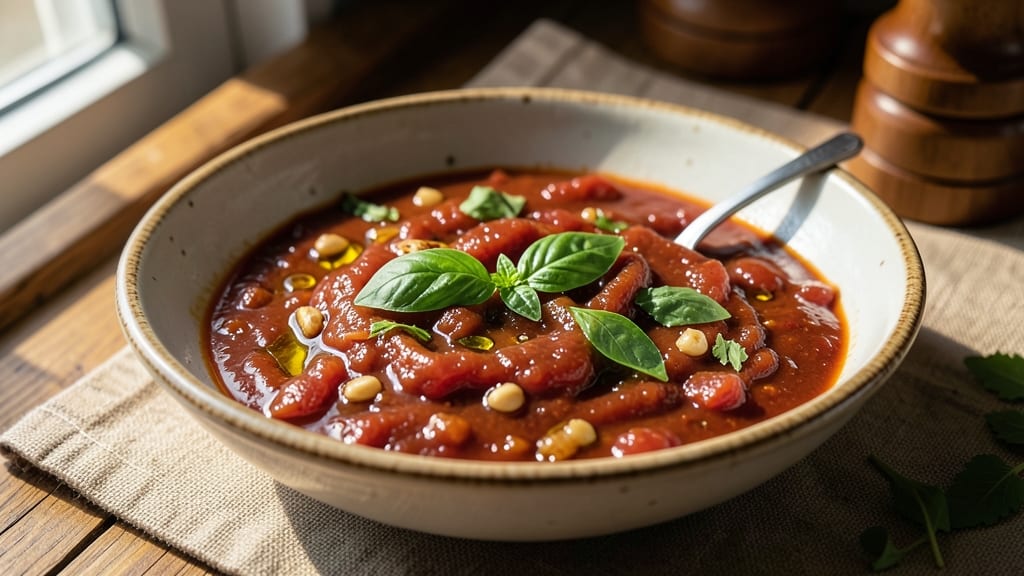
This authentic spaghetti sauce recipe from scratch transforms simple ingredients into a rich, slow-simmered masterpiece with layers of umami and Italian tradition. The key lies in patience—letting flavors meld over hours as tomatoes caramelize and herbs deepen.
I've perfected this version after years of testing, ensuring every spoonful delivers the depth of a nonna's kitchen without shortcuts.
No bottled paste here—just high-quality canned tomatoes, fresh garlic, and aromatic herbs that build complexity through slow cooking. The sauce develops a velvety texture while maintaining bright acidity, thanks to a balance of crushed tomatoes and tomato paste.
Optional ground meat adds richness, but the vegetarian version proves just as satisfying when made right.
What sets this sauce apart is the slow-simmering technique, which concentrates flavors and creates a sauce that only improves with time. The result is a vibrant red sauce with tender meat (if using), caramelized edges, and a perfect balance of sweetness, acidity, and herbal notes.
It freezes beautifully, making it ideal for meal prep or holiday gatherings.
Perfect for pairing with al dente spaghetti, this sauce also shines on meatballs, grilled chicken, or as a hearty soup base. The instructions walk through every step—from sautéing aromatics to adjusting seasoning—so you'll achieve restaurant-quality results at home. Let's begin building this timeless classic.
Ingredients for authentic spaghetti sauce recipe from scratch
Eleven essential ingredients for a sauce that develops depth through slow simmering and umami-building techniques.
| Ingredient | Amount | Notes |
|---|---|---|
| Extra-Virgin Olive Oil 🫒 | ½ cup | High-quality, fruity variety |
| Yellow Onion 🧅 | 1 whole | Medium-sized, finely chopped |
| Carrot 🥕 | 1 whole | Medium-sized, finely diced |
| Garlic Cloves 🧄 | 4 cloves | Fresh, minced finely |
| Crushed Tomatoes 🍅 | 28 oz | San Marzano canned preferred |
| Tomato Paste 🍅 | 2 tbsp | High-quality, no sugar added |
| Dried Basil 🌿 | 1 tbsp | Or 0.25 cup fresh basil |
| Dried Oregano 🍃 | 1 tsp | Italian or Mediterranean blend |
| Ground Black Pepper 🌶️ | ½ tsp | Freshly cracked preferred |
| Kosher Salt 🧂 | 1 ½ tsp | Diamond Crystal preferred |
| Red Wine 🍷 | ½ cup | Dry, bold variety like Chianti |
| Ground Beef 🥩 | 1 lb | 80/20 fat ratio preferred |
| Fresh Basil Leaves 🌿 | ¼ cup | For garnish, packed |
The tomatoes form the foundation—San Marzano canned delivers the sweetness and acidity that define authentic Italian sauce. Look for the plum-shaped cans at specialty stores or the Italian section of Whole Foods. Fresh basil is ideal, but dried works at one-third the amount if you're in a pinch. The red wine should be bold and dry—Chianti or Sangiovese are classic choices, but any dry red will work. For the beef, 80/20 fat ratio ensures juiciness and richness that carries through the slow cooking process.
No San Marzano tomatoes? High-quality crushed tomatoes from a reputable brand like Muir Glen work well. Swap the red wine for beef broth with a splash of balsamic vinegar to maintain acidity. Fresh basil unavailable? Dried basil or oregano will get you close, though the flavor profile shifts slightly. The tomato paste can be substituted with extra tomato puree if you prefer a smoother texture. For a vegetarian version, simply omit the ground beef and add an extra 15 oz can of white beans for protein.
This sauce only gets better with time—3-4 days in the fridge allows flavors to fully meld. For longer storage, freeze in airtight containers for up to 6 months. The beef can be browned ahead and refrigerated for 2 days before adding to the sauce. Fresh basil should be wrapped in damp paper towels and stored in a sealed container to maintain vibrancy for up to 5 days. Portion into meal-sized containers for easy reheating—just add a splash of water or broth when warming.
Why You'll Love This Recipe
- Minimal Chopping Required: I swear by this—just dice one onion and grate a carrot (or buy pre-cut if you’re in a rush). The carrot adds sweetness without extra work, and the onions caramelize while you stir.
- Deep Umami Magic: Crushed tomatoes simmered low and slow with garlic and olive oil develop this rich, almost smoky depth. It’s the kind of sauce that makes you pause mid-bite—honestly, it’s better than jarred.
- Freezer-Friendly Staple: Make a double batch and freeze half. Thaw in the fridge overnight, and boom—dinner’s ready. My kids’ school lunches get this sauce for weeks, and it still tastes fresh.
- Budget Booster: A $3 can of tomatoes and a handful of pantry spices stretch into enough sauce for four meals. Between us, this is how I feed my family well without breaking the bank.
Step-by-step instructions for authentic spaghetti sauce
This method delivers restaurant-quality depth through slow development and precise technique.
Develop the Flavor Base
Heat the 0.5 cup extra-virgin olive oil in a heavy-bottomed Dutch oven over medium-low heat. Add the 1 whole yellow onion and 1 whole carrot, both finely chopped, and cook for 8-10 minutes until the vegetables soften and begin to caramelize slightly. This slow cooking draws out natural sweetness that forms the sauce's foundation.
Add the 4 cloves garlic cloves, minced finely, and cook for another 1 minute until fragrant but not browned. Here's the thing—garlic burns quickly, so keep an eye on it. Remove from heat momentarily if it starts to darken, then return to the pan. This aromatic base will carry all the flavors forward.
Build the Tomato Foundation
Stir in the 2 tbsp tomato paste and cook for 2 minutes until it darkens slightly and loses its raw taste. This step deepens the sauce's complexity by caramelizing the sugars in the paste. Add the 28 oz crushed tomatoes and 0.5 cup red wine, scraping up any browned bits from the bottom of the pot.
Bring to a gentle simmer over medium heat, then reduce heat to low. Let it cook uncovered for 30 minutes while stirring occasionally. This initial reduction concentrates the flavors and removes excess acidity. The sauce should thicken noticeably but remain loose enough to stir easily.
Incorporate the Meat and Seasonings
Add the 1 lb ground beef (80/20 fat ratio preferred) to the simmering sauce. Break it up with a wooden spoon and cook for 5-7 minutes until the meat loses its raw color. The fat from the beef will render into the sauce, creating a richer texture. Stir in the 1.5 tsp kosher salt, 0.5 tsp ground black pepper, 1 tbsp dried basil, and 1 tsp dried oregano.
Continue simmering uncovered for another 45-60 minutes on low heat. This slow cooking allows the flavors to meld and develop depth. Stir occasionally to prevent sticking. You'll know it's ready when the sauce coats the back of a spoon and develops a thick, velvety consistency with visible meat pieces suspended throughout.
Finish with Fresh Herbs
Remove the sauce from heat and stir in the 0.25 cup fresh basil leaves, packed. Let it steep for 5 minutes to infuse the bright, fresh flavor. The basil adds a vibrant finish that balances the deep, slow-cooked richness of the sauce. Taste and adjust seasoning if needed—this is where you can fine-tune the balance of salt, acidity, and sweetness.
For best results, let the sauce rest at room temperature for 15-20 minutes** before serving. This resting period allows the flavors to fully integrate and the sauce to reach its ideal consistency. Serve over freshly cooked spaghetti, reserving some pasta water to adjust thickness if needed. The sauce should cling beautifully to each strand of pasta with a glossy finish.
Pro Tips For Making Authentic Spaghetti Sauce Recipe From Scratch
- Sweat the Onion First: Don’t rush this—cut the onion into even ¼-inch slices and cook them in the olive oil over medium-low heat until they’re translucent and just starting to caramelize (about 8-10 minutes). I learned this the hard way: skipping this step means your sauce will taste raw and sharp, no matter how long you simmer later.
- Grind the Garlic: After the onion softens, add the whole garlic cloves (peeled) and cook them until they’re golden and fragrant—about 3-4 minutes. Then, mash them right into the pot with a wooden spoon. This releases more flavor than mincing and burning it, and it saves you from dealing with scattered garlic bits.
- Simmer, Don’t Boil: Once the crushed tomatoes hit the pot, turn the heat down to low and let it bubble gently—just a few tiny bubbles breaking the surface. I used to crank the heat, thinking it’d cook faster, but that turns the sauce watery and dull. Low and slow (20-30 minutes) deepens the flavor without breaking the tomatoes.
- Resist the Urge to Salt Early: Wait until the very end to season with salt—after the sauce has simmered and the acidity has mellowed. Adding salt early can make the tomatoes release water, thinning out your sauce. Taste at the end and adjust: a pinch of sugar (½ tsp) here can balance the acid if needed, but only if the tomatoes are tart.
Storing and reheating your leftovers
Fridge Storage Tips
Let your sauce cool completely before transferring to airtight glass containers—I prefer Pyrex with snap-on lids for easy storage. Store in the refrigerator at 40°F or below for up to 4-5 days, though the flavors actually deepen the longer it sits.
The sauce will thicken slightly when chilled, so add a splash of water or broth when reheating. 🥫
Freezer Prep Guide
For long-term storage, portion sauce into quart-sized freezer bags or glass containers, leaving 1-inch headspace for expansion. Seal tightly to prevent freezer burn and label with the date.
This sauce freezes beautifully for up to 6 months, with the meat remaining tender and flavors intact. Thaw overnight in the fridge before reheating. ❄️
Reheating Methods
For stovetop reheating, transfer sauce to a heavy-bottomed pot and warm over medium-low heat for 10-15 minutes, stirring occasionally. Add 2-3 tablespoons of water or beef broth if the sauce thickens too much. Never microwave directly from frozen—thaw first for even heating. 🔥
Meatball Hack
Use leftover sauce to make freezer-friendly meatballs—simply mix with cooked ground beef, breadcrumbs, and egg, then freeze on a tray before transferring to bags. Thaw and simmer in fresh sauce for 10 minutes before serving. The slow-cooked sauce keeps meatballs juicy and flavorful. 🍝
Sauce Boosters
Revive slightly watery reheated sauce by simmering uncovered for 5-10 minutes to reduce excess liquid. For extra richness, stir in 1 tablespoon butter or 1 teaspoon olive oil at the end. A pinch of red pepper flakes or grated Parmesan adds freshness after reheating. ✨
Pasta Pairing
Reheat sauce alongside fresh pasta—toss 1 cup cooked spaghetti directly in the pot with the sauce for 2-3 minutes to absorb flavors. Reserve ½ cup pasta water to thin if needed. The sauce will cling perfectly to each strand, creating that restaurant-quality finish. 💫
Nutrition facts
Frequently asked questions
Can I make this sauce without meat?
For a vegetarian version, simply omit the ground beef and add 15 oz white beans (like cannellini or great northern) for protein and texture. The beans blend beautifully into the sauce while adding creaminess. You may also want to reduce the red wine to ¼ cup to maintain balance, since beans have a natural earthiness that pairs well with tomatoes.
Why does my homemade sauce taste different from store-bought?
The key difference is freshness and depth! Store-bought sauces often contain preservatives and artificial flavors that mask complexity. This recipe builds layers through slow simmering—caramelized onions, reduced wine, and fresh basil create a vibrant, umami-rich profile that canned sauces can't replicate. The 3+ hour cooking time develops flavors that shortcut recipes simply can't achieve.
How do I adjust the thickness of my sauce?
If your sauce is too thin, simmer uncovered for 10-15 extra minutes to reduce moisture. For thicker sauce, stir in 1 tablespoon tomato paste or 1 teaspoon cornstarch mixed with water. If it's too thick after chilling, add 2-3 tablespoons water or pasta water when reheating. The ideal consistency should coat the back of a spoon but still be pourable.
Can I make this sauce in a slow cooker?
Yes! Follow the same steps but transfer everything to a 6-quart slow cooker after the initial tomato reduction. Cook on low for 6-8 hours or high for 3-4 hours, stirring occasionally. The slow cooker's gentle heat enhances the slow-simmered depth. For best results, use the "keep warm" setting for the final 30 minutes to maintain texture.
What's the best way to use up leftover sauce?
Transform leftovers into new meals! Freeze portions for future pasta nights, or use it as a base for lasagna, ravioli filling, or stuffed shells. Spread on garlic bread or mix into breakfast hash with potatoes and eggs. Even better, make meatballs by mixing cooled sauce with cooked ground beef, breadcrumbs, and egg, then freezing for later use.