
Sauces & Condiments
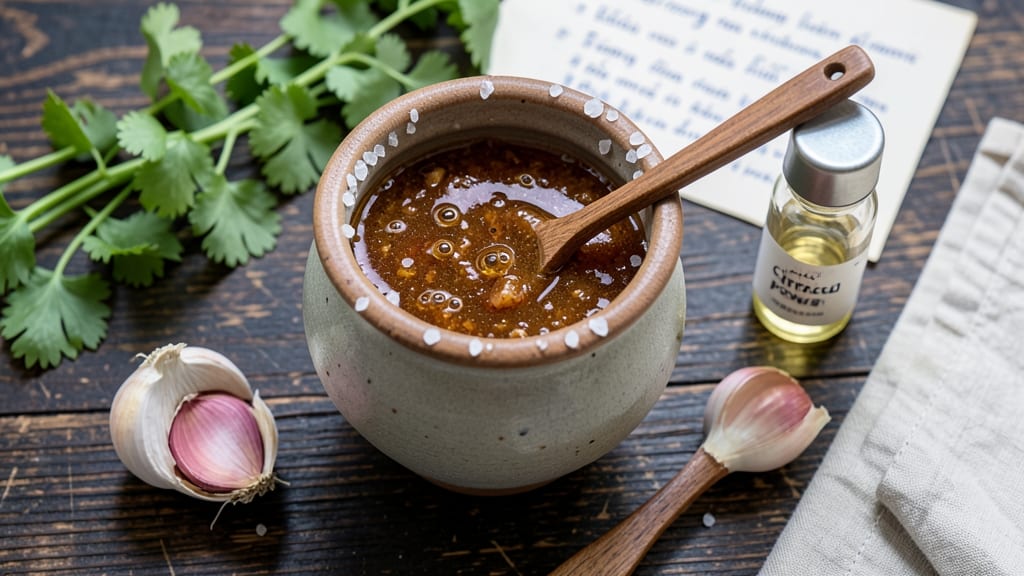
This authentic Vietnamese fish sauce recipe delivers the umami-rich, tangy depth that defines Southeast Asian cuisine—crafted through careful fermentation and precise balancing. The process transforms simple anchovies into a complex, salty-sweet liquid that enhances every dish it touches, from pho to summer rolls.
What sets this version apart is the traditional method of layering salt and water to create the ideal environment for fermentation, resulting in a sauce that's both bold and nuanced.
The foundation begins with high-quality anchovies, which are fermented for 6-8 weeks in a controlled environment to develop their signature depth. Salt plays a crucial role in preserving the sauce while drawing out the fish's natural oils, creating that signature tangy, savory profile.
Unlike store-bought versions, this homemade sauce builds flavor gradually, rewarding patience with layers of complexity that store-bought simply can't match.
By the time fermentation is complete, you'll have a deep amber liquid with a pungent aroma and a taste that's simultaneously salty, sweet, and umami-packed.
The sauce can be adjusted with optional additives like garlic, sugar, or citric acid to fine-tune the balance to your preference, but the core process remains unchanged—this is how Vietnamese cooks have perfected it for generations.
Once fermented, the sauce keeps indefinitely in a cool, dark place, making it a pantry staple worth the effort. Whether you're a home cook seeking authenticity or a food enthusiast eager to elevate your dishes, this recipe is your gateway to restaurant-quality flavor at home.
Ingredients for authentic vietnamese fish sauce
Fermented shrimp paste and salt form the bold foundation of this authentic Vietnamese sauce.
| Ingredient | Amount | Notes |
|---|---|---|
| Fresh Shrimp Paste (Mắm Ruốc) 🦐 | 2 cups | Traditional Vietnamese shrimp paste, unsalted |
| Coarse Sea Salt 🧂 | 1 ½ cups | Non-iodized preferred, like Diamond Crystal |
| Filtered Water 💧 | 1 quart | Must be chlorine-free for fermentation |
| Garlic Cloves 🧄 | 6 whole | Optional for added depth, minced |
| Granulated Sugar 🍚 | ½ cup | Adjusts sweetness balance, optional |
| Citric Acid 🍋 | ½ tsp | Preserves tanginess, optional |
| Fresh Ginger 🌿 | 1 inch | Thinly sliced, optional for warmth |
| Anchovy Fillets 🐟 | 1 lb | High-quality, optional for complexity |
The shrimp paste is non-negotiable here—Mắm Ruốc from Vietnamese markets delivers that signature funk. Costco or specialty Asian grocers carry it in jars, but if you can't find it, fresh shrimp paste from a trusted source works too. The sea salt should be coarse and non-iodized—Diamond Crystal is ideal, but any coarse kosher salt works. For water, filtered is critical to avoid chlorine interfering with fermentation. If you're feeling ambitious, rainwater adds an extra layer of authenticity, but tap water filtered through a good system suffices.
No shrimp paste? Fresh shrimp fermented with salt is the traditional alternative, though it requires 2-3 weeks of prep. Skip the garlic if you prefer classic fish sauce, but I always add it—3 cloves minced for every 2 cups shrimp paste. Sugar is optional but helps balance the saltiness, especially if your shrimp paste is very salty. Citric acid is the secret weapon for that signature tang—it's available in small jars at Walmart or Amazon. Ginger adds warmth without overpowering, but leave it out if you prefer the classic profile. The anchovies, if used, should be fresh and high-quality—they deepen the umami without dominating.
Ferment in a non-reactive container (glass or food-grade plastic) with a loose lid to allow gases to escape. Store in a cool, dark place for 6-8 weeks, stirring weekly. Once fermented, the sauce will have a deep amber color and pungent aroma. Strain through cheesecloth into sterilized bottles, then seal. Keeps indefinitely in the pantry—it only gets better with age. For immediate use, you can reduce fermentation to 4 weeks, but the flavor won't be as complex.
Why You'll Love This Recipe
- I’ll be real: this isn’t some labor-intensive project. You mix, you wait, you stir—no fancy tools, no stress. That shrimp paste (mắm ruốc) does all the heavy lifting while you sip coffee and scroll.
- No-Fuss Fermentation: I’ll be real: this isn’t some labor-intensive project. You mix, you wait, you stir—no fancy tools, no stress. That shrimp paste (mắm ruốc) does all the heavy lifting while you sip coffee and scroll.
- Umami Bomb: One sniff of this sauce and you’ll know why it’s the backbone of Vietnamese cooking. The shrimp paste’s funky depth, balanced by garlic and sugar, turns even simple dishes into something ridiculously flavorful.
- Pantry Staple: I keep a jar of this in my fridge at all times—drizzle it on noodles, toss it with grilled meats, or use it to wake up a lazy salad. It’s my go-to for when I need that quick, restaurant-quality punch.
Step-by-step instructions for authentic Vietnamese fermented shrimp paste velocity
Here's the traditional method to craft rich, umami-forward shrimp paste with balanced tang.
Prepare the Fermentation Base
In a large, non-reactive ceramic or glass container, combine the 2 cups Fresh Shrimp Paste (Mắm Ruốc) with the 1.5 cups Coarse Sea Salt. Use a wooden spoon to mix thoroughly, breaking up any large clumps of shrimp paste. The salt helps draw out moisture and begins the fermentation process.
Add the 1 quart Filtered Water gradually while stirring continuously. You're aiming for a thick, paste-like consistency—like wet sand. If it feels too loose, add a splash more shrimp paste; if too stiff, incorporate a little more filtered water. This balance is crucial for proper fermentation and flavor development.
Incorporate Aromatics and Preservatives
Peel and mince the 6 whole Garlic Cloves and thinly slice the 1 inch Fresh Ginger. Add these to the shrimp paste mixture along with the 0.5 cup Granulated Sugar and 0.5 tsp Citric Acid. Stir well to distribute everything evenly throughout the paste.
The garlic and ginger add depth, while the sugar and citric acid work together to preserve the tangy profile and prevent over-fermentation. The sugar also helps balance the intense umami flavor. If using the optional 1 lb Anchovy Fillets, rinse them briefly, pat dry, and chop them into small pieces before adding to the mixture.
Pack and Seal for Fermentation
Transfer the mixture to a clean, airtight ceramic jar or food-grade plastic container. Press down firmly to eliminate any air pockets, then seal tightly. Place the jar in a dark, cool location—ideally between 65-70°F—for the initial 7-day fermentation period. This temperature range encourages controlled fermentation without risking spoilage.
During this time, you'll notice bubbles forming and a gradual increase in aroma. This is normal and indicates the fermentation process is working. Avoid opening the jar during this period—each time you do, you risk introducing contaminants and disrupting the fermentation.
Develop the Flavor Profile
After 7 days, carefully open the jar and give the mixture a thorough stir. You'll notice a significant change in texture and aroma—more liquid will have formed, and the smell will be stronger and more complex. This is when the shrimp paste begins to develop its characteristic depth.
Return the jar to the dark, cool location and continue fermenting for an additional 7-10 days, stirring once more after 14 days total. The exact time depends on your climate and the strength of flavor you prefer. Taste a small amount after 14 days—it should be tangy, salty, and deeply umami with a slight sweetness from the sugar.
Strain and Store for Maximum Freshness
Once the flavor reaches your desired intensity, strain the mixture through a fine-mesh sieve or cheesecloth into a clean container. The liquid that passes through is a potent fish sauce that can be used immediately or reduced further for concentration. Press the solids gently to extract all the remaining liquid.
Store the strained fish sauce in a sealed glass jar in the refrigerator, where it will keep for up to 6 months. The shrimp paste solids can be used immediately in cooking or stored separately for up to 3 months. This authentic method delivers the rich, complex flavor that defines traditional Vietnamese cuisine, with a perfect balance of salt, sweetness, and umami.
Pro Tips For Making Authentic Vietnamese Fish Sauce
- Boil Slow and Low: After burning my first batch by cranking the heat, I learned to simmer this sauce at a gentle boil—just enough bubbles to keep things moving, but not a rolling rage. Vietnamese fish sauce needs time to develop its depth, not speed.
- Salt in Stages: Don’t dump all the coarse sea salt at once—add half first, let it dissolve, then taste before adding the rest. I used to do it all at once and ended up with a briny mess that needed more water to fix.
- Mince Garlic Like Mad: Skip the press—finely mince those garlic cloves with a knife for maximum surface area. I tried crushing them in a mortar once, but minced garlic blends smoother and releases flavor faster during the simmer.
- Strain Twice for Clarity: Use a fine-mesh sieve first to catch big bits, then a cheesecloth-lined strainer for the final pour. I rushed this step once and ended up with gritty sauce—now I take the extra 10 minutes for a silky result.
Dietary considerations for this authentic vietnamese fish sauce
Gluten-Free Safety
This fish sauce recipe is naturally gluten-free since it relies on shrimp paste, salt, and water as the core ingredients. Always verify that your Diamond Crystal sea salt and any optional additives like granulated sugar or citric acid carry gluten-free certifications.
I double-check labels on garlic powder or anchovies if substituting, as some brands process them in shared facilities with gluten-containing ingredients. 🌾
Low-Sodium Adaptations
If you need to reduce sodium, cut the 1.5 cups coarse sea salt by half and extend fermentation to 10-12 weeks—the longer fermentation draws out more flavor without added salt.
For immediate use, replace ½ cup salt with ½ cup unsalted shrimp paste (if available) or a low-sodium soy sauce substitute like coconut aminos. Taste frequently during fermentation to adjust.
Vegetarian Considerations
Traditional fish sauce contains fish, but you can create a vegetarian alternative using mushroom powder (like shiitake) or seaweed flakes in place of shrimp paste. Replace 2 cups shrimp paste with 1 cup finely ground dried shiitake mushrooms and 1 cup nori flakes, then ferment for 8-10 weeks.
The umami will be milder but still complex. For tanginess, add 1 extra tsp citric acid.
Allergen-Friendly Tips
For shellfish-free versions, omit shrimp paste entirely and use 1 lb high-quality anchovies (or 1 cup soy sauce as a last resort) with 1 tbsp miso paste for depth.
If allergies are severe, test small amounts of each ingredient separately before combining. I always recommend fermenting in small batches when experimenting with allergens to minimize waste.
Pescatarian Flexibility
This recipe is pescatarian-friendly by default, but you can enhance its seafood profile by adding 1 tbsp finely chopped scallops or 3 oz diced squid during fermentation. These ingredients dissolve into the liquid, adding a delicate brininess.
For a stronger seafood taste, ferment with 1 cup shrimp shells (cleaned and blanched) instead of shrimp paste—strain them out after fermentation. 🦑
Nutrition facts
Frequently asked questions
Can I make this fish sauce without shrimp paste?
Yes! The traditional method uses shrimp paste, but you can substitute with 1 lb high-quality anchovies or 1 cup fermented soybeans for a vegetarian option. For anchovies, rinse and chop them finely, then follow the same fermentation process. The flavor will be slightly different but still rich and umami-packed.
How do I know when the fermentation is complete?
Fermentation is done when the sauce develops a deep amber color and a strong, pungent aroma—similar to what you'd expect from store-bought fish sauce. Taste a small amount after 4-6 weeks; it should be tangy, salty, and deeply savory. If it's too mild, let it ferment another 2 weeks. Over-fermented sauce will taste bitter, so monitor closely.
What’s the best way to store homemade fish sauce?
Store the strained sauce in a sterilized glass jar with an airtight seal in a cool, dark place (like your pantry). It will keep for 1-2 years and actually improves with age! If you notice any mold or off smells, discard it immediately. For short-term use, refrigeration extends freshness to 6 months.
Can I adjust the saltiness after fermentation?
Yes, but it requires careful balancing. If the sauce is too salty, dilute it with a small amount of filtered water (1:1 ratio) and taste again. For extra sweetness, add a pinch of sugar or honey (start with ½ tsp per ¼ cup sauce). If it’s not salty enough, you’ll need to ferment longer or add a tiny bit of sea salt (no more than ¼ tsp per ¼ cup).
Why does my fish sauce smell so strong?
A strong, funky aroma is normal and indicates active fermentation! The smell should resemble a mix of saltwater, umami, and a hint of garlic. If it smells rotten or sour, fermentation may have gone wrong—discard it. For milder aromas, reduce fermentation time to 4-5 weeks instead of 6-8. The stronger the smell, the more complex the flavor will be.