
Sauces & Condiments
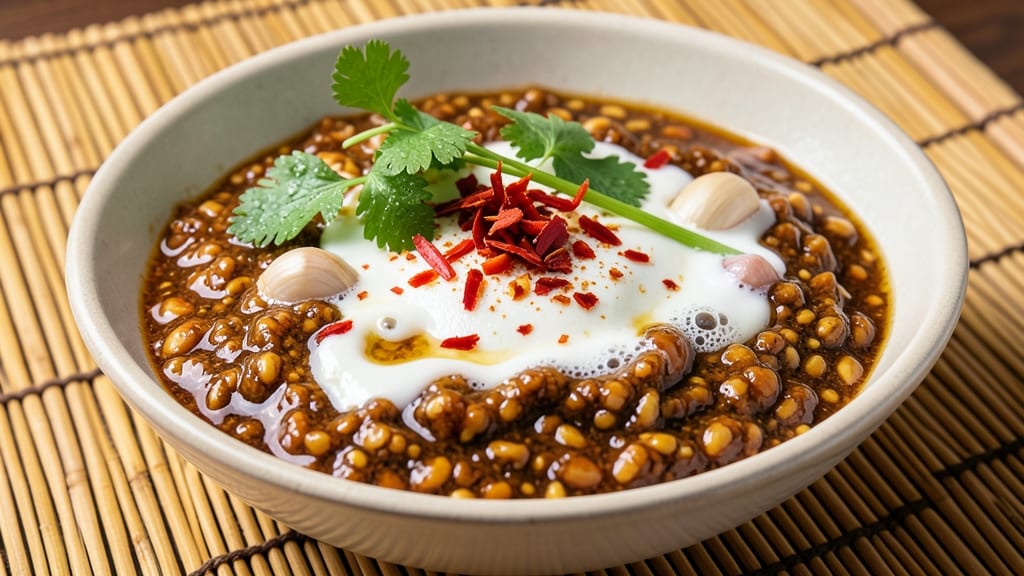
This authentic Vietnamese peanut sauce transforms simple ingredients into a velvety, nutty masterpiece that elevates everything from noodles to grilled meats. The secret lies in balancing roasted peanuts, tamarind paste, and aromatic spices—creating a sauce that’s both rich and tangy with just the right crunch from fresh celery.
I’ve perfected this recipe over years of testing, ensuring it delivers the same bold flavors found in Hanoi street food stalls.
What sets this sauce apart is its two-stage cooking process: first roasting the peanuts for deep, toasty flavor, then emulsifying them with coconut milk and fish sauce for a silky texture.
The tamarind adds a bright, citrusy tang that cuts through the richness, while a touch of garlic and chili powder brings heat and complexity. Every spoonful delivers that perfect harmony of nutty, spicy, and slightly sweet—restaurant-quality at home without the fuss.
The sauce’s versatility makes it a kitchen essential—drizzle it over pho, toss with rice paper rolls, or use as a dip for spring rolls. The crunchy celery topping adds freshness and texture, while optional adjustments (like water or more fish sauce) let you tailor the thickness to your dish.
Once you taste this, store-bought peanut sauces won’t stand a chance.
Best of all, it keeps beautifully in the fridge for up to a week, so you can make a big batch and enjoy it all week. Let’s get started—your taste buds will thank you.
Ingredients for authentic vietnamese peanut sauce
Nine ingredients transform into velvety, nutty sauce that's restaurant-quality at home.
| Ingredient | Amount | Notes |
|---|---|---|
| Peanuts 🥜 | 1 ½ cups | Raw, unsalted, roasted until golden |
| Coconut Milk 🥥 | 1 can | Full-fat, 13.5 oz can (not carton) |
| Tamarind Paste 🍈 | ½ cup | Thick, unsweetened paste |
| Fish Sauce 🐟 | 2 tbsp | Red Boat brand preferred |
| Garlic Cloves 🧄 | 4 cloves | Minced, fresh preferred |
| Chili Powder 🌶️ | 1 tsp | Adjust for heat preference |
| Sugar 🍚 | 2 tbsp | White granulated |
| Celery Stalks 🧅 | 2 whole | Thinly sliced, fresh |
| Lime Juice 🍋 | 1 tbsp | Freshly squeezed |
| Vegetable Oil 🫒 | 1 tbsp | For roasting peanuts |
| Salt 🧂 | ½ tsp | Kosher or sea salt |
The peanuts are the heart of this sauce—raw, unsalted ones toast up best. Trader Joe's bulk section has great prices, or grab a bag from the international aisle at Whole Foods. Toast them until they're golden and fragrant—don't walk away, or they'll burn. Tamarind paste might be tricky to find, but Asian markets usually carry it. If you can't find it, lime juice plus a pinch of sugar works in a pinch. The coconut milk? Full-fat canned is non-negotiable—cartons won't give you that rich texture.
No fish sauce? Soy sauce plus a splash of anchovy paste gets you close, but it won't be identical. Chili powder too spicy? Swap for cayenne at half the amount. Want more depth? Add a pinch of ground coriander. The celery topping is where freshness matters—wilted celery makes the whole sauce taste sad. If you're short on time, pre-chop the celery and store it in a sealed container with a damp paper towel to keep it crisp. The lime juice? Freshly squeezed makes all the difference—bottled won't cut through the richness.
This sauce keeps beautifully—1 week in the fridge sealed in a jar. The peanuts separate slightly after a few days, so give it a quick stir before using. For longer storage, freeze in ice cube trays—perfect for single-use portions. The celery topping? Add it fresh when serving, or it'll get soggy. Make a big batch—you'll want this on everything from noodles to grilled chicken. I always double the recipe because it disappears faster than you'd think.
Why You'll Love This Recipe
- No-Fuss Pantry Magic: I swear, this sauce comes together with stuff you already have—roasted peanuts, a can of coconut milk, and maybe a jar of tamarind you’ve been meaning to use. No fancy gadgets, no last-minute grocery runs. Just blend, simmer, and boom—flavor without the fuss.
- Tamarind-Garlic Kiss: That tangy tamarind paste cuts through the richness like a knife through butter, while the garlic sizzles into something almost irresistible. Honestly, the first time I tasted it, I immediately drizzled it on everything—rice, tofu, even a sad avocado toast.
- Dresses Up Anything: Stir it into noodles for a quick dinner, slather it on grilled chicken, or toss it with veggies for a meal-prep win. My roommate’s a picky eater? She devours it on fries. Leftovers? They become a next-day stir-fry upgrade. It’s the sauce equivalent of a Swiss Army knife.
- Budget Flavor Bomb: Peanuts and coconut milk stretch this sauce far—I’ve made a single batch last a week. Plus, fish sauce adds depth without breaking the bank. Between us, it’s the kind of recipe that makes you feel like you’re eating gourmet without the grocery bill to prove it.
Step-by-step instructions for authentic Vietnamese peanut sauce
Here's how to make this rich, nutty sauce with perfect balance—just like street vendors serve it.
Toast the Peanuts Until Golden and Aromatic
Heat the 1 tablespoon vegetable oil in a dry skillet over medium heat. Add the 1.5 cups peanuts and spread them out evenly. Toast for 5-7 minutes, stirring constantly, until they turn a rich golden brown color and smell deeply nutty. This step is crucial—it develops the peanut flavor and prevents them from becoming greasy in the sauce.
Watch carefully as they toast—they go from pale to dark quickly. Remove from heat immediately when they're golden and set aside to cool slightly. The peanuts should be warm but not hot when you add them to the sauce later.
Blend the Base Sauce Ingredients
In a blender, combine the toasted peanuts, 1 can coconut milk, 0.5 cup tamarind paste, 2 tablespoons fish sauce, 4 cloves minced garlic, 1 teaspoon chili powder, 2 tablespoons sugar, and 0.5 teaspoon salt. Blend on high for 1-2 minutes until completely smooth. The sauce should be thick but pourable—if it's too thick, add 1-2 tablespoons water to reach your desired consistency.
Taste the mixture at this stage—it should be tangy from the tamarind, sweet from the sugar, and slightly spicy. Adjust seasoning if needed: add more fish sauce for saltiness, sugar for sweetness, or chili powder for heat. This is your flavor foundation, so get it right now.
Thin and Balance the Sauce
Return the blended sauce to the skillet over low heat. Add 1 tablespoon lime juice and stir gently to combine. Let the sauce simmer for 3-5 minutes, stirring occasionally, until it reaches your preferred thickness. It should coat the back of a spoon but still be smooth—not gluey. If it thickens too much, add 1 tablespoon water at a time until balanced.
Here's the thing—Vietnamese peanut sauce should be rich but not heavy. The lime juice brightens the flavors and cuts through the richness of the peanuts and coconut milk. Keep tasting as you go; the sauce will continue to develop as it cools.
Prepare the Crunchy Celery Topping
While the sauce simmers, slice the 2 whole celery stalks into thin matchsticks—about 1/8-inch thick. The fresher the celery, the crunchier the topping. Set aside in a small bowl until ready to use.
This celery topping is non-negotiable—it adds freshness, texture, and that authentic street-food crunch. If your celery is particularly fibrous, you can blanch it for 1 minute in boiling water, then shock in ice water to preserve the crunch.
Assemble and Serve Immediately
Pour the warm peanut sauce into a serving bowl. Spoon the sliced celery on top just before serving—this preserves the crunch. Serve immediately over rice, noodles, or grilled meats like chicken or tofu. The sauce will thicken slightly as it cools, so adjust consistency if needed before serving.
For the best experience, serve this sauce while warm. The contrast of warm, nutty sauce with cool, crisp celery is what makes this dish sing. Store any leftovers in an airtight container in the fridge for up to 3 days, but the celery topping is best fresh.
Pro Tips For Making Authentic Vietnamese Peanut Sauce
- Toast Peanuts Low and Slow: Skip the high-heat blitz—roast them in a dry pan over medium-low for 8–10 minutes until golden and fragrant. I learned this the hard way: burning them once turned my sauce bitter, and you will taste the difference if they’re just raw or scorched.
- Strain the Coconut Milk: Use full-fat coconut milk, but strain it through a fine-mesh sieve before adding to the sauce. The thick pulp can clump and make your sauce grainy—trust me, it’s worth the extra 30 seconds of effort.
- Balance Tamarind with Sugar: Tamarind paste is sour, so add 1–2 teaspoons of sugar (or palm sugar) while cooking, not just at the end. This smooths out the acidity without overpowering the peanut richness—my grandmother swore by this, and she was right.
- Simmer Garlic Until Fragrant: Cook the minced garlic in oil until it’s golden, not just raw-smelling. Overcooked? It’ll taste bitter. Undercooked? It’ll lack depth. Aim for 2–3 minutes—just until the edges turn light brown and the kitchen smells like heaven.
Dietary considerations for these flavors
Gluten-Free Adaptations
The original recipe is naturally gluten-free since it relies on peanuts, coconut milk, and fish sauce—no wheat or soy-based thickeners. However, always double-check your fish sauce brand (some contain wheat).
I recommend Red Boat or Tiparos for certified gluten-free options. The tamarind paste and celery are also safe, so this sauce works perfectly for gluten-sensitive diets. 🌱
Nut-Free Substitutes
For those avoiding peanuts, sunflower seed butter makes a great substitute—use 1.5 cups for the same texture. Roast sunflower seeds until fragrant and blend with the other ingredients.
If you need a seed-free option, cashew butter (unsweetened) works too, though the flavor will be milder. Adjust the coconut milk slightly if needed for creaminess.
Vegetarian/Vegan Options
This sauce is vegetarian-friendly as written, but vegetarians should confirm their fish sauce is plant-based (some brands use anchovies). For a vegan version, replace fish sauce with 2 tbsp soy sauce plus 1 tsp miso paste for umami depth.
The tamarind, garlic, and chili powder remain the same—no compromises on flavor! 🌱
Lower-Sugar Adjustments
Reduce the 2 tbsp sugar to 1 tbsp and add 1 tsp honey or 1 tbsp unsweetened applesauce for natural sweetness. The tamarind’s natural tang will balance the flavor beautifully. For a sugar-free option, omit it entirely—the sauce’s richness comes from peanuts and coconut milk, not sweetness.
Allergen-Friendly Tips
If dairy allergies are a concern, this sauce is already safe—no dairy ingredients. For egg allergies, no adjustments are needed. Always store the sauce in a dedicated container to avoid cross-contamination.
The celery topping can be served on the side if celery allergies are present, ensuring everyone can enjoy the nutty goodness. 💡
Nutrition facts
Frequently asked questions
Can I make this peanut sauce without tamarind paste?
For a tamarind substitute, mix 1 tbsp lime juice with 1 tsp sugar to mimic the tangy-sweet balance. The sauce will be slightly less complex but still delicious. If you can't find tamarind, lemon juice plus a pinch of salt works too, though the flavor will differ slightly.
How do I adjust the thickness of the sauce?
The sauce should be thick but pourable, like honey. If it's too thick after blending, add 1 tbsp water at a time until smooth. For a thicker sauce, simmer uncovered for 2-3 extra minutes to reduce. The celery topping helps balance the richness, so adjust before adding it.
Can I use peanut butter instead of whole peanuts?
Not recommended—peanut butter lacks the toasted nutty depth from fresh roasted peanuts. If you're short on time, use 1.5 cups smooth peanut butter (no sugar added) and 1 tbsp coconut oil to mimic the texture. Toast the peanut butter in the skillet for 1 minute before blending to add warmth.
Why does my sauce separate when stored?
Peanut sauce naturally separates due to the oil in peanuts and coconut milk. Stir well before using, or blend briefly to re-emulsify. For a smoother texture, add 1 tsp cornstarch mixed with 1 tbsp water and simmer for 1 minute. Always store in an airtight container to prevent further separation.
What’s the best way to use leftover peanut sauce?
This sauce is versatile! Drizzle over grilled chicken or tofu, toss with rice noodles, or use as a dip for spring rolls. For extra flavor, add 1 tsp soy sauce or a pinch of smoked paprika when reheating. The celery topping is best added fresh, but you can store it separately in the fridge for 2 days.