
Sauces & Condiments
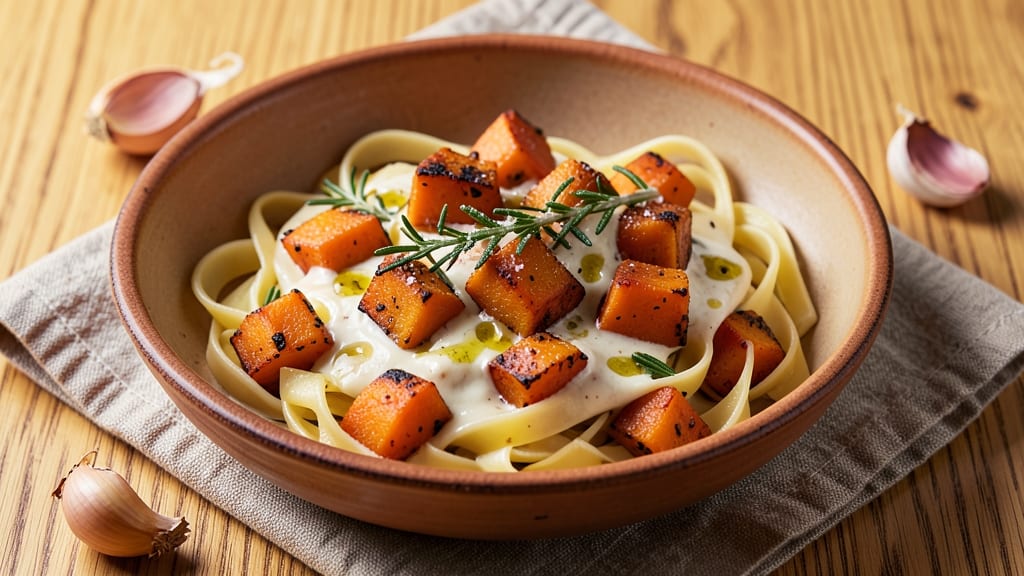
This autumn pasta sauce transforms simple ingredients into a rich, velvety sauce with deep spice notes and caramelized squash sweetness—perfect for cozy weeknight dinners.
The secret lies in roasting butternut squash until tender and golden, then blending it with aromatic herbs, garlic, and a touch of cream for a luxurious texture.
Unlike traditional tomato-based sauces, this version relies on the natural sweetness of squash and the warmth of cinnamon and nutmeg to create a sauce that’s both comforting and sophisticated.
The sauce builds flavor through slow reduction, allowing the spices to meld and the squash to develop a deep, caramelized depth. A splash of white wine brightens the richness, while a sprinkle of fresh rosemary adds a fresh, herbal contrast.
This isn’t just a sauce—it’s a flavor experience that elevates any pasta, from penne to gnocchi, turning an ordinary meal into something extraordinary. The best part? It keeps well in the fridge for up to 5 days or freezes beautifully for future use.
What makes this sauce truly special is its versatility. Use it as a base for creamy pasta dishes, drizzle it over roasted vegetables, or even spread it on toasted bread for a quick appetizer.
The balance of sweet, spicy, and savory flavors makes it a crowd-pleaser, while the silky-smooth texture ensures every bite is pure comfort. Whether you’re cooking for a family gathering or a quiet night in, this sauce delivers restaurant-quality results with minimal effort.
For an extra touch of indulgence, finish with a sprinkle of toasted pecans or a drizzle of balsamic glaze. The sauce’s natural sweetness pairs beautifully with sharp cheeses like pecorino or parmesan, adding another layer of complexity.
Store it in an airtight container in the fridge, or freeze in portions for quick meals later. Ready in just 30 minutes, this sauce is the perfect way to bring autumn’s warmth to your table.
Ingredients for autumn pasta sauce
Simple ingredients, bold autumn flavors—this sauce transforms roasted squash and spices into velvety perfection.
| Ingredient | Amount | Notes |
|---|---|---|
| Butternut Squash 🎃 | 2 cups | Cubed, roasted until tender |
| Garlic Cloves 🧄 | 4 cloves | Peeled, roasted with squash |
| Shallot 🧅 | 1 whole | Finely minced, adds sweet depth |
| White Wine 🍷 | ½ cup | Dry variety, deglazes pan |
| Heavy Cream 🥛 | ½ cup | Full-fat for velvety texture |
| Fresh Rosemary 🌿 | ¼ cup | Chopped, stems removed |
| Ground Cinnamon 🌶️ | ½ tsp | Warm autumnal spice |
| Ground Nutmeg 🌶️ | ¼ tsp | Freshly grated preferred |
| Extra-Virgin Olive Oil 🫒 | ¼ cup | For roasting and finishing |
| Salt 🧂 | 1 tsp | Kosher or sea salt |
| Black Pepper 🌶️ | ½ tsp | Freshly ground for heat |
The butternut squash is the star—roast it until caramelized and tender for that deep, sweet base. Trader Joe's has the best pre-cubed squash if you're short on time, but fresh is always better. Roast with olive oil, salt, and pepper until fork-tender, about 30 minutes at 400°F. Fresh rosemary is non-negotiable here—it adds that bright, herbal note that cuts through the richness. If you're using dried, double the amount, but trust me, fresh is worth the extra minute to chop it. The white wine should be something you'd drink—Sauvignon Blanc works perfectly, but any dry white will do.
No white wine? Vegetable broth with a splash of lemon juice gets you close. Short on rosemary? Fresh thyme works too, though it has a different vibe. The cinnamon and nutmeg are key for that autumnal warmth—don't skip them! If you've got pecorino or parmesan on hand, add a tablespoon at the end for extra depth. The sauce thickens as it cools, so if it's too thin, simmer it uncovered for a few minutes. For a richer version, swap half the heavy cream for cashew cream—it adds a nutty undertone that's amazing.
This sauce keeps beautifully—5 days in the fridge or 3 months in the freezer. Portion it into ice cube trays for easy single-use servings later. Reheat gently on the stove with a splash of water or milk to restore that silky texture. The flavors actually deepen overnight, so leftovers taste even better. For extra indulgence, toast some pecans and sprinkle them on top before serving—game-changer for texture and flavor.
Why You'll Love This Recipe
- No-Chop Shortcut: I roast the squash whole—yes, really—so I’m not stuck dicing it while dinner burns. The skin crisps up beautifully, and you just scoop out the flesh after. Honestly, that’s 15 minutes I’d rather spend drinking wine than peeling.
- Wine-Infused Warmth: That splash of white wine doesn’t just cook off—it lingers, bright and buttery, cutting through the squash’s sweetness. Add the cream, and suddenly you’ve got a sauce that’s rich but not heavy, with a depth that tastes like autumn in a bowl.
- Leftover Magic: This sauce begs to be reheated—better the next day, even. Toss it with leftover pasta, fold into a frittata, or drizzle over grilled chicken. My kids now ask for it on Tuesdays, which means I’ve won the weeknight battle.
- Budget Stretch: Butternut squash lasts forever in the freezer, and shallots? You’ll use them up before they spoil. The heavy cream makes it feel fancy, but the wine and garlic keep it from breaking the bank. Here’s what sold me—it’s the kind of sauce that makes simple meals feel like a splurge.
Step-by-step instructions for warm spice and roasted squash pasta sauce
This creamy, aromatic sauce comes together in layers of roasted depth and velvety richness.
Roast the Butternut Squash and Garlic
Preheat your oven to 400°F and line a baking sheet with parchment paper. Toss the 2 cups of cubed butternut squash and 4 peeled garlic cloves with 1 tablespoon of the extra-virgin olive oil, ½ teaspoon salt, and ¼ teaspoon black pepper. Spread them in a single layer on the baking sheet.
Roast for 25-30 minutes until the squash is fork-tender with caramelized edges and the garlic is golden brown. You'll smell that sweet, nutty aroma filling your kitchen—that's your cue it's ready. Let them cool slightly before transferring to a food processor, but don't skip this cooling step or the processor will fill with steam and make a mess.
Build the Flavor Base with Shallots and Spices
Heat 2 tablespoons of extra-virgin olive oil in a large skillet over medium heat. Add the finely minced shallot and cook for 3-4 minutes until softened and translucent. Here's where it gets good—stir in the ½ teaspoon ground cinnamon and ¼ teaspoon ground nutmeg, toasting them for 30 seconds until fragrant.
Add the roasted squash and garlic mixture to the skillet, mashing slightly with a wooden spoon. Pour in the ½ cup white wine and let it simmer for 3-4 minutes until reduced by half. The wine should nearly disappear, leaving behind concentrated flavor. If the mixture looks dry, add 2 tablespoons water to help blend everything together smoothly.
Create the Creamy Velvety Sauce
Reduce the heat to low and stir in the ½ cup heavy cream and ¼ cup chopped fresh rosemary. Let the sauce simmer gently for 5-7 minutes until it thickens slightly but remains silky. You want it to coat the back of a spoon without being gluey—this ensures it'll cling beautifully to your pasta.
Taste and adjust seasoning with more salt or black pepper if needed. The sauce should be rich but not overpowering, with warm cinnamon and nutmeg notes dancing on your tongue. For extra depth, stir in 1 tablespoon of the reserved roasting oil from the baking sheet—this adds another layer of caramelized flavor.
Finish and Serve Over Pasta
Remove the sauce from heat and let it cool slightly for 2-3 minutes. This resting period allows the flavors to meld perfectly. Meanwhile, cook your pasta according to package instructions until al dente, reserving ½ cup pasta water. Toss the drained pasta with the sauce, adding reserved pasta water 1 tablespoon at a time if needed to reach your desired consistency.
For the final touch, garnish each serving with an extra sprinkle of fresh rosemary and a crack of black pepper. The contrast of warm spices, creamy texture, and roasted squash sweetness makes this sauce unforgettable. Serve immediately while the aromas are at their peak—this dish tastes best straight from the pan!
Pro Tips For Making Autumn Pasta Sauce
- Roast the Squash First: I used to try to sauté raw butternut squash cubes and ended up with a sad, watery mess. Roast them at 400°F (200°C) for 20-25 minutes until tender and caramelized—this builds natural sweetness and reduces the need to overcook later. Toss them with olive oil, salt, and a pinch of cinnamon for extra depth.
- Sweat Shallots Low and Slow: Skip the high heat—sauté shallots over medium-low until they’re translucent, not browned. This takes 5-7 minutes and keeps them tender, so they blend smoothly into the sauce instead of turning grainy. I learned this the hard way after burning three batches of shallots into oblivion.
- Deglaze with Wine Immediately: As soon as you pull the pan off the heat after cooking the garlic, pour in the white wine and scrape every last bit of fond from the bottom. Let it reduce by half before adding cream—this adds richness and depth that skipping would leave behind. (Yes, even if you’re impatient like me.)
- Finish with Cream Off Heat: Stir in the heavy cream after removing the pan from heat, then return it to low heat just to warm through. This prevents curdling and keeps the sauce silky. I was skeptical until I tried it—I now add a splash of pasta water at the end to loosen the sauce further.
Regional styles of this dish
Italian Autumn Twist
In Italy, this sauce becomes a creamy squash agrodolce—sweet and sour—by adding ½ cup of apple cider vinegar with the white wine. Italians often finish it with grated pecorino romano and a touch of chili flakes for heat.
Use acini di pepe pasta (peppercorn-shaped) to match the rustic vibe. The vinegar brightens the squash’s sweetness, creating a perfect balance. 🌶️
French Bistro Style
French chefs transform this into a squash velouté by swapping heavy cream for ½ cup crème fraîche and adding 1 tablespoon Dijon mustard for depth. Garnish with toasted walnuts and a drizzle of honey—this version feels lighter yet equally rich.
Serve with buckwheat pasta or baguette slices for a bistro-worthy touch.
Southern U.S. Comfort
In the South, this sauce gets a smoky kick with ½ teaspoon smoked paprika and a splash of bourbon—just 1 tablespoon—simmered into the wine. Top with crumbled bacon and sharp cheddar cheese for a hearty, comforting dish. Pair with macaroni or gnocchi for a true Southern feast. 🔥
Mediterranean Herb Boost
For a Mediterranean twist, add 1 tablespoon lemon zest and 2 tablespoons chopped fresh mint at the end. Swap nutmeg for ½ teaspoon ground coriander and finish with toasted pine nuts.
This lighter version pairs beautifully with orzo or farro and feels fresh yet autumnal. The lemon zest cuts through the richness perfectly.
Vegetarian-Friendly Adaptation
Make this sauce fully plant-based by using ½ cup coconut cream instead of heavy cream and adding 1 tablespoon nutritional yeast for a cheesy depth. Boost umami with 1 teaspoon soy sauce**—it enhances the squash’s natural sweetness.
This version works wonderfully with lentil or chickpea pasta for a protein-packed meal. ✨
Nutrition facts
Frequently asked questions
Can I substitute butternut squash with another vegetable?
Sweet potatoes or acorn squash work beautifully—they add a similar sweetness and creaminess. For a different flavor profile, try roasted carrots or even pumpkin puree (reduce the cream slightly to balance moisture). Just adjust roasting times—sweet potatoes take about 20 minutes at 400°F.
Why does my sauce turn out too thin?
This usually happens if you didn't reduce the wine enough or if the squash released too much moisture. To fix it, simmer the sauce uncovered for 3-5 minutes to evaporate excess liquid. For thicker texture next time, mash the roasted squash more thoroughly before blending or add 1 tablespoon cornstarch mixed with water as a slurry.
What's the best pasta shape for this sauce?
Ridged pastas like penne, rigatoni, or farfalle work perfectly—they hold the creamy sauce beautifully. For extra texture, try gnocchi or casarecce (the ruffled edges catch every bite). Avoid smooth pastas like spaghetti unless you want a more saucy experience.
Can I make this sauce ahead of time?
Yes! This sauce actually tastes better the next day as flavors meld. Store in an airtight container in the fridge for up to 5 days or freeze for 3 months. When reheating, add 1 tablespoon water or milk per cup of sauce to restore creaminess. For quick meals, freeze in ice cube trays and pop out single servings as needed.
How do I make this sauce dairy-free?
Swap the heavy cream for ½ cup coconut cream or cashew cream (blend soaked cashews with water). Add 1 tablespoon nutritional yeast for cheesy depth and a pinch of salt to balance flavors. The sauce will still be rich but with a nutty undertone that complements the squash beautifully.