
Sauces & Condiments
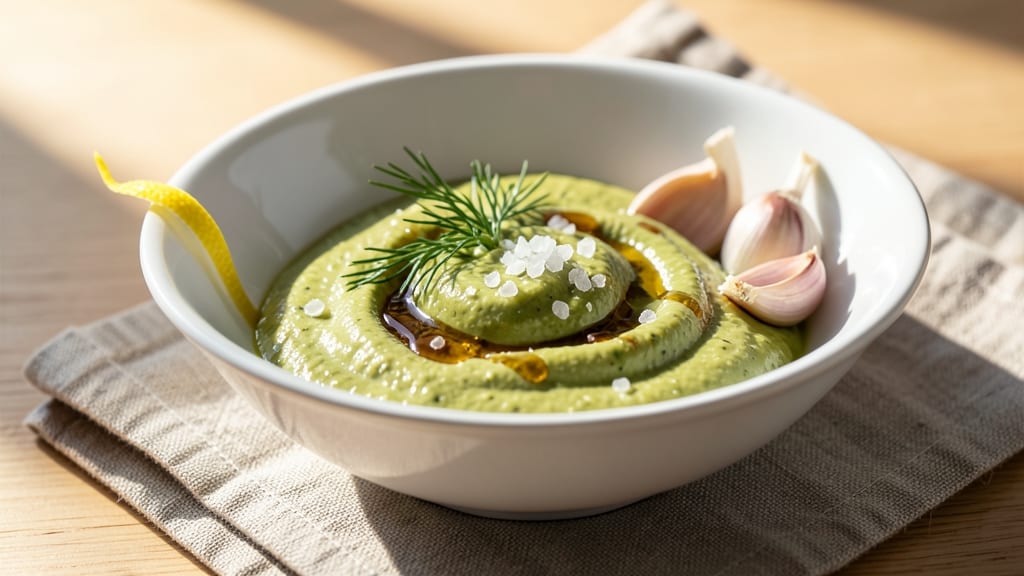
This avocado aioli sauce recipe transforms creamy avocado into a velvety, tangy dip that elevates everything from tacos to grilled fish. The secret lies in blending ripe avocado with garlic, lemon, and a touch of vinegar for that signature zing—no mayo required.
What sets this apart is the ultra-smooth texture that stays consistent, even after refrigeration.
To achieve that restaurant-quality creaminess, we'll use a high-speed blender to emulsify the ingredients perfectly. The key is balancing the richness of avocado with bright lemon juice and a hint of apple cider vinegar, which adds depth without overpowering.
This sauce isn't just a dip—it's a flavor booster for sandwiches, wraps, or even as a creamy dressing for salads.
Once blended, the sauce keeps beautifully in an airtight container for up to 3 days in the fridge, making it ideal for meal prep. The vegan adaptation is simple: swap mayo for silken tofu or vegan mayo, and you’ll still get that luscious, spreadable consistency.
Serve it warm or chilled—either way, it delivers that perfect balance of creamy, tangy, and slightly spicy.
The best part? This sauce comes together in just 10 minutes with ingredients you likely already have. Whether you're hosting a game day spread or craving a quick lunch upgrade, this aioli will become your go-to for adding that ultra-creamy, flavor-packed punch. Let’s make it—your taste buds will thank you.
Ingredients for avocado aioli sauce
Nine simple ingredients blend into velvety, tangy aioli—no mayo, just pure avocado goodness.
| Ingredient | Amount | Notes |
|---|---|---|
| Ripe Avocados 🥑 | 2 whole | Pitted, flesh scooped out |
| Extra-Virgin Olive Oil 🫒 | ½ cup | High quality, fruity |
| Garlic Cloves 🧄 | 3 cloves | Fresh, peeled, rough chopped |
| Lemon Juice 🍋 | 2 tbsp | Freshly squeezed |
| Apple Cider Vinegar 🍶 | 1 tbsp | For tangy depth |
| Salt 🧂 | ½ tsp | Diamond Crystal preferred |
| Ground Black Pepper 🌶️ | ¼ tsp | Freshly ground preferred |
| Cayenne Pepper 🔥 | ¼ tsp | Adjust for heat preference |
| Silken Tofu 🥬 | ¼ cup | For vegan version only |
| Water 💧 | 1 tbsp | For thinning if needed |
Avocados are the star, so grab the ripened ones—they should yield slightly to gentle pressure. Trader Joe's and Whole Foods usually have the best selection, but any grocery store works. The lemon juice needs to be fresh—bottled won’t cut it. Apple cider vinegar adds that signature zing, and Bragg is my go-to brand. For the olive oil, California extra-virgin makes all the difference—it should smell fruity, not sharp. If you're making the vegan version, silken tofu from the refrigerated section adds that creamy texture without dairy.
No fresh garlic? Garlic powder at half the amount works, but it won’t be as bright. Short on avocados? Mash them well to mimic creaminess. The cayenne is optional—skip it if you prefer mild, or double it for heat lovers. If your blend feels too thick, add water 1 tbsp at a time until smooth. For extra richness, stir in 1 tbsp tahini at the end. The sauce thickens as it chills, so don’t over-blend—just until silky.
This sauce keeps beautifully in an airtight container for 3 days in the fridge, though it’s best within 24 hours for peak freshness. For longer storage, freeze in ice cube trays—thaw and blend with a splash of water to restore texture. I always make a double batch: one for immediate use, one to freeze. The vegan version holds up just as well, so no need to skip it. Serve it chilled for tacos or warm for grilled fish—either way, it’s a game-changer.
Why You'll Love This Recipe
- No Blender Needed: I swear by this trick—just mash the avocado with a fork, then drizzle in the olive oil while stirring. No fancy gadgets, no cleanup, and the texture comes out perfectly smooth. (Yes, even if you’re the kind of cook who owns a garlic press but not a food processor.)
- Tangy Garlic Magic: That first bite? The lemon and apple cider vinegar cut through the richness, while the garlic—roasted or raw, your call—adds a depth that makes this sauce ridiculously addictive. It’s the kind of flavor that lingers just enough to make you reach for more.
- Dip Everything: From crispy fries to grilled fish, this sauce transforms anything into a highlight. I’ve used it as a sandwich spread, a taco drizzle, and even a quick pasta sauce—no rules, just flavor. Honestly, the only limit is your imagination (or how fast you can eat it).
- Keeps Like a Champ: Make a big batch on Sunday, and it’ll still taste fresh by Thursday. The avocado’s creaminess holds up better than you’d think, especially if you store it with a squeeze of extra lemon on top. Budget win: one bowl feeds the whole family, and leftovers cost you nothing.
Step-by-step instructions for avocado aioli sauce
Here's how to blend this velvety sauce with perfect balance—creamy avocado meets tangy vinegar magic.
Prepare the Avocado Base
Cut the 2 whole ripe avocados in half, remove the pits, and scoop out the flesh into a food processor. You'll want to use avocados that yield easily to gentle pressure—if they're too firm, let them sit at room temperature for 10 minutes first. The flesh should be smooth and buttery, not fibrous or brown around the edges.
Add the 0.25 cup silken tofu to the processor. This secret ingredient creates that ultra-smooth texture without altering the flavor. Pulse everything together for 10 seconds to break up any large chunks, but don't blend completely yet—we want to control the process to avoid getting greasy. The mixture should look like coarse sand with no visible avocado pieces.
Blend in the Aromatics
Add the 3 cloves rough chopped garlic to the processor. Using rough chopped garlic instead of minced gives you better flavor without the bitterness of finely minced. Add the 0.5 cup extra-virgin olive oil, 2 tbsp lemon juice, and 1 tbsp apple cider vinegar all at once. The vinegar might seem like too much at first, but trust me—it balances the richness beautifully.
With the processor running, slowly drizzle in the olive oil while scraping down the sides of the bowl with a silicone spatula. This gradual addition prevents the sauce from breaking and ensures a perfectly emulsified texture. You'll know you're on the right track when the mixture starts to look like thick, pale green mayonnaise after about 30 seconds of blending.
Season and Thin to Perfection
Add the 0.5 tsp salt, 0.25 tsp ground black pepper, and 0.25 tsp cayenne pepper to the processor. Pulse just until the seasonings are evenly distributed—you don't want to over-blend or the sauce will separate. Taste a small amount at this stage. The flavor should be rich and creamy with a bright tang from the vinegar and lemon.
If the sauce is too thick, add the 1 tbsp water 1 teaspoon at a time while blending until you reach your desired consistency. It should coat the back of a spoon but still be spreadable. For a smoother texture, strain the sauce through a fine-mesh sieve into a clean bowl. This step removes any remaining tofu chunks and gives you that restaurant-quality finish.
Chill and Serve
Transfer the aioli to a serving bowl and cover the surface directly with plastic wrap to prevent oxidation. Let it chill in the refrigerator for at least 30 minutes before serving. This resting period allows all the flavors to meld together beautifully and gives you that perfect balance of creaminess and tang.
The sauce will keep in an airtight container in the refrigerator for up to 3 days. For best results, serve it at room temperature—simply let it sit for 10 minutes before using. This aioli pairs perfectly with grilled fish, crispy fries, or fresh veggie platters, and it's the star of any sandwich or wrap you can imagine.
Pro Tips For Making Avocado Aioli Sauce
- Mash, Don’t Blend: Use a fork to crush the avocado first—this keeps the texture smooth and prevents the sauce from turning into a thick, grainy paste. I learned this the hard way after forcing my blender into overwork, and now I always start with a good mash before blending.
- Toast the Garlic: Lightly fry the minced garlic in olive oil for 30 seconds until fragrant—this adds depth without bitterness. Skipping this step means your sauce will taste flat, no matter how much lemon you add.
- Balance the Sour: Start with just 1 teaspoon of apple cider vinegar, then taste and adjust—it’s easier to fix a bland sauce than to rescue one that’s too sharp. My grandmother swore by this, and she was right: balance is everything.
- Cover It Tight: Press plastic wrap directly onto the avocado surface before refrigerating to block air—this prevents browning and keeps the sauce fresh for up to 2 days. (Yes, even if you’re impatient like me.)
Common mistakes when making this recipe
Overblending the Avocado
I’ve seen this happen more times than I can count—someone blends the aioli until it’s completely smooth, only to end up with a greasy, separated mess. Avocado releases oils when overblended, and once that happens, you can’t fix it.
The key is to stop blending the moment the sauce reaches a thick, creamy consistency—about 30-45 seconds total in a high-speed blender. If you’re using a food processor, pulse in short bursts instead of continuous blending. The texture should look like thick mayonnaise, not a smooth puree. 🥑
Skipping the Vinegar
Apple cider vinegar is the secret weapon here—it cuts through the richness of the avocado and adds that signature tang. I’ve tasted aioli without it, and honestly, it’s just missing something. The 1 tbsp might seem like a lot, but trust me, it balances the flavors perfectly.
If you’re worried about overpowering the sauce, start with ½ tbsp and adjust to taste. The vinegar also helps stabilize the emulsion, preventing separation later. 🍶
Using Unripe Avocados
Nothing ruins a good aioli faster than unripe avocados. They’ll turn your sauce grainy and bitter, no matter how much you blend. Always pick avocados that yield slightly to gentle pressure—if they’re too firm, let them sit at room temperature for 10-15 minutes before using. A quick trick?
Look for avocados with a dark pit—that’s a sign they’re ripe and ready. If you’re in a pinch, you can add ½ tsp of lemon juice to unripe avocados to soften them slightly, but it’s not the same as using properly ripe ones. 🥑
Ignoring the Chill Time
This is a big one—many people serve aioli immediately after blending, and that’s a mistake. Letting the sauce chill for at least 30 minutes allows the flavors to meld together and the texture to thicken slightly. It also prevents the sauce from tasting too raw or overly acidic.
If you’re short on time, chill it for 15 minutes in the fridge, but don’t skip this step entirely. The longer it rests, the better it tastes—trust the process! ❄️
Adding Liquid Too Quickly
If your aioli is too thick, it’s tempting to dump in all the water at once. But adding liquid too quickly can break the emulsion, causing the sauce to separate. Instead, add water 1 teaspoon at a time while blending continuously.
This gradual approach ensures the sauce stays smooth and creamy. You’re aiming for a consistency that coats the back of a spoon but still spreads easily—think of it like a thick, velvety dressing. 💧
Not Tasting as You Go
This is my biggest pet peeve—people blend the entire batch, taste it, and then realize it’s off. Instead, taste the sauce at every stage: after blending the avocado base, after adding the aromatics, and after seasoning.
This way, you can adjust the salt, vinegar, or cayenne pepper before it’s too late. A little lemon juice or a pinch of salt can save a flawed batch, but you won’t know if you don’t taste along the way. 🧂
Nutrition facts
Frequently asked questions
Can I make this avocado aioli without a food processor?
Yes, you can! Use a high-powered blender or even a mortar and pestle for a more rustic texture. If using a blender, pulse the avocado and silken tofu first, then stream in the olive oil while blending. For a mortar and pestle, mash the avocado with salt and lemon juice first, then gradually incorporate the other ingredients while stirring vigorously.
How do I keep my avocado aioli from turning brown?
Cover the surface directly with plastic wrap to prevent air exposure, which causes browning. For extra protection, press a second layer of plastic wrap onto the surface before sealing the container. Store in the refrigerator and use within 3 days for the best color and flavor.
What can I use instead of apple cider vinegar?
Lemon juice works well as a 1:1 substitute, but it won't provide the same depth of flavor. For a milder tang, try white wine vinegar or rice vinegar at ½ tbsp. Avoid balsamic vinegar—it's too strong and will overpower the sauce.
Can I make this aioli spicier?
Add more cayenne pepper or swap it for chili flakes, smoked paprika, or even a dash of hot sauce. For a smoky kick, add ½ tsp smoked salt. Start with small amounts and adjust to taste—you can always add more, but you can't take it out!
What are the best ways to use this avocado aioli?
This versatile sauce works as a dip for veggies or chips, a spread for sandwiches and wraps, or a dressing for salads. Try it with grilled fish, tacos, or even as a topping for baked potatoes. For extra flavor, mix in chopped herbs like cilantro or dill at the end.