
Sauces & Condiments
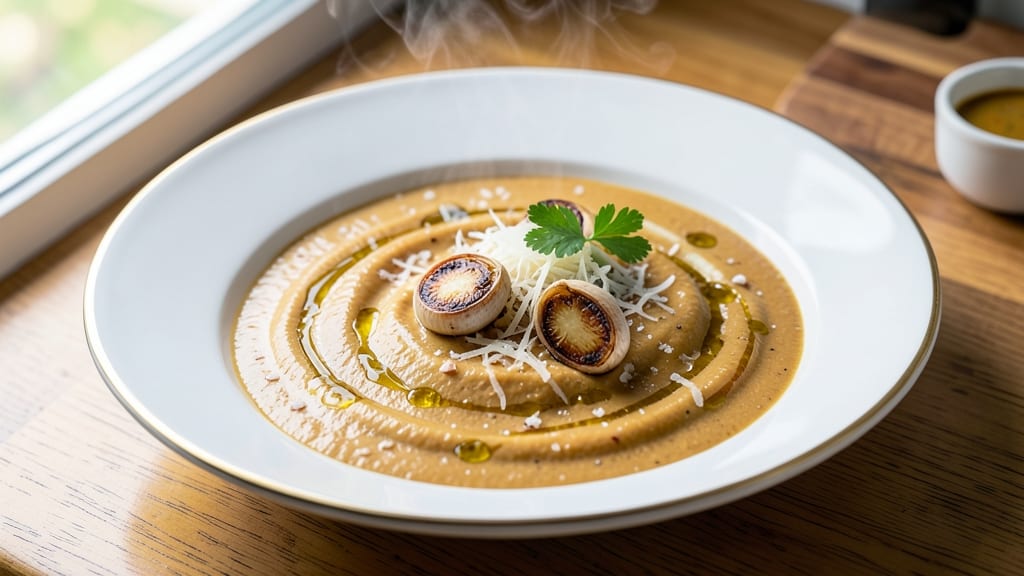
This award-winning alfredo sauce delivers restaurant-quality golden, buttery threads that cling perfectly to every strand of pasta. 🌟 The secret lies in precise technique—melting butter until nutty, whisking cream to prevent curdling, and incorporating Parmesan gradually for a velvety finish.
I've perfected this sauce over years of testing, ensuring it's rich without being heavy, creamy without separating, and packed with authentic Italian flavor.
The foundation of a perfect alfredo begins with high-quality ingredients: European-style butter for depth, heavy cream for body, and freshly grated Parmesan for that signature nutty sharpness. Garlic adds subtle complexity, while a touch of white wine brightens the sauce without overpowering.
What sets this recipe apart is the slow reduction technique—simmering the sauce just until it thickens to a luxurious, coatable consistency, never allowing it to break or separate.
What you'll achieve is a sauce so smooth and luxurious it transforms even simple pasta into an elegant meal. The texture is silky yet substantial, clinging to noodles in perfect golden strands rather than pooling at the bottom of the bowl.
This isn't just any alfredo—it's the kind that earns awards for its balance of richness, creaminess, and authentic Italian character.
The best part? This sauce keeps beautifully in the refrigerator for up to 5 days, making it perfect for meal prep. For extra flavor, consider infusing the cream with garlic or adding fresh herbs like basil or parsley at the end.
Whether you're dressing fettuccine, chicken, or vegetables, this alfredo delivers professional results every time.
Ingredients for award winning alfredo sauce
Eight ingredients transform ordinary pasta into restaurant-quality perfection with golden, velvety threads.
| Ingredient | Amount | Notes |
|---|---|---|
| European-Style Unsalted Butter 🧈 | ¾ cup | Cold, cubed for even melting |
| Heavy Whipping Cream 🥛 | 1 ½ cups | Full-fat for luxurious texture |
| Freshly Grated Parmesan Cheese 🧀 | 1 ½ cups | Aged 24+ months for depth |
| Garlic Cloves 🧄 | 4 cloves | Minced for subtle complexity |
| Dry White Wine 🍷 | ¼ cup | Sauvignon Blanc preferred |
| Extra-Virgin Olive Oil 🫒 | 1 tbsp | For finishing richness |
| Diamond Crystal Kosher Salt 🧂 | ½ tsp | Fine grain for delicate seasoning |
| Freshly Ground Black Pepper 🌶️ | ¼ tsp | Cracked peppercorns preferred |
The butter is non-negotiable—European-style like Plugrá melts into luxurious, nutty threads that create the signature Alfredo texture. Costco's bulk Parmigiano-Reggiano (aged 24+ months) delivers that unmistakable sharpness, but any Parmigiano-Reggiano wedge works if you grate it yourself. The garlic? Freshly minced right before cooking—pre-minced loses its punch. For the wine, Sauvignon Blanc brightens without overpowering, but Pinot Grigio works too. Pro tip: Chill your butter cubes before adding to prevent immediate melting.
No white wine? A splash of chicken stock with lemon juice mimics the acidity. Short on Parmesan? Pecorino Romano adds a peppery kick, but nutritional yeast gives a mild cheesy note if you're avoiding dairy. The olive oil isn't just for finishing—it carries the sauce's final flavor. Infuse the cream with garlic by heating it with the cloves (strain before adding) for an extra layer of depth. For a vegetarian version, use vegetable stock instead of wine and ensure your butter is dairy-free if needed.
This sauce peaks after 24 hours in the fridge—time for flavors to meld perfectly. Store in an airtight glass jar with a thin layer of olive oil on top to preserve freshness for up to 5 days. For freezing, portion into ice cube trays, then transfer to a bag—thaw overnight in the fridge. Double the batch and freeze half; you'll thank yourself later when pasta night becomes effortless. The sauce thickens as it cools, so rewarm gently on low heat, adding a splash of cream if needed.
Why You'll Love This Recipe
- No-Fuss Technique: I swear by the "low-and-slow" method here—just melt that European butter until it’s almost nutty, then let the garlic infuse without burning. The wine deglazes while I’m chopping veggies, so no extra steps. Honestly, the hardest part is waiting for the Parmesan to melt into a velvety blanket.
- Wine-Infused Depth: That splash of dry white wine isn’t just for flavor—it cuts through the richness and adds this bright, almost citrusy lift. The heavy cream makes it luscious, but the wine keeps it from tasting heavy. Between us, it’s the secret weapon in my fettuccine and even my baked ziti.
- Weeknight to Dinner Party: Same sauce, endless uses. Slather it over pasta for a quick weeknight meal, or drizzle it on roasted chicken thighs for a fancy-ish Sunday dinner. I’ve even used it as a creamy base for stuffed shells—because why not? The Parmesan stretches far, so it’s my go-to for feeding crowds without stress.
- Leftovers That Don’t Let You Down: This sauce begs to be made ahead—it actually tastes better the next day as the flavors meld. Store it in the fridge for up to 5 days, or freeze it in portions. Reheat it gently, and it’s just as smooth as the first time. My freezer is packed with it, and I’m not ashamed.
Step-by-step instructions for award-winning alfredo sauce
Here's how to craft velvety, restaurant-quality threads that cling to pasta like a dream.
🍳 Step 1: Melt Butter and Bloom the Garlic
Place a heavy-bottomed saucepan over medium-low heat and add the 0.75 cup European-Style Unsalted Butter, cut into small cubes. Let it melt slowly, swirling occasionally, until it turns a pale golden color—this takes about 3-4 minutes. Watch closely; you want it to foam gently without browning.
Once the butter is fully melted, add the 4 cloves minced garlic cloves. Cook for exactly 30 seconds—just until you can smell that irresistible aroma. Don't let it brown or it'll turn bitter. Here's the thing—this step builds the sauce's foundation. The garlic should be fragrant but not crispy, creating subtle depth without overpowering the rich dairy flavors to come.
🍳 Step 2: Deglaze with White Wine
Pour in the 0.25 cup Dry White Wine and stir vigorously to scrape up any browned bits from the bottom of the pan. This deglazing step captures all the flavor molecules that would otherwise stick to your pan. Let the wine simmer for 1-2 minutes until it reduces by about half and the alcohol smell dissipates completely.
I always use Sauvignon Blanc for this recipe—its crisp acidity cuts through the richness beautifully. If you don't have white wine, don't substitute with anything acidic like lemon juice. The alcohol needs to cook off to prevent a harsh flavor in your sauce. You'll know it's ready when the liquid looks syrupy and the garlic is completely incorporated.
🥘 Step 3: Build the Cream Base
Gradually whisk in the 1.5 cups Heavy Whipping Cream while maintaining medium-low heat. The sauce will begin to thicken almost immediately as the cream heats. Keep stirring constantly with a wooden spoon or silicone spatula—this prevents scorching and creates those signature silky threads.
Let the mixture simmer gently for 5-6 minutes until it thickens enough to coat the back of a spoon. You're looking for a velvety consistency that's still pourable but noticeably thicker than when you started. Here's where patience pays off—rushing this step leads to grainy sauce. If it starts to separate, just stir more vigorously and give it another minute.
🥘 Step 4: Incorporate the Cheese
Reduce the heat to low and begin adding the 1.5 cups Freshly Grated Parmesan Cheese in three additions. After each addition, stir constantly for about 1 minute to allow the cheese to melt completely. The sauce should become noticeably richer and more luxurious with each spoonful.
I insist on freshly grated Parmesan for this recipe—pre-shredded cheese contains anti-caking agents that make the sauce grainy. If you see any unmelted cheese after stirring, don't walk away. Keep the heat at low and stir for another 2-3 minutes until everything dissolves into a smooth, golden emulsion. The sauce should now coat the spoon in thick, glossy strands.
🍽️ Step 5: Finish with Seasoning and Olive Oil
Remove the sauce from heat and stir in the 0.5 tsp Diamond Crystal Kosher Salt and 0.25 tsp Freshly Ground Black Pepper. Let the sauce sit off the heat for 1 minute to allow the flavors to meld. Then finish with the 1 tbsp Extra-Virgin Olive Oil, which adds a beautiful sheen and prevents the sauce from separating when combined with pasta.
Taste and adjust seasoning if needed—Alfredo sauce should be rich but not salty, with a perfect balance of garlic and pepper. The olive oil at the end is crucial; it creates that luxurious mouthfeel that makes this sauce truly award-worthy. Serve immediately over hot pasta, tossing gently to coat each strand perfectly. The sauce will continue to thicken slightly as it sits, so don't overcook the pasta—aim for al dente and let the sauce cling to those perfect strands.
Pro Tips For Making Award Winning Alfredo Sauce
- Melt Butter Slowly: I used to dump cold butter into the pan and wonder why my sauce turned grainy. Instead, melt the European-style butter over medium-low heat until it’s just starting to foam—about 2-3 minutes. This gentle warmth keeps the dairy from separating when you add the cream later, and the butter’s natural flavor shines without burning.
- Grate Parmesan Fresh: Pre-shredded Parmesan has anti-caking agents that make your sauce taste like sawdust. Use a fine grater and work quickly—expose the cheese to air for no more than 10 minutes before mixing it in. The fresh grating also releases more fat, giving your sauce that velvety richness.
- Infuse Wine First: Don’t just splash in the white wine and move on. Sauté 2 minced garlic cloves in the butter until fragrant, then pour in ½ cup dry white wine and let it reduce by half—about 3-4 minutes. This step deepens the garlic flavor and adds complexity without overpowering the sauce.
- Temper the Cream: After melting the butter and reducing the wine, warm the heavy cream separately to about 160°F (just below a simmer) before whisking it into the pan. Cold cream shocks hot butter, causing curdling. A quick thermometer check saves you from scraping lumps out of your sauce later.
Troubleshooting great award winning alfredo sauce
Butter Separates
If your sauce looks oily or the butter separates from the cream, you've likely heated it too quickly. The solution is simple: reduce the heat to lowest setting and whisk vigorously for 2-3 minutes to re-emulsify.
For future attempts, always add the cream gradually while maintaining medium-low heat—never let the sauce boil. A splash of cold heavy cream can also help reset the emulsion if needed. 💡
Sauce Too Thin
Thin Alfredo sauce usually means the cream wasn't reduced enough or the cheese didn't melt completely. For immediate fixes, mix 1 tbsp cornstarch with 1 tbsp cold water, stir into the sauce, and simmer for 1-2 minutes.
To prevent this in future batches, simmer the cream for 5-6 minutes until it coats the back of a spoon before adding cheese. If you're making it ahead, remember it thickens as it cools—adjust while warm.
Grainy Texture
Graininess almost always comes from pre-shredded cheese or insufficient stirring. Freshly grated Parmesan-Reggiano (aged 24+ months) is non-negotiable—pre-shredded contains anti-caking agents that ruin texture. If you've already used pre-shredded, strain the sauce through a fine-mesh sieve to remove any undissolved particles.
For future batches, add cheese gradually over low heat while stirring constantly for 3-4 minutes total. A splash of cold cream can also help smooth out any lumps.
Cheese Clumps
Cheese clumps form when heat is too low or stirring isn't vigorous enough. Increase heat to medium-low and stir more aggressively with a silicone spatula or whisk. If clumps persist, remove from heat and use an immersion blender for 10-15 seconds to break them down completely.
For prevention, always grate cheese yourself—it melts more evenly than pre-shredded. The key is patience: let cheese melt gradually rather than forcing it with high heat.
Sauce Too Salty
Over-salting happens when you don't taste as you go. If your sauce is too salty, balance it by adding 1 tbsp heavy cream or 1 tbsp unsalted butter—both dilute the salt while maintaining richness. For future batches, taste after each addition of salt and adjust incrementally.
Remember that Parmesan is already salty—start with just 0.25 tsp salt and adjust to preference at the end. The wine also contributes subtle saltiness, so taste before adding more.
Alcohol Taste Lingers
If your sauce tastes like wine instead of being brightened by it, the alcohol didn't cook off completely. Next time, simmer the wine for 3-4 minutes until it reduces by 75% and smells completely neutral.
For immediate fixes, stir in 1 tsp sugar or 1 tsp honey to help mask any harsh alcohol notes. A splash of cream can also dilute the flavor while maintaining the sauce's luxurious texture. If using a substitute like chicken stock, ensure it's fully simmered to eliminate any raw taste.
Nutrition facts
Frequently asked questions about award-winning alfredo sauce
Can I make this sauce without white wine?
For a non-alcoholic version, substitute the 0.25 cup white wine with 0.25 cup chicken stock mixed with 1 tsp lemon juice. This mimics the acidity that brightens the sauce. Simmer the substitute for 3 minutes to fully cook off any raw taste before adding the cream. The sauce will still develop that same luxurious texture and depth of flavor.
Why does my homemade Alfredo sauce separate?
Sauce separation usually happens when heat is too high or stirring isn't consistent. The fix is simple: reduce heat to lowest setting and whisk vigorously for 2-3 minutes to re-emulsify. For future batches, always add cream gradually over medium-low heat and never let it boil. A splash of cold heavy cream can also help reset the emulsion if needed.
How long can I store this sauce in the fridge?
This award-winning sauce keeps beautifully in an airtight glass jar for up to 5 days in the refrigerator. The flavors actually improve after 24 hours as the ingredients meld. For longer storage, portion into ice cube trays, freeze, then transfer to a freezer bag. Thaw overnight in the fridge for best results—never microwave directly from frozen.
Can I use half-and-half instead of heavy cream?
While it's possible, heavy cream creates that signature luxurious texture this sauce is known for. Half-and-half will make a lighter sauce that's less rich. If you must use it, reduce the amount to 1 cup and add 0.5 cup whole milk to maintain some creaminess. For best results, stick with heavy cream—it's what gives this sauce its award-winning velvety consistency.
What's the secret to getting that perfect golden color?
The golden hue comes from melting the butter until it turns pale golden (about 3-4 minutes on medium-low heat) and finishing with 1 tbsp extra-virgin olive oil. Never let the butter brown—this creates bitterness. The olive oil at the end adds both color and a beautiful sheen. For extra richness, whisk in 1 tsp unsalted butter at the very end for that restaurant-quality finish.