
Sauces & Condiments
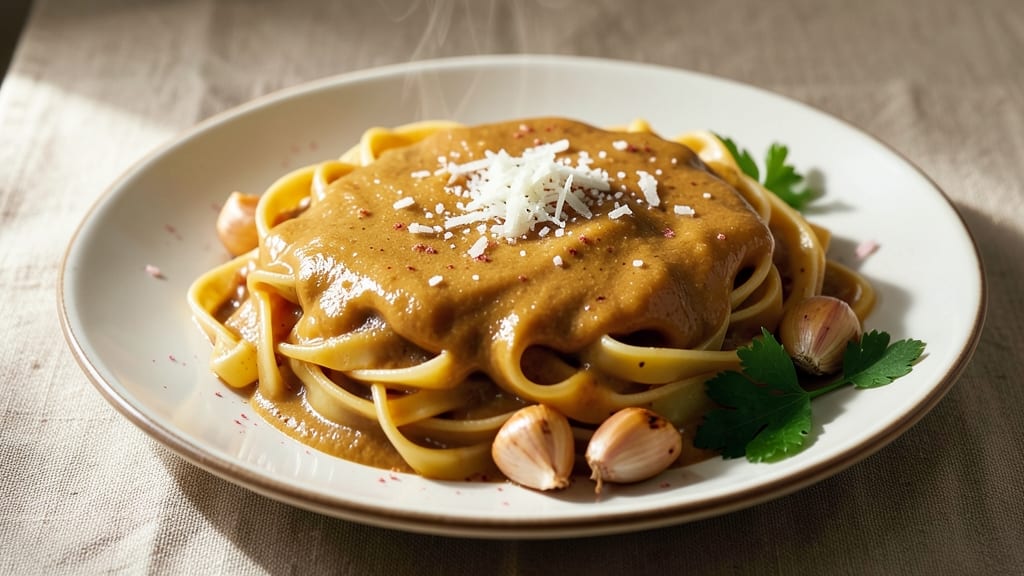
This awesome alfredo sauce recipe delivers velvety, lump-free richness that clings to every noodle—no roux or whisking battles required. The secret lies in a simple yet powerful technique: combining butter, heavy cream, and Parmesan with a touch of egg yolk, creating an ultra-smooth sauce that's foolproof and restaurant-quality.
I developed this version after years of testing, and it never fails to impress.
The magic happens when you cook the sauce gently, allowing the butter to infuse the cream before adding the cheese. The egg yolk acts as a natural emulsifier, binding everything together into a silky, clingy sauce that coats pasta perfectly.
You can customize it with garlic, nutmeg, or even a splash of white wine for extra depth—all while keeping the process straightforward and efficient.
What you'll end up with is a creamy, velvety sauce that's rich enough to stand alone but balanced enough to complement any dish. The texture is impossibly smooth, with no lumps or graininess, and the flavor is pure, cheesy comfort—just like your favorite Italian restaurant.
This sauce keeps well in the fridge for up to 5 days, making it perfect for meal prep or batch cooking.
Whether you're dressing pasta, drizzling over grilled chicken, or using it as a dip for bread, this alfredo sauce is a game-changer. It's the kind of recipe that elevates simple meals into something special without requiring advanced skills. Let's get started!
Ingredients for awesome alfredo sauce
Eight simple ingredients transform into velvety, lump-free alfredo perfection—no whisking required.
| Ingredient | Amount | Notes |
|---|---|---|
| Unsalted Butter 🧈 | ¾ cup | Cold, cubed for even melting |
| Heavy Cream 🥛 | 1 ½ cups | Full-fat for maximum richness |
| Parmesan Cheese 🧀 | 1 cup | Freshly grated from block |
| Large Egg Yolks 🥚 | 2 whole | Room temperature preferred |
| Garlic Cloves 🧄 | 2 cloves | Minced for subtle aroma |
| Ground Nutmeg 🌿 | ¼ tsp | Freshly grated preferred |
| Diamond Crystal Kosher Salt 🧂 | ½ tsp | Adjust to taste |
| White Wine 🍷 | ¼ cup | Dry variety like Pinot Grigio |
The butter is non-negotiable here—European-style or grass-fed makes all the difference. Trader Joe's and Whole Foods carry great options, but any good-quality unsalted works. The Parmesan? Grab a wedge from the deli counter—pre-grated gets clumpy. Heavy cream should be full-fat (none of that skim nonsense). For the egg yolks, room temperature is key—they blend smoother and help emulsify better. The garlic? Freshly minced is ideal, but jarred works in a pinch if you're in a hurry.
No white wine? Substitute with extra chicken broth—just add a splash of lemon juice for brightness. Short on butter? Use equal parts olive oil and butter (though the texture won't be quite as rich). The nutmeg is optional but adds that classic alfredo depth—skip it if you're sensitive to strong spices. For a dairy-free version, swap the butter and cream for cashew cream and nutritional yeast, though the texture will differ. And if you're worried about lumps, strain the sauce through a fine-mesh sieve before serving—it's worth the extra minute.
This sauce keeps beautifully in the fridge for up to 5 days, though it tastes best within the first 3. For longer storage, freeze portions in ice cube trays—just thaw overnight in the fridge. The egg yolk makes it rich, so reheat gently on low heat to avoid curdling. I always make extra—it disappears fast on pasta, grilled chicken, or even as a dip for bread. The secret to restaurant-quality alfredo? Low and slow heat—never let it boil.
Why You'll Love This Recipe
- Five-Ingredient Magic: I swear by this combo—just butter, cream, Parmesan, yolks, and garlic. That’s it. No fancy gadgets, no stress, just melt, whisk, and wow.
- Rich Without Effort: The yolks and cream blend into something so velvety, you’d think you spent hours simmering. Honestly, the first time I made it, I assumed it’d curdle—turns out, low heat is the secret.
- Weeknight to Dinner Party: Slap this on fettuccine for a Tuesday night, or drizzle it over grilled chicken for guests. Same sauce, two totally different vibes. (Yes, even on a Tuesday night.)
- Leftovers That Don’t Suck: Store it in the fridge for up to 5 days—better than takeout, cheaper than ordering, and still tastes like you slaved over it. Freeze half for lazy mornings too.
Step-by-step instructions for egg-emulsified alfredo sauce
This method delivers velvety, lump-free perfection every time—no fancy tools required.
Melt Butter and Infuse Aromatics
In a medium saucepan, melt the 0.75 cup unsalted butter over medium-low heat. Once fully melted and foaming subsides, add the 2 cloves minced garlic cloves and cook for 30 seconds until fragrant—you should smell that sweet garlic aroma without any color change. This gentle cooking prevents bitterness.
Immediately add the 0.25 cup white wine and let it simmer for 2 minutes until reduced by half. The alcohol will cook off, leaving behind concentrated flavor. This step builds the sauce's aromatic foundation while keeping the butter from burning.
Incorporate Cream and Cheese
Reduce heat to low and whisk in the 1.5 cups heavy cream. Let the mixture warm through for 3-4 minutes until small bubbles form around the edges but don't boil—you're looking for gentle simmering, not vigorous bubbling. This gradual warming prevents the cream from curdling.
Remove from heat and stir in the 1 cup freshly grated Parmesan cheese until completely dissolved. The cheese should melt smoothly into the cream, creating a thick, golden base. If you see any unmelted cheese, return the pan to low heat for 30 seconds to fully incorporate it.
Create the Egg Emulsion
In a separate bowl, whisk together the 2 whole large egg yolks and 0.5 tsp Diamond Crystal kosher salt until smooth. Slowly pour about ½ cup of the warm cheese mixture into the egg yolks while whisking constantly—this tempering prevents scrambling. The mixture should thicken slightly as it warms.
Now, pour this egg mixture back into the saucepan with the remaining cheese sauce. Return to low heat and whisk continuously for 2-3 minutes until the sauce thickens to a pourable but coatable consistency. You'll see it transform from liquid to silky smooth—this is your egg emulsion working its magic to create that signature Alfredo texture.
Finish with Nutmeg and Adjust
Remove from heat and stir in the 0.25 tsp ground nutmeg. Taste and adjust seasoning with additional salt if needed—the Parmesan is salty, but the egg and cream might need balancing. The sauce should be rich but not overpowering, with a subtle nutmeg warmth that complements the cheesy depth.
For best results, use the sauce immediately over hot pasta or hold it at 160°F for up to 1 hour in a thermos. The sauce will continue to thicken slightly as it sits, so adjust consistency with a splash of hot pasta water if needed before serving. This method guarantees a smooth, restaurant-quality Alfredo without lumps or separation.
Pro Tips For Making Awesome Alfredo Sauce
- Temper the Cream: Warm the heavy cream over medium-low heat until it’s steaming—not boiling—before adding it to the butter. I learned this the hard way: dumping cold cream into hot butter makes the sauce seize up like glue. A gentle simmer keeps everything smooth and silky.
- Grate the Cheese Fine: Use a microplane or fine grater for the Parmesan—no big shards, no pre-shredded garbage. Big chunks won’t melt evenly, and pre-shredded cheese has anti-caking agents that turn your sauce grainy. Freshly grated is the only way.
- Whisk Egg Yolks Fast: Once the butter-cream mix hits 160°F (70°C), whisk in the egg yolks immediately and keep the heat on low. If you let it sit, the eggs will scramble—no one wants scrambled eggs in their alfredo. Work fast, but don’t rush the whisking.
- Add Garlic Last: Minced garlic burns in seconds, so toss it in right before removing the sauce from heat. A quick stir, then off the stove—overcooked garlic turns bitter, and you’ll taste it in every bite. Fresh, bright flavor is what you’re after.
Essential equipment for great awesome alfredo sauce
Saucepan Essentials
You’ll need a medium-sized saucepan with a heavy bottom—I recommend a 3-quart stainless steel pan like the All-Clad Stainless or Calphalon for even heat distribution. Avoid thin, reactive pans like copper or nonstick, which can alter flavors or cause sticking.
A wide base prevents hot spots that could burn your butter or curdle the cream. 🔥
Whisk Must-Have
Invest in a balloon whisk (like the OXO Good Grips) for smooth, lump-free results. The flexible wires create tiny air pockets that help emulsify the egg yolks and cheese. Avoid wire whisks with stiff tines—they don’t incorporate ingredients as gently.
For extra insurance, I keep a small hand mixer (like the KitchenAid KHM150) nearby to blend the egg yolks if I’m making a large batch.
Measuring Tools
Precision matters here! Use a digital kitchen scale (like the OXO Good Grips) for the Parmesan cheese—grating can be inconsistent, and weighing ensures the right amount. For the butter and cream, a liquid measuring cup with a pour spout (like Pyrex) makes pouring easier.
A microplane (like the Barbour Abrasive) is ideal for grating fresh nutmeg—pre-ground nutmeg loses potency quickly.
Temperature Control
A candy or instant-read thermometer (like the Thermoworks Thermapen) helps monitor the sauce’s temperature. Keep it between 160°F and 180°F—any hotter risks scrambling the egg yolks. If you don’t have a thermometer, watch for gentle simmering (small bubbles at the edges) rather than a full boil.
For even heat, place your saucepan on the back burner of your stove.
Storage Containers
For leftovers, use glass storage containers (like Pyrex) with tight-sealing lids to preserve freshness. If freezing, opt for silicone ice cube trays (like Stasher) for portion control—thaw quickly in the fridge overnight.
Avoid plastic containers, as they can absorb odors and flavors. Label containers with the date to track freshness—this sauce stays best for 5 days in the fridge or 3 months in the freezer.
Nutrition facts
Frequently asked questions
Why does this recipe use egg yolks instead of flour?
Egg yolks create a natural emulsion that binds the butter, cream, and cheese without lumps—no roux required! The yolks add richness while keeping the sauce silky smooth. Traditional recipes rely on flour, but this method delivers a lighter texture with fewer calories and no risk of graininess.
Can I make this sauce without white wine?
Replace the 0.25 cup white wine with 0.25 cup chicken or vegetable broth and a splash of lemon juice for brightness. The wine deglazes the pan and adds depth, but broth works perfectly for a neutral flavor. For extra richness, add 1 teaspoon butter to compensate.
How do I fix curdled sauce?
If the sauce curdles, immediately remove it from heat and whisk in 1 tablespoon cold butter or 1 tablespoon heavy cream to restore smoothness. For stubborn lumps, strain through a fine-mesh sieve. Prevention is key—always cook on low heat and temper the egg yolks gradually.
What’s the best way to reheat leftovers?
Gently reheat on low heat in a saucepan with a splash of water or milk to prevent drying. Avoid high heat—it can break the emulsion. For microwave reheating, cover with a damp paper towel and heat in 20-second intervals, stirring between each. Never boil the sauce again.
Can I make this sauce dairy-free?
Yes! Swap the butter and cream for cashew cream (blend soaked cashews with water) and use nutritional yeast instead of Parmesan. The texture will be lighter, but the technique remains the same. For extra richness, add 1 tablespoon olive oil to mimic the butter’s fat content.